rise alfred lord
| |

The rise of Alfred, Lord Tennyson

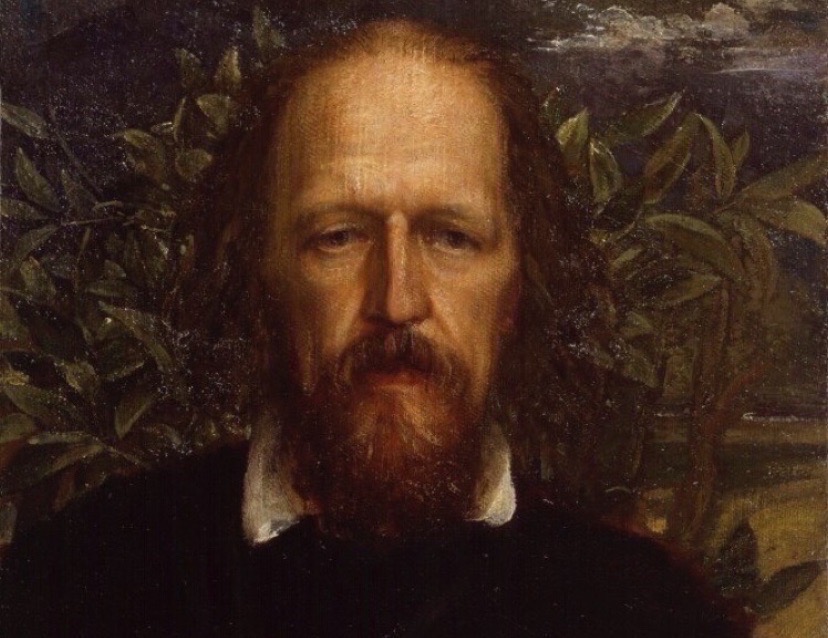
On August 6, 1809, one of the defining literary voices of the 19th century was born: Alfred, Lord Tennyson. Tennyson came to embody the doubts, solemnity, and romantic ideals of the Victorian era. He served as Britain’s Poet Laureate for more than four decades during the height of Queen Victoria’s reign.

Early Brilliance and Sharp Criticism

Tennyson’s journey to becoming a beloved national figure was anything but smooth. Raised in a large, tumultuous household by a clergyman father, young Alfred sought escape through verse. His talents surfaced early; while studying at Cambridge, he won the prestigious Chancellor’s Gold Medal in 1829 for his poem Timbuktu. Shortly thereafter, he published early collections containing works such as Mariana and Claribel.

These early publications showcased his extraordinary musicality and eye for detail, yet contemporary critics were not entirely impressed. Severe reviews dismissed his work as overly melancholic, affected, and sentimental. The hostility of these early critiques shook Tennyson deeply, prompting a decade-long period of publishing silence. A phase scholars often refer to as his ten years’ silence.

Crafting the Masterpieces

Rather than abandoning his craft, Tennyson spent those quiet years refining his technique, studying philosophy, and confronting personal tragedy. The sudden death of his closest friend, Arthur Henry Hallam, plunged Tennyson into profound grief. This loss became the catalyst for his most famous masterpiece, In Memoriam A.H.H. Published in 1850, the massive elegy explored faith, mortality, and scientific progress, striking a deep chord with a Victorian public navigating rapid industrialization and societal change.

The immense success of In Memoriam transformed his standing almost overnight. That same year, following the death of William Wordsworth, Queen Victoria appointed Tennyson as Poet Laureate. He went on to compose iconic works that defined the national consciousness, including The Charge of the Light Brigade, Ulysses, and his epic Arthurian cycle, Idylls of the King.

A Lasting Literary Legacy

While early critics painted him as a sentimentalist, history remembers Tennyson as a master craftsman of English rhythm and sound. Lines like;

“To strive, to seek, to find, and not to yield” (Ulysses)

have woven themselves permanently into the modern lexicon. His ability to blend intimate personal emotion with grand societal themes elevated him from a criticized young poet to an enduring pillar of world literature.

Key Milestones in Tennyson’s Career

1809: Born in Somersby, Lincolnshire on August 6.

1829: Wins the Chancellor’s Gold Medal at Cambridge for Timbuktu.

1830: Publishes Poems, Chiefly Lyrical, introducing works like Mariana and Claribel.

1850: Publishes In Memoriam A.H.H. and is appointed Poet Laureate by Queen Victoria.

1854: Pens The Charge of the Light Brigade, capturing national sentiment during the Crimean War.

1892: Passes away at age 83, buried in Poets’ Corner at Westminster Abbey.

Similar Posts

  • Our Women Communicators of Tomorrow

    By: Mehreen Imambaksh  Empowering Voices for Global Change Throughout history, women have possessed powerful thoughts, deep emotions, and creative voices; yet, many of these voices have gone unnoticed. Their experiences were frequently limited to their homes, their abilities were questioned, and their intellectual development was neglected. However, literature, history, and social thought expose that women were capable of uttering knowledge, shaping culture, and influencing society, but patriarchal systems often restricted their visibility. For centuries, women were expected to remain silent in public intellectual areas. Their role was widely limited to household responsibilities, whereas education, authorship, and public speaking were dominated by men. Yet despite these barriers, many women endured to write, think, and challenge the systems that tried to silence them. One beautiful example can be found in the nineteenth century with the eminent novel *Wuthering Heights*, written by Emily Brontë (1847). Today the novel is considered one of the masterpieces in English literature. Moreover, Emily Brontë did not publish it under her original name; rather, she used the pen name Ellis Bell. Similarly, her sisters also adopted the same approaches. Charlotte Brontë published *Jane Eyre* under the name of Currer Bell, and Anne Brontë published *The Tenant of Wildfell Hall* under the name of Acton Bell. The reason behind these pen names was simple but widely revealing: society frequently refused to take women writers seriously. The Brontë sisters were highly imaginative and intellectually able, yet they felt pressured to hide their identities to ensure their work could be approved. Their circumstances examine the huge restrictions placed upon women’s voices during that time. Long before the Brontë sisters, early feminist thinkers had raised concerns about women’s lack of education and freedom. In 1792, Mary Wollstonecraft wrote *A Vindication of the Rights of Woman*, challenging that women should have equal access to education and intellectual opportunities. She said that women were treated as inferior in society not because they lacked capability, but because they were refused the chance to advance their minds. More than a century later, this problem was discussed again by Virginia Woolf in her masterpiece work *A Room of One’s Own* (1929). She famously argued that women in the past were refused both financial independence and private space, which restricted them from freely uttering knowledge. Therefore, she said a woman needs not merely talent but also freedom and equality to express her feelings and thoughts. Modern scholars have further examined how systems of knowledge can silence subaltern voices. In her essay “Can the Subaltern Speak?” (1988), Gayatri Chakravorty Spivak introduced the idea of epistemic violence, which means how dominant systems of knowledge remove or suppress the voices of certain groups, especially women and colonized communities. When women’s ideas are ignored or removed, their experiences are excluded from the production of knowledge, creating a form of intellectual oppression. These rooted examples depict that women’s silence was never because of a lack of intelligence or creativity. Instead, it was the result of social systems that demotivated or limited their role in participation in intellectual and public life. Even today, this evidence remains visible in many societies. In many cultures, women still hesitate to talk openly, particularly on public platforms or digital spaces. Furthermore, social expectations and fear of judgment frequently create unseen obstacles that prevent women from sharing their thoughts and feelings. This hesitation is not always enforced directly; sometimes it evolves internally due to long-standing social pressures. Moreover, I personally experienced this hesitation in my own life. For many years, I believed in the significance of women’s ability, yet I was not actively immersed in initiatives related to it. One cause for this was my anxiety about visibility on social media platforms to reveal my feelings and ideas because I feared how society, especially as a Baloch student, might react to a woman openly sharing her ideas. This anxiety is not unfamiliar. Many women feel unsure about expressing themselves publicly because they expect critique or misunderstanding. However, personal growth frequently begins with a small step. For me, that step was creating my social media platforms such as Medium, a LinkedIn profile, and starting to share my writings, including poems and reflections based on my experiences. At the start, this act felt common, yet slowly opened new chances. Through this visibility, I became connected with extensive intellectual and professional networks, which ultimately led me to become immersed in women’s ascension. Being involved in this initiative has allowed me to interact with women from various cultures, backgrounds, and perspectives. These interactions have been widely improving. They have shown me that when women communicate and share experiences across cultures, they create unique forms of understanding and collective growth. This experience shows that women’s empowerment does not always happen through major changes, but it begins slowly when women start to express themselves, engage in conversations, and share knowledge with others. Communication is one of the influential tools that helps women to connect their personal experiences with global discussions about equality and justice. However, change needs cooperation. Women’s power should not be seen as an effort between men and women. Instead, it should be perceived as a collaborative struggle to create a fair and inclusive society. Both men and women play a major role in supporting and motivating women’s voices. Traditionally, patriarchal societies frequently reduced women to limited roles, especially examining their function as a child-bearing machine. Whereas motherhood is an essential and valuable role, it should never define the entirety of a woman’s identity. Women have intellectual capabilities, creative skills, and leadership qualities that can contribute importantly to society. Education plays an essential role in changing these circumstances. When women receive education, they gain the confidence and knowledge necessary to contribute actively in social, economic, and intellectual life. Educated women are more capable of expressing their thoughts, challenging injustice, and participating in the development of their communities. Furthermore, the impact of women’s education extends beyond the individual. When women are educated, they can brighten their children’s lives and motivate the next generations

  • Smartwatch data may trigger anxiety

    Smartwatches have become popular health devices that can track heart rate sleep stress levels physical activity and recovery. While these features can help people understand their health better experts warn that relying too much on the numbers may lead to unnecessary anxiety. According to health experts the problem is not the smartwatch itself. The real issue begins when people trust the watch’s readings more than how they actually feel or the advice of a doctor. Nargiza Neumann Zander, founder of X Technology says health data is useful when it helps people make better choices. However it can become harmful if daily scores start controlling a person’s mood or decisions. One common sign of this is checking the smartwatch immediately after waking up instead of paying attention to how the body feels. Experts say people who naturally worry a lot try to be perfect or want to control everything are more likely to depend too much on smartwatch data.  A poor sleep score or low recovery rating may make someone think they are seriously ill even when there is no real medical problem. They also explain that smartwatch readings are based on algorithms and estimates not complete medical examinations. A low recovery score does not always mean a person is unhealthy because the human body gives many signals that wearable devices cannot fully measure. Constantly checking health data can also change people’s behavior. Normal changes such as temporary tiredness less sleep or a small increase in heart rate may be seen as signs of illness. As a result some people may skip exercise delay important tasks or believe they are not fit enough even though they are healthy. Heart specialists stress that smartwatches can increase health awareness but they should never replace professional medical advice. The devices can provide helpful information about heart rate sleep and activity but every reading should be understood in the context of a person’s overall health. Experts also note that movement poor sensor contact dehydration stress caffeine and environmental conditions can affect smartwatch readings. While a smartwatch may point to a possible issue only a qualified doctor can make a diagnosis after reviewing a patient’s medical history performing an examination and ordering any necessary tests. Health experts recommend focusing on long term improvements such as regular exercise better sleep and healthy daily habits instead of worrying about small day to day changes in smartwatch scores. People with conditions like high blood pressure diabetes or heart disease may benefit from monitoring certain health measures under a doctor’s guidance. They conclude that good health is not about getting the perfect smartwatch score every day. It is about maintaining long term physical and mental well being

  • Breakfast leads to better food choices

    Breakfast is often called the most important meal of the day and a new study supports that idea. Researchers at the University of Texas found that eating breakfast can help people make healthier food choices for the rest of the day. The study included 128 young adults who usually skipped breakfast. They were divided into three groups. One group continued to skip breakfast the second group ate breakfast with 15 grams of protein and the third group had breakfast with 30 grams of protein. After breakfast all participants were free to eat whatever they wanted throughout the day. The researchers found that all three groups consumed about the same number of calories around 2,300 calories per day. However there was one important difference. People who ate breakfast consumed more healthy nutrients including fiber, iron zinc and choline. Those who skipped breakfast were more likely to choose unhealthy foods and got lower amounts of these important nutrients. The study also found that people who ate a high-protein breakfast consumed more protein iron and choline throughout the day than those who had only 15 grams of protein. In addition both breakfast groups ate fewer sugary foods than those who skipped breakfast. Researchers said that eating less sugary and high fat food may help lower the risk of several long term health problems.

  • Stay safe from viral fever during monsoon

    When the rainy season begins after the hot summer cases of different illnesses often increase.  Viral fever is one of the common health problems people may experience during changing weather. Many people first develop a sore throat or runny nose followed by fever that may last several days.  It can leave the body feeling weak and may cause headaches body aches, chest discomfort or throat pain. Children older adults and people with weaker immune systems may be more likely to develop complications. A few simple habits can help reduce the risk of infections during the rainy season. Keep your hands clean Germs and viruses can stay on frequently touched surfaces such as door handles mobile phones railings and other objects. Wash your hands with soap and clean water for at least 20 seconds after returning home before eating and after using the bathroom.  If soap and water are not available use an alcohol based hand sanitizer. Try not to touch your eyes nose or mouth with unwashed hands. Eat a healthy diet A healthy diet supports the body’s immune system. During the rainy season include fresh fruits vegetables lentils, milk yogurt and eggs in your meals. Foods containing vitamin C and zinc can also be part of a balanced diet. Try to avoid unhygienic street food and foods that are heavily fried. Drink safe and clean water Rainy weather can increase the risk of infections caused by contaminated water.  Drink properly filtered or boiled water whenever possible. Avoid uncovered drinks and ice from places where water  quality is uncertain. Drinking enough clean water throughout the day also helps prevent dehydration. Take care after getting wet If you get caught in the rain change out of wet clothes as soon as possible and dry  your hair properly. Staying in wet clothes for a long time can make you uncomfortable and may contribute to illness. If needed take a warm shower and change into clean, dry clothes. Get enough sleep and rest Good sleep helps the body maintain a healthy immune system. Poor sleep and constant stress can affect overall health. Try to get around seven to eight hours of sleep each night. Light exercise walking or gentle yoga can also help keep the body active. Avoid close contact with sick people Some viral infections can spread through coughing sneezing and close contact.  Keep some distance from people who are sick and avoid crowded places when possible. Wear a mask when needed and do not share personal items such as towels drinking bottles or utensils with someone who is ill.  Cover your mouth and nose with a tissue or your elbow when coughing or sneezing. Pay attention to early symptoms Do not ignore symptoms such as fever sore throat headache runny nose or body aches. Get enough rest drink warm fluids and monitor your condition. Avoid taking antibiotics without medical advice because antibiotics do not treat most viral infections and unnecessary use can be harmful. Know when to see a doctor Seek medical care if your fever reaches 102°F (38.9°C) or higher lasts for more than three days or is accompanied by breathing difficulty repeated vomiting fainting, or severe weakness. The rainy season can be enjoyable but taking basic health precautions is important. Good hygiene safe food and water enough rest and early attention to symptoms can help reduce the risk of illness during changing weather.

  • |

    Echoes of 1971 in Pakistan’s Kashmir policy

    History rarely repeats itself in exact terms, but it frequently rhymes through patterns of power, dissent and state responses. In Pakistan, analysts and political observers are increasingly highlighting the parallels between historical missteps. It is specifically the events leading up to the loss of East Pakistan in 1971 and the contemporary public grievances in Pakistan-administered Kashmir. The Cost of Ignoring Electoral Mandates In 1970, General Yahya Khan permitted general elections across Pakistan. The Awami League in East Pakistan secured a decisive democratic victory by winning 162 out of 300 national seats. However, rather than facilitating a peaceful transfer of power, military leaders stalled negotiations in Dhaka through early 1971. This breakdown in dialogue culminated in Operation Searchlight, a military crackdown targeting intellectuals, students, and Bengali civilians. The resulting violence triggered a massive refugee crisis. Approximately ten million people were sent to India. A war that ultimately led to the creation of Bangladesh. Pakistan’s own Hamoodur Rahman Commission concluded that political failure and operational excess by military leadership were central to the catastrophe. Despite these official findings, the report remained suppressed for decades, leaving fundamental lessons about the dangers of military overreach largely unexamined within state institutions.  Unrest in Pakistan-Controlled Kashmir Today, army leadership under General Asim Munir continues to champion strong nationalistic rhetoric regarding Kashmir. He has been asserting it as the nation’s core and a willingness to fight further conflicts over Indian-administered territory. Yet, a  different internal dynamic has been evolving since 2025 within the territories Pakistan actually controls. Local populations have mobilized in widespread demonstrations driven by clear economic and political grievances. Unmanageable costs for basic essential goods. Disproportionately high pricing for local power distribution. Legislative structures that assign disproportionate authority to mainland administrators rather than local residents. State institutions responded with heavy-handed measures rather than operating for meaningful negotiation. The organizing groups were banned, communication blackouts were implemented and arrests occurred. Security forces deployed live fire against demonstrators  and caused dozens of civilian casualties. The Danger of Ignoring Unheard Grievances The concern raised by historians is not that history will reproduce the exact outcome of 1971, but that the state is relying on the same flawed logic. State is again attempting to suppress domestic economic and political grievances through state force. When state policy prioritizes coercion over political engagement, it risks alienating populations. The lingering question for Pakistan’s establishment is whether the lessons of past governance failures will finally be integrated, or whether suppressed grievances will once again lead to deep institutional crises.  

Leave a Reply

Your email address will not be published. Required fields are marked *