stay safe viral

Stay safe from viral fever during monsoon

When the rainy season begins after the hot summer cases of different illnesses often increase.  Viral fever is one of the common health problems people may experience during changing weather.

Many people first develop a sore throat or runny nose followed by fever that may last several days.  It can leave the body feeling weak and may cause headaches body aches, chest discomfort or throat pain. Children older adults and people with weaker immune systems may be more likely to develop complications.

A few simple habits can help reduce the risk of infections during the rainy season.

Keep your hands clean

Germs and viruses can stay on frequently touched surfaces such as door handles mobile phones railings and other objects.

Wash your hands with soap and clean water for at least 20 seconds after returning home before eating and after using the bathroom.  If soap and water are not available use an alcohol based hand sanitizer. Try not to touch your eyes nose or mouth with unwashed hands.

Eat a healthy diet

A healthy diet supports the body’s immune system. During the rainy season include fresh fruits vegetables lentils, milk yogurt and eggs in your meals. Foods containing vitamin C and zinc can also be part of a balanced diet.

Try to avoid unhygienic street food and foods that are heavily fried.

Drink safe and clean water

Rainy weather can increase the risk of infections caused by contaminated water.  Drink properly filtered or boiled water whenever possible. Avoid uncovered drinks and ice from places where water  quality is uncertain.

Drinking enough clean water throughout the day also helps prevent dehydration.

Take care after getting wet

If you get caught in the rain change out of wet clothes as soon as possible and dry  your hair properly.

Staying in wet clothes for a long time can make you uncomfortable and may contribute to illness. If needed take a warm shower and change into clean, dry clothes.

Get enough sleep and rest

Good sleep helps the body maintain a healthy immune system. Poor sleep and constant stress can affect overall health. Try to get around seven to eight hours of sleep each night. Light exercise walking or gentle yoga can also help keep the body active.

Avoid close contact with sick people

Some viral infections can spread through coughing sneezing and close contact.  Keep some distance from people who are sick and avoid crowded places when possible.

Wear a mask when needed and do not share personal items such as towels drinking bottles or utensils with someone who is ill.  Cover your mouth and nose with a tissue or your elbow when coughing or sneezing.

Pay attention to early symptoms

Do not ignore symptoms such as fever sore throat headache runny nose or body aches. Get enough rest drink warm fluids and monitor your condition.

Avoid taking antibiotics without medical advice because antibiotics do not treat most viral infections and unnecessary use can be harmful.

Know when to see a doctor

Seek medical care if your fever reaches 102°F (38.9°C) or higher lasts for more than three days or is accompanied by breathing difficulty repeated vomiting fainting, or severe weakness. The rainy season can be enjoyable but taking basic health precautions is important.

Good hygiene safe food and water enough rest and early attention to symptoms can help reduce the risk of illness during changing weather.
Similar Posts

  • Jiang Zemin at 100: A Visionary Reformer and a Friend Pakistan Remembers

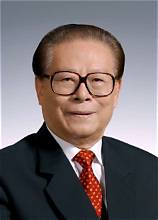
     August 17, 2026 marked the 100th birth anniversary of Jiang Zemin, one of the most consequential leaders of modern China. A grand commemorative gathering at the Great Hall of the People in Beijing, presided over by President Xi Jinping, reflected the enduring importance of Jiang’s political and economic legacy. Jiang Zemin’s life was remarkable because he was, at his core, an engineer who later became a statesman. Born in Yangzhou, Jiangsu Province, on August 17, 1926, he studied electrical engineering at Shanghai Jiao Tong University and graduated in 1947. His technical training shaped a practical approach to leadership: understand the problem, assess the available resources and build a solution capable of lasting. His rise coincided with one of the most turbulent periods in modern history. After serving as mayor of Shanghai and later as secretary of the CPC Shanghai Municipal Committee, Jiang played an important role in the city’s reform and modernization. He supported the transformation of Pudong into a major international and modern urban district, helping establish the foundations for Shanghai’s emergence as a global economic center. When Jiang assumed China’s top leadership in 1989, the international environment was changing rapidly. The political transformation of Eastern Europe, the collapse of the Soviet Union and major domestic challenges created enormous uncertainty. Yet China maintained political stability and continued its programme of reform and opening up. One of the defining features of the Jiang era was the consolidation of the socialist market economy, following the strategic direction established by Deng Xiaoping and formally advanced after Deng’s southern tour in 1992. Jiang helped translate this vision into institutional and economic transformation. The result was a period in which China accelerated market-oriented reforms, expanded its engagement with the global economy and strengthened the foundations for the extraordinary growth that followed. China’s accession to the World Trade Organization in 2001 was among the most significant milestones of this period. It opened a new chapter in China’s integration with international trade and investment and contributed to the rapid expansion of Chinese exports and global economic engagement. Jiang’s leadership was also associated with deeper regional cooperation, including the establishment of the Shanghai Cooperation Organisation in 2001. For Pakistan, however, Jiang Zemin was more than a distant Chinese leader. His connection with Pakistan began long before he entered China’s highest office. In 1976, as a professional engineer and leader of a Chinese technical delegation, he spent time at Taxila and was involved in important technical and administrative decisions connected with the commissioning of the Foundry and Forge Works of the Heavy Mechanical Complex. This cooperation formed part of China’s broader contribution to Pakistan’s industrial and engineering capacity. The story of Jiang and Taxila carries special significance. It represents a relationship built not only through diplomatic statements but also through factories, machines, engineers and skilled workers. The Heavy Mechanical Complex became an important symbol of Pakistan-China industrial cooperation, and Jiang’s personal association with it gave Pakistan a unique connection with a man who would later lead the world’s most populous country. During his state visit to Pakistan in 1996, Jiang reportedly maintained contact with former Pakistani colleagues from his earlier days at Taxila, demonstrating that he had not forgotten the professional relationships and human connections formed decades earlier. It would therefore be fair to describe Jiang Zemin as a leader who helped strengthen the modern foundations of China-Pakistan friendship. He was not the founder of the relationship, whose roots go back to earlier generations of leaders, but he was a major bridge-builder who gave that friendship a distinctive personal and industrial dimension. At 100, Jiang Zemin’s legacy remains substantial. He was bold during uncertainty, pragmatic during transition and confident in China’s capacity to reform without abandoning its strategic direction. He understood Deng Xiaoping’s vision and helped carry the reform and opening-up process into a new era. For China, Jiang will be remembered as a major reform-era leader. For Pakistan, he will also be remembered as an engineer who once worked at Taxila, a statesman who valued friendship, and a leader whose life connected the development journeys of two nations. His legacy is not confined to history; it remains visible in the enduring strength of China-Pakistan cooperation. Author: Prof. Engr. Zamir Ahmed Awan, Sinologist – Diplomat – Advisor – Consultant, Founding Chair, Global Silk Route research Alliance.

  • Artificial Intelligence vs Human Creativity

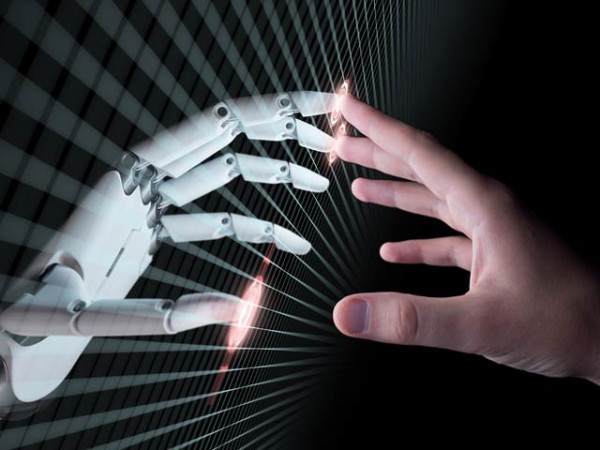
    By Muhammad Talha Karim A workshop under the project titled “Digital Trust and Free Expression in the AI Era” at the Department of Media and Development Communication, University of the Punjab, supported by the U.S. Mission to Pakistan in partnership with the Pakistan-U.S. Alumni Network (PUAN) made me ask myself that: “can a machine create, or does it only create what humans have already imagined?” Creativity has always been a phenomenal ability for human beings, which makes it unique from all other creatures. It helps us solve problems, create art, design new things, think differently, compose music, and write stories. The rapid development of AI has made machines so capable that they can generate music, create art, write essays, and even solve human-related problems. But a very serious question arises here: “Can AI truly be more creative than humans? AI has shown that it can perfectly help humans create new ideas. It simply analyzes the large amount of information, follow the pattern that is previously provided and by combining all the sources, generates content within few seconds. For example, can write an essay, assist you in providing you with the needed material, and make the stories for you. It can also make the process quicker by giving different alternatives. But, if we talk about human creativity, no AI-powered tool can match the detailing, background content and emotional support of a human creativity. AI-powered tools merely scan the information, combine it, rearrange the patterns and give you the required material. It does not use any kind of emotional power, background knowledge to do it. While on the very opposite side, human creativity holds this very significant and unique ability to use emotions, feeling and history with the art. Humans use attach emotions like love, loneliness, sadness, happiness, betrayal and attachment and many more and they are feeling with the art to create it perfectly. For example, if an artist creates a painting, it is not merely the amalgamation of colors, strokes and lines but it experiences the emotion that made the artist create the art. Human beings can physically and mentally feel that specific emotion and a sense of attachment with the art and artist. Creativity has always been deeply linked with emotions and feelings. Certainly, AI powered tools can create content more quickly, but it lacks a major factor “attachment”. It simply rephrases and rearrange the words that are already given and/or uploaded on it. but cannot explain it by using emotions. For instance, if a user commands any AI powered tool to write a story, it will be done in just few seconds, but it will lack the emotional attachment. On the other hand, a story written by a human being will be rich in emotions and feelings. Maybe the writer turned his own experience into the story. As the writer himself experienced that feeling, he can put that in words in such a way that it hits directly in the heart of the reader or any other person. They can feel more attachment to it. They can see themselves in that story, which connects people more strongly.   The second major factor is intention and purpose. Human beings have their purpose and intentions for doing a certain job. It can either be an emotion or a thought. Human beings can challenge the society, write to change the entire perspective of a group of people, and many other reasons while AI does not possess any of this. It writes only because it is being commanded. It does not experience childhood, young age, love, hate, separation, loneliness – nothing at all which makes it merely a content provider while Human beings are the content experiencers. They personally go through those feelings and phases, and they can better explain this!   Despite all these differences, both AI and Human creativity can go together. Humans can provide emotions, feelings, ideas and content while AI can provide speed, more information, new ideas and solutions to different problems. Instead of making AI and humans competitors they can become partners and offer better outcomes. For example, a graphic designer can ask AI to give him various initial concepts and then use his own concepts and creativity to make the best one.  AI may be able to imitate creativity, but human creativity comes from a life that no machine has ever lived. AI has changed the way humans think about creativity. No matter how Fastly AI can generate the content to create pictures, write stories and compose music, it still cannot connect it with emotions. But human beings connect emotions, feelings, thoughts, ideas more creatively. As a human being, it’s the need for us to keep getting the content, art, music and information which emotionally connects us with each other. The views, thoughts, and opinions expressed in this blog are solely those of the author and do not necessarily reflect the official policy or position of the U.S. Mission to Pakistan or  USEFP/PUAN.

  • Vaping risks for young people

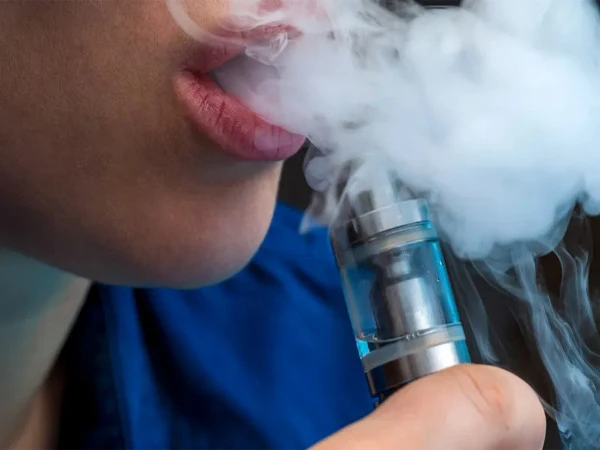
    A major review by the Royal College of Paediatrics and Child Health has raised concerns about the growing use of e-cigarettes among children and teenagers. Researchers reviewed thousands of studies looking at how vaping may affect the health of young people. Vaping has increased sharply According to the report vaping among young people has increased 10 times over the past decade.  Many teenagers are also starting to vape at a very young age, increasing concerns about long term health effects. Vaping may harm lung health The review linked vaping among young people with several breathing problems including: •Coughing •Wheezing •Symptoms of bronchitis Worsening asthma symptoms Experts also warn that young people who vape may be more likely to start smoking traditional cigarettes later. Other possible health effects The report also highlighted several other concerns linked to vaping including. Nicotine addiction •Poor oral and dental health •Anxiety •Depression •Suicidal thoughts •Possible sleep problems •Potential effects on eye health •Allergies Researchers say more studies are still needed to fully understand some of these effects. Experts warn parents and young people Professor Will Carroll a co-author of the report said vaping should not be viewed as a harmless part of growing up. The evidence shows clear links between vaping, breathing problems nicotine dependence and future cigarette use. Vaping may look less harmful than traditional smoking but experts warn that it can still pose serious risks for children and teenagers. Preventing young people from starting vaping could help protect their health both now and in the future.

  • AI eye test for heart disease

    A new study suggests that a simple eye scan could help predict a person’s risk of having a heart attack or stroke over the next 10 years. The scan takes a picture of the back of the eye a test that is already used to check for different eye diseases.  Researchers believe it may also reveal important signs about heart health. Scientists used artificial intelligence (AI) to study thousands of digital eye images. The AI system can examine a scan in less than a second and estimate a person’s future risk of serious heart problems. Researchers hope this quick test could one day become part of regular health checkups along with blood pressure and cholesterol tests. This may help doctors identify high risk patients earlier and start treatment before serious problems develop. The study focused on eye scans from people with type 2 diabetes because they already receive regular eye exams to detect conditions such as diabetic retinopathy. Lead researcher Dr. Efi Mordi said the eyes can provide valuable information about the heart. If the tiny blood vessels at the back of the eye become narrow or damaged similar changes may also be happening in the blood vessels that supply the heart. At first the AI was trained to look for signs of narrowed or blocked blood vessels. Later it also learned to recognize other small details such as the pattern and size of blood vessels. The system was trained using 4,200 eye images. The results were encouraging.  The AI correctly predicted the risk of a heart attack or stroke within the next 10 years with about 70% accuracy. Dr. Mordi said the eye scan takes less than a minute and is already part of routine eye examinations. If widely used it could help save lives by identifying people who need early treatment. Professor Bryan Williams of the British Heart Foundation called the technology an important step forward but said more research is needed before it becomes a standard medical tool. Dr. Clare Jonas from the Stroke Association also welcomed the findings. She said that if governments include technologies like this in healthcare planning they could help prevent many cases of stroke in the future. Experts believe this research is an important development and could lead to  AI powered eye scans becoming a routine part of future medical checkups.

  • How to remove shower head Limescale

    If the water coming from your shower has become weak or sprays unevenly limescale buildup inside the shower head could be the reason. Experts say a simple citric acid solution is one of the easiest and most effective ways to restore normal water flow. Limescale forms when minerals such as calcium and magnesium commonly found in hard water collect inside the tiny holes of the shower head. Over time these deposits reduce water pressure block the spray nozzles, and can shorten the life of the fixture. To clean it experts recommend mixing 2–3 tablespoons of citric acid with warm water. Remove the shower head if possible and soak it in the solution for 30 minutes to one hour. After soaking gently scrub the nozzles with an old toothbrush and rinse thoroughly with clean water. If the shower head cannot be removed pour the citric acid solution into a plastic bag and secure it around the shower head with a rubber band so the nozzles remain fully submerged. After soaking remove the bag scrub away any remaining deposits and rinse well. Experts say this method helps dissolve stubborn limescale improves water pressure restores an even spray pattern and can extend the lifespan of the shower head. To prevent future buildup clean your shower head at least once a month wipe it dry after use whenever possible and consider installing an anti-limescale or water softening filter if you live in an area with hard water. Regular maintenance can keep your shower working efficiently and reduce the need for costly replacements.

  • Some medicines go bad after opening

    Many people check the expiry date on a medicine bottle or box and assume it is safe to use until that date. However health experts say this is not always true.  Some medicines start losing their effectiveness or become unsafe after they are opened even if the printed expiry date is still months away. It is common for people to use a cough syrup or eye drops once put them back in the cupboard and use them again weeks or months later after checking only the expiry date. Doctors say this can be risky because some medicines do not stay safe for long once opened. When a medicine bottle tube or dropper is opened air moisture and germs can get inside. Over time repeated opening can reduce the medicine’s protection against bacteria increasing the risk of contamination. If a syrup changes color or smell a cream separates or tablets become soft or crumbly they should not be used. Many people believe that every medicine should be thrown away one month after opening but experts say this is not true. According to Dr. Sanjay K. Jain, Head of Pediatrics and Neonatology in New Delhi each medicine has different storage and usage rules. He explains that common syrups such as cough syrup paracetamol syrup and vitamin syrup can usually be used until their expiry date if they are stored properly and show no changes in color smell or appearance. Tablets and capsules also remain safe until their expiry date in many cases especially if they stay in their original blister packs and are stored according to the instructions. However some medicines have a much shorter life after opening.  Antibiotic syrups that come as powder and need water before use should usually be thrown away after 7 to 14 days even if some medicine is left. If the syrup changes color or particles appear inside the bottle it should be discarded immediately. Eye drops also need extra care. Most should be used within 28 days after opening because the tip of the bottle can collect germs each time it is used. Insulin and some injectable medicines also have special storage rules and may only remain safe for a limited time after opening. Doctors advise reading the label or package instructions carefully before using any medicine. This is especially important for eye drops insulin liquid antibiotics and medicines that need refrigeration. It is also a good idea to check medicines stored at home from time to time. If you are unsure whether a medicine is still safe ask a doctor or pharmacist instead of taking the risk. Health experts say that for some medicines the most important date is not the expiry date but the day the bottle or package was first opened. Writing the opening date on the bottle can help you know when it is time to throw it away. If you ever have doubts about a medicine’s safety it is better to discard it than risk your health.

Leave a Reply

Your email address will not be published. Required fields are marked *