black holes real

Black holes are real

In 1915, Albert Einstein published his ground-breaking theory of general relativity, radically altering humanity’s understanding of gravity. Rather than treating gravity as an invisible pulling force between masses, Einstein demonstrated that heavy objects warp the very fabric of space and time. Soon after, physicists realized that Einstein’s field equations contained a dramatic prediction. If enough mass were compressed into a small enough region, space-time would curve so intensely that nothing, not even light, could escape.

However, Einstein himself remained deeply skeptical of these mysterious cosmic objects, which would later be named black holes. He believed that such extreme entities were merely theoretical mathematical artifacts products of idealized, perfectly symmetrical equations that could never exist in the chaotic reality of the actual universe. Einstein argued that real collapsing stars, possessing natural asymmetries and rotational forces, would scatter or bounce rather than implode into a point of infinite density.

The Breakthrough of 1965

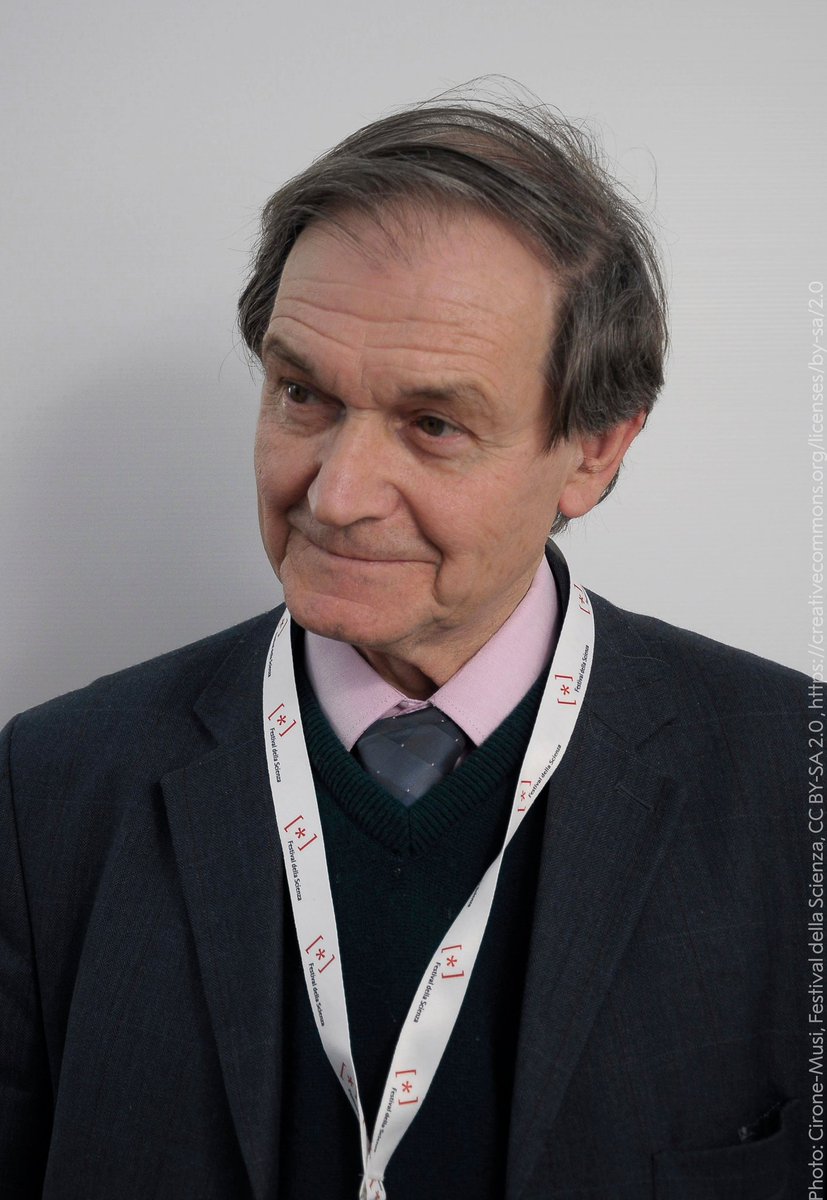
Ten years after Einstein’s death in 1955, a British mathematician and physicist named Roger Penrose forever settled the debate. In a revolutionary 1965 paper, Penrose provided the first rigorous mathematical proof that black holes are not merely theoretical curiosities, but robust and inevitable consequences of general relativity.

Penrose realized that traditional analytical methods were insufficient to tackle the messy reality of stellar collapse. Instead, he introduced novel geometrical and topological concepts to physics, most notably the concept of a trapped surface.

A trapped surface is a two-dimensional closed boundary where all light rays, regardless of whether they are directed inward or outward, are forced to converge toward the center. Once a collapsing star forms a trapped surface, an event horizon is established, creating a point of no return.

Penrose proved that as long as gravity remains attractive and energy remains positive, the collapse cannot be stopped by any physical force or asymmetrical shape. The collapsing matter is driven relentlessly toward a singularity: a central region where density and space-time curvature become infinite, and where classical physics breaks down entirely.

Transforming Astrophysics and Modern Cosmology

Penrose’s singularity theorem fundamentally altered how scientists viewed the cosmos. It proved that black hole formation is a robust phenomenon that regularly occurs across the universe whenever massive stars exhaust their nuclear fuel and collapse under their own gravitational weight.

Furthermore, Penrose’s mathematical techniques opened completely new avenues of theoretical research:

  • The Big Bang Origin: Inspired by Penrose’s methods, a young Stephen Hawking applied similar topological techniques in reverse to show that the entire universe must have originated from an initial space-time singularity at the moment of the Big Bang.
  • Penrose Diagrams: Penrose introduced conformal visual diagrams that allowed physicists to map out the infinite causal structures of space-time on manageable two-dimensional surfaces.
  • The Information Paradox: Defining the strict causal properties of black hole event horizons laid the groundwork for decades of theoretical inquiry into how quantum mechanics interacts with extreme gravity.

From Theoretical Paper to Nobel Prize

For decades, Penrose’s work remained largely theoretical because observational technology could not directly detect black holes. However, in the 21st century, astrophysics caught up with Penrose’s mathematics. Ground-breaking discoveries—such as the detection of gravitational waves from colliding black holes by LIGO in 2015 and the Event Horizon Telescope’s first direct image of a black hole’s shadow in 2019—provided unequivocal empirical evidence supporting his theory.


Recognizing the immense impact of his 1965 breakthrough, the Royal Swedish Academy of Sciences awarded Roger Penrose half of the 2020 Nobel Prize in Physics. More than half a century after its publication, Penrose’s paper stands as the single most critical contribution to general relativity since Einstein’s original masterpiece, proving that the most extreme objects in the universe are a tangible reality.


Similar Posts

  • | |

    Finding Macbeth among the cul-de-sacs

    There is a persistent cultural myth that high art requires crumbling castles, stormed heaths, or the frantic pulse of a metropolitan center. Suburbia, by contrast, is frequently dismissed as a landscape of cultural vacuum. The locality is defined instead by the hypnotic hum of lawnmowers, identical mailboxes, and the predictable choreography of the morning commute. Yet, to truly understand the works of William Shakespeare, one might argue that the quiet cul-de-sac is precisely where his characters feel most alive. Far from being an ivory-tower exercise, reading the Elizabethan canon against the backdrop of modern suburban life reveals a shocking truth. The human heart remains unchanged. It battles with the exact same ambitions, fears, and frailties that obsessed the playwright over four centuries ago. Shakespeare’s Macbeth Consider the iconic image of Macbeth encountering the three witches on a desolate heath. It’s a scene immortalized in classical art where armored men on horseback reel back in shock from supernatural prophets. On the surface, this imagery feels light-years away from a suburban subdivision. And yet, the psychological anatomy of Macbeth’s descent is intensely domestic. The internal dialogue of unchecked ambition, the quiet rationalization of moral compromise, and the creeping dread of consequences do not require a Scottish throne room. They can happen just as easily across a kitchen island or inside a quiet home office late at night. The weird sisters whispering prophecies of greatness are mirrored in modern life by the relentless cultural pressures to achieve. King Lear’s Misjudgment of His Children When we open a volume of Shakespeare, the distance between the sixteenth-century stage and the twenty-first-century lawn collapses. The suburban environment with its heavy emphasis on conformity and respectability provides a testing ground for tragedy. Iago’s subtle manipulations and toxic envy find their modern equivalents in politics, gossip, and the quiet resentments behind closed doors. King Lear’s tragic misjudgment of his children echoes in the universal anxieties of aging, and the desperate search for legacy. The stakes may appear smaller. They’re measured in property values and school districts rather than kingdoms and crowns but the emotional resonance is identical. Reading Shakespeare in Suburbia Furthermore, reading Shakespeare in suburbia changes how we interact with our immediate surroundings. It strips away the sterile academic intimidation that often turns classical literature into a chore to be checked off a syllabus. Instead, the verse becomes a lens through which the mundane details of daily existence are rendered extraordinary. The polite wave to a neighbor takes on a layer of complex subtext; the solitary evening walk under streetlights feels heavy with introspection. We begin to recognize that our neighbors are not merely background characters in a quiet life, but complex individuals harboring their own private comedies and tragedies.    Immutable Patterns of Human Behavior Ultimately, literature serves as a mirror. The suburban landscape offers a surface polished to a clear, sometimes uncomfortable reflection. Shakespeare did not write merely about royalty or historical epochs. He wrote about the immutable patterns of human behavior. By bringing his texts into the quiet corners of modern domestic life, we bridge the gap between antiquity and the everyday. We discover that drama is not something reserved for history books or theatrical stages, but an inescapable part of being human, waiting to be noticed right outside our front doors.

  • Top health benefits of curry leaves

    Curry leaves are best known for adding a rich flavor and fresh aroma to food but they also offer many health benefits. Packed with important nutrients and natural plant compounds these leaves can be a healthy addition to your daily diet. Rich in nutrients Curry leaves contain vitamins A, B, and C along with other nutrients that help support overall health.  Their natural antioxidants may help protect the body from damage caused by harmful molecules. May support weight loss Many people use curry leaves as part of a healthy weight loss plan. Drinking curry leaf tea on an empty stomach every morning for several weeks is believed to support weight management when combined with a balanced diet and regular exercise. Some people also eat 10 to 15 fresh leaves in the morning and drink warm water afterward. May help lower Cancer risk Curry leaves contain natural compounds called flavonoids which have antioxidant properties.  Research suggests these compounds may help protect cells from damage and could play a role in lowering the risk of certain types of cancer. However more human studies are needed. Good for People with Diabetes Curry leaves are a good source of dietary fiber which may help support healthy blood sugar levels.  They may also improve the body’s ability to manage glucose making them a helpful addition to a diabetes friendly diet. They should not replace prescribed treatment. Supports digestive health Curry leaves have long been used to help with digestive problems such as constipation and diarrhea.  They contain natural plant compounds that may help support healthy digestion and improve gut health. •Easy ways to add curry leaves to your diet •Curry leaves are easy to use in everyday meals. You can •Add them to soups curries and lentil dishes. •Use them in stir fries or vegetable dishes. •Blend them into smoothies. •Brew them into herbal tea. Adding curry leaves to your diet is a simple way to boost flavor while enjoying their potential health benefits. Combined with a balanced diet and healthy lifestyle they can be a nutritious part of everyday meals

  • Pumpkin seeds for glowing skin

    Pumpkin seeds are well known for their health benefits but they may also support healthy looking skin.  They contain nutrients such as zinc vitamin E and antioxidants that can help protect the skin from damage. Benefits of pumpkin seeds for skin Pumpkin seeds contain antioxidants that help protect skin cells from harmful free radicals.  Their nutrients may also support healthy skin as it ages. They are also a source of vitamin E which helps protect the skin from environmental damage and supports its natural barrier. Pumpkin seed oil can provide moisture and may help make dry skin feel softer and smoother. The nutrients in pumpkin seeds may also support normal hormone function which can be helpful for overall skin health.  However pumpkin seeds should not be considered a treatment for hormonal skin problems. Pumpkin seed face cleanser You can make a simple homemade cleanser using pumpkin seeds. Ingredients. •1 cup pumpkin seeds •½ cup honey •1 tablespoon sandalwood powder •1 tablespoon nutmeg powder Method Grind the pumpkin seeds into a fine powder. Add honey, sandalwood powder and nutmeg powder then mix well.  Apply a small amount to the face gently and wash it off with water. Pumpkin seed scrub Pumpkin seeds can also be used in a homemade face scrub. How to make it Boil some pumpkin pieces and pumpkin seeds in water. Strain them and blend the pumpkin and seeds into a smooth paste. Add 2 tablespoons of honey and 1 tablespoon of cinnamon powder.  Apply the mixture to your face and leave it for about 10 minutes. Then gently massage in circular movements and rinse with water. This mixture can also be used on other areas of the body but avoid harsh rubbing. Simple pumpkin seed face pack Another easy option is to mix ½ teaspoon of finely ground pumpkin seeds with ½ teaspoon of honey.  Apply a thin layer to the face and let it dry. Rinse gently with lukewarm water. You can also mix pumpkin seed powder with a small amount of almond oil to make a simple moisturizing face pack. Use with care Natural ingredients do not work the same way for everyone. Pumpkin seeds, honey cinnamon nutmeg or other ingredients may cause irritation or an allergic reaction in some people. Always do a small patch test before applying a homemade mixture to your face.  If you have sensitive skin or known allergies it is better to ask a doctor or dermatologist before trying new skin treatments. Pumpkin seeds can be part of a healthy diet but there is limited scientific evidence that homemade pumpkin seed treatments can dramatically change the skin within a few days.

  • “A Glimpse After Twenty-One Days”

    By Amar Qawi If, someday, the entire sky were covered in darkness—without a moon, without stars, without even the faintest sparkle—would a lover whose heart glows like moonlight still be able to live beneath such a sky? That day, I sat on the rooftop of my house searching for the moon. But fate had something else in store. Instead of appearing in the heavens, the moon descended into the street below to grant me a glimpse after twenty-one long days. I did not dwell much on that radiance because something similar had happened to me earlier, on the fifteenth of July. Therefore, I took it as nothing more than an unfulfilled dream rather than believing that the moon belonged to me. In truth, even considering someone as one’s possession is itself a form of poverty. Since childhood, society has taught us that air, fire, and water are the necessities of life. Yet I feel sorry for those teachers who remain unaware of a deeper truth: human beings do not survive by air, fire, and water alone. Love, inspiration, and moonlight are equally essential for the soul to remain alive. A person may survive in this highly technical age amidst bombs and weapons, but without the sight of the beloved, the soul can never truly live. Just as air, fire, and water are essential to human existence, so too is the vision of the beloved. The truth is, I was not sitting on the rooftop in search of the moon in the sky. I was waiting for that moon from whom my moonbird-like heart had been separated for what felt like centuries. And yet, even when I found that moon, it was only within my dreams. Twenty-one days after the fifteenth of July, as I walked through that familiar street, she passed by me just as a shadow silently slips along a wall in the darkness. She is my shadow, and I am her reflection. She is my reflection, and I am her moonbird. She is the full moon to me. Whenever she shines like the full moon, my heart, like a restless chakor bird, longs to fly toward her and kiss her beauty. But alas, those delicate butterfly-like wings eventually grow weary from endless flights inspired by love. When I saw her in that street after twenty-one days, the fallen Taj Mahal of my imagination began to rebuild itself. The shy poet hidden within me blossomed with the spirit of Sheikh Ayaz’s immortal lines: “O moon! Who has stolen your sleep? Surely the chakor birds have enchanted you.” Just as Sheikh Ayaz expressed, something similar happened to me. When I first met her, I had no intention of falling in love. Yet I vividly remember that when we parted, dryness had settled upon our lips while tears embraced our eyes. It was as though the Urdu poet had written about our separation: “When we parted, my poem remained within her eyes— A poem that had never yet been recited to anyone.” When she passed beside me after twenty-one days, my eyes swore by the little golden nose ornament she wore and silently recalled the beautiful verse of Shah Abdul Latif: “Who says, my beloved, that you should walk gently? Place your feet upon my eyelashes without hesitation. Leave behind all fear of causing pain, For your passage itself is my greatest joy.” When even her tongue could not gather the courage to speak to me, my own eyes, too, denied themselves the permission of truly beholding her after those twenty-one days. Love is not dependent upon union; it longs for the meeting of souls. Therefore, for a lover like me, a glimpse after twenty-one days carries no real meaning if the beloved merely passes by like a silent shadow in the darkness. In the end, I wish to encourage the young people of our society who lose their dreams and their future while chasing someone who does not value their love. As an Urdu poet beautifully said: “If you have changed, then so be it. If not you, then someone else. And if not someone else, then another.” Thus, that glimpse after twenty-one days holds no value for me if it is wrapped in deception, falsehood, and unfaithfulness. To me, that meeting means nothing if pride and arrogance overshadow love. She merely appeared in the street and passed by like a shadow. Yet even today, I continue to wait for her, because my heart still loves that moon-like beloved with the devotion of a chakor bird. Even after twenty-one days, she remains steadfast in her pride. Still, the beloved’s pride is a matter of honor for the lover, for the beloved herself is both the lover’s pride and the most precious treasure he possesses. He can be reached at alikareemshaikh123@gmail.com

  • Robot dogs take over night security

    As artificial  intelligence enters more parts of daily life even security jobs are beginning to change. In Atlanta robotic dogs are now being used to guard homes and residential areas  at night. According to foreign media reports the new system has been introduced at residential complexes in the US city of Atlanta where robotic dogs have replaced human guards for night patrols. Equipped with cameras sensors and AI technology the robot dogs move around the complexes and monitor their surroundings. They can detect unusual or suspicious activity while human operators control and monitor them from a distance. At first some residents found the robots unusual but they have gradually become  familiar with them.  Residents say the robots provide a new layer of security and may help reduce crime in the area. With AI developing rapidly robotic security could become more common in homes apartment buildings streets and shopping areas in the future.

  • Why Women’s mental health matters

    Senior Pakistani actress and film maker Rubina Ashraf has spoken about postpartum depression and the emotional challenges women may face during pregnancy and after giving birth. Rubina Ashraf recently appeared as a guest on the television show Good Morning Pakistan where she discussed women’s mental health and the importance of emotional support during pregnancy and motherhood. She said that in the past, mental health problems linked to pregnancy and childbirth were often not taken seriously.  Society usually treated childbirth as a normal responsibility of every woman without fully understanding how difficult the experience could be for some mothers. The actress explained that pregnancy brings many physical changes to a woman’s body including changes in the skin weight and overall health. Along with happiness these changes can sometimes cause stress anxiety and emotional pressure. She added that a lack of proper care and support during this period may make a woman more vulnerable to serious emotional difficulties including postpartum depression. Rubina also highlighted the importance of a husband’s love care and understanding during pregnancy and after childbirth. She said that managing physical changes household responsibilities  and caring for a newborn can be challenging so emotional and practical support from a partner can make a big difference. Her comments also highlight the need to take women’s mental health seriously and ensure that new mothers receive proper care understanding and support.

Leave a Reply

Your email address will not be published. Required fields are marked *