mohsen rezaei takes
|

Mohsen Rezaei takes Iran’s top security post

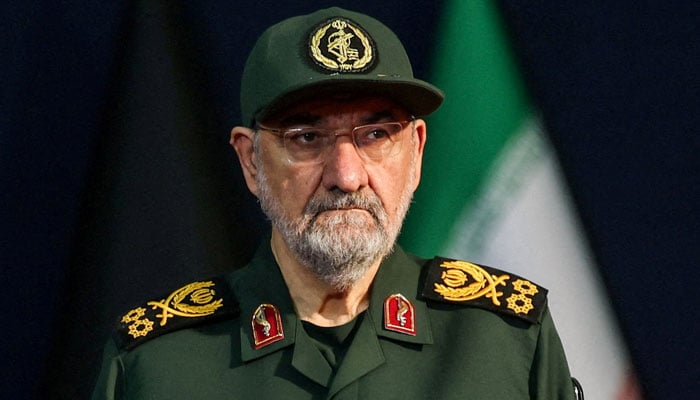
Iran has appointed veteran Revolutionary Guards commander Mohsen Rezaei as secretary of the Supreme National Security Council (SNSC), placing a prominent security figure in a senior position at a sensitive time for the country.

Rezaei, 71, replaces Mohammad Baqer Zolqadr as secretary of the council. Zolqadr has instead been appointed as a political adviser to Supreme Leader Ayatollah Mojtaba Khamenei.

The SNSC plays a central role in coordinating Iran’s national security and foreign policy. It is formally chaired by President Masoud Pezeshkian and includes senior military, intelligence and government officials.

Rezaei brings decades of military and political experience to the position. He joined the Islamic Revolutionary Guard Corps (IRGC) after the 1979 Islamic Revolution and became its commander in 1981, when he was only 27.

He remained at the helm of the IRGC for 16 years. Much of his tenure coincided with the Iran-Iraq war from 1980 to 1988. During that period, he oversaw the development of the organisation’s land, naval and air capabilities.

After leaving the IRGC command, Rezaei remained an influential figure within Iran’s political and security establishment. He later served for more than two decades as secretary of the Expediency Discernment Council.

He also entered electoral politics and repeatedly sought the presidency of Iran. From 2021 to 2023, he served as vice president for economic affairs under former President Ebrahim Raisi.

Rezaei holds a doctorate in economics from the University of Tehran, although much of his career has been focused on military, security and political affairs.

His relationship with Supreme Leader Mojtaba Khamenei is another significant factor behind his new appointment. Rezaei was named a military adviser to Khamenei after the latter assumed the supreme leadership earlier this year.

Khamenei also issued a decree appointing Rezaei as his representative on the SNSC. The decree highlighted Rezaei’s extensive military experience, particularly his role during the Iran-Iraq war.

During the ongoing conflict involving Iran, the United States and Israel, Rezaei has frequently made public statements on security and foreign policy issues. He has expressed strong opposition to concessions in negotiations with Washington and has repeatedly taken a hard-line position on Iran’s security interests.

His appointment therefore places an experienced IRGC commander at the centre of Iran’s national security decision-making structure.

Rezaei’s political journey began even before the Islamic Revolution. As a teenager, he became involved in opposition activities against Iran’s Pahlavi monarchy. He was arrested by SAVAK, the Shah’s security service, in 1973.

Similar Posts

  • | |

    Court awards Ahsan Iqbal Rs2.5m in defamation case

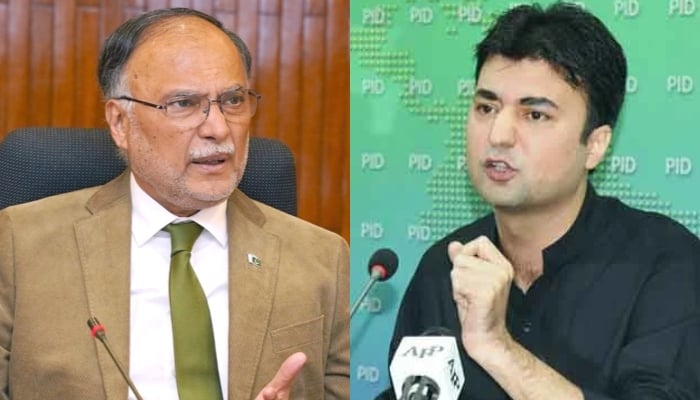
    An Islamabad District and Sessions Court has ruled in favour of Federal Minister Ahsan Iqbal in a long-running defamation case against PTI leader Murad Saeed. The court ordered Murad Saeed to pay Rs2.5 million in damages for making allegations that were not proven during the proceedings. Additional Sessions Judge Hakim Khan announced the verdict after hearing the case. The court held that Murad Saeed’s statements had damaged Ahsan Iqbal’s reputation and public image. It directed the PTI leader to compensate the federal minister with Rs2.5 million. According to the judgment, Murad Saeed accused Ahsan Iqbal of being involved in corruption worth Rs70 billion. However, the court found that he failed to provide any evidence to support the allegations. The court ruled that the accusations of corruption, misuse of authority, and receiving illegal commissions were defamatory because they remained unsubstantiated. The judgment stated that Ahsan Iqbal had initially sought Rs10 billion in damages for the alleged harm caused to his reputation. However, the court observed that the amount claimed was excessive in view of the evidence presented during the trial. It therefore awarded Rs2.5 million as reasonable compensation. The court further observed that Murad Saeed’s controversial statements had harmed Ahsan Iqbal’s reputation, dignity, and credibility. It said the allegations created a negative impression of the minister among the public and directly targeted his honesty, integrity, and professional standing. The judgment also noted that Murad Saeed neither appeared before the court during the proceedings nor submitted evidence to substantiate the corruption claims. The absence of supporting material, the court said, weakened his defence and left the allegations unproven. The case originated from statements made by Murad Saeed in 2019 regarding the Multan-Sukkur Motorway project. At the time, he alleged that Ahsan Iqbal had committed corruption in connection with the project. After reviewing the evidence and hearing the arguments, the court concluded that the accusations were not established and therefore amounted to defamation. The verdict marks the conclusion of the defamation proceedings, with the court reaffirming that public allegations of corruption must be backed by credible evidence.

  • | |

    Preity Zinta says motherhood is her greatest achievement

    Bollywood actor Preity Zinta has described becoming a mother as the most significant milestone of her life, saying family has taken priority over her successful film career during her years away from the spotlight. The actor, who was among Bollywood’s leading stars in the early 2000s, stepped away from acting after marrying in 2016 and later welcoming her children in 2021. Her last on-screen appearance was in Bhaiaji Superhit in 2018, and she is now set to return with Batwara 1947. Speaking in a recent interview, Preity said she never felt the absence of films during her break because she was focused on building her family. She explained that while she has enjoyed many career achievements, raising her children has been the most meaningful accomplishment of her life. According to the actor, motherhood brought a new perspective that became valuable while preparing for her latest role. In Batwara 1947, Preity portrays a Muslim woman living in Lahore during the Partition of India. The story follows her family after her husband, played by Sunny Deol, shelters a Hindu woman amid the violence and upheaval of 1947. The actor said her own experience of putting family first helped her relate to the emotions and decisions of her character. She noted that if family remains her top priority today, she can only imagine how much more important it would have been for people living through the uncertainty of Partition. Preity also admitted she felt nervous returning to the camera after such a long break. She recalled that director Rajkumar Santoshi scheduled one of the film’s most emotionally demanding scenes on the very first day of shooting, leaving her anxious about her performance. She praised co-star Sunny Deol for making the experience easier, describing him as a supportive, kind and encouraging colleague who helped her regain confidence during filming. After completing the challenging opening scenes, Preity said she gradually became comfortable on set and found herself settling back into acting. Batwara 1947 also marks Preity Zinta’s reunion with Sunny Deol after eight years, with the two actors sharing the screen once again following their last collaboration in Bhaiaji Superhit.

  • | |

    Pakistan paid Rs6,405 billion to IPPs in capacity …

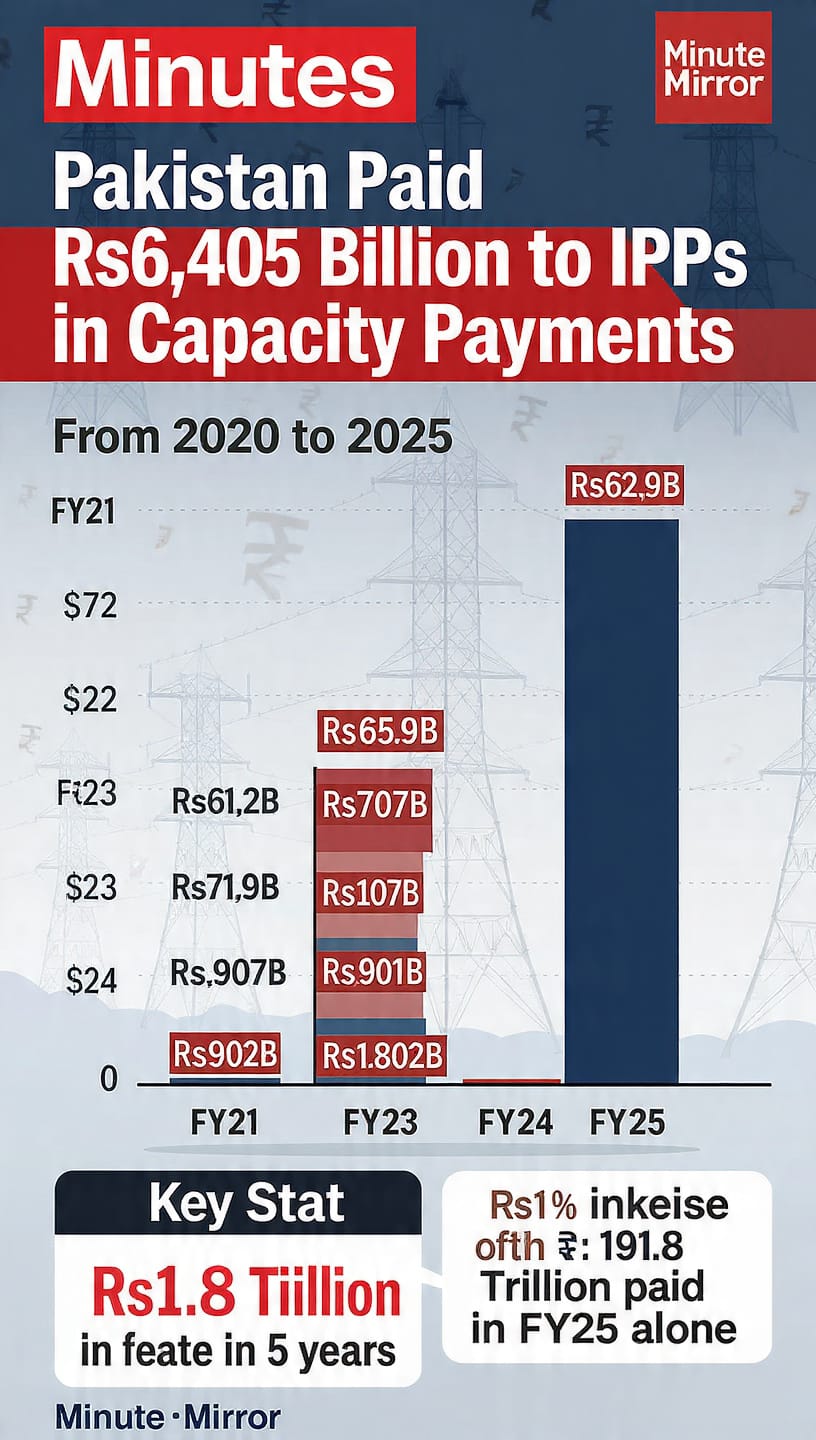
      ISLAMABAD: Pakistan’s federal government paid a total of Rs6,405 billion to Independent Power Producers (IPPs) in capacity payments between 2020 and 2025, the National Assembly has been informed, highlighting the growing financial burden associated with the country’s power sector. According to a written response submitted by Federal Minister for Energy Awais Ahmad Leghari, capacity payments increased significantly during the five-year period despite government efforts to renegotiate power purchase agreements and reduce electricity costs. The figures presented to the National Assembly show that capacity payments rose from Rs613.9 billion in FY2020-21 to Rs1,807 billion in FY2024-25. This represents an increase of approximately 194% over the period. The government paid Rs613.9 billion in capacity charges during FY2020-21. The amount increased to Rs775.9 billion in FY2021-22 before rising sharply to Rs1,307 billion in FY2022-23. Capacity payments reached their highest level during FY2023-24, when the government paid around Rs1.902 trillion to IPPs. Although the amount declined slightly in FY2024-25 to Rs1.807 trillion it remained almost three times higher than the amount paid in FY2020-21. Capacity payments are charges made to power producers for keeping their generating plants available to supply electricity, regardless of whether the full generation capacity is actually utilised. These payments are part of the contractual arrangements between the government and IPPs and have frequently been identified as one of the factors contributing to Pakistan’s expensive electricity system and growing circular debt. Responding to questions in the National Assembly, Energy Minister Awais Ahmad Leghari said the government has taken several measures to reduce the financial pressure created by existing power agreements. According to the minister, a government task force has terminated power purchase agreements with six IPPs, while agreements with several other producers have also been revised. The objective of these measures is to reduce electricity costs and limit the financial burden on the national power sector. The Ministry of Energy estimates that the changes made to the agreements could result in savings of approximately Rs4.3 trillion over the remaining life of the contracts. Leghari also clarified that payments made to power producers are based on tariffs determined by the National Electric Power Regulatory Authority (Nepra) and the terms agreed under the relevant power purchase agreements. He rejected the impression that generators were receiving payments outside the approved contractual and regulatory framework, stating that there were no additional payments beyond the applicable arrangements. Despite the government’s renegotiation efforts, the figures show that capacity payments continue to represent a major financial obligation for Pakistan. The Rs1.807 trillion paid in FY2024-25 alone demonstrates the scale of the challenge facing the country’s power sector. The government’s efforts to terminate and revise agreements are expected to provide substantial savings in the coming years. However, reducing capacity payments and addressing the broader issues of electricity pricing, power utilisation and circular debt remain critical challenges for Pakistan’s energy sector.

  • | |

    Momina Iqbal, Hamza Habib’s sweet exchange wins hearts

    Popular Pakistani actress Momina Iqbal and her husband, businessman Hamza Habib, have taken social media by storm after sharing a series of intimate, romantic moments on Instagram, setting major couple goals for fans across digital platforms. ​The visual collage, circulating across entertainment news portals, captures the newly married couple sharing candid affection during a night out. In one snapshot, Momina is seen posing for a chic mirror selfie in a vibrant green ensemble, proudly showcasing her diamond wedding ring. Another emotional snippet captures Hamza gently leaning in to kiss his wife, while a third image shows the duo sitting close together, laughing and enjoying a relaxed evening. ​What truly captivated netizens, however, was the sweet public exchange in the post’s captions. Uploading a clip set to a romantic track, Momina tagged her husband (@humza.mh) alongside an infinity symbol, writing: “My husband dedicated this song to me.” Replying in the comments section with equal devotion, Hamza wrote: “Even I’ve dedicated my life to you my Begum,” accompanied by heart emojis. ​The heart-melting exchange comes shortly after the couple officially tied the knot in a series of intimate and traditional wedding functions, including a Dua-e-Khair, Mayoun, Mehndi, and Baraat. The couple’s journey to matrimony garnered widespread media attention and public support after Hamza stood firmly beside Momina through high-profile legal controversies, publicly defending her honor and confirming their marriage before the court and media. ​”Looking at how he stood by her through every storm and how openly he cherishes her now, they truly define what real partnership and love look like in the public eye.” ​Fans and fellow industry celebrities have flooded comment sections with red heart emojis and warm prayers for the newlyweds. Netizens praised Hamza’s unhesitating, vocal expression of love, with many calling their endearing bond a refreshing example of modern romance in the showbiz world. ​As Momina continues to balance her thriving drama career with her new phase of married life, her candid social media updates with Hamza remain a top favorite among fans following Pakistani entertainment news.

  • |

    Pakistan, Japan agree to expand development cooperation

    Pakistan and Japan have reaffirmed their commitment to strengthening long-standing development cooperation, with both sides agreeing to expand collaboration in economic reforms, mineral development, technical training, and human resource development during a high-level meeting in Islamabad. The understanding was reached during a meeting between Prime Minister Shehbaz Sharif and a nine-member delegation led by Japan International Cooperation Agency (JICA) President Dr. Tanaka Akihiko. Welcoming the delegation, Prime Minister Shehbaz Sharif described the seven-decade partnership between Pakistan and Japan as a cornerstone of bilateral relations, expressing confidence that the JICA president’s visit would inject fresh momentum into cooperation between the two countries. The prime minister highlighted the government’s ongoing economic reform agenda, stating that Pakistan had successfully navigated a challenging economic period through coordinated efforts and was now focused on achieving sustainable and inclusive economic growth. He said the government’s reform programme had produced encouraging results, noting that national revenues had doubled over the past three years. According to the prime minister, these improvements were creating greater fiscal space for investment in development priorities and public welfare. Shehbaz Sharif emphasized that equipping young people with modern skills and technical education remains one of the government’s foremost priorities. He said the administration is also committed to creating quality employment opportunities and promoting the economic empowerment of women as part of its broader development strategy. During the meeting, the prime minister welcomed JICA’s technical assistance in Pakistan’s minerals sector, describing the cooperation as timely given the country’s vast untapped mineral resources. He also appreciated JICA’s collaboration with the Small and Medium Industrial Development Authority (SMIDA), saying such partnerships would help strengthen industrial capacity, improve productivity, and boost Pakistan’s exports. The discussions also covered ways to broaden bilateral cooperation in areas including infrastructure development, capacity building, vocational training, and investment promotion. Both sides acknowledged the importance of expanding technical collaboration to support Pakistan’s long-term economic transformation. JICA President Dr. Tanaka Akihiko thanked Prime Minister Shehbaz Sharif for his warm welcome and appreciation, reaffirming Japan’s commitment to supporting Pakistan’s development journey. He noted that JICA and Pakistan share a long-standing partnership built on mutual trust and cooperation, adding that the agency remains ready to further expand its engagement across multiple sectors, including economic development, human resource development, and technical cooperation.

  • | |

    Makkah Pact Seen as key to regional stability

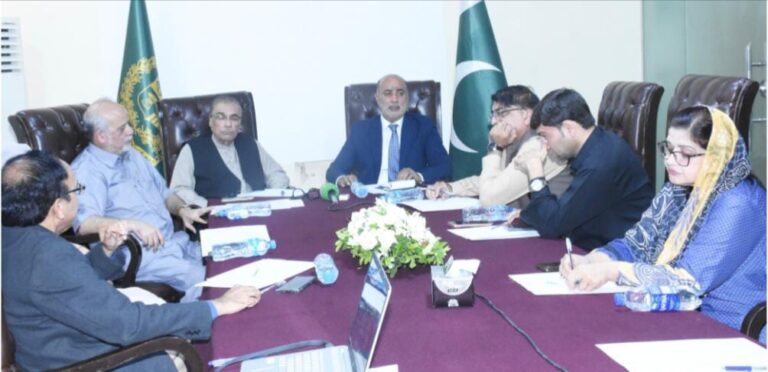
      LAHORE, Aug 12 (APP): Senior journalists, defence analysts and experts have described the Makkah Joint Defence Pact between Pakistan, Saudi Arabia and Türkiye as a significant step towards regional peace, collective security and stronger defence cooperation. The views emerged during a panel discussion titled “Makkah Pact: Peace, Security and Stability”, organised by the Press Information Department (PID) Lahore. PID Lahore Director General Shafqat Abbas said the agreement aimed to strengthen peace, stability and mutual trust rather than target any country. He stressed the importance of diplomacy, dialogue and cooperation in resolving regional disputes. He said Pakistan, Saudi Arabia and Türkiye brought different strengths and experiences to the partnership, creating opportunities for cooperation in defence, diplomacy, trade and investment. Abbas also said Pakistan’s national strength should extend beyond defence and include education, science, technology, skilled human resources and a strong economy. He urged the country to turn its defence capabilities into broader economic gains through research, skills development and increased exports. Senior journalist and analyst Mujeebur Rehman Shami highlighted Pakistan’s achievements in defence and diplomacy but called for greater investment in education, science, technology and skills. He also stressed the need to increase exports and improve economic productivity. Journalist Salman Ghani said the three countries offered complementary strengths, with Pakistan contributing its defence capabilities, Saudi Arabia its economic influence and Türkiye its advanced defence industry and technology. He said the pact could also encourage investment and economic cooperation. Defence analyst Col (retd) Abid said Pakistan’s leadership and military diplomacy played an important role in developing the agreement. He noted that its impact could extend beyond defence to economic, diplomatic and strategic affairs. Other speakers, including Dr Faleha Afzal, Malik Salman, Dr Farzana Riaz and journalist Noorullah, called for greater unity among Muslim countries and urged Pakistan to pursue economic development alongside defence preparedness. The participants agreed that stronger cooperation between Pakistan, Saudi Arabia and Türkiye could contribute to regional peace and stability. They also emphasised dialogue, common interests and coordinated efforts to address shared challenges. At the end of the session, Shafqat Abbas thanked the participants and said such discussions helped promote informed public debate on important national and international issues.

Leave a Reply

Your email address will not be published. Required fields are marked *