sohail afridi warns
| |

Sohail Afridi warns rulers to ‘open their eyes?…

PESHAWAR: Khyber Pakhtunkhwa Chief Minister Sohail Afridi has warned Pakistan’s rulers and decision-makers to “open their eyes” before September 27, saying the situation could become increasingly difficult to control if justice, constitutional supremacy and the rule of law are not restored.

Speaking to reporters while attending a protest outside the Supreme Court, Afridi also expressed concern over reports about the health of Pakistan Tehreek-e-Insaf founder Imran Khan.

The chief minister said serious concerns were emerging about Khan’s health and called for the matter to be treated with urgency. He said neither he nor Khan had attempted to use the former prime minister’s health for political relief.

Afridi demanded that Khan’s family be allowed to be present and that his treatment be conducted under the supervision of his personal doctors.

The KP chief minister referred to the treatment of former Prime Minister Nawaz Sharif during Imran Khan’s government. He said Khan had allowed Sharif to travel abroad for medical treatment on humanitarian grounds, despite questions that had been raised at the time regarding medical certificates.

According to Afridi, Khan was now being deprived of basic human rights and justice, which he described as a matter of serious concern.

Afridi also criticized what he described as politically motivated cases against Khan. He alleged that his political opponents had themselves faced corruption allegations and accused them of misusing national resources. These claims represent Afridi’s political position and were not independently established in his remarks.

The KP chief minister also spoke about the judiciary, saying Pakistan’s justice system was facing a major test. He urged judges to stand up for justice and said that one judge taking a principled position could encourage others to do the same.

Afridi argued that the public was looking toward the judiciary for relief and justice. He questioned where citizens would turn if judges failed to perform their constitutional responsibilities.

The chief minister further warned about growing anger among young people, saying he could see what he described as a “revolution” in the eyes of the country’s youth.

He cautioned that continued injustice and rising hatred could eventually create a situation in which even Imran Khan might struggle to persuade people to respond with affection or restraint.

Afridi urged the rulers and decision-makers to understand the seriousness of the situation before September 27 and move the country toward justice, constitutional supremacy and the rule of law.

He warned that failure to address these concerns could make the situation increasingly difficult to manage, adding another strong political message to the ongoing tensions surrounding Imran Khan and his supporters.

Similar Posts

  • |

    Indian activist Sonam Wangchuk ends 26-day hunger strike

    Indian environmentalist and social activist Sonam Wangchuk has ended his 26-day hunger strike after holding discussions over the ongoing nationwide protests against alleged examination paper leaks. However, demonstrations demanding the resignation of Education Minister Dharmendra Pradhan are continuing across India. Wangchuk announced his decision through a post on social media, saying he ended the fast after lengthy negotiations and concerns that the situation could lead to further violence. He said he would soon explain the conditions that led to his decision in a separate video message. The 59-year-old activist had been fasting since June 28 in support of a youth-led protest movement that accuses the government of failing to prevent repeated examination paper leaks. Protesters have demanded the resignation of the education minister after alleged leaks in medical college entrance examinations forced millions of students to retake the tests. Shortly before Wangchuk’s announcement, Prime Minister Narendra Modi addressed the nation and pledged stronger legal action against those responsible for examination fraud. He described the paper leak scandal as a serious issue affecting the future of hundreds of thousands of students and said the government would introduce tougher legislation to combat such crimes. Modi also announced plans to speed up court proceedings against those involved in examination fraud, adding that the issue would be discussed by the federal cabinet. While outlining the government’s response, he did not comment on demands for the education minister’s resignation. Despite Wangchuk ending his fast, thousands of protesters continue to gather at New Delhi’s Jantar Mantar and in several other cities. Demonstrators say they will maintain their peaceful campaign until the education minister steps down and comprehensive reforms are introduced to restore transparency and fairness in India’s examination system. The protests have become one of the biggest public challenges faced by Prime Minister Modi’s government since beginning its third term. Tensions have risen in recent days after clashes between police and protesters. Security forces used tear gas and batons to stop demonstrators attempting to march towards parliament, leading to widespread criticism from rights organisations over the handling of the protests.

  • |

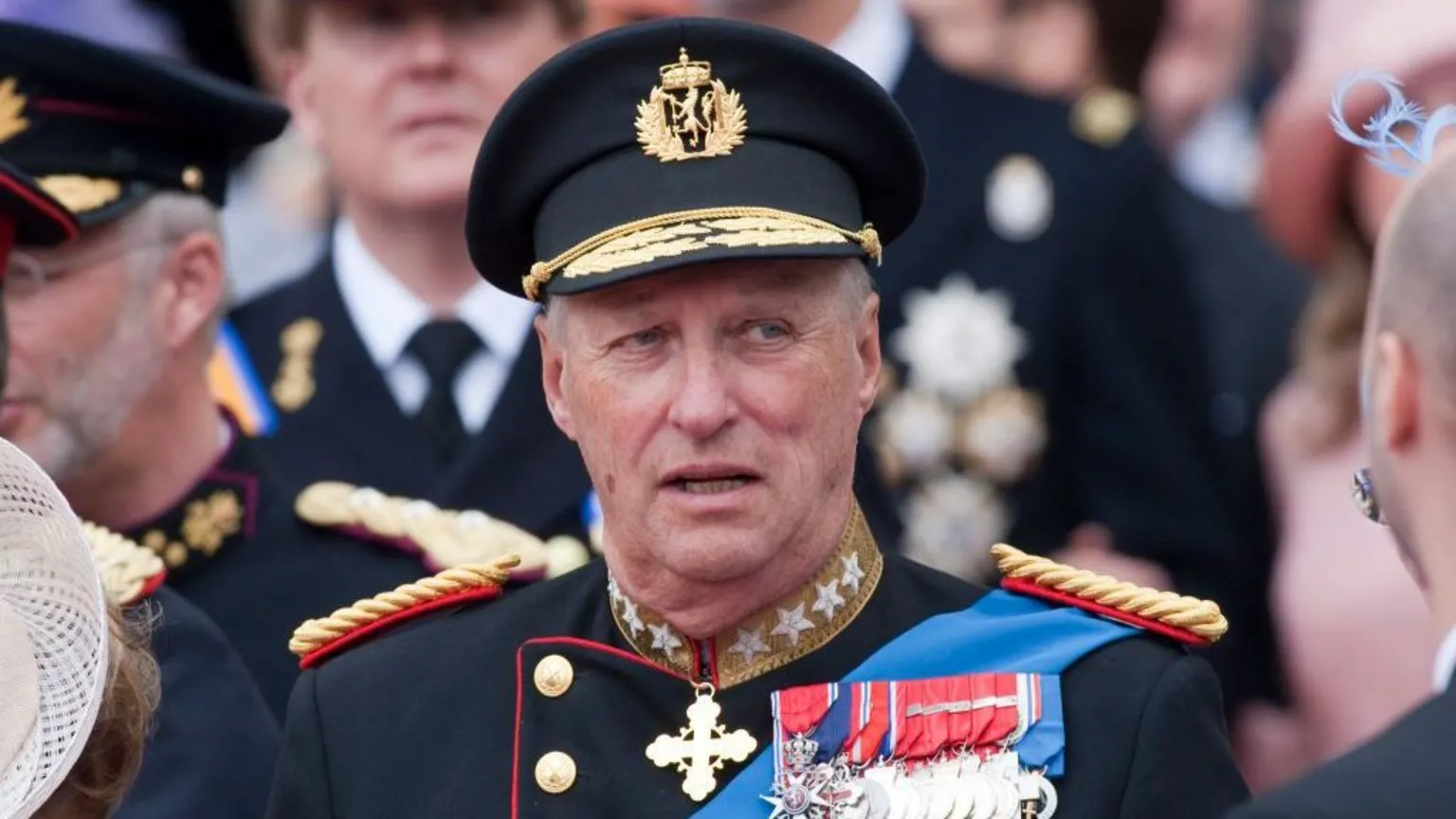
    Norway’s ‘People’s King’ dies: What comes next?

    Norway is mourning the death of King Harald V, who passed away on Friday at the age of 89 after more than three decades on the throne. The Norwegian royal palace said Harald died peacefully at Oslo University Hospital at 6:35am local time. He had been receiving treatment after being hospitalised earlier this month with a serious illness and a bacterial infection in his blood. Harald’s death brings an end to a 35-year reign during which he became one of Norway’s most respected and popular public figures. He was widely regarded as a modernising monarch who helped make the royal institution more open, accessible and closely connected with ordinary citizens. His son, Crown Prince Haakon, immediately became king following his father’s death. Haakon, 53, is expected to formally address the government and parliament as Norway begins the transition to a new reign. Born on February 21, 1937, Harald was the first Norwegian-born heir to the throne in almost six centuries. His childhood was shaped by the Second World War. When Nazi Germany invaded Norway in 1940, the young prince left the country with his mother and sisters. The family spent time in Sweden before travelling to the United States, where they lived during the war. Harald returned to Norway after the war and later completed his education and military service. He studied social sciences, history and economics at Oxford University before becoming increasingly involved in royal duties. One of the defining moments of his personal life came in 1968, when he married Sonja Haraldsen, the daughter of a businessman. The marriage broke with royal tradition because Sonja was a commoner. Harald had reportedly waited years for permission to marry her and eventually made clear that he would rather remain unmarried than give her up. Queen Sonja remained his partner throughout his nearly six decades of marriage and his entire reign. Harald became king in January 1991 following the death of his father, King Olav V. Over time, he developed a reputation for showing emotion and speaking openly on issues affecting Norwegian society. His role as a national unifier became particularly important after the 2011 terrorist attacks in Oslo and on Utøya, in which 77 people were killed. Harald’s public response focused on solidarity, compassion and rejecting fear. He also became known for advocating tolerance and diversity. In a widely remembered speech in 2016, he emphasised that Norway was home to people of different nationalities, religions and sexual orientations. Outside his official duties, Harald was a passionate sailor and represented Norway at three Olympic Games. He was also interested in environmental conservation and supported efforts to protect nature. His later years were marked by repeated health problems. In 2024, he was hospitalised while visiting Malaysia and later received a pacemaker. He subsequently reduced his public engagements but rejected calls for abdication, maintaining that his commitment to the throne was lifelong. Harald’s death also comes at a difficult time for Norway’s royal family. Crown Princess Mette-Marit has faced scrutiny over her past contacts with convicted sex offender Jeffrey Epstein, while her son Marius Borg Høiby was convicted this year of rape and domestic violence. Mette-Marit has also undergone a lung transplant after suffering from a serious pulmonary condition. Despite the controversies surrounding members of his family, Harald himself retained strong personal popularity among Norwegians. Tributes have poured in from European leaders and fellow monarchs. Britain’s King Charles III described Harald as a much-loved relative and friend, while Sweden’s King Carl XVI Gustaf remembered him as a close friend of his family and Sweden.

  • | | |

    Oil prices jump as US-Iran tensions rattle markets

    Oil prices climbed sharply on Wednesday as fresh military developments involving the United States, Iran and Saudi Arabia raised fears of further escalation in the Middle East. Brent crude futures rose $3.30, or 3.9%, to $87.39 a barrel. US West Texas Intermediate (WTI) crude also gained $3.05, or 3.8%, to $82.31 a barrel. The latest increase came after the United States and Saudi Arabia carried out strikes against Iran-backed groups in Iraq. The developments followed Iran’s reported missile attack targeting US forces in the region. The renewed tensions have increased concerns about oil supplies from the Middle East. Investors are now watching closely for signs that the conflict could spread further across the Gulf. US officials said American forces intercepted ballistic missiles launched by Iran towards US military positions in the Middle East. Washington described the incident as an attempted surprise attack. Iran’s Islamic Revolutionary Guard Corps later said it had launched several ballistic missiles at a US air base and the US Central Command facility in Jordan. Saudi Arabia also confirmed that its forces had conducted targeted strikes against Iran-backed groups in Iraq. Riyadh said the strikes were carried out jointly with the US Central Command. Saudi authorities linked the operation to drone attacks targeting energy facilities in the kingdom. The developments have added to concerns over the security of critical oil infrastructure in the region. Market analysts said the latest escalation has reduced expectations of a quick easing of tensions in the Persian Gulf. Any disruption to oil production or transportation routes could put additional upward pressure on crude prices. US oil inventories have also provided support to the market. Crude stocks fell by around 3.3 million barrels during the week ending July 24, according to data cited from the American Petroleum Institute. Official inventory figures from the US Energy Information Administration are expected later on Wednesday. Traders will closely examine the data for further signs of changes in demand and supply. Meanwhile, OPEC+ could provide another boost to oil prices. Sources said the producer group is likely to pause planned increases in oil output for three months starting in October. The possible pause would come after OPEC+ completes its scheduled return of barrels that had previously been removed from the market through voluntary production cuts. For now, traders remain focused on developments between Washington and Tehran. Any further military escalation could increase concerns over regional oil supplies and push crude prices higher.

  • | | |

    SECP registers record 5,438 new companies in July

    The Securities and Exchange Commission of Pakistan (SECP) recorded its highest-ever monthly company registrations, with 5,438 new companies incorporated during July, reflecting growing business activity and investor confidence in the country’s corporate sector. According to the SECP, five international companies established offices in Pakistan during the month. The foreign firms are from Malaysia, the United Arab Emirates (UAE), and China, highlighting continued overseas interest in Pakistan’s business environment. The commission said 112 newly registered companies include foreign directors, indicating increasing international participation in the local corporate sector. Of the total registrations, 3,148 were private limited companies, while 2,117 were single-member companies. In addition, 127 limited liability partnerships (LLPs) were incorporated during the month. The SECP also registered 28 non-profit organisations and 18 public companies. Provincially, Punjab accounted for the largest share of registrations, with 2,756 companies, representing 51% of the total. Islamabad followed with 1,053 companies, while Sindh registered 864, Khyber Pakhtunkhwa 450, Gilgit-Baltistan 180, and Balochistan 135 new companies. The information technology (IT) sector recorded the highest number of new incorporations, with 1,008 companies registered during July. Other major sectors included trading with 845 new companies, services with 638, and construction with 348 registrations. The SECP also reported significant growth in other industries, with 256 companies registered in the food and beverages sector, 207 in tourism, 181 in e-commerce, 165 in education, 162 in real estate development, and 145 in corporate agriculture. The record number of company registrations reflects continued expansion across multiple sectors of Pakistan’s economy and increasing formalisation of businesses under the country’s corporate regulatory framework

  • |

    Paris Jackson reveals intense treatment during sobriety journey

    Paris Jackson has opened up about her difficult road to sobriety, revealing that she underwent intensive electroconvulsive therapy after coming dangerously close to attempting to take her own life. The 28-year-old singer, who is the daughter of late pop legend Michael Jackson, recently reflected on her struggles and recovery while speaking on Jay Shetty’s On Purpose podcast. Paris revealed that she has now been sober for six years, but reaching that milestone involved confronting some of the darkest moments of her life. She recalled a period when she came “very, very close” to attempting suicide and eventually received electroconvulsive therapy as part of her treatment. According to Paris, she underwent nine sessions within three weeks. Describing how close she was to making an attempt, she said she was only “centimeters away” from doing so. The singer also provided a detailed account of what the treatment involved. While electroconvulsive therapy can have a frightening reputation, Paris explained that modern procedures are carried out under general anesthesia, meaning patients are unconscious during the treatment. She recalled having to prepare for the procedure by replacing the metal jewelry from her facial piercings with plastic earrings. After arriving at the hospital, she said she changed into a hospital gown before being given anesthesia. Paris explained that she was then secured in place and given a bite guard before the electrical stimulation was administered. Although the treatment was performed while she was unconscious, she said the experience still came with difficult physical effects afterward. The singer described experiencing what she called “gnarly side effects” and recalled feeling sharp pains after waking up from the sessions. Despite the challenges she endured, Paris has continued moving forward with her recovery and has now maintained six years of sobriety. Her willingness to discuss such a painful period has given fans a more personal look at the struggles behind her journey. Paris has previously spoken about her experiences with addiction, emotional struggles and recovery. Her latest comments further highlight the seriousness of the crisis she experienced and the extensive treatment she received while working toward a healthier life. By openly discussing her past, Paris is shedding light on the realities of recovery and the different forms of professional support people may receive during severe mental health crises. Her six-year sobriety milestone represents a significant achievement after what she described as an extremely difficult chapter in her life.

  • | |

    Karachi to remain hot, humid as rain chances emerg…

    Karachi is expected to remain hot and humid over the next three days. The weather is likely to stay partly cloudy. Light drizzle is also possible in some parts of the city. According to the Pakistan Meteorological Department, Karachi’s maximum temperature is expected to remain between 34°C and 36°C during the next three days. The weather department said most parts of Sindh will experience hot and humid conditions today. However, some areas could receive rainfall. Tharparkar district may receive light rain accompanied by thunderstorms. Residents have been advised to remain cautious during periods of strong winds and thunderstorms. August could bring more rain A private weather forecasting organisation has also issued a longer-range outlook for August. It said low-pressure systems could develop over the Bay of Bengal during the first 10 days of August. These weather systems could increase the chances of rain across several parts of Pakistan. Northern areas of the country may experience a strong spell of rainfall. Sindh and Balochistan could also receive one or two rain spells during the period. Karachi may see rainfall during the first week of August if favourable weather systems develop. The forecast comes as Pakistan continues to experience monsoon weather. Rainfall in different regions has already affected temperatures and local weather conditions. However, meteorologists have stressed that the August forecast is based on long-range weather models. Such forecasts can change as new weather data becomes available.

Leave a Reply

Your email address will not be published. Required fields are marked *