arshad nadeem skip
| |

Arshad Nadeem to skip lausanne diamond league for …

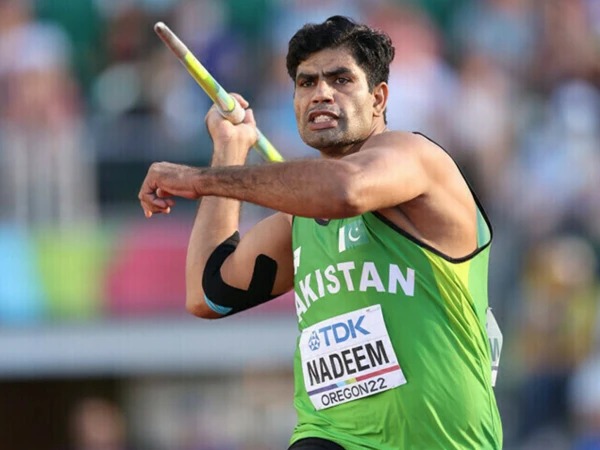
Pakistan’s Olympic gold medallist Arshad Nadeem has decided to skip the upcoming Lausanne Diamond League and instead focus on an overseas training camp in South Africa.

The 2026 Lausanne Diamond League is scheduled to take place in Switzerland on August 21. Nadeem was initially included in the event’s entry list, but he has now opted to prioritize training and preparation ahead of his upcoming international competitions.

Nadeem is currently training at Punjab Stadium in Lahore and is expected to spend around two weeks training in South Africa. Reports indicate that he plans to travel to Potchefstroom once his visa arrangements are completed.

The decision comes after a disappointing outing at the recent 2026 Commonwealth Games in Glasgow, where Nadeem finished ninth among 12 competitors with a best throw of 77.41 metres. He failed to progress beyond the first three throws in the final.

Sri Lanka’s Rumesh Tharanga Pathirage won the Commonwealth Games javelin gold medal with an impressive throw of 89.75 metres, while Nadeem was unable to defend his title at the event.

Despite the setback, Nadeem remains one of Pakistan’s leading track and field athletes. He won Olympic gold in the men’s javelin throw at the Paris 2024 Olympics, producing an Olympic-record throw of 92.97 metres.

The Lausanne event had initially attracted considerable attention because Nadeem was listed among a strong javelin field. His withdrawal means he will instead use the coming weeks to work on his form and conditioning in South Africa.

Nadeem’s next major appearances are expected to include the World Athletics Ultimate Championship in Budapest from September 6 to 14, followed by the Asian Games. The decision to skip Lausanne appears aimed at giving the Olympic champion additional preparation time before those important competitions.

For Nadeem, the South Africa training camp could provide an opportunity to address the issues exposed by his recent Commonwealth Games performance. Rather than immediately returning to competition, the javelin star will now have additional time to train and prepare for the remainder of the 2026 season.

His withdrawal from Lausanne also highlights the importance of managing his competition schedule while preparing for major championships. Fans will now be watching closely to see whether the additional training helps Nadeem regain his best form in his next international appearance.
Similar Posts

  • | |

    Nawaz Sharif calls for better governance in AJK

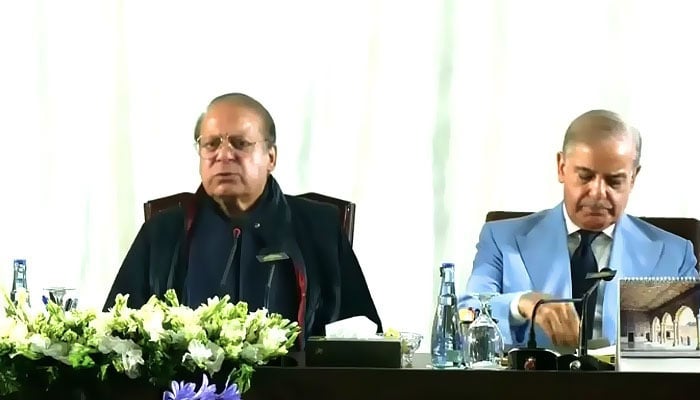
    Pakistan Muslim League-Nawaz (PML-N) President Nawaz Sharif has urged political parties to keep their differences within the bounds of democratic competition, saying political rivalry should never turn into personal hostility. Addressing a meeting of the PML-N Azad Jammu and Kashmir (AJK) parliamentary party in Murree, Nawaz congratulated the candidates who won seats in the AJK elections and called for greater financial support for the region. He said the federal government should provide AJK with maximum possible development funds so that the territory can improve its infrastructure and public services. He also directed the party leadership to examine the reasons behind the defeat of several strong PML-N candidates and learn from the election results. Nawaz said the party had secured victories in two phases of the electoral process, describing the results as another expression of public confidence in the PML-N. However, he cautioned that the party must deliver on its promises to retain that trust. “If the PML-N fails to deliver, the people here will become disappointed,” he said. The former prime minister stressed the need to improve roads, hospitals and other basic facilities across AJK. He said children in the region should also have access to modern educational opportunities and technology, including laptops. Nawaz credited Prime Minister Shehbaz Sharif’s efforts for the country’s ongoing development, saying Pakistan was moving forward. He called for AJK to experience similar progress and said the region should develop along the lines of Punjab. He stressed that the PML-N could not afford to disappoint voters who had placed their confidence in the party. Nawaz also expressed concern over complaints that emerged during the political process involving the Pakistan Peoples Party (PPP). He said he had not expected the PPP to provide an opportunity for complaints, particularly given that the party had previously led the AJK government. “Some complaints reached us, and I was saddened by them,” Nawaz said, while emphasising the need for political parties to maintain respectful relations despite their differences. He said previous AJK governments had failed to fully meet public expectations and stressed that improving the welfare and living standards of the region’s people should remain the top priority. Nawaz maintained that the PML-N would continue to focus on development and public service while working to strengthen its political position in AJK.

  • | |

    Indian technology provided to Afghan Taliban repor…

      Security experts have claimed that technology allegedly provided by India to the Afghan Taliban for use against Pakistan has also failed to achieve its intended purpose. According to a report, the Tehreek-e-Taliban Pakistan (TTP) and the Balochistan Liberation Army (BLA) are receiving what the report describes as full support from the Afghan Taliban regime, along with financial assistance from India. The report further claims that the groups are being supported through various means as part of activities directed against Pakistan. The report stated that the Afghan Taliban regime claimed to have carried out a drone attack against Pakistan in June 2026. However, according to the report, the drone was intercepted and destroyed in the air by Pakistan’s air defence system before it could reach its intended target. Security experts cited in the report said the drones allegedly used in the attack were supplied by India. They described the drones as relatively low-grade in terms of technology, with limited operational capabilities. According to the assessment, the systems lack the sophistication required to effectively penetrate Pakistan’s modern air defence network. The reported incident has once again drawn attention to the growing use of unmanned aerial vehicles, or drones, in regional security and military operations. Drones have increasingly become an important tool for surveillance, reconnaissance and attacks because of their relatively low operating costs and ability to operate without putting pilots at direct risk. However, experts say the effectiveness of a drone depends heavily on its technological capabilities, including its range, navigation system, communication links, payload capacity, electronic protection and ability to avoid detection. Less sophisticated drones can be vulnerable to modern radar and counter-drone technologies, particularly when they are detected at an early stage. According to the report, Pakistan has developed and deployed defence mechanisms capable of detecting and neutralising such aerial threats. The country’s air defence network is equipped to identify incoming objects and take appropriate measures to prevent them from reaching sensitive targets. The report claims that the destruction of the drone demonstrates the limitations of the technology allegedly supplied by India and highlights the challenges faced by armed groups attempting to use relatively unsophisticated unmanned systems against a country with established air defence capabilities. Security experts further maintained that the incident demonstrates the importance of advanced detection and interception systems in countering the increasing drone threat. As unmanned systems become more widely available, countries across the region are investing in technologies designed to detect, track and neutralise hostile drones. The report also linked the alleged use of Indian-supplied drones to broader security concerns involving militant groups operating in and around the region. It claimed that the TTP and BLA have benefited from support from the Afghan Taliban and financial assistance from India. These claims, however, remain allegations and would require independent verification. The reported June 2026 incident is likely to remain a subject of discussion among security analysts as Pakistan continues to strengthen its air defence and counter-drone capabilities. The episode also highlights the technological competition surrounding unmanned aerial systems and the growing importance of electronic and aerial defence measures. According to the report, Pakistan’s ability to detect and neutralise the drone before it could cause damage demonstrates that its existing defence mechanisms can pose a significant challenge to low-capability unmanned aerial systems.

  • |

    Pakistan inflation falls to 9.2% in July 2026: PBS

    Pakistan’s annual inflation eased to single digits in July 2026, with the latest official figures showing a noticeable decline in price growth compared to the previous month. However, economists cautioned that inflationary pressures have not disappeared, as higher fuel costs and other economic challenges continue to weigh on the outlook. According to data released by the Pakistan Bureau of Statistics (PBS) on Monday, the Consumer Price Index (CPI) recorded an annual inflation rate of 9.2% in July 2026. The reading marked a significant decline from 11.1% in June, although it remained considerably higher than the 4.1% recorded in July 2025. On a monthly basis, consumer prices increased by 1.2% during July, reversing the 0.3% decline witnessed in June. In comparison, monthly inflation had risen by 2.9% in July last year. Urban and rural inflation The PBS data showed that inflation in urban areas slowed to 8.7% year-on-year in July, down from 11.2% in June. During the same month last year, urban inflation had stood at 4.4%. Month-on-month, urban prices climbed 1.2%, compared to a 0.5% decline in June and a 3.4% increase recorded in July 2025. Meanwhile, rural inflation also moderated, with the annual rate easing to 9.9% in July from 10.9% a month earlier. Rural inflation had been 3.5% in the corresponding month of last year. On a monthly basis, rural prices increased by 1.2%, compared with no change in June, while July 2025 had witnessed a 2.2% monthly increase. Government projects inflation to remain elevated The Finance Division had earlier projected inflation to remain between 9% and 10% in July, warning that rising international oil prices could continue to exert pressure on domestic prices. The ministry’s latest economic outlook also highlighted concerns over external investment, noting that Pakistan’s foreign direct investment (FDI) fell by 33.9% during the last fiscal year, declining from $2.48 billion in FY2024-25 to $1.64 billion in FY2025-26. SBP keeps policy rate unchanged Last week, the State Bank of Pakistan’s Monetary Policy Committee maintained the benchmark policy rate at 11.5% during its first monetary policy meeting of the new fiscal year. Speaking after the decision, SBP Governor Jameel Ahmad said inflation was expected to decline in July and expressed optimism that it would gradually move towards the central bank’s target. He said the State Bank expects inflation to settle within the upper end of its 5-7% target range by the close of the current fiscal year. Analysts see base effect behind slowdown Market analysts had largely anticipated inflation returning to single digits in July, though many argued that the improvement was mainly due to favourable statistical base effects rather than a broad-based easing in price pressures. Analysts at Ismail Iqbal Securities estimated July inflation at 9.3%, saying the decline reflected comparison with a higher base from the previous year rather than a sustained reduction in inflationary momentum. Similarly, JS Global projected headline inflation at 9.1% for July, indicating that while inflation has eased, underlying economic pressures continue to pose risks for the months ahead. The latest inflation reading provides some relief for consumers and policymakers, but economists believe the path ahead will depend on global commodity prices, exchange rate stability, energy costs and the government’s fiscal management during the current financial year.

  • |

    Powerful 7.4 magnitude earthquake hits western Colombia, killing at least 111

    A powerful 7.4 magnitude earthquake struck western Colombia on Monday, killing at least 111 people and injuring dozens more in what authorities have confirmed is the country’s strongest earthquake of the 21st century. The massive tremor struck at a depth of 107 kilometres, with its epicentre located near Chocó. Despite occurring deep beneath the Earth’s crust, the intense seismic shock waves triggered widespread destruction across densely populated urban valleys throughout western Colombia and the primary coffee-growing regions. In Pereira, a four-story building collapsed into rubble, while video footage from Manizales captured the catastrophic collapse of one of the side towers of the city’s historic neo-Gothic cathedral. Severe building collapses and casualties were also reported in Cali, where local residents formed human chains alongside emergency responders to shovel away fallen concrete and pull survivors from trapped spaces. Thrusting the administration into its first major crisis just days after his inauguration, President Abelardo De La Espriella declared a national state of emergency. In a live television address, De La Espriella announced that all available state and military resources were being deployed to western Colombia, confirming that the national government’s immediate priority remains the location and rescue of victims trapped beneath collapsed structures. Severe regional communications outages initially delayed casualty reporting from rural zones near the epicentre in Chocó, where Governor Nubia Carolina Córdoba confirmed at least 12 fatalities and scores of injuries. Meanwhile, Colombia’s civil aviation authority halted flight operations across key regional airports, including facilities in Pereira, Manizales, Quibdó, Armenia, Cartago, and Buenaventura, while structural engineers assess airfield and terminal safety. The Colombian Geological Service recorded over 20 aftershocks following the initial quake and warned that additional tremors remain likely. Sitting directly along the seismically active Pacific Ring of Fire, western Colombia previously suffered a devastating magnitude 6.2 earthquake in 1999 that claimed more than 1,000 lives across the same region.

  • |

    Government adjusted petrol and diesel rates

    The federal government has announced the rate of petrol by Re0.94 per litre while raising high-speed diesel (HSD) by Re0.54 per litre. Under the newly adjusted tariffs, petrol will now sell at Rs324.98 per litre, whereas HSD will cost consumers Rs382.79 per litre. Despite these minor shifts, significant fiscal levies remain embedded in local pump prices, with taxes and duties standing at Rs114 per litre for petrol and Rs100 per litre for diesel. According to official directives issued by the Petroleum Division, the revised rates take effect immediately for August 13. This latest decision highlights a broader downward trend from the historic spikes observed earlier this year. Fuel prices experienced an unprecedented surge following the breakout of the US-Iran conflict in late February. HSD, which traded around Rs281 per litre before the geopolitical crisis, climbed sharply to reach an all-time peak of Rs520.35 on April 3 before gradually retreating. Similarly, petrol prices escalated from Rs266 in early March to a maximum height of Rs458.41 on the same April date before cooling down to present levels. In a structural shift to handle ongoing market volatility, Petroleum Minister Ali Pervaiz Malik revealed that fuel pricing will transition to a daily adjustment mechanism. While the government had temporarily relied on weekly pricing revisions and targeted subsidy schemes since March to buffer against Middle Eastern supply disruptions, authority over price setting has now been formally handed over to the Oil and Gas Regulatory Authority (OGRA). Under the approval of the Prime Minister and the federal cabinet, OGRA will directly track daily international market fluctuations to determine local retail costs. However, this policy pivot has met swift pushback from commercial stakeholders. The All Pakistan Dealers Association strongly rejected the transition to daily rate changes, warning that the organization is formulating a formal protest strategy to oppose the decision.   The economic stakes of these pricing shifts remain high across every level of society. Petrol costs directly influence everyday commuters, small vehicle operators, rickshaw drivers, and motorcycle owners, placing immediate financial pressure on middle- and lower-income households when rates rise. On the other hand, diesel price movements carry a broader inflationary impact, as HSD powers heavy transport fleets, agricultural machinery, power generation plants, and industrial backup generators. Together, petrol and diesel form the bedrock of the national energy supply and state revenue, generating massive combined monthly sales of 700,000 to 800,000 tonnes, compared to a meager 10,000 tonnes of monthly demand for kerosene. Daily adjustments will now determine how these vital economic drivers impact consumers nationwide.

  • |

    Egypt may join Pakistan, Türkiye, Saudi defence pact

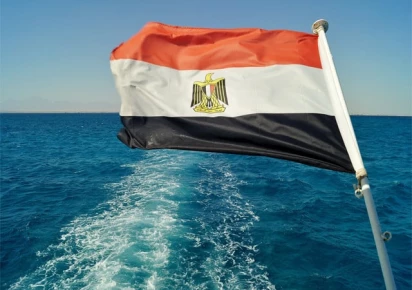
    Egypt could become the next country to join the Makkah Joint Defence Agreement signed by Pakistan, Türkiye and Saudi Arabia, Turkish Foreign Minister Hakan Fidan has said. Fidan said the defence pact is broadly comparable to NATO’s mutual defence principle. He stressed that the agreement is not aimed at Iran or any other country. According to the Turkish foreign minister, the pact is designed to provide a framework for the three countries to support each other’s security. He said the member states would consult each other in the event of an attack. They would then determine the nature and level of assistance required. Fidan said Türkiye’s President Recep Tayyip Erdogan wants the alliance to expand beyond its three founding members. Egypt is among the countries being considered for possible membership. He said some technical issues would need to be resolved before Egypt could join the arrangement. Fidan explained that the alliance would begin with Pakistan, Türkiye and Saudi Arabia. He said the members intended to take gradual but practical steps to build the new security framework. A ministerial committee similar to structures used within NATO is also expected to be established. The alliance will also have a general secretariat based in Saudi Arabia. Further operational details are expected to be discussed during the first meeting of the proposed committee. Fidan said the agreement was the result of negotiations that had continued for more than two years. He also stressed that the new arrangement would not replace existing military alliances. The Turkish minister said the pact was intended to strengthen regional cooperation. He said it could eventually bring more countries together under a common security framework. Meanwhile, the Organisation of Islamic Cooperation welcomed the signing of the agreement. OIC Secretary General Hissein Brahim Taha expressed strong support for the pact. He described it as an important strategic development for regional and international cooperation. Taha said the agreement could contribute to security and stability across the region and the wider Muslim world. He also praised the leadership of Pakistan, Türkiye and Saudi Arabia. He said their efforts had resulted in what he described as a historic agreement. The pact was signed on Friday during a trilateral summit in Makkah. Turkish President Recep Tayyip Erdogan, Saudi Crown Prince Mohammed bin Salman and Prime Minister Shehbaz Sharif signed the agreement at Al-Safa Palace. Under the agreement, the three countries have committed to strengthening defence cooperation and collective security. The pact also seeks to promote peace, stability and prosperity. Officials said the agreement is not directed against any country. They said it is based on a shared approach to security and burden-sharing. The agreement also establishes a collective deterrence principle. An armed attack against any one of the three member states will be treated as an attack against all three.

Leave a Reply

Your email address will not be published. Required fields are marked *