star anise tea

Star Anise tea benefits you should know

Star anise is a popular spice used to add a rich smell and flavor to food.  It contains nutrients such as vitamins A, C and B vitamins, along with minerals like calcium and phosphorus.

It can be used whole as a powder or in spice mixes. Some people also make tea from star anise and believe it may offer several health benefits.

How to make star Anise tea

Add one or two star anise pods to two cups of water. Boil the water until its color changes then cook it for about five more minutes. Strain the tea and drink it while warm.

May help with breathing

Star anise tea is traditionally used by some people when they have a blocked nose or mild breathing discomfort caused by dust and other particles.  Drinking a warm cup may help provide comfort.

Hormonal health

Some people also use star anise tea for hormonal balance especially among women. It is sometimes recommended in the morning but people with diabetes should avoid adding sugar.

Joint discomfort

Star anise tea is also used traditionally for joint pain and discomfort.  However there is not enough strong evidence to consider it a replacement for medical treatment.

May soothe burning sensations

Some people drink warm star anise tea before bed when they experience burning or discomfort in their hands and feet.  It may provide a soothing effect but more research is needed.

Star anise tea should not be considered a cure for any disease. If symptoms are severe frequent or continue for a long time, it is better to consult a doctor.

Similar Posts

  • Too much TV may speed up brain aging

    Spending long hours  watching television may be harmful to your brain over time according to a new study from the United States. Researchers at the University of Southern California found that people who spent more time in front of the TV were more likely to develop brain changes linked to aging and memory problems. The study included more than 1,700 adults with an average age of 53. Participants reported how many hours they watched TV each day. Researchers also performed MRI brain scans at the start of the study and again about 20 years later. After following the participants for more than two decades the researchers found that those who watched the most TV showed greater brain changes associated with aging stroke cognitive decline and dementia. The study also found that these individuals had a smaller volume in brain areas responsible for memory thinking and visual processing compared to people who watched less television. However the researchers noted that not all sitting activities affect the brain in the same way. They said the type of activity matters. Sitting while working reading or doing mentally engaging tasks did not show the same level of negative brain changes as spending long hours watching TV. The researchers explained that people spend nearly half of their waking hours sitting making it important to understand how different activities affect brain health. They also noted that women often combine TV watching with household chores while men are more likely to sit continuously and watch television for long periods. In today’s world many people also use multiple screens at the same time which may further increase the effects of a sedentary lifestyle. The researchers stressed that the study does not prove that watching TV directly causes brain decline. The findings are based on participants’ self reported habits so more research is needed to confirm the link.

  • Hair dye after Cancer treatment

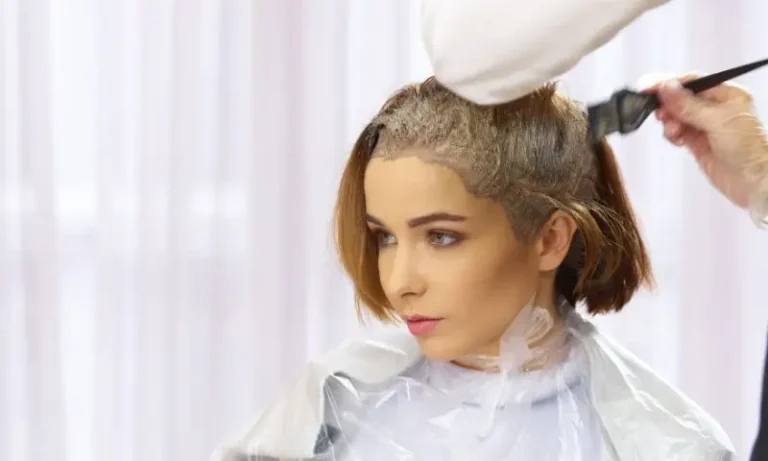
    For many cancer survivors seeing their hair grow back is more than a cosmetic change. It is a sign of recovery and a return to normal life. As new hair appears many people want to cover gray hair or try a new color. However health experts say it is important not to rush into using hair dye. Chemotherapy and radiation are designed to destroy fast growing cancer cells but they also affect healthy hair follicles. This is why many patients lose their hair during treatment. When hair grows back it is often thinner softer, drier and more sensitive than before. The scalp may also remain delicate for several months. Doctors warn that using permanent hair dye too soon after treatment can irritate the scalp cause allergic reactions and damage new hair. It may also slow healthy hair growth while the scalp is still healing. Several studies have looked at the possible risks of hair dye. A large study by the US National Institute of Environmental Health Sciences involving more than 46,000 women found that frequent use of permanent hair dye and chemical hair straighteners was linked to a slightly higher risk of certain types of breast cancer. Another long term study by the Harvard T.H. Chan School of Public Health, which followed more than 117,000 women over 36 years found that hair dye did not increase the risk of most cancers. However long term use of permanent dyes was linked to a small increase in the risk of some types of breast skin and ovarian cancers. Experts advise cancer survivors to carefully read the ingredients before buying any hair dye. Chemicals such as PPD (para-phenylenediamine), ammonia, hydrogen peroxide parabens, and phthalates may be harmful to sensitive skin and newly grown hair. Most doctors recommend waiting at least six months after completing chemotherapy before using permanent hair dye. This gives the scalp and hair enough time to recover. Patients who had scalp cooling or radiation to the head should only use hair dye after getting approval from their doctor. During the first six months after treatment experts suggest avoiding chemical hair dyes and keeping the scalp well moisturized.  Even after six months patients should speak with their oncologist before coloring their hair. Safer options include pure henna or natural herbal dyes that do not contain added chemicals. Ammonia free and peroxide-free semi permanent dyes may also be suitable.  Temporary root powders and color mascaras are another option because they wash out with shampoo. Experts also recommend doing a patch test 48 hours before using any hair color to check for allergies or skin irritation. Whenever possible choose coloring methods that reduce direct contact between the dye and the scalp. Doctors say that caring for your hair again after cancer treatment is an important step in recovery. However taking a careful approach choosing safer products and speaking with your doctor first can help protect your hair and scalp while they continue to heal.

  • A glass of fruit juice may lift your mood

    Feeling stressed, low or unhappy from time to time is common.  A recent study suggests that adding a small glass of 100% fruit juice or a fruit smoothie to your daily diet may help improve your mood. Researchers from Newcastle University studied 42 people who normally ate very few fruits and vegetables.  The participants were divided into groups and followed for four weeks. The researchers then looked at changes in their diet and mood. The results showed that people who added a glass of natural fruit juice to their daily diet experienced better mood and lower levels of stress. Some people worry that fruit juice contains natural sugar and may be unhealthy. However during this short study researchers did not find any harmful effects on the participants physical health. Researcher Courtney Neal said that eating several portions of fruits and vegetables every day can be difficult for some people.  Having a small glass of 100% fruit juice or a smoothie can be an easy way to add more nutrients to the diet. Newcastle University lecturer oliver Shannon said the results were encouraging but more research is needed especially among people dealing with mental health problems. However this does not mean people should start drinking large amounts of juice. The study focused on small amounts of 100% fruit juice or smoothies while eating whole fruits and vegetables remains important. Experts also stress that depression is a complex mental health condition.  Fruit juice should not be considered a treatment for depression. Anyone experiencing long lasting sadness stress or loss of interest in daily life should speak with a doctor or mental health professional.

  • Danger signs your air conditioner needs repair

    As temperatures rise many people buy old or low cost air conditioners to save money. However experts warn that aging AC units can become dangerous if problems are ignored.  Small faults may turn into serious issues including electrical short circuits fires or costly damage. According to experts older air conditioners often develop worn out wiring damaged electrical parts faulty motors and overheating. These problems may seem minor at first but can become dangerous if they are not repaired in time. One of the biggest warning signs is a burning smell or the odor of melted plastic when the AC is switched on.  Experts say this could mean the internal wiring motor or insulation has been damaged increasing the risk of fire. If this happens turn off the unit immediately and have it checked by a qualified technician. Unusual sounds such as rattling grinding or loud noises are also signs that something is wrong. These noises may be caused by a loose part a damaged fan or a compressor problem.  Ignoring them could lead to a complete system failure. If the air conditioner becomes unusually hot while running it may indicate an electrical fault inside the unit.  Overheating can increase the risk of a short circuit or fire making immediate inspection and repair important. Experts also advise not to ignore weak cooling. Reduced cooling may be caused by low refrigerant a faulty compressor or a clogged air filter.  These issues usually mean the AC needs servicing or repairs. Another serious warning sign is seeing sparks near the voltage stabilizer or electrical wires. This may indicate loose connections or damaged wiring, which can quickly become a fire hazard if not fixed. Experts recommend turning off the air conditioner immediately if you notice any of these warning signs and contacting a qualified technician for a full inspection.  Timely repairs can help prevent bigger damage and keep your home and family safe. They also advise that if an air conditioner keeps breaking down and needs frequent repairs replacing it with a newer safer and more energy efficient model may be a smarter and more cost effective choice.

  • Monsoon may increase fungal infections

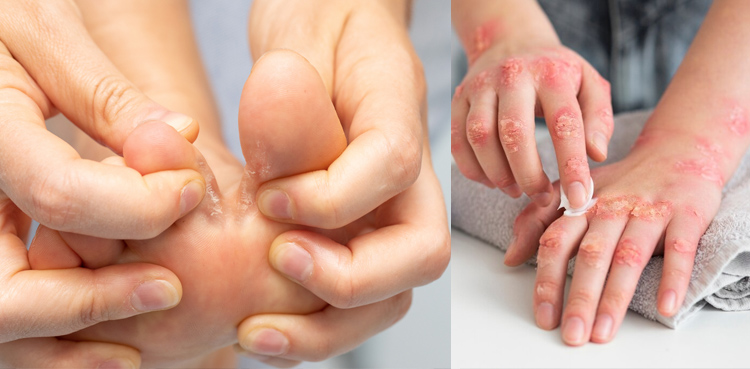
    During the monsoon season the number of people developing fungal infections between their toes often increases. Health experts say this is mainly because of extra humidity and sweat which create the perfect environment for fungus to grow. Contrary to popular belief rainwater itself does not cause fungal infections. The real problem is when the skin stays wet for a long time. Moist skin allows fungus to grow more easily. According to dermatologist people with diabetes obesity weak immune systems or excessive sweating are at a higher risk. In these individuals fungal infections may take longer to heal and are more likely to return. Fungal infections usually affect warm damp areas of the body including the armpits groin waist neck under the breasts between the fingers and toes feet and scalp. Common symptoms include itching, redness burning flaky skin and red rashes. Experts say wearing wet clothes staying in sweaty clothing for long periods using damp shoes or socks or wearing tight fitting clothes during the rainy season can greatly increase the risk of infection. Keeping the skin clean and dry is one of the best ways to prevent it. The scalp can also be affected during the monsoon. High humidity may keep the scalp damp for longer allowing fungus and bacteria to grow. This can lead to dandruff itching an oily scalp and in some cases hair loss. Doctors also warn against leaving hair wet after getting caught in the rain. It is best to rinse your hair with clean water and dry it completely to reduce the risk of scalp infections. Avoid self treatment health experts advise against buying anti itch or antifungal creams without consulting a doctor.  Some creams contain steroids that may temporarily reduce itching but can allow the fungal infection to spread further making it harder to treat later. Stopping treatment as soon as symptoms improve is another common mistake.  Doctors recommend completing the full course of medicine as prescribed to prevent the infection from coming back. Tips to prevent fungal infections •Keep your skin and scalp clean and dry. •Change sweaty clothes as soon as possible. •Avoid wearing wet shoes or socks for long periods. •Wear loose cotton clothing. Eat a balanced diet to support a healthy immune system. Do not use skin or hair creams without medical advice. Experts say early diagnosis proper treatment and good hygiene can help prevent fungal infections and reduce the chances of them returning.

  • Fake it till you break it: inside the deepfake era

    Previously, I believed that if one could see something, it could be trusted because seeing is believing. A video was proof. A voice recording was evidence. That belief is gone, and I don’t think we have fully sat with the implications. There is an abnormal shift happening. AI-generated images, voice cloning, face-swapping apps, and similar tools were supposed to expand how people express themselves, but instead they have slowly chipped away at what matters most: the belief that people can express themselves through their images and their words. I attended a workshop under the project titled “Digital Trust and Free Expression in the AI Era” at Department of Media and Development Communication, University of the Punjab, supported by the U.S. Mission to Pakistan in partnership with the Pakistan-U.S. Alumni Network (PUAN) last week. During the discussions on digital trust. I took part in the discussion and shared my thoughts that we are now in a time where we must take this out of the realm of fun tech novelty and place it in the realm of a structural issue in how societies operate. Everyone says deepfakes are a “misinformation” issue, but this is not an adequate way to describe it. Misinformation is something that’s a false statement that can, in theory, be fact-checked. Deepfakes strike at the heart of video and audio credibility which have always been treated as vivid reality. When people realize that any clip can be fabricated, they stop trusting all clips, even real ones. This is what concerns me most. Fake things are believed and real things become deniable. Consider the implications of journalism, courts, political accountability, etc. If a politician is recorded saying something damaging, they can simply claim that it’s a “deepfake” and, depending on how much trust citizen have lost, people may believe them. We are creating a society in which it is possible to negotiate authenticity and in which negotiable authenticity is a gift for those who wish to avoid consequences. I also face a conflict here: I strongly believe in free speech, satire, parody, art and provocation even with synthetic media. The same technology behind de-aged actors, resurrected voices, dubbing, and experimental AI is extremely creative, yet it is all connected to malicious deepfakes. There is no way to ‘clean’ a tool of its worst use-case. A hammer can break windows or build houses. I do not think banning synthetic media is the answer, nor do I support pre-emptive censorship. That path harms legitimate satire, journalism and art under the pretense of ‘preserving truth’. History does not look kindly on institutions that decide what is a “fair” fake. Freedom of expression has never been of consequence or friction, and right now, deepfakes have almost no friction. The reality is there is no cost, disclosure, and accountability in using this technology deceptively. The issue is the imbalance. I believe the solution is not reducing synthetic tools but improving provenance. We need a digital watermarking, which cannot be “easily removed”: cryptographic signatures embedded into cameras, microphones and generative tools at the point of creation, so that the “unverified” label appears by default, not as an afterthought. Not to prohibit any content but to allow people to know what they are seeing before deciding whether to trust it. Platforms have been allowed to operate without responsibility for too long. Convincing fakes can reach millions before correction and corrections never travel as far. This asymmetry is not natural; it is a design choice. Platforms can mark, rate or tag synthetic content at the time of dissemination. Most simply haven’t had to! But, beyond platforms, we must change our own instincts as individuals. The old saying was “pics or it didn’t happen.” The new rule should be: “Who gains from believing this and can I verify it myself? A society that believes everything or worse, believes nothing is in danger. The deepfake age is not the age of AI; it is the consequences of a world where the cost of faking reality is near zero and the cost of establishing truth remains high. Freedom of expression should protect the most challenging and profound exchange of ideas, not the production of fake consent, fake evidence, or fake people. We can have creative freedom and still expect honesty about sources. These are not competing prioritie These are not different objectives/priorities. However, if we pretend it’s a content-moderation footnote, we must make sure we are not waking up in a world where “fake it till you make it” has become ‘fake it till you break it” and by that time, it won’t be just one video or one lie that will break. It will be our fundamental ability to reach a shared understanding of reality. The views, thoughts, and opinions expressed in this blog are solely those of the author and do not necessarily reflect the official policy or position of the U.S. Mission to Pakistan or USEFP/PUAN. The writer, Mahnoor Ashraf Wattoo, is a student of Media and Development Communication at University of the Punjab, Lahore 

Leave a Reply

Your email address will not be published. Required fields are marked *