trump threatens declare
|

Trump threatens to declare Strait of Hormuz US territory amid ongoing Iran conflict

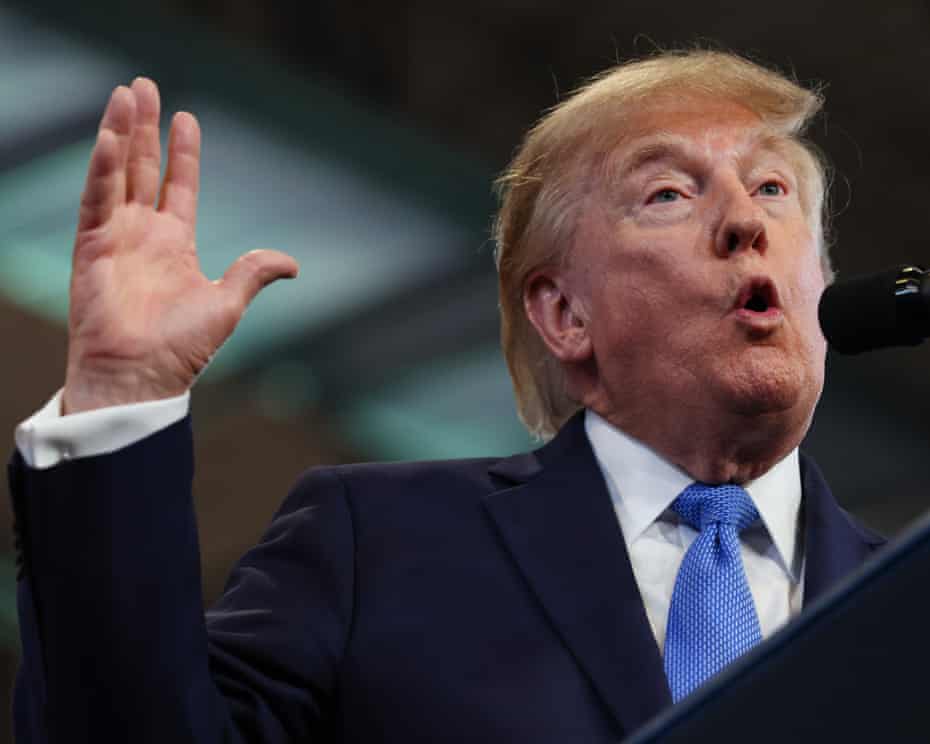
US President Donald Trump has threatened to declare the Strait of Hormuz a US territory as his administration struggles to conclude the war with Iran nearly six months into the conflict. Speaking during a speech at a police academy on Long Island, New York, Trump stated that he would soon designate the strategic waterway as US territory, pointing to the ongoing American blockade of Iranian shipping and ports as justification.

The Strait of Hormuz serves as a crucial chokepoint for global trade, through which approximately a fifth of the world’s seaborne oil supplies typically pass, and it remains an internationally navigable strait bordered by Iran and Oman. Responding to the statements on social media, Iranian Deputy Foreign Minister Kazem Gharibabadi rejected the claims, asserting that Tehran would not be intimidated by threats or a show of force, and maintaining that the opening or closing of the strait remains strictly under Iranian authority.

The ongoing conflict has driven a sharp rise in global fuel prices, forcing working Americans to pay significantly more at the pump. Trump defended the higher costs during his address, arguing that paying extra for gasoline is acceptable to prevent Iran from acquiring nuclear weapons. Meanwhile, peace talks between the two nations remain at an impasse, with Tehran steadfastly refusing to reopen the waterway unless the US completely lifts sanctions, compensates Iran for war damage, and unconditionally releases its frozen assets.

Similar Posts

  • | |

    Gold prices surge in global and Pakistan markets

    Karachi: Gold prices witnessed a significant increase in both international and local markets on Tuesday, driven by strong gains in the global bullion market. The latest surge pushed gold to new record levels, impacting precious metal prices across Pakistan. According to market data, the international bullion market recorded a $47 increase per ounce, taking the global gold price to $4,068 per ounce. The sharp rise reflects continued investor demand for safe-haven assets amid global economic uncertainty and market volatility. Following the upward trend in international markets, Pakistan’s local bullion market also experienced a notable jump in gold prices. The price of 24-karat gold per tola increased by Rs4,700, reaching Rs429,236. The increase marks one of the most significant single-day gains in recent weeks. Similarly, the price of 10 grams of 24-karat gold climbed by Rs4,029, bringing the new rate to Rs368,000. The latest price hike is expected to affect jewelry buyers and investors, as demand for gold typically fluctuates with changes in international market trends. Silver prices also followed the upward trajectory. The price of silver per tola increased by Rs219, reaching Rs6,396, while the price of 10 grams of silver rose by Rs188 to Rs5,483. Experts believe that local precious metal prices will continue to remain closely linked to international bullion market movements and fluctuations in the exchange rate. Any further increase in global gold prices or changes in economic conditions could lead to additional price adjustments in Pakistan’s bullion market. Investors and consumers are advised to monitor daily gold and silver rates before making purchasing or investment decisions, as prices remain highly sensitive to global economic developments and market sentiment.

  • |

    Abu Dhabi T10 League faces big changes after scandals

    The Abu Dhabi T10 League is preparing for a major transformation as it heads towards its 10th season, with new ownership and stronger institutional oversight expected to reshape the tournament following a series of controversies. The league, launched in 2017 as the world’s first major T10 cricket competition, has attracted international players and significant attention for its fast-paced format. However, allegations and investigations linked to corruption, payment disputes involving players and frequent changes in franchise ownership have affected its reputation in recent years. In response to these challenges, the Abu Dhabi government has taken a more direct role in the competition. Through the Abu Dhabi Cricket and Sports Hub, the government has acquired a majority stake in the league, a move aimed at bringing greater stability and long-term planning to the tournament. The authorities are now seeking new franchise owners through a competitive bidding process being conducted under the supervision of Deloitte. Final offers are expected to be submitted later this week, potentially marking a new chapter for the league. Abu Dhabi Sports Council chief executive Matt Boucher said the focus is on creating institutional stability and establishing longer-term agreements with franchise owners. The move is expected to provide teams with greater certainty while helping the competition strengthen its commercial and sporting foundations. Despite the planned restructuring, officials have indicated that the league will retain its current eight-team format. There are no immediate plans to increase the number of franchises, while expansion over the next three years is also not considered a priority. With fresh ownership, tighter management and a focus on stability, the Abu Dhabi T10 League now hopes to rebuild its credibility and establish itself as a sustainable annual cricket competition in the region.

  • | |

    Modi unveils free coaching and AI training plan to…

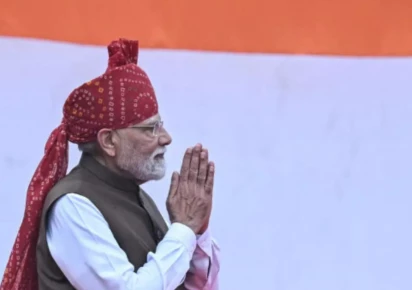
    NEW DELHI: Indian Prime Minister Narendra Modi has announced a major education and skills initiative aimed at addressing growing concerns among young people over employment, competitive exams and the rising cost of education. Speaking at India’s Independence Day ceremony at the Red Fort, Modi said the government would offer free online coaching for a range of competitive examinations. He said the programme would help reduce the financial pressure on families whose children spend years preparing for highly competitive entrance and recruitment tests. The announcement follows nationwide youth protests sparked by allegations of examination paper leaks and recruitment irregularities. The demonstrations intensified pressure on the government and contributed to the resignation of Education Minister Dharmendra Pradhan last month. Modi also announced an ambitious artificial intelligence skills programme, saying 10 million young Indians would receive AI-related training over the next year. The government hopes the initiative will equip young people with skills needed in a rapidly changing job market. India’s competitive education system has created a large private coaching industry, with many families spending heavily on preparation courses. Modi said free digital coaching would allow students to remain with their families while reducing the financial burden associated with preparation. During his speech, Modi also outlined a broader seven-point development and reform agenda covering manufacturing, agriculture, technology, defence and sectors linked to India’s cultural influence. He reiterated his goal of transforming India into a developed economy within the next two decades. The prime minister also announced plans for additional semiconductor facilities and nuclear reactors, with the government seeking to expand domestic manufacturing and energy capacity. Modi said India’s young population would be central to achieving the country’s development ambitions, describing youth as the biggest potential beneficiaries of a more prosperous and developed India.

  • |

    Pralhad Joshi named India’s new education minister

    India’s Union Minister for Food and Consumer Affairs Pralhad Joshi has been given the additional responsibility of the Education Ministry. The development comes after the resignation of Dharmendra Pradhan. His resignation was accepted by the Indian president, according to an official notification. The notification also confirmed Joshi’s appointment to the additional portfolio. He will continue to handle his existing responsibilities while overseeing the Education Ministry. Speaking to journalists after the appointment, Joshi said he accepted the new responsibility with humility and a strong sense of duty. He thanked Prime Minister Narendra Modi for placing his trust in him. Joshi also praised the Modi government’s performance during its 12 years in power. He said the government had achieved several important milestones during this period. He added that the education sector had also witnessed major developments. Joshi acknowledged the work carried out by Pradhan during his tenure as education minister. He said Pradhan had played an important role in implementing India’s National Education Policy. According to Joshi, several significant initiatives were introduced during the previous four to five years. He also said India had made considerable progress in moving towards a new education system. Joshi pledged to carry out his new duties with dedication. He said he would use his abilities to fulfil the responsibilities assigned to him. The change at the Education Ministry follows weeks of student protests across India. The demonstrations were linked to allegations of examination paper leaks and irregularities. Students had demanded action from the authorities and greater accountability within the education system. Pradhan submitted his resignation on the 35th day of the protests. The 57-year-old minister stepped down as pressure continued to grow over the controversy. The protests were largely driven by young people. Their campaign gained significant attention through social media and public demonstrations. Pradhan’s resignation was subsequently welcomed by the protesters, who had made his removal one of their major demands. The leadership change now places Joshi at the centre of efforts to address the concerns surrounding India’s education and examination system. His immediate responsibilities are expected to include overseeing the ministry’s ongoing programmes and ensuring continuity in the implementation of education policies. The new minister will also face pressure to respond to concerns raised by students over examination procedures, transparency and accountability.

  • | |

    US appeals court allows thousands of social media …

    SAN FRANCISCO: A US appeals court has cleared the way for thousands of lawsuits against major social media companies, including Meta Platforms, Google parent Alphabet, TikTok owner ByteDance and Snap, rejecting an attempt by the technology firms to use federal online protections to halt litigation over allegations that their platforms are deliberately designed to keep young users hooked. The ruling was issued Monday by the 9th US Circuit Court of Appeals, which declined to immediately consider an appeal filed by Meta and TikTok challenging a lower court decision that had allowed more than 3,000 lawsuits to continue in federal court. The lawsuits, brought by parents, children, school districts, local governments and state authorities, accuse social media companies of designing products and features that encourage excessive use among children and teenagers. Plaintiffs argue that the companies were aware of potential risks associated with prolonged social media use but failed to adequately protect young users or warn families about those risks. At the center of the companies’ legal argument is Section 230 of the Communications Decency Act of 1996. The law generally protects online platforms from being held liable for content created and posted by their users. Meta and TikTok argued that the protection should also prevent lawsuits alleging that the companies failed to warn users about the allegedly addictive characteristics of their platforms. However, the appeals court determined that the companies had sought appellate review too soon. The court said Section 230 provides a defense against liability but does not give companies immunity from having to defend themselves in litigation. As a result, the companies cannot use the current appeal to stop the cases from proceeding through the lower courts. Meta’s attempt to delay multistate trial rejected The appeals court also rejected Meta’s request to postpone a major trial involving 29 US states. The case, brought by state attorneys general, accuses Meta of unlawfully collecting and using information relating to children, designing its platforms to encourage young users to remain engaged for extended periods and making misleading statements concerning the safety of its services. Meta had sought to delay the trial while its appeal concerning Section 230 was pending. The court rejected that request, meaning the proceedings can move forward as scheduled. The development represents another significant legal challenge for Meta, which has faced growing scrutiny from regulators, lawmakers and families over the impact of its platforms on children and teenagers. A Meta spokesperson declined to comment on the appeals court’s decision. TikTok representatives did not immediately respond to requests for comment. Lawyers say trials could reveal what companies knew Attorneys representing thousands of individuals and school districts involved in the federal litigation welcomed the ruling. Lawyers Lexi Hazam and Previn Warren said the decision would allow the multistate case to proceed and would also clear the path for a separate trial involving school districts that is scheduled for February. The attorneys said court proceedings could provide the public with evidence about what social media companies knew regarding the potential effects of their products on children, when they became aware of those concerns and how they responded. The lawsuits have become part of a much broader legal battle in the United States over the responsibilities of technology companies toward minors. Plaintiffs contend that social media platforms can contribute to serious problems among young people, including anxiety, depression, eating disorders and concerns about body image. They argue that companies intentionally use features such as recommendation algorithms, notifications and engagement mechanisms to encourage repeated and prolonged use. The technology companies have generally denied allegations that they deliberately designed their platforms to harm children. Thousands of cases consolidated The federal lawsuits have been centralized before US District Judge Yvonne Gonzalez Rogers in Oakland, California. The cases involve claims brought by a wide range of plaintiffs, including families, school districts, municipalities and state governments. They seek financial damages, penalties and other forms of relief from the technology companies. Meta and TikTok previously appealed rulings issued by Judge Rogers in 2023 and 2024 that largely permitted the litigation to continue. The companies also face hundreds of similar cases in state courts. Around 3,300 related cases have been consolidated in California state court, underscoring the scale of the legal challenge confronting the social media industry. Jury verdict adds pressure on technology companies The latest appeals court decision comes after several significant courtroom developments involving the alleged impact of social media on young users. In March, a Los Angeles jury found Meta and Google negligent in connection with claims that their social media products were designed in ways that could harm young people. The jury awarded $6 million to a young woman who said she became addicted to Instagram and YouTube after using the services as a child. The verdict was closely watched because it represented an early test of how juries may respond to similar allegations against major technology companies. Meta and Google have denied wrongdoing in the case and said they intend to appeal. New Mexico ruling increases scrutiny Meta has also suffered a major legal setback in New Mexico. A judge in the state recently ruled that the company had created a public nuisance and ordered it to pay $567 million into a fund intended to support teen mental-health initiatives, while also requiring the company to implement additional measures aimed at protecting young users. The New Mexico proceedings followed an earlier stage of litigation in which a jury found that Meta had misled consumers about the safety of its platforms and ordered the company to pay $375 million. Meta has rejected the allegations and indicated that it will challenge the findings through the appeals process. The growing number of lawsuits reflects increasing pressure on social media companies in the United States to explain how their platforms are developed, marketed and operated for younger audiences. The latest 9th Circuit decision does not resolve whether Meta, Google, TikTok or Snap will ultimately be held liable. Instead, it allows the underlying lawsuits to continue, potentially setting the

  • | |

    Sindh orders three-year appointment of Qaim Ali Sh…

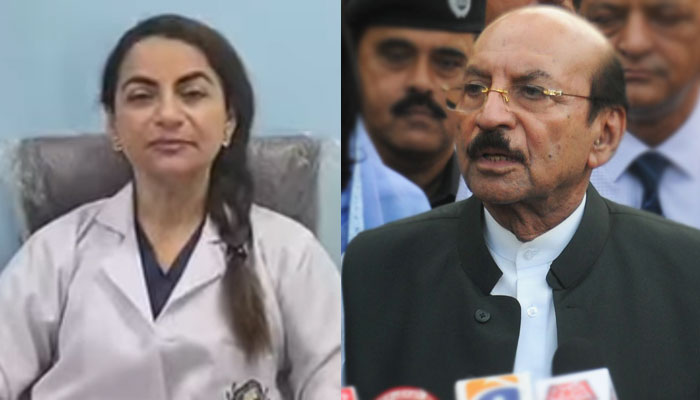
    The Sindh government has directed Jinnah Sindh Medical University (JSMU) to take immediate steps for the three-year appointment of Professor Dr Nighat Shah, daughter of former Sindh chief minister Qaim Ali Shah, just one day before her scheduled retirement. The directive was issued following a decision of the Sindh Cabinet. Secretary of the Boards and Universities Department Abbas Baloch has also issued a formal notification in this regard. According to the notification, the provincial cabinet discussed the matter during its meeting held on August 5 under agenda item 16. The cabinet cited the broader public interest, continuity of specialised medical services, academic leadership, postgraduate medical education, research, innovation and institutional standards as reasons for considering the appointment. The notification initially states that the vice chancellor should consider appointing Dr Nighat Shah as a professor for three years. However, it subsequently directs the university administration to take immediate steps to process her three-year appointment. The university has also been instructed to implement the cabinet decision without delay and submit a report on the action taken to the Boards and Universities Department on a priority basis. The appointment has raised questions because the government has referred to a notification issued by the Pakistan Medical and Dental Council (PMDC) on May 19, 2026. The PMDC had allowed public medical and dental institutions to hire retired faculty members on a purely contractual basis until the age of 65. However, the council had clarified that the policy was enabling in nature and was not mandatory for any institution. Under the PMDC policy, individual institutions were allowed to make decisions according to their requirements, rules, regulations and available resources. The PMDC notification also stated that contractual appointments of retired faculty would not create any right to permanent employment, seniority or absorption into the regular cadre. It further clarified that such appointments should not adversely affect the promotion opportunities, career progression or cadre structure of junior faculty members. The case has therefore raised questions about the need for the provincial cabinet to intervene in the appointment of a particular retired faculty member when the PMDC policy leaves the decision to individual institutions. The PMDC notification is a general policy applicable to public medical and dental institutions. It does not specifically direct any institution to appoint an individual faculty member. The proposed appointment has also triggered concerns over seniority within JSMU. Associate professors Dr Shazia Naseeb, Dr Nasreen Fatima, Dr Saba Khan, Dr Iram Majid and Dr Maimoona Rehman are reportedly among those whose seniority could be affected by Dr Nighat Shah’s appointment. The issue is likely to attract further attention because the proposed appointment comes immediately before Dr Nighat Shah’s retirement. Questions are also being raised about how the decision could affect existing faculty members and their career progression.

Leave a Reply

Your email address will not be published. Required fields are marked *