weak bureaucracy lies
| | |

Weak bureaucracy lies at heart of governance crisi…

Recent remarks by Interior Minister Mohsin Naqvi, who said that Pakistan’s governance system has “collapsed,” have once again sparked debate over the country’s administrative failures. However, the real issue goes far beyond the number of provinces or administrative units and cannot be attributed solely to a lack of political will at the highest level.

The core problem, according to the analysis, is the gradual weakening of Pakistan’s civil administrative structure, which has steadily lost its ability to govern effectively over the past several decades.

Instead of identifying this institutional failure, the minister’s comments appear to focus on the symptoms of the crisis rather than its root causes. The repeated reliance on extraordinary measures, task forces, and parallel administrative structures itself reflects the inability of the regular civil bureaucracy to perform its responsibilities efficiently.

Under the leadership of Army Staff Field Marshal Asim Munir,the military leadership has consistently emphasized economic revival, action against organized mafias, and restoring investor confidence. The establishment of the Special Investment Facilitation Council (SIFC) also emerged as a response to the inability of the civil bureaucracy to deliver timely economic solutions. However, such initiatives cannot permanently replace an efficient civilian administrative system.

The governance crisis stems from the persistent decline in the effectiveness of Pakistan’s civil bureaucracy across the federation, provinces, divisions, and districts. Political interference, weak accountability, and poor human resource management have significantly undermined its performance.

Punjab is often cited as a partial exception, where relatively limited political interference in routine administration has enabled the bureaucracy to function more effectively. This reinforces the argument that sustainable governance depends on institutional autonomy and merit-based administration rather than temporary or emergency arrangements.

Governance experts have long advocated restoring the Establishment Division at the federal level and the Services and General Administration Departments (S&GADs) in the provinces to their original role as independent institutions responsible for managing human resources. Their objective is to ensure that appointments, promotions, and career planning remain protected from political influence and external pressure.

The analysis further argues that Pakistan’s civil service should adopt a structured personnel management system similar to the military’s Military Secretary Branch at General Headquarters (GHQ), where recruitment, promotions, training, and career progression are managed through institutional discipline based on merit and performance rather than political considerations.

The military’s internal human resource management system is often regarded as organized, merit-based, and largely insulated from political interference. In contrast, the civil Establishment Division is frequently viewed as a bureaucratic office where transfers and appointments are influenced by political lobbying, personal connections, and pressure from powerful groups instead of institutional needs.

These practices have produced long-term consequences. Civil servants are often assigned to positions unrelated to their expertise, career planning remains weak or absent, and accountability mechanisms continue to be inconsistent and ineffective. As a result, governance across various sectors has suffered.

The report notes that these shortcomings have been identified repeatedly over the years. More than 20 commissions and reform committees have reviewed Pakistan’s civil service structure during the country’s history. Between 1996 and 2008 alone, at least six major studies highlighted the same concerns, including politicization of the bureaucracy, the absence of merit-based appointments, and weak institutional management of human resources. Despite these findings, most recommendations were never implemented.

Successive governments, whether civilian or military, have shown little willingness to reduce their influence over administrative appointments and transfers. Consequently, repeated attempts at civil service reform have failed to produce lasting institutional change.

The analysis concludes that Pakistan’s governance crisis is not the result of a failure to identify the problem but rather a lack of political commitment to implementing meaningful institutional reforms.

In this context, Mohsin Naqvi’s recent remarks do not fully address the deeper structural weaknesses within the state. The central issue is not merely that the system has collapsed, but that the country’s primary administrative engine—the civil bureaucracy—has been allowed to deteriorate without comprehensive reform.

The proposed solution is not the creation of additional provinces but the rebuilding of the civil administrative system on the principles of merit, protection from political interference, and professional career management comparable to the military’s administrative framework.

Similar Posts

  • |

    Ashley Callingbull calls out cultural appropriation at pageant

    Ashley Callingbull has opened up about her decision to speak out during the Miss Universe Canada 2026 pageant, saying she felt a responsibility to use her platform to raise awareness about cultural appropriation and encourage greater accountability. The 36-year-old pageant contestant became involved in a controversy after contestants Karisa Haverkamp and Jasleen Kaily were photographed wearing outfits that featured prominent elements inspired by traditional Indigenous clothing. The images sparked criticism, with concerns being raised about the use of Indigenous cultural symbols in a pageant setting. Callingbull, who is known for representing and advocating for Indigenous communities, said the situation was deeply upsetting. She explained that seeing the outfits felt disrespectful and described the incident as “a slap in the face to the Indigenous community.” Rather than remaining silent, Callingbull decided to address the issue publicly during the live pageant. She found an unexpected opportunity when she and fellow host Sonny Borelli were preparing to announce the top 20 contestants. At that moment, the teleprompter stopped working, leaving the presenters without their prepared script. Instead of simply waiting for the technical problem to be resolved, Callingbull used the unscripted moment to speak directly to the audience. She delivered a brief but powerful message, saying, “It’s 2026, we should know better.” Her comments immediately drew attention because they came during a highly visible moment of the competition. Callingbull made it clear that she wanted to use the platform to encourage people to think more carefully about cultural representation and respect. Following the controversy, Miss Universe Canada responded to the criticism and stated that causing offense, hurt or misunderstanding was never the organization’s intention. The response came amid wider discussion about cultural sensitivity and the responsibility of public events to ensure that Indigenous traditions and symbols are treated respectfully. Callingbull has since received significant support from people who appreciated her decision to speak up. She said the response has reinforced her belief that public figures can play an important role in encouraging meaningful conversations. For Callingbull, the incident was about more than a pageant or a particular outfit. She believes it was an opportunity to highlight the importance of respecting Indigenous culture and challenging behavior that may be considered inappropriate or insensitive. She hopes the situation will encourage others to find the courage to speak out when they witness something they believe is wrong. By using an unexpected moment on stage to address the controversy, Callingbull showed that even an unscripted statement can draw attention to important social issues and encourage broader conversations about respect, representation and cultural awareness.

  • |

    Zara Noor Abbas grabs attention with slimmer figure

    Pakistani actress Zara Noor Abbas has left fans surprised with her noticeably slimmer appearance and a fresh new look. The actress, who is known for her strong performances and distinctive personality, has recently been sharing pictures on social media that highlight a visible transformation in her physique and fashion style. Zara Noor Abbas enjoys a strong following among Pakistani entertainment fans, with more than 6.7 million followers on Instagram. She is married to actor Asad Siddiqui, and the couple welcomed their daughter, Noor Jahan, in 2024. Since becoming a mother, Zara has continued to remain active in the entertainment industry while also frequently sharing glimpses of her personal and professional life with her followers. The actress recently attracted considerable attention for her performance in the drama Dil Dhoondta Hai Phir Wohi. Her appearance in the project also became a topic of discussion after she gained weight for the role. While her transformation was connected to her professional work, it unfortunately exposed her to criticism and body-shaming comments on social media. However, Zara has now surprised her followers with a noticeably different appearance. In recent social media posts, the actress has been seen wearing a variety of Western-style outfits while confidently showing off her slimmer figure. Her latest pictures have sparked considerable discussion among fans, with many noticing the difference in her overall appearance and styling. The actress appears to have embraced a more confident and contemporary fashion aesthetic. Her recent looks include stylish Western outfits that complement her changed physique, while her overall presentation reflects a renewed sense of confidence. Fans have responded to Zara’s transformation with mixed reactions. Many praised her new look and complimented her fashion choices, saying that she appears stylish and confident. Others, however, pointed out that the actress had always looked beautiful and questioned why she felt the need to lose weight in the first place. Her dramatic change in appearance has also led to speculation among some social media users. A few commenters attempted to link her weight loss to Ozempic, a medication that has gained widespread attention because of its association with weight management. However, there is no confirmed information that Zara used Ozempic, and such speculation remains unverified. Despite the discussions surrounding her transformation, Zara has continued to confidently share her latest pictures with her followers. Her recent appearance has once again placed her in the spotlight, with fans closely following her evolving style and fitness journey. Whether discussing her acting, fashion choices, or personal transformation, Zara Noor Abbas continues to attract significant attention online. Her latest weight-loss transformation has generated a wide range of reactions, but the actress appears comfortable with her new look and is embracing her changing style with confidence.

  • | |

    SpaceX sets new launch record with 2 Falcon 9 miss…

    SpaceX has achieved a new launch turnaround milestone after sending two Falcon 9 rockets into orbit less than 40 minutes apart, carrying separate missions for Globalstar and the US Space Force. The first Falcon 9 blasted off from Cape Canaveral Space Force Station at 9:12pm EDT on Saturday, deploying eight Globalstar satellites to reinforce the company’s low Earth orbit network. Its first-stage booster, designated B1090, completed its 14th mission before successfully returning to Landing Zone 40 roughly eight minutes after liftoff. Just 38.5 minutes later, another Falcon 9 launched from Vandenberg Space Force Base in California, carrying the classified USSF-366 mission for the US Space Force. Details about the spacecraft’s payload were not disclosed because of the mission’s national security classification. The second rocket’s B1088 booster successfully landed on SpaceX’s droneship Of Course I Still Love You in the Pacific Ocean, marking the 650th successful Falcon booster landing and adding another milestone to the company’s rapidly expanding reusable-launch program. The Globalstar launch had originally been planned for May 17 but was postponed to allow additional preparation time for the satellites. Globalstar CEO Paul E. Jacobs described the successful launch as an important step toward maintaining and strengthening the satellite infrastructure used by the company’s customers. The latest mission also comes as Globalstar prepares for its planned acquisition by Amazon, a transaction expected to be completed in 2027. The deal is aimed at supporting Amazon Leo’s direct-to-device satellite connectivity services. Globalstar recently announced that it would pause further earnings calls and updates to its forward-looking guidance while the proposed transaction remains under consideration.

  • |

    Johnny Depp may return as Captain Jack Sparrow

    Johnny Depp fans may finally have a reason to hope for the return of one of cinema’s most recognizable characters. The actor could potentially reprise his beloved role as Captain Jack Sparrow in the sixth installment of the blockbuster Pirates of the Caribbean franchise. The possibility of Depp’s comeback has gained attention after producer Jerry Bruckheimer discussed the future of the long-running series. During an appearance at D23, the official fan club event for The Walt Disney Company, Bruckheimer revealed that discussions with Depp are taking place while work continues on a screenplay for the upcoming film. “We’re talking with Johnny, we’re working on a screenplay, and hopefully we can get this done,” Bruckheimer said, fueling speculation that Depp could once again step into the role that made Captain Jack Sparrow a global pop culture icon. Although no official casting announcement has been made, reports indicate that the sixth movie could take a different approach from its predecessors. The project is reportedly being developed with Margot Robbie’s character at the center of the story, while Depp’s Captain Jack Sparrow could appear in a supporting capacity. Such a direction would allow the franchise to introduce a fresh storyline while maintaining a connection to the original movies. Depp’s potential appearance could also provide a link between the new chapter and the earlier films that helped turn Pirates of the Caribbean into one of Hollywood’s most successful adventure franchises. The decision to refresh the series may have been influenced by the performance of the most recent installment, Pirates of the Caribbean: Dead Men Tell No Tales, which was released in 2017. The movie earned approximately $795.9 million worldwide, making it the lowest-grossing film in the franchise despite its strong global box office performance. For now, however, fans will have to wait for confirmation regarding Depp’s involvement. The sixth Pirates of the Caribbean movie remains in development, and there is currently no confirmed release date. Meanwhile, Depp has several other projects on the horizon. He is set to star in the dark fantasy film Ebenezer, portraying the classic character Ebenezer Scrooge. The movie is scheduled to arrive in theaters on November 13, 2026. The actor is also expected to appear in the action thriller Day Drinker, alongside Madelyn Cline and Penélope Cruz. The film is currently scheduled for release on March 26, 2027. If Depp ultimately returns as Captain Jack Sparrow, his appearance could become one of the most anticipated moments in the franchise’s history. While negotiations and development are still underway, the possibility of seeing the iconic pirate back on screen has already generated excitement among longtime fans.

  • |

    Indonesia central bank chief resigns suddenly

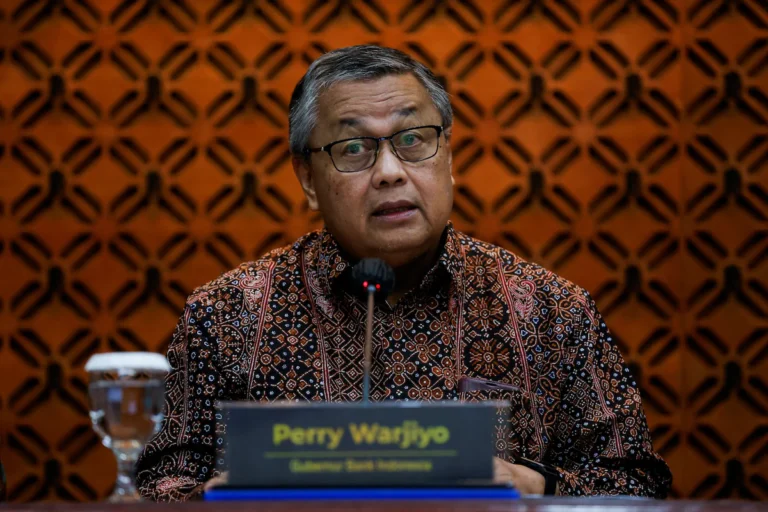
    JAKARTA: Indonesia’s central bank governor Perry Warjiyo has unexpectedly stepped down, raising concerns among investors about the future independence of monetary policy and the stability of financial markets. President Prabowo Subianto accepted Warjiyo’s resignation on Monday. The government said the governor resigned for personal reasons. Destry Damayanti, a senior deputy governor at Bank Indonesia (BI), has been appointed interim governor. She has pledged to maintain continuity and ensure that the central bank continues carrying out its responsibilities. The surprise resignation came at a sensitive time for Indonesia’s economy. Bank Indonesia has faced growing pressure to support the government’s ambitious economic growth plans. The Indonesian rupiah has also faced significant pressure. It fell to a record low in June amid concerns over fiscal management and the independence of the central bank. Following news of Warjiyo’s departure, the rupiah weakened further. It fell as much as 0.36% to around 18,000 against the US dollar. Indonesia’s main stock index also moved between gains and losses during volatile trading. Analysts warned that the sudden leadership change could unsettle investors. Some economists said concerns could increase if the next permanent governor is seen as closely aligned with the government. They stressed that Bank Indonesia’s independence is important for maintaining investor confidence and stable monetary policy. Warjiyo submitted his resignation to the president on Saturday. Officials did not provide further details about his personal reasons. Warjiyo has spent decades at Bank Indonesia. He joined the institution in 1984 and was appointed governor for the first time in 2018. He was reappointed in 2023 for another five-year term. The appointment of his permanent successor will require both presidential and parliamentary approval. The president will nominate a candidate, who will then face a parliamentary suitability review before a final decision is made. The government has not yet submitted a permanent nomination. Officials have urged investors and other market participants to remain calm during the transition. They said the selection process would be conducted transparently and would not interfere with monetary policy or financial stability. Destry said the central bank would continue working to maintain rupiah stability and protect the country’s financial system. The leadership change comes after Indonesia introduced legislative changes affecting the central bank and other independent financial regulators. The new framework gives lawmakers greater authority to issue binding recommendations to these institutions. The changes have already raised questions about the level of Bank Indonesia’s independence. Credit rating agencies have also been monitoring developments surrounding the central bank’s mandate. Moody’s and Fitch previously highlighted concerns about changes to the institution’s role when they revised Indonesia’s credit outlook to negative. S&P Global Ratings, however, maintained a stable outlook this month. It said Bank Indonesia had maintained operational independence broadly comparable with other central banks in the region. Bank Indonesia has recently taken measures to support the rupiah and attract foreign investment. It unexpectedly kept interest rates unchanged last week while introducing new incentives aimed at encouraging capital inflows. The central bank had previously raised interest rates by a total of 100 basis points since May to support the currency. The latest resignation adds another layer of uncertainty for investors as the government seeks faster economic growth. Markets will now closely watch the selection of Warjiyo’s permanent successor. Investors are expected to assess whether the new leadership can maintain monetary stability while responding to the government’s economic priorities.

  • |

    Three Pakistanis killed in Houthi attack on Red Sea commercial vessel

    At least three Pakistani nationals were killed and another sustained injuries after Houthi forces attacked a commercial vessel in the Red Sea, according to Deputy Prime Minister and Foreign Minister Ishaq Dar. The incident has raised fresh concerns over the safety of Pakistani nationals working aboard commercial ships and the wider security of one of the world’s most important maritime trade routes. Dar confirmed the deaths on Wednesday and strongly condemned the attack, saying that targeting a civilian commercial vessel posed a serious threat to maritime security and international navigation. In a statement posted on X, the deputy prime minister said Pakistan rejected attacks on non-combatant commercial shipping, warning that such incidents put innocent lives at risk and amounted to a violation of international law. He said attacks of this nature could also disrupt freedom of navigation and create further risks for international trade passing through the Red Sea. Pakistan contacts Saudi, Yemen authorities Dar said the Pakistani government was coordinating with Saudi authorities and the internationally recognised government of Yemen to establish further details surrounding the attack. He also instructed the Pakistani embassy in Riyadh to remain in close contact with the relevant authorities and take all necessary steps regarding the deceased Pakistani nationals. The embassy has been directed to facilitate the recovery and repatriation of the victims’ remains to Pakistan, while efforts are also underway to ensure that the injured Pakistani receives all possible assistance. The foreign minister said Islamabad was closely monitoring developments and would maintain contact with the concerned authorities as more information emerged. Islamabad raises concern over Red Sea security Pakistan has repeatedly expressed concern over attacks and threats against commercial shipping in the Red Sea, particularly amid growing instability across the Middle East. On July 22, the Foreign Office warned that continued threats to maritime traffic could undermine freedom of navigation, weaken the rules-based international maritime order and disrupt global commerce. The following day, Pakistan and Saudi Arabia agreed to strengthen coordination aimed at supporting regional peace and security and ensuring the continued movement of legitimate commercial shipping through the Red Sea. The understanding was reached during a telephone conversation between Prime Minister Shehbaz Sharif and Saudi Crown Prince and Prime Minister Mohammed bin Salman. During the conversation, Sharif strongly condemned Houthi attacks targeting Saudi oil tankers operating in the Red Sea and reiterated Pakistan’s concerns over the potential consequences for regional stability and international trade. Makkah defence pact adds regional dimension The latest attack also comes against the backdrop of growing security cooperation between Pakistan, Saudi Arabia and Turkiye. The three countries recently signed the Makkah Joint Defence Agreement, establishing a collective security arrangement under which an armed attack against one member would be treated as an attack against all three. Dar has described the agreement as defensive in character, stressing that its objective is to contribute to peace, stability and prosperity rather than escalate regional tensions. Naqvi visits Iran amid diplomatic efforts The latest Red Sea incident occurred as Pakistan stepped up diplomatic efforts to reduce tensions in the wider Middle East. Interior Minister Mohsin Naqvi is currently in Iran, where he held meetings with Iranian President Masoud Pezeshkian and Foreign Minister Abbas Araghchi. During his meeting with Pezeshkian, Naqvi conveyed a special message from Prime Minister Shehbaz Sharif and Chief of Defence Forces and Chief of Army Staff Field Marshal Asim Munir, according to sources. Sources said Naqvi also briefed the Iranian president about the Makkah Joint Defence Agreement and discussed regional security developments. Pakistan and Qatar have been involved in diplomatic efforts to help de-escalate the conflict, which has resulted in thousands of deaths, particularly in Iran and Lebanon, following US and Israeli attacks on Iran on February 28. Shipping attacks fuel fears over global trade The latest violence comes as tensions surrounding critical maritime routes remain elevated. The United States and Houthi forces reported separate attacks involving shipping on Tuesday, adding to concerns that diplomatic efforts to end the broader Middle East conflict could face further obstacles. The Gulf of Oman and the Red Sea are strategically important waterways, with the Strait of Hormuz and the Red Sea serving as major routes for global energy and commercial shipments. Any prolonged disruption to these routes could increase transportation costs, affect energy markets and create further pressure on international supply chains. Iran has reiterated that the Strait of Hormuz will remain closed unless Washington accepts its conditions, adding to uncertainty surrounding the future of maritime traffic through the strategically vital waterway. Despite the worsening security environment, Defence Minister Khawaja Asif said on Tuesday that the United States and Iran were moving closer to a possible agreement. Speaking to Bloomberg News, Asif said recent developments suggested that negotiations could again be moving in the direction of a peace arrangement. Qatar, which has also been involved in mediation efforts, has said discussions concerning the management of maritime traffic through the Strait of Hormuz had reached an advanced stage.

Leave a Reply

Your email address will not be published. Required fields are marked *