pentagon faces shortage
| |

Pentagon faces shortage of missile defense interceptors

The US Department of Defense is facing a growing shortage of missile defense interceptors after months of sustained military operations in the Middle East, raising concerns among American defense planners about the Pentagon’s ability to maintain its current pace of operations and protect US forces in the event of another major conflict.

According to a report by Fox News, data compiled by the Center for Strategic and International Studies (CSIS) indicates that US stocks of Patriot air defense interceptors have fallen sharply. Before the recent escalation in regional conflicts, the United States reportedly held around 2,300 Patriot interceptors. That figure has now dropped to fewer than 827.

The Pentagon has also seen a significant reduction in its stockpile of interceptors used by the Terminal High Altitude Area Defense (THAAD) system. CSIS data cited in the report shows that the number of THAAD interceptors has declined from approximately 452 to fewer than 278.

The decline in these critical missile defense stocks has prompted questions about the US military’s ability to respond to multiple threats at the same time. Defense planners are particularly concerned about the possibility of a new crisis emerging in another strategic region, such as the Indo-Pacific, while American forces remain engaged in the Middle East.

CSIS has warned that rebuilding depleted interceptor inventories could take at least three years. The lengthy replenishment timeline reflects the difficulty of rapidly expanding production of sophisticated missile defense systems, which require specialized components, advanced manufacturing capabilities and extensive testing.

The shortage could create additional pressure on US military leaders as they balance the need to defend American troops and military installations overseas with the requirement to maintain sufficient reserves for future conflicts.

To address the growing gap, the Pentagon has included $18.2 billion in its broader $67 billion emergency funding request for fiscal year 2026. The proposed funds would support the replenishment of Patriot interceptors, Tomahawk cruise missiles used by the US Navy and additional interceptors for the THAAD missile defense system.

The Pentagon’s spending plans also highlight a broader effort to rebuild weapons inventories that have come under pressure from sustained military operations and rising global security demands. US defense officials have increasingly focused on expanding domestic production capacity and ensuring that the military can replace weapons at a faster rate.

According to the report, nearly half of the weapons included in the Army’s preliminary fiscal year 2027 budget requests fall into the relatively lower-cost category, with each weapon costing $600,000 or less. The approach reflects efforts to strengthen stockpiles of systems that the military can procure in larger quantities while continuing to invest in more advanced and expensive defense technologies.

The interceptor shortage underscores a wider challenge for the United States as it seeks to prepare for potential conflicts on multiple fronts. While missile defense remains a key component of US military strategy, the depletion of interceptor stocks could limit Washington’s flexibility if it faces simultaneous threats in the Middle East, Europe or the Indo-Pacific.

Defense analysts say the issue also highlights the importance of maintaining adequate reserves during prolonged conflicts. Replenishing stocks may take years, meaning decisions about the use of missile defense interceptors could become increasingly important as the Pentagon seeks to protect US personnel and strategic assets while preserving its ability to respond to future crises.

Similar Posts

  • |

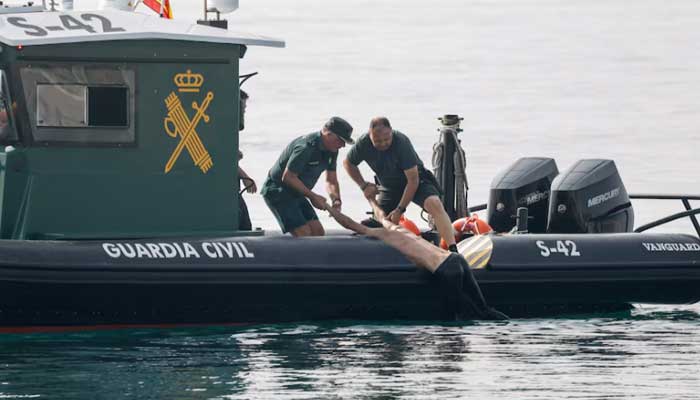
    Moroccan migrants return home after failed bid to reach Europe

    Thousands of Moroccan migrants who entered Spain’s North African enclave of Ceuta this week have begun returning home after their hopes of reaching mainland Europe faded. Many said they were driven back by hunger, exhaustion and difficult living conditions, while others claimed they faced hostility after arriving in the Spanish territory. Several returnees said they had decided to cross into Ceuta after watching viral social media videos and receiving messages from friends claiming the heavily guarded border could be breached. Believing they had a chance to build a better future in Europe, many left their jobs and travelled to the border. However, after reaching Ceuta, migrants discovered there was no clear route to mainland Spain. Many said they became stranded in the enclave with limited access to food, water and shelter. One migrant said he survived for three days by drinking only water because he could not afford food. He described the cost of basic meals as extremely high and said life in Ceuta was far more difficult than he had expected. Returning migrants also claimed that many supermarkets and shops remained closed, making it difficult to buy essential supplies. Some spent days in wet clothes after swimming across the border and struggled to find safe places to rest. Several migrants alleged they were forced to leave certain neighbourhoods by local residents, although those claims could not be independently verified. Spanish authorities confirmed that two people suffered minor injuries in separate knife attacks and said one suspect had been arrested. Officials added that no deaths linked to the incidents had been reported. The large influx also affected businesses on both sides of the border. In the Moroccan border city of Fnideq, hotels and restaurants faced staff shortages after several workers crossed into Ceuta. Some employers have already begun looking for replacement workers as many employees remain missing. Meanwhile, daily life in Ceuta has gradually started returning to normal. Cafes have reopened in parts of the city, while police continue to maintain a strong security presence. Many businesses, however, remain closed as authorities monitor the situation. Aid workers said migrant reception facilities are operating at full capacity, with thousands of people still believed to be inside the enclave awaiting assistance or decisions on their future. Local residents expressed mixed emotions over the crisis. While many admitted the sudden arrival of thousands of migrants created fear and uncertainty, others said they sympathised with the young people, arguing they had been misled by false hopes of an easier route into Europe.

  • |

    Four Pakistanis killed in shooting incident in South Africa

      JOHANNESBURG: Four Pakistani nationals were shot dead by unidentified gunmen in the Sebenza area of South Africa, according to local police. Authorities have launched an investigation into the deadly attack, which they believe appears to be a targeted killing. Police said the incident occurred on Saturday evening when the four victims were returning home. As their vehicle stopped at a traffic signal, another car approached them. According to preliminary investigations, armed assailants opened fire from both sides of the victims’ vehicle, leaving the four men with fatal gunshot wounds. All four victims died at the scene before emergency responders could provide medical assistance. Law enforcement officials quickly secured the crime scene and began collecting evidence. Police recovered multiple 9mm pistol shell casings, which are expected to play an important role in the forensic investigation. Investigators are examining the evidence to determine the type of weapons used and to identify those responsible for carrying out the attack. Police officials stated that, based on the circumstances surrounding the shooting, the incident appears to be a targeted killing rather than a random act of violence. However, authorities emphasized that the investigation is still in its early stages and that no motive has yet been officially established. Detectives are reviewing surveillance footage from nearby locations, interviewing potential witnesses, and searching for the suspects involved in the attack. The identities of the victims have not yet been officially released, and police have not confirmed whether the deceased were related or connected through business or personal activities. Authorities are working closely with relevant agencies to notify the victims’ families and gather additional information that may assist in the investigation. The tragic incident has caused concern within the Pakistani community in South Africa, where many Pakistanis are engaged in businesses such as retail, wholesale trade, and other commercial activities. Community members have expressed shock over the killings and called on local authorities to ensure a thorough investigation and bring those responsible to justice. The shooting also drew a response from Pakistan. Punjab Chief Minister Maryam Nawaz expressed deep sorrow over the deaths of the four Pakistani nationals. In a statement, she extended her heartfelt condolences to the bereaved families and prayed for strength and patience for them during this difficult time. She also expressed sympathy with the families of the victims, acknowledging the pain caused by the tragic loss. Her message reflected solidarity with the Pakistani community affected by the incident and emphasized the importance of supporting the victims’ loved ones. Meanwhile, Pakistani diplomatic officials are expected to remain in contact with South African authorities to monitor the progress of the investigation and assist the families of the deceased where necessary. Such assistance may include facilitating documentation, coordinating with local officials, and helping arrange the repatriation of the victims’ remains if requested by their families. As investigations continue, South African police have urged anyone with information about the attack to come forward. Authorities hope that witness statements, forensic evidence, and surveillance footage will help identify the attackers and determine the motive behind the shooting. The case remains under active investigation, and police have pledged to pursue all available leads to ensure that those responsible are arrested and brought before the courts. The tragic deaths of the four Pakistani nationals have once again highlighted concerns about violent crime and the safety of expatriate communities in parts of South Africa.

  • | | |

    Trump could resume Iran strikes, US senator warns

    US Republican Senator Jim Banks has warned that President Donald Trump could order fresh military strikes against Iran if Tehran does not quickly agree to end its nuclear programme and reopen the Strait of Hormuz. Speaking to Fox News, Banks said the Trump administration still prefers a diplomatic solution but expects Iran to return to negotiations and reach an agreement soon. He warned that if Iranian leaders refuse to come back to the negotiating table, the United States could resume heavy military attacks. According to Banks, the decision to delay further strikes does not represent weakness or a retreat by Washington. Instead, he said, Trump has given Tehran another opportunity to pursue a peaceful settlement and avoid further escalation. The senator also claimed that divisions exist within Iran’s leadership over how to respond to US pressure. He described the situation as a struggle between hardline military figures and elements within the ruling establishment who may favour negotiations. Banks argued that some Iranian officials now recognise the scale of America’s military capabilities and the potential consequences of continued confrontation. He said the pressure from the United States has created a situation in which parts of Iran’s leadership may be more willing to reach an agreement. The Republican senator’s remarks come amid heightened tensions over Iran’s nuclear programme and the strategic Strait of Hormuz, a vital global energy route. Any prolonged disruption in the waterway could have significant consequences for international oil supplies and global markets. Banks maintained that Washington’s objective remains to push Iran toward a deal while keeping military action as an option. His comments suggest that the Trump administration could increase military pressure if diplomatic efforts fail to produce progress in the near future.

  • |

    Investigative report reveals new human smuggling network 

      An investigative report has revealed that human smuggling networks have established a new and well-organized operation to transport undocumented migrants from the United Kingdom to mainland Europe. The report highlights how criminal groups are exploiting vulnerable migrants by offering illegal travel services, often presenting them as safe and reliable routes to European countries where migrants believe they have a better chance of obtaining legal residency. According to the investigation, smugglers charge approximately £1,000 per person to transport migrants across the English Channel from the United Kingdom to continental Europe. Those wishing to continue their journey to Spain are reportedly asked to pay an additional £500. Spain has become an attractive destination because of recent immigration policies that are widely perceived as providing greater opportunities for undocumented migrants to regularize their legal status. The report explains that these criminal organizations have adopted sophisticated marketing strategies, using social media platforms to advertise their services. Their promotional posts resemble travel packages rather than illegal migration schemes. The advertisements often feature appealing images of famous European cities such as Berlin, Paris, Rome, and other popular destinations, creating the impression of a safe and exciting journey. By using professional-looking graphics and persuasive language, smugglers attempt to gain the trust of potential clients. The investigation further states that these groups specifically target individuals whose UK visas have expired or whose immigration status is uncertain. Many of these migrants fear deportation or have exhausted legal options to remain in Britain, making them particularly vulnerable to the promises made by smugglers. Criminal networks assure them that they can avoid detection by British immigration authorities and safely reach mainland Europe. According to the report, smugglers often claim that once migrants enter the Schengen Area, they may benefit from the freedom of movement available within many European countries. Although these claims can be misleading and depend on individual legal circumstances, they are frequently used to persuade migrants to undertake dangerous and illegal journeys. In some cases, migrants are transported across different European countries using taxis and privately hired vehicles, allowing smugglers to bypass traditional border checkpoints and reduce the likelihood of interception. A major reason Spain has become a central focus of these smuggling operations is the country’s efforts to address labor shortages. The report notes that the Spanish government has introduced a broad immigration regularization program designed to grant legal status to certain undocumented migrants under specific conditions. As part of this amnesty initiative, approximately 1.2 million applications have reportedly been submitted. Of these, nearly 600,000 individuals have received renewable residence permits, allowing them to live and work legally in Spain. Human smugglers have seized upon these developments as a selling point in their advertising campaigns. They present Spain as a destination where undocumented migrants have a greater chance of securing legal residency after arrival. However, experts caution that such claims are often exaggerated or oversimplified. Eligibility for legal status depends on meeting strict legal requirements, and many migrants may not qualify despite the promises made by smugglers. The report also emphasizes the role of social media in facilitating these illegal activities. Platforms that were originally designed for communication and business promotion are increasingly being exploited by organized crime groups to recruit clients, negotiate payments, and coordinate transportation. The ease of anonymous communication and the global reach of these platforms make it easier for smugglers to expand their operations while making it more difficult for law enforcement agencies to identify and dismantle their networks. Meanwhile, the British government continues to stress that it is intensifying efforts to combat international human smuggling organizations. Officials say that law enforcement agencies on both sides of the English Channel are working closely together to investigate criminal networks, disrupt their operations, and prosecute those responsible. The government has also strengthened border surveillance and tightened immigration enforcement in an effort to discourage irregular migration and reduce opportunities for smugglers to operate. Authorities argue that stronger international cooperation is essential because these criminal organizations often operate across multiple countries, making investigations more complex. Intelligence sharing, joint operations, and improved border security are considered key elements in tackling transnational human trafficking and smuggling. Migration experts, however, believe that enforcement measures alone may not be sufficient. They argue that as long as significant differences remain between the immigration policies of European countries, human smuggling networks will continue to identify new routes and exploit legal loopholes. Criminal groups are highly adaptable and frequently alter their methods in response to changing border controls and government policies. Experts also warn that undocumented migrants remain at serious risk of exploitation throughout their journeys. Many face dangerous travel conditions, financial exploitation, deception, and abuse at the hands of smugglers. Some migrants lose large sums of money, while others become victims of forced labor or other forms of exploitation after reaching their destinations. The investigation concludes that addressing the issue of human smuggling requires a comprehensive international strategy. In addition to stronger law enforcement, governments must improve legal migration pathways, enhance cooperation on immigration policies, and increase public awareness about the risks of relying on criminal smuggling networks. Without coordinated action across Europe, experts fear that these illegal operations will continue to evolve, placing thousands of vulnerable migrants at risk while generating significant profits for organized criminal groups.

  • | |

    Renowned mountaineer Nirmal Purja among 10 killed …

    British Nepali mountaineer Nirmal Purja has died along with nine other climbers in an avalanche on Broad Peak in Pakistan, according to his expedition company. Elite Expeditions confirmed the death of the 43 year old climber on social media, saying the news came with profound sadness and heartbreak following Thursday’s avalanche. Purja, who was born in Nepal and later served in the British army, had earned global recognition for climbing the world’s 14 highest peaks in just over six months in 2019. Pakistani officials had earlier reported the recovery of the bodies of three other climbers from the same expedition, identified as American Mallory Geis, Nadhira Ahmed Abdullah Al Harthy from Oman and Pur Bahadur Gurung from Nepal. Nepal’s Prime Minister Balendra Shah also confirmed Purja’s death, saying the loss of six Nepali climbers and four foreign climbers, including world record holder Purja, in Pakistan’s Karakoram range had shocked the nation. Shah said the climbers’ courage and contributions would continue to inspire others. Naila Kiani, a spokesperson for the Alpine Club of Pakistan, which is coordinating rescue operations, told a British broadcaster that Purja had led numerous expeditions she had personally taken part in and described him as an extremely experienced and fearless climber with strong leadership skills. Kiani said the Alpine Club would only formally confirm his death once his body has been recovered, though she acknowledged rescuers fear all members of the group have died. She said search teams have spotted some bodies but have not yet been able to reach them. Rescue teams in Pakistan have been searching for the missing climbers on the world’s 12th highest peak following the avalanche, which struck the 8,047 meter summit in the Karakoram mountain range. Purja was leading the multinational climbing group at the time. Also known as Nims, Purja rose to international fame in 2019 after climbing all 14 of the world’s peaks above 8,000 meters in 189 days, breaking the previous record by more than seven years. His achievement later became the subject of a Netflix documentary titled 14 Peaks: Nothing Is Impossible. At the time of his historic climb, he described the effort as grueling but humbling, and said he hoped to show that determination, self belief and positivity could make anything possible. Purja served in the British military for 16 years, including a decade in the special forces, and received an MBE from the late Queen in 2018 in recognition of his extreme high altitude mountaineering achievements. He lived in Hampshire in southern England with his wife and three year old daughter, and was also known as the first Gurkha soldier to climb Everest while still serving in the British military. In his final social media post, shared on Monday, Purja wrote that he had not originally planned to climb Broad Peak. He said his trip had initially been focused solely on Gasherbrum II, another peak in the Karakoram range, but that he realized shortly before departing for Pakistan that summiting Broad Peak as well would leave him needing just one more mountain to become the first person in history to climb all 14 peaks above 8,000 meters twice without supplemental oxygen. He described the added goal as something that emerged unexpectedly rather than as part of a plan, writing that opportunities tend to present themselves quietly to those already putting in the work. He added that he was asking Broad Peak for nothing more than safe passage up and back down, saying he never took any mountain for granted. Broad Peak is widely regarded as one of the more difficult peaks for climbers to summit. The mountain was first successfully climbed in 1957 by an Austrian expedition, and while many climbers have reached its summit since then, dozens have died attempting the ascent. One of its deadliest recorded years was 2013, when at least six climbers lost their lives on the mountain.

  • | | | |

    US, Saudi forces strike Iran allies in Iraq

    The conflict involving Iran, the United States and its regional allies has entered a new and more dangerous phase, with fresh military strikes reported across the Middle East. US and Saudi forces carried out coordinated airstrikes against Iran-aligned armed groups in eastern Iraq, according to US Central Command (CENTCOM). The operation came after a series of drone attacks that Washington and Riyadh attributed to groups linked to Iran’s Islamic Revolutionary Guard Corps (IRGC). CENTCOM said American and Saudi fighter jets targeted weapons and logistics facilities used by the armed groups. The US military claimed the groups had carried out more than 30 IRGC-directed drone attacks in recent days, including strikes targeting Saudi energy infrastructure. Saudi Arabia also confirmed the operation, saying its forces acted alongside CENTCOM after drones were launched from Iraqi territory toward petroleum facilities in the kingdom’s Eastern Province and Riyadh region. Riyadh said it did not seek a wider escalation but warned that it would respond to further attacks. The latest strikes were followed by an explosion at the headquarters of Iraq’s Popular Mobilisation Forces (PMF) in Basra. The PMF is an umbrella organisation containing several armed factions, including groups closely aligned with Iran. The cause of the blast and any casualties were not immediately confirmed. Meanwhile, tensions escalated further after the US military reported that Iran had launched multiple ballistic missiles toward American military positions in Jordan. CENTCOM said the missiles were intercepted and that US forces remained on heightened alert. Iranian authorities had not immediately issued an official statement regarding the missile launches. However, an Iranian military official rejected claims that Tehran was responsible for projectiles fired toward Saudi Arabia, warning that attributing attacks on US interests to Iran could be a serious miscalculation. The developments threaten to derail diplomatic efforts aimed at containing the conflict. Iran has repeatedly warned that any attempt to restrict its control over the Strait of Hormuz could trigger a renewed military confrontation. The latest escalation also comes as US President Donald Trump met Israeli Prime Minister Benjamin Netanyahu. Their discussions reportedly focused on Iran and the possibility of renewed military action

Leave a Reply

Your email address will not be published. Required fields are marked *