saima noor8217s epic
| |

Saima Noor’s epic transformation breaks the internet

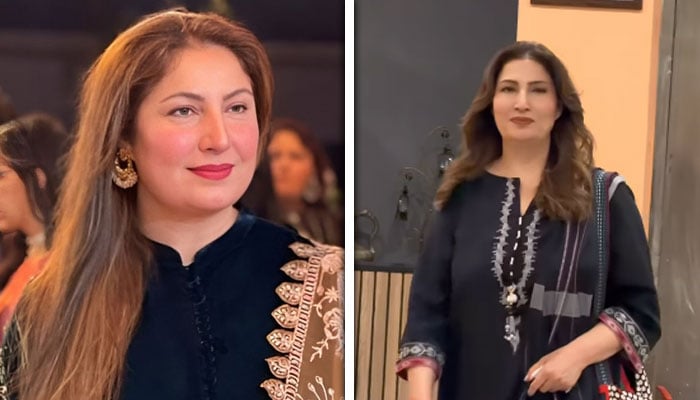
Veteran Pakistani actress Saima Noor has become the centre of attention on social media after videos showcasing her remarkable fitness transformation and youthful energy went viral.

The 58-year-old actress was seen performing intense workout routines, including squats, kettlebell swings and other strength-training exercises. Her dedication to fitness drew widespread praise from fans, who admired her stamina, strength and disciplined lifestyle.

Other viral clips also showed Saima Noor visiting a salon, where many social media users noticed her visible weight loss and refreshed appearance.

Fans described the actress as “evergreen” and applauded her youthful looks. Some users jokingly remarked that the videos appeared so impressive they looked as though they had been created using artificial intelligence (AI).

The renewed attention also brought back clips from Saima Noor’s earlier interviews, in which she spoke openly about her fitness journey and commitment to a healthy lifestyle.

The actress revealed that there was a time when she felt she had become overweight, prompting her to make significant lifestyle changes to improve her health and overall well-being.

Saima Noor said she does not follow strict or complicated diet plans. Instead, she prefers eating balanced meals in moderate portions and has incorporated intermittent fasting into her daily routine.

She credited regular exercise, mental well-being and a disciplined lifestyle for helping her regain her fitness, boost her energy levels and maintain a healthy, youthful appearance.
Similar Posts

  • |

    Israel says Hezbollah tunnel network destroyed in southern Lebanon

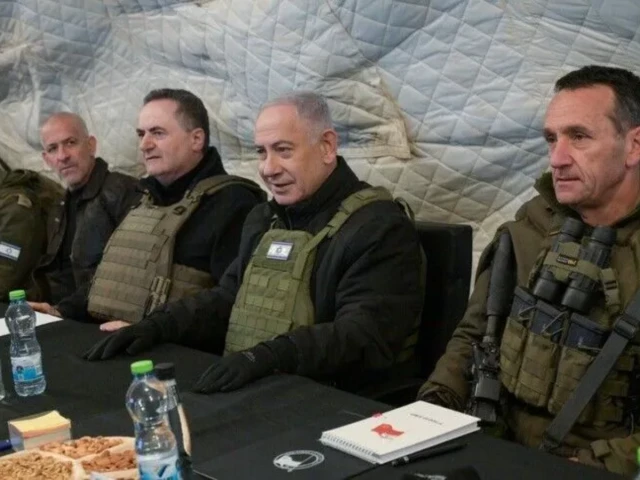
    Israeli Prime Minister Benjamin Netanyahu and Defence Minister Israel Katz announced that Israeli forces had destroyed what they described as a major Hezbollah tunnel network in southern Lebanon. According to a joint statement released on Friday, the underground tunnels in the Beaufort area were considered an important part of Hezbollah’s alleged plan to enter communities in northern Israel’s Galilee region. The Israeli government said the military used around 700 tons of explosives to demolish the tunnel system. Officials described the operation as part of Israel’s continuing efforts to eliminate Hezbollah’s military infrastructure in southern Lebanon. They claimed the action was necessary after accusing Hezbollah of violating the ceasefire agreement that had been reached between the two sides. Before the Israeli announcement, Lebanese media reported a series of powerful explosions across several locations in southern Lebanon. Blasts were heard in the town of Hadatha, around Deir Mimas near Beaufort Castle and in the area between Arnoun and Yahmar. Residents said the explosions echoed across nearby districts and caused widespread concern during the night. The military operation comes only weeks after Lebanon and Israel signed a United States backed framework agreement on June 26 aimed at reducing tensions along the border. The deal outlined a gradual withdrawal of Israeli forces from occupied Lebanese territory while the Lebanese army would expand its presence in the south and armed groups would be disarmed. Although Hezbollah was not named directly, the agreement was widely understood to include the group. As part of the first phase of the agreement, the Lebanese army began deploying forces in the town of Zawtar al Gharbiyeh on July 21 after Israeli troops pulled back from the area. The town was selected as one of the first locations for implementing the security arrangements outlined in the agreement. Despite the deal, tensions remain high. Israel continues to maintain a military presence in parts of southern Lebanon. Some of these areas have been occupied for decades while others have been under Israeli control since the conflict that took place during 2023 and 2024. Reports also indicate that Israeli forces recently advanced more than 10 kilometres into Lebanese territory during their latest operations. According to Lebanon’s Health Ministry, Israeli attacks carried out since March 2 have killed 4,333 people and injured more than 12,200 others. The figures reflect the heavy human cost of the ongoing conflict, which has continued despite diplomatic efforts to restore stability along the border. Lebanon’s National News Agency also reported that large explosions shook the southern regions of Yohmor al Chqif, Arnoun and Kfar Tebnit overnight. The blasts were so powerful that shockwaves were felt in towns far from the affected areas. In the Marjayoun district, explosions near Beaufort Castle reportedly shattered windows and damaged nearby homes in Qlayaa. Residents described strong vibrations and the smell of gunpowder spreading through the area after the blasts. The agency further reported that Israeli forces carried out heavy machine gun fire near al Mansouri and Biyout al Sayyad in the Tyre district while artillery shells struck al Mansouri. Tank movements were also reported near Baraachit hill heading towards Aainata in the Bint Jbeil district as military activity continued across southern Lebanon.

  • | |

    Nawaz Sharif looks beyond AJK: PML-N’s next poli…

    The Pakistan Muslim League-Nawaz’s victory in the Azad Jammu and Kashmir elections is more than another electoral success. It marks the return of Nawaz Sharif as the party’s undisputed political strategist and sends a clear message that his sights are now set far beyond AJK—towards the next general elections. For months, political observers questioned whether Nawaz Sharif would ever resume an active leadership role. His recent engagement has answered that question decisively. From personally chairing meetings in Murree with party ticket holders to spearheading the election campaign, Nawaz Sharif demonstrated that he remains the final authority within PML-N. The AJK result carries political significance because it is the first major electoral victory under his renewed leadership. It has strengthened his position within the party while boosting the morale of PML-N workers who have long awaited his full return to frontline politics. One defining feature of Nawaz Sharif’s political career has been his ability to think several moves ahead. Those who have closely followed his journey know he rarely makes impulsive decisions. Instead, he carefully plans, builds consensus and prepares the ground long before the political battle begins. Having observed Nawaz Sharif’s politics closely over the past two decades, including during his years in London, I have found that patience and long-term planning remain his greatest political strengths. Today, Nawaz Sharif is supported by two of the strongest pillars within the party. Prime Minister Muhammad Shehbaz Sharif continues to lead the federal government at a time when Pakistan has emerged from severe economic challenges. His government has worked to restore macroeconomic stability, rebuild investor confidence and improve Pakistan’s international standing. Equally important has been his unwavering loyalty to his elder brother. Throughout decades of political highs and lows, Shehbaz Sharif has stood firmly beside Nawaz Sharif, rejecting opportunities that could have divided the party and instead prioritising unity. Alongside him is Punjab Chief Minister Maryam Nawaz Sharif, who has evolved into the party’s most influential leader of the next generation. During PML-N’s years in opposition, she became the face of the party’s resistance, leading rallies, energising workers and keeping the party politically active during its most difficult period. Since assuming office, she has focused on governance, launching development and welfare initiatives that her supporters believe are reshaping Punjab. With Shehbaz Sharif managing the federation and Maryam Nawaz governing Punjab, Nawaz Sharif appears free to concentrate on what has always been his greatest strength—building the party organisation. His meetings with legislators, workers and local leaders suggest that organisational consolidation is now at the heart of his strategy. The AJK campaign may therefore be remembered as the beginning of a much larger political roadmap. Rather than waiting for the next general election to be announced, Nawaz Sharif appears to be rebuilding PML-N from the ground up, strengthening party structures, reconnecting with workers and preparing candidates well in advance. It is a strategy that has defined many of his previous political successes. Critics who predicted the end of Nawaz Sharif’s political career may need to revisit their assumptions. Pakistan’s political history has repeatedly shown that experienced leaders cannot be measured solely by temporary setbacks. Nawaz Sharif has returned before, and each comeback has reshaped the country’s political landscape. The message emerging after the AJK elections is unmistakable: Nawaz Sharif is looking beyond a single electoral victory. His focus is firmly fixed on preparing PML-N for the next national political contest. Whether one agrees with his politics or not, one reality is becoming increasingly clear: Nawaz Sharif is once again thinking several steps ahead. If history is any guide, that is when he has proved to be at his most politically effective.

  • | |

    Sher Afzal Marwat urges government to rethink deci…

      National Assembly Member Sher Afzal Marwat has said that the government appears to be stuck on an issue that could negatively affect its public image and political standing. Marwat said the government needed to carefully consider its decisions and avoid taking positions that could ultimately damage its reputation among the public. He emphasized that decisions involving ordinary citizens, particularly matters related to healthcare, should be approached with greater understanding and consideration.   Commenting on the issue of medical treatment, Marwat said there was nothing wrong with a patient choosing to receive treatment at a private hospital at their own expense. He argued that if an individual is willing and able to pay for medical services privately, the government should not necessarily object to that choice.   According to Marwat, people should have the freedom to decide where and how they want to receive medical treatment, particularly when they are using their own resources. He suggested that restricting such choices could create unnecessary controversy and may not serve the interests of either the government or the public.   Marwat further stressed that the government must think carefully before making decisions that could have political or social consequences. He said that authorities should assess both the immediate and long-term impact of their policies instead of becoming fixated on a single issue. His comments come amid ongoing public debate over government decisions concerning healthcare and access to medical facilities. The issue has drawn attention because healthcare remains a sensitive matter for citizens, particularly those who seek timely treatment and may prefer private hospitals because of availability, facilities, or personal choice. Marwat’s remarks also highlight the broader question of how governments should balance public-sector policies with individual rights and choices. While governments have a responsibility to regulate healthcare and ensure that citizens have access to affordable and quality treatment, individuals may also want the option of using private healthcare services when they can afford them. The lawmaker maintained that the government should adopt a practical and carefully considered approach rather than allowing political disagreements to influence decisions that directly affect citizens. In his view, policies should be designed in a way that protects public interests while also respecting individual choices. He warned that continuing to remain focused on an issue without considering its wider implications could harm the government’s political standing. According to him, the government needs to recognize how its decisions are perceived by the public and make choices accordingly. Marwat’s statement reflects growing calls for greater flexibility and careful decision-making in matters that affect ordinary people. His comments suggest that governments can avoid unnecessary criticism by taking public concerns into account and ensuring that their policies remain focused on practical solutions. The National Assembly member ultimately urged the government to reconsider its approach and make decisions after carefully examining their possible consequences. He emphasized that thoughtful policymaking is essential to maintaining public confidence and avoiding decisions that could damage the government’s image. The remarks underline the importance of balancing government policy with the rights, needs, and preferences of citizens, particularly in sensitive areas such as healthcare.

  • |

    Trump claims press and political rivals ‘devised’ the word ‘affordability’

    US President Donald Trump claimed during an address in Las Vegas that the word ‘affordability’ was invented by the press and political opponents to criticize his administration’s economic record. Speaking at the Red Rock Casino Resort and Spa, the president reflected on tax policies and economic performance, arguing that costs were coming down significantly compared to high inflation during his initial transition into office. Trump asserted that reporters began using affordability as a newly devised buzzword on his first day in office to framed cost-of-living concerns. The remarks build on earlier statements from late 2025 where Trump characterised affordability as a political narrative promoted by Democrats to downplay economic progress.

  • | |

    Mystery deepens over 2 girls’ deaths in Lahore p…

    LAHORE: The deaths of two young women in police custody have raised fresh questions after their autopsy reports revealed black spots on their lungs and blood clots in their hearts, while failing to find visible signs of physical assault or torture. The two women, identified as Amina and Anmol, died while in the custody of Lahore’s Township police. According to sources, their post-mortem examinations found no external injuries or marks suggesting physical violence. Samples of their blood and internal organs have now been sent for histopathological testing, which is expected to help establish the final cause of death. The autopsies were conducted two days after the deaths and the reports were finalised after the medical board reached a consensus. Doctors found the women’s livers, kidneys and stomachs to be in normal condition, while black spots were observed on both sets of lungs and clots were detected in their hearts. The findings have not yet provided a definitive explanation for the deaths. Authorities are waiting for the histopathology results before determining the final cause. The families of the deceased have meanwhile called for an independent and transparent investigation. Tajamul Hussain, the father of one of the women, rejected the police version that the deaths were linked to a medical condition. He questioned how both women could have suffered fatal heart problems while in custody and alleged that they were killed. Police have denied the allegations. SSP Investigation Naveed Ahmed said the women had previous criminal records and were arrested after a passerby contacted Police Emergency 15 and reported that they had allegedly snatched an earring. The officer also claimed that the women used drugs but firmly rejected allegations that they were tortured or mistreated during their detention. With the histopathology reports still awaited, the investigation is expected to focus on the women’s medical condition, their treatment while in custody and the circumstances leading up to their deaths.

  • | |

    Indian rupee hits record low against dollar

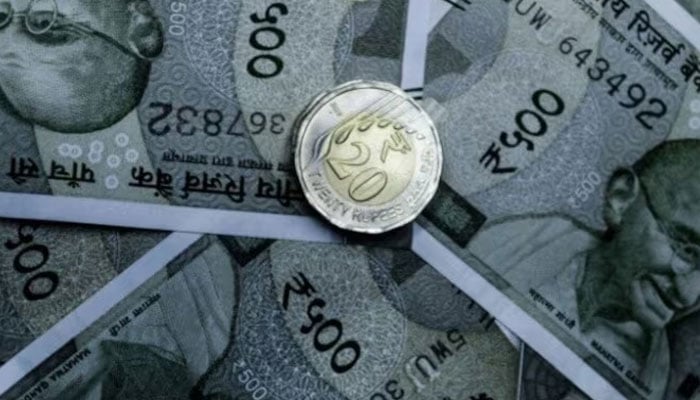
    The Indian rupee has dropped to its lowest level on record against the US dollar, highlighting increasing pressure on the country’s currency amid challenging global economic conditions. For the first time in history, one US dollar has reached the value of 97 Indian rupees, marking a new record low for the Indian currency. The latest decline reflects growing concerns over external economic pressures and weakening investor confidence. According to international reports, the Reserve Bank of India (RBI) stepped into the foreign exchange market to support the rupee and limit further losses. Central bank intervention is aimed at reducing excessive volatility and preventing sharp fluctuations in the value of the currency. The latest depreciation comes only a few months after the rupee had already reached a previous record low of 96.96 per US dollar in May 2026. The fall to 97 rupees per dollar now represents the weakest exchange rate ever recorded for the Indian currency. Economists say several factors are driving the rupee’s decline. One of the biggest reasons is the sharp rise in global crude oil prices, which has significantly increased India’s import bill. As one of the world’s largest importers of crude oil, India requires large amounts of US dollars to pay for energy imports, increasing demand for the American currency. Experts also point to the strengthening of the US dollar in international markets, continued foreign investment outflows and growing pressure from expensive imports. These factors have reduced demand for the rupee while increasing demand for dollars, causing further depreciation. Market analysts warn that a weaker rupee could increase the cost of imported goods, including fuel, machinery and industrial raw materials. Higher import costs may also contribute to inflation and raise production expenses for businesses across different sectors of the economy. Financial experts believe the Reserve Bank of India will continue monitoring developments closely and may introduce additional measures if market volatility continues. The central bank is expected to use its foreign exchange reserves and other monetary tools to stabilise the currency and restore investor confidence.

Leave a Reply

Your email address will not be published. Required fields are marked *