

samay raina reacts
|

Samay Raina reacts after India’s Got Latent episode leak

Comedian Samay Raina has appealed to fans to support creators through official platforms after a members-only bonus episode of India’s Got Latent Season 2 was leaked online just hours after its release.

The exclusive episode, which was made available only to paid YouTube members, reportedly surfaced on multiple unauthorized platforms shortly after it went live. Clips from the show, as well as the complete episode, quickly spread across social media and file-sharing websites, allowing many users to watch it without purchasing a membership.

The bonus episode features a star-studded lineup, including actor and television host Raghav Juyal, comedian and reality TV winner Munawar Faruqui, content creator Niharika NM, and comedian-writer Rohan Joshi. It was intended to be exclusive content for paying subscribers who support the show through YouTube memberships.

Following the leak, Samay Raina addressed the issue through his Instagram stories, asking viewers not to consume pirated versions of the episode. Instead, he encouraged fans to watch the content through official channels so that the creators and everyone involved in producing the show receive proper support.

In his message, Samay admitted that he understood why some people rely on piracy because he had done the same during his college years. He revealed that when he was a student and could not afford to pay for entertainment, he often downloaded movies and other content through torrent websites.

However, the comedian explained that his perspective changed after he started earning his own income. He said that now he prefers to purchase games through official platforms like Steam and watches movies and shows on legitimate streaming services because he believes creators deserve to be compensated for their work.

Speaking directly to his audience, Samay said that anyone who wants to watch the complete bonus episode can subscribe to his YouTube membership through the link available in his Instagram bio. He emphasized that purchasing a membership is the right way to access exclusive content and helps support the people behind the production.

The comedian also shared that many fans had informed him they had already watched the episode through torrent websites or Google Drive links. Responding to those messages, Samay reiterated that while he once depended on piracy due to financial limitations, he now makes a conscious effort to pay for the content he enjoys because it supports the entertainment industry and encourages creators to continue producing quality work.

The incident has once again highlighted the ongoing challenge of digital piracy faced by online creators and streaming platforms. Despite the availability of subscription-based services and exclusive memberships, leaked content continues to spread rapidly across the internet, often within hours of release.

Samay Raina’s response has drawn attention for its balanced approach, as he acknowledged his own past experiences while encouraging fans to make ethical choices if they are financially able. His message serves as a reminder that paying for official content directly supports creators, performers, editors, and production teams who invest significant time and effort into bringing entertainment to audiences.

Similar Posts

  • |

    Common mood-stabilizing drug may offer hope for Alzheimer’s disease

      Medical researchers have suggested that lithium, a widely available and inexpensive medication commonly prescribed to treat bipolar disorder and major depressive disorder, may also hold promise as a potential treatment for Alzheimer’s disease. Although the findings are encouraging, scientists stress that much more research is required before lithium can be recommended as a treatment for patients with Alzheimer’s. According to previous studies researchers found that people diagnosed with Alzheimer’s disease tend to have lower levels of lithium in their brains compared to healthy individuals. This observation led scientists to investigate whether restoring lithium levels could help protect the brain from the damage caused by the disease. To explore this possibility, researchers conducted laboratory experiments using mice genetically modified to develop Alzheimer’s disease. The study found that administering very low doses of lithium significantly improved the animals’ memory performance. In addition, the treatment reduced the harmful effects of brain cell damage that are typically associated with Alzheimer’s. These findings suggest that even small amounts of lithium may have protective effects on brain function. Scientists believe lithium works by helping to preserve the health of neurons, the specialized brain cells responsible for memory, learning, and thinking. The drug may also support communication between different regions of the brain by maintaining the connections between nerve cells. Since Alzheimer’s disease gradually destroys these connections, researchers believe lithium could potentially slow the progression of cognitive decline if administered during the early stages of the disease. Further support for this idea comes from a research paper published in the medical journal Translational Psychiatry. In the article, experts emphasized the need for more comprehensive studies to investigate the safety and effectiveness of low-dose lithium therapy for people with early-stage Alzheimer’s disease. They argued that while the initial findings are promising, larger clinical trials involving human participants are essential before any firm conclusions can be drawn. Experts from Alzheimer’s advocacy organizations have also responded cautiously to the research. Dr. Richard Oakley, Director of Research at the Alzheimer’s Society, said the findings contribute to the ongoing scientific discussion about lithium’s potential role in Alzheimer’s treatment. However, he warned that there is currently no conclusive evidence showing that lithium can prevent dementia or serve as a cure for Alzheimer’s disease. Dr. Oakley further explained that the human clinical trials conducted so far have been limited in size and scope. As a result, the available evidence is not yet strong enough to support the routine use of lithium for Alzheimer’s patients. He emphasized that larger, well-designed clinical studies are needed to determine the drug’s long-term benefits, possible side effects, and the most effective dosage. Alzheimer’s disease remains one of the world’s leading causes of dementia, affecting millions of people and placing a significant emotional and financial burden on families and healthcare systems. While current treatments can only help manage symptoms, researchers continue to search for therapies that can slow or stop the disease. If future studies confirm the benefits of low-dose lithium, this affordable and widely available medication could become an important addition to Alzheimer’s treatment. Until then, experts advise patients and caregivers not to use lithium for Alzheimer’s without medical supervision, as scientific evidence is still developing.

  • |

    Wildfire smoke drives dangerous air pollution across France and Spain

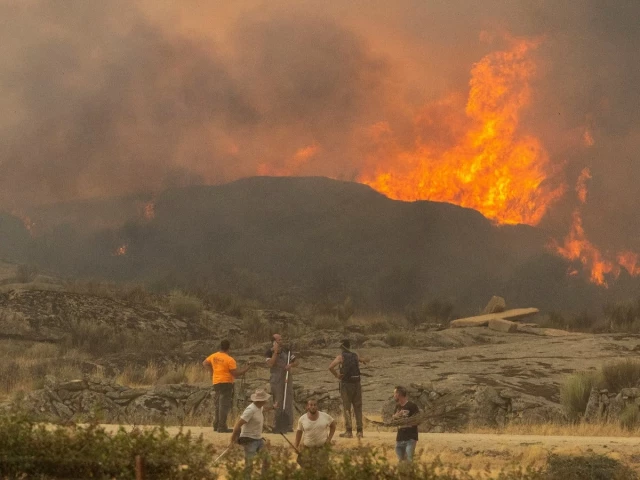
    Massive wildfires burning across France and Spain have pushed air pollution to dangerous levels, exposing millions of people to harmful smoke and raising fresh concerns about public health and climate change. Scientists say the fires have released large amounts of fine particulate matter known as PM2.5, a pollutant linked to heart disease, lung cancer and serious respiratory illnesses. Experts explained that wildfire smoke can travel hundreds of kilometres, reducing air quality far beyond the areas directly affected by the flames. They warned that prolonged exposure to high levels of PM2.5 poses a significant health risk, especially for children, older adults and people with existing medical conditions. Theodore Keeping, a climate scientist at Imperial College London, said repeated exposure to dense wildfire smoke can have serious health consequences. He noted that climate change is contributing to more frequent and intense wildfires, increasing the number of people breathing unhealthy air for extended periods. Air quality data from the European Union’s Copernicus Atmosphere Monitoring Service showed that pollution levels in the French city of Bordeaux rose sharply on July 26. PM2.5 concentrations exceeded 300 micrograms per cubic metre at their highest point, while the daily average reached around 115 micrograms. Scientists said this was nearly five times higher than the European Union’s recommended daily limit. Smoke from the fires also spread across large parts of southern France and central Spain. In Limoges, located more than 200 kilometres northeast of Bordeaux, PM2.5 levels climbed above 400 micrograms per cubic metre during the weekend. Scientists said these figures demonstrate how wildfire pollution can affect communities located far from the fires themselves. Mark Parrington, a senior scientist at the European Centre for Medium Range Weather Forecasts, said the fires are producing enormous amounts of smoke that continue to spread across the region. He explained that particles released by wildfires may become even more harmful because they mix with other chemicals in the smoke. These tiny particles can travel deep into the lungs, increasing the risk of breathing problems and other health complications. Health experts have advised people living in affected areas to follow official safety guidance. Recommended precautions include staying indoors whenever possible, keeping windows closed to prevent smoke from entering homes and wearing protective masks if outdoor travel cannot be avoided. Scientists also warned that the environmental impact of the fires extends beyond air pollution. Europe’s forests normally absorb large amounts of carbon dioxide from the atmosphere, helping to slow global warming. When forests burn, much of that stored carbon is released back into the air, adding to greenhouse gas emissions. According to data from the European Forest Fire Information System, wildfires across Europe have released around 18 million metric tons of carbon dioxide so far this year. France has recorded its highest wildfire related carbon emissions ever measured by this stage of the year. Researchers said nearly half of the European Union’s wildfire emissions for 2026 were produced during the past week alone. Although wildfire emissions currently represent only a small share of the European Union’s overall greenhouse gas output, scientists cautioned that the situation could become more serious in the future. As climate change creates hotter and drier conditions, wildfire risks are expected to expand into northern Europe, where vast forests play a major role in storing carbon. Researchers warned that increasingly destructive fire seasons could make it more difficult for European countries to achieve their long term climate goals.

  • |

    Historic post-Brexit deal eliminates Gibraltar-Spain border fence

    In a landmark shift ending decades of physical and bureaucratic division, Spain and Gibraltar have celebrated the dismantling of the land border fence following a treaty signed in Brussels. The post-Brexit agreement, taking effect at midnight, brings an end to land frontier controls and establishes Gibraltar as a de facto participant in the EU’s Schengen free-movement area. The treaty resolves over four years of complex negotiations between the United Kingdom, Spain, Gibraltar, and the European Union. Beyond removing land border gates that have stood since 1908, the accord places responsibility for Schengen passport checks at Gibraltar’s port and airport with Spanish officials, ensuring fluid transit for tourists and the roughly 15,000 Spanish cross-border workers who sustain the territory’s economy. Visiting the frontier municipality of La Línea de la Concepción to watch the physical removal of the barrier, Spanish Prime Minister Pedro Sánchez stated that the deal marks an end to “the last wall in continental Europe”, laying the groundwork for shared regional prosperity. Gibraltar’s Chief Minister, Fabian Picardo, emphasised that the historic arrangement delivers economic certainty and seamless movement while preserving the territory’s constitutional protections and British sovereignty intact.

  • | |

    DIG East Dr. Farrukh: A model of public-friendly p…

    Karachi: While addressing ABAD — the Association of Builders and Developers of Pakistan — on Wednesday, Inspector General Sindh Mr. Javed Alam Odho once again reaffirmed the commitment to resolve the Mir Raza murder case on merit and without pressure. He admitted mistakes had been made by the police department, but reassured that all measures would be taken to correct them. He also claimed that the crime rate in Karachi had dropped by 14 percent. He also urged for reforms and need of more professional training in Medico-legal system of police. But all those numbers and all those assurances fall flat in the face of one unresolved case. The fact that a builders’ association felt compelled to raise the Mir Raza issue speaks volumes. It is not ABAD’s mandate, yet its leaders did it anyway — because the mistrust between citizens and Karachi Police has grown too deep to ignore. That mistrust exists not because of a lack of competent leadership at the top, but because subordinate SSPs failed to deliver where it mattered most. A Meeting That Set the Standard  I saw this gap first-hand in my initial meeting with DIG East, Dr. Farrukh Ali Lanjhar. He came across as accessible, direct, and willing to listen — the kind of officer who says, “call me when you need me.” When I requested time from DIG East Dr. Farrukh Lanjhar for an interview, I expected a formal reply or a future date. Instead, he politely asked me to walk into his office and join him for a cup of tea. I was pleasantly surprised by the cordiality. I walked in expecting bureaucracy. What I found was courtesy, and a senior officer who was ready to resolve the issue of a female journalist without making her feel like a petitioner. Does the Police Force Lack Role Models?  The meeting was also a wake-up call. At the ASP/SP level, many officers still treat citizens as subjects of a colony and themselves as masters, not servants. I often wonder what fuels this snobbery and arrogance. Is it clearing the CSS? But given our quota system and an exam that has been reduced to testing memory and English rather than intellect or judgment, that in itself is no great achievement. If it were, every government department would be running like a multinational — either making huge profit or excelling in service delivery. Is it the training we inherited from the British Raj, designed to produce a ruling elite? Or is it the culture of imitating seniors who remain inaccessible and aloof? Yet we do have exceptions. DIG East Dr. Farrukh Lanjhar, DIG Traffic Pir Mohammad Shah, DIG CTD Capt. (R) Azfar Mahesar, DIG RRF Usman Ghani Siddiqui, DIG Amir Farooqui, SSP Qamar Jiskani, SSP Saud Magsi, SSP Zeeshan Siddiqui, and above all IG Sindh Javed Alam Odho. Within the same flawed system that all of us are part of, they choose to serve as public servants. The impression they leave is exactly what I witnessed the other day. Can’t they be role models? Because the legacy you leave either lives on or haunts you. We still remember good officers long after they retire, like former ADIG Hyderabad Range, Dr. Jameel. AIG Ameer Sheikh will be spoken of in those terms. Ten years from now, who else will be remembered with the same respect? There were many who were pharaohs of their time, but no one now remembers them with respect after they leave office. A Glimpse of Reforms in East  During our discussion, Mr. Lanjhar also spoke about the reforms he has pushed in East Zone. He said more than 1,000 personnel have been pulled out of desk pools and deployed in the field where they are actually needed. To enforce accountability, he has introduced biometric attendance to eliminate ghost employees. The zone is also moving toward an advanced facial recognition system to ensure that no one can mark false attendance and every officer on the roster is truly on duty. The Mir Raza Murder Case  When asked to comment on the Mir Raza murder case, which falls under his jurisdiction, he responded softly: “A new committee has been constituted,” he said, “and I do not wish to comment before its findings are made public.” However, he assured that he would address all queries once the committee submits its report. As we wrapped up a meeting that ran longer than expected, Dr. Farrukh Lanjhar spoke openly — about the shortcomings of the media, about his personal experiences across different districts and roles, and about the reforms needed to make police more public-friendly. Especially Thana culture, which he called the main “interface” of the police force. Before I left, he said simply: “Don’t you worry, Madam. We will remain in touch. You can call me whenever and wherever needed to resolve your issue.” It left me thinking. Often, just listening with patience to the complaint of the aggrieved party can bring down the temperature of frustration and distrust toward police. That is exactly what was missing in the initial handling of the Mir Raza murder case. The first inquiry committee, in which SSP East Zubair Sheikh was allegedly accused of incompetence and of pushing a suicide theory (by the family), failed on that count. He did not take into account the point of view of the victim’s parents. Neither he nor SSP SIU Samiullah Soomro were able to convey to the grieving family that the police were with them, and that they would do everything to ensure they got the justice they deserved. It was that simple. Had SSP East, Zubair Sheikh, treated it with the same seriousness that DIG East showed toward my complaint — on a far smaller scale — perhaps IG Sindh, Javed Alam Odho would not have had to stand before the media and accept mistakes on behalf of his force. That is why we have a full hierarchy in place. If every SSP did his job, including answering the

  • | |

    Joan Jett calls off upcoming shows over ‘health …

    Joan Jett is taking a temporary break from the stage after undergoing surgery for a fractured vertebra. The rock icon has canceled two upcoming September performances while she focuses on recovery and physical therapy. Jett’s team announced the news on Instagram Stories on Wednesday, August 5, explaining that the 67-year-old singer recently underwent orthopedic surgery following an injury. On doctors’ advice, she will now take time away from performing to allow her body to heal. (The News International⁠) Two September shows canceled The canceled performances include a September 5 show in Costa Mesa, California, and a September 24 concert in Louisville, Kentucky. Both appearances were part of Jett’s upcoming performance schedule. Her team said the decision was made to give the singer enough time for her recovery. Jett is expected to concentrate on physical therapy and rehabilitation before considering a return to the stage. (Page Six⁠) The announcement comes after an active period for Jett and her band, the Blackhearts. Earlier this summer, the group completed its first UK headline tour in 16 years, marking a major return for the legendary rock performer. Jett’s long career in rock music Jett has remained one of the most recognizable women in rock for decades. She first gained attention as a member of the all-female rock band the Runaways before launching her successful solo career. With the Blackhearts, she became known worldwide for songs including “I Love Rock ’n Roll,” “Bad Reputation” and “I Hate Myself for Loving You.” Her influence has continued across generations, earning her a reputation as one of rock music’s most enduring performers. Despite being in her late 60s, Jett has continued to tour and perform regularly. Her recent UK shows demonstrated that she remains committed to live music and connecting with audiences. Fans await her return News of the canceled shows has prompted an outpouring of support from fans, many of whom have wished Jett a smooth recovery. While her immediate performance plans have changed, the cancellation appears to be focused on giving her time to recover rather than signaling the end of her touring career. Jett’s team has indicated that she hopes to return to performing once she is ready. For now, the singer is prioritizing healing and following her doctors’ advice. After decades of touring and performing, the temporary pause gives the rock legend an opportunity to focus on her health before getting back onstage. Fans will undoubtedly be watching for further updates about her recovery and future concert plans. (Rolling Stone⁠)

  • | |

    Israel admits US jets used its bases for Iran strikes

    US and Iran tensions remain high despite a fragile ceasefire, with fresh concerns over regional security, drone attacks and the future of the Strait of Hormuz. Israeli Defence Minister Israel Katz said US aircraft had used Israeli airbases to launch strikes against Iran during the recent conflict. He said American aircraft had also used the facilities for refuelling operations before carrying out attacks. Iran, meanwhile, reported extensive damage to civilian infrastructure following the US strikes. Government spokesperson Fatemeh Mohajerani said Bushehr Airport had been severely damaged and was no longer operational. She said airports in Iranshahr, Semnan and Bandar Abbas were also affected. Mohajerani said the attacks damaged 12 bridges and two tunnels. She added that the main railway station in Bandar Abbas was among the affected infrastructure. Fishing boats, tourism businesses and other private property also suffered heavy losses. Iran also reported a significant reduction in its energy capacity. Mohajerani said the country lost around 230 million cubic metres of gas production capacity during the conflict. She also said about 350 government employees were killed during the war. The security situation around the Strait of Hormuz remains a major concern. Iranian Foreign Minister Abbas Araghchi held separate discussions with his Saudi and Omani counterparts about the waterway and wider regional developments. The officials stressed the importance of cooperation and diplomatic efforts to restore stability. Oman has reportedly proposed a regional mechanism to manage the Strait of Hormuz. The proposal would involve voluntary contributions from countries using the strategic waterway. The funds could support navigation, environmental protection and search-and-rescue operations. The plan has received backing from regional countries, according to a Gulf source. It would also prevent Iran from exercising exclusive control over the important shipping route. The Strait of Hormuz is vital to global energy markets. A significant share of the world’s oil and gas shipments passes through the waterway. Any prolonged disruption could therefore affect international energy supplies and shipping costs. The conflict has also increased tensions between Iran and neighbouring countries. Saudi Arabia said it intercepted drones targeting locations in the kingdom, including petroleum facilities. Riyadh said the drones were launched from Iraq by Iran-backed armed groups. Saudi Arabia’s claims have been rejected by an Iraqi resistance group. The group denied responsibility for attacks originating from Iraqi territory and accused Riyadh of making repeated allegations against Iraq. The Gulf Cooperation Council and Egypt condemned the reported drone attacks on Saudi Arabia. They described the incidents as a serious escalation and expressed support for Saudi Arabia’s security and sovereignty. Iran has also faced criticism over attacks involving its regional allies. A senior Yemeni official warned that the Houthis appeared to be following Iran’s approach to controlling strategic maritime routes after announcing a blockade targeting Saudi Arabia. Saudi Arabia has stepped up diplomatic contacts with regional and Western partners. Its foreign minister spoke with counterparts from Qatar, Kuwait and Britain about the security situation and efforts to contain the escalation. Russia has also commented on the widening conflict. Kremlin spokesperson Dmitry Peskov said Iran had the ability to defend its interests after a Ukrainian drone attack damaged an Iranian commercial vessel in the Caspian Sea. Peskov described the incident as another escalation and warned that the conflict could spread geographically. The Iranian vessel was reportedly carrying steel cargo when it came under attack. Despite the growing tensions, diplomatic efforts have continued. US President Donald Trump said Washington and Tehran were holding positive discussions and that a deal could still be reached. He warned, however, that US military action could resume if negotiations failed. Iran has denied reports that it formally requested negotiations with Washington. Its Foreign Ministry said messages were still being exchanged through mediators and that Tehran had not abandoned diplomacy. Jordan and the United Nations have also called for the US-Iran ceasefire to be respected. Jordanian Foreign Minister Ayman Safadi and UN Secretary-General António Guterres discussed efforts to restore calm and prevent further escalation.

Leave a Reply

Your email address will not be published. Required fields are marked *