Indian government seeks time until tomorrow afternoon
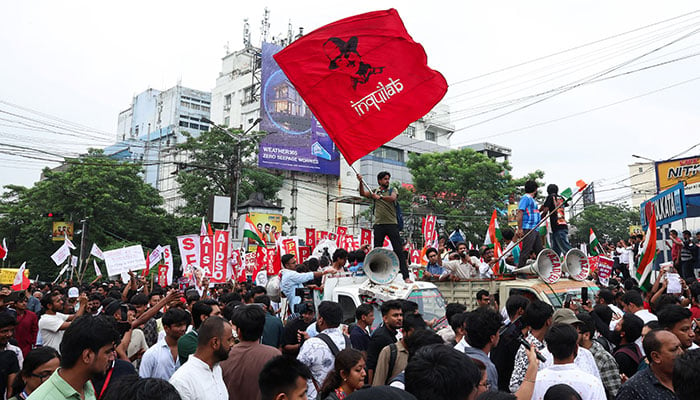
The Indian government has requested time until tomorrow afternoon to respond to the demands put forward by protesting youth, Following a meeting with government representatives, the party rejected Prime Minister Narendra Modi’s position and announced that the protests would continue until the Minister of Education resigns.
Speaking to the media after discussions with government officials, the CJP spokesperson said that the government had asked for additional time to formulate its response. However, the party made it clear that it had already informed the authorities that the resignation of the Education Minister remained its primary demand. The spokesperson warned that if the minister does not step down, the protests will intensify across the country.
“The government has sought time until tomorrow afternoon to respond,” the spokesperson said. “We have clearly conveyed that unless the Education Minister resigns, the movement will continue to grow. If there is no resignation, we will have no option but to call for nationwide demonstrations.”
The party specifically demanded the resignation of Education Minister Dharmendra Pradhan, holding him responsible for the issues that have fueled the youth-led protests. The spokesperson expressed hope that the government would take immediate action by dismissing the minister in order to ease public anger and restore confidence among students and young people.
According to the spokesperson, government representatives also indicated their willingness to address some of the protesters’ other demands. These include providing financial compensation to the families of students who allegedly died by suicide and withdrawing First Information Reports (FIRs) registered against young protesters who participated in a march held on July 20.
The announcement came as political tensions continued to rise in India. Opposition parties extended their support to the protesting youth and raised the issue in Parliament, criticizing the alleged use of force against demonstrators. Members of the opposition attempted to voice concerns over police action against students, but government lawmakers responded with loud protests and disruptions inside the House. The uproar eventually led to the suspension of parliamentary proceedings.
Meanwhile, the Chief Justice of India came under criticism after declining to view videos that allegedly showed police violence against students. Responding to the controversy, the Chief Justice explained that no constitutional petition had been formally filed before the court regarding the matter. He stated that the judiciary had only received a letter from a lawyer and that the issue could not be taken up without following the proper legal process.
In a separate development, the Indian government’s request for an urgent hearing into allegations of foreign funding behind the student protests was accepted the day after Justice Surya Kant declined to consider the videos of the alleged police action. The decision has added another dimension to the ongoing controversy, with critics questioning the differing levels of urgency applied to various aspects of the case.
The protests continue to attract widespread public attention, with demonstrators insisting that accountability, justice, and meaningful reforms are necessary before they end their movement. As the government prepares its official response, all eyes remain on whether it will address the protesters’ key demands, particularly the call for the resignation of the Education Minister, or whether the demonstrations will expand into a larger nationwide movement.