grapes could good

Grapes could be good for your joints

Joint pain affects millions of people around the world and becomes more common as people get older.

A new study from China suggests that eating grapes regularly may help support joint health.

Researchers reviewed previous studies to understand how a natural plant compound called resveratrol affects the joints.

This compound is found in grapes and berries.

For many years scientists have studied resveratrol because of its strong antioxidant and anti-inflammatory properties.

It is also believed to help protect cells and slow down the aging process. The researchers found that resveratrol may help reduce long term inflammation which is one of the main causes of joint problems such as arthritis.

Although the body does not absorb resveratrol easily and most of it is processed by the liver earlier studies suggest it may still help protect joints from damage and reduce pain.

The researchers said more studies are needed before medicines or supplements based on resveratrol can be developed.

However adding grapes and berries to your diet may be a simple way to support healthier joints as part of a balanced lifestyle.

Similar Posts

  • Rice water for hair facts vs myths

    Rice water has become one of the most popular natural hair care remedies in recent years.  Social media is full of videos claiming that it can make hair longer thicker and stronger. Many people also believe that women in countries like Korea and Japan have used rice water for healthy hair for generations. But is there real scientific evidence behind these claims? Rice water is the starchy liquid left after soaking or boiling rice. It contains small amounts of nutrients such as B vitamins vitamin E minerals antioxidants and carbohydrates that  come from the rice. These nutrients may help improve the overall condition of hair but experts say rice water should not be seen as a miracle treatment. A study published in the International Journal of Cosmetic Science in 2010 found that rice water contains a carbohydrate called inositol. This ingredient may help protect the outer layer of the hair reduce breakage and make hair feel stronger. Some research also suggests that inositol can remain on the hair even after rinsing, providing temporary protection. However scientists say there is still no strong evidence that rice water alone can make hair grow faster or cure baldness. Hair growth depends on many factors including genetics hormones nutrition overall health and lifestyle. Health experts believe rice water may help reduce hair breakage improve shine and make hair easier to manage. While it can support healthier looking hair it is not a quick solution for long hair overnight.Experts also recommend using rice water in moderation. Applying it too often may leave some people’s hair feeling dry, stiff or dull especially if their hair is sensitive to protein. Good hair health also depends on what you eat and how you care for your body. A balanced diet rich in protein, iron, zinc biotin and vitamin D along with enough water quality sleep and lower stress levels all play an important role in healthy hair growth. If you are experiencing severe hair loss scalp itching infection or rapid hair thinning it is best to consult a qualified doctor or dermatologist instead of relying only on home remedies. Overall experts say rice water can be a helpful part of a regular hair care routine but it should not be considered a guaranteed solution for faster hair growth or every hair problem. More scientific research is needed to fully understand its long term benefits.

  • |

    Pakistan names first lunar rover “Jinnah-1”

    Islamabad: The Space and Upper Atmosphere Research Commission (SUPARCO) has officially announced the name of Pakistan’s first lunar rover. According to SUPARCO, Pakistan’s first lunar rover has been named “Jinnah-1.” The name was selected from suggestions submitted through a nationwide competition. More than 4,000 proposals were received from across the country. SUPARCO stated that seven participants had suggested the name “Jinnah-1.” The winner was selected through a lucky draw and 17-year-old Tayyab Karim from Bahawalnagar was declared the winner for proposing the name. Tribute to Quaid-e-Azam The Chairman of SUPARCO said that “Jinnah-1” is a tribute to Quaid-e-Azam Muhammad Ali Jinnah. He added that the name represents Pakistan’s determination, progress and pursuit of new frontiers in space exploration. It is worth mentioning that Pakistan’s first lunar rover is scheduled to be sent to the Moon in 2029 as part of China’s Chang’e-8 mission. The Jinnah-1 rover will conduct scientific research on the Moon’s south pole.

  • Beyond Caravaggio’s shadow lies Gentileschi’s masterpiece

    In the history of European art, few paintings contain the impact of Artemisia Gentileschi’s Judith Slaying Holofernes (1612–1613), housed in the Museo di Capodimonte in Naples. This masterpiece was painted when Gentileschi was only in her late teens. The canvas captures the climatic biblical moment of the Israelite heroine Judith, assisted by her maidservant Abra, beheads the invading Assyrian general Holofernes. Later, the decapitated head was delivered to her besieged city of Bethulia. Baroque art frequently revisited the deuterocanonical story of Judith. Gentileschi’s depiction shattered the established artistic conventions of her era. Her canvas showed a powerful portrayal of female agency, solidarity, and uncompromising physical force. In earlier Renaissance and Baroque interpretations of the story, Judith was often rendered as hesitant, emotionally detached, or visibly repulsed by the act of violence. Maidservants were typically portrayed as passive observers or elderly bystanders waiting in the background. Gentileschi discarded this detached framing. And transformed the scene into a collaborative and grueling physical struggle. Abra is not merely a witness; she actively pins down Holofernes’ arms, applying her body weight to suppress his desperate struggles. Judith holds the general firmly by his hair. Her muscles taut and face composed in resolute determination as she drives the sword through his neck. The composition relies heavily on contrasting, thrusting arms that radiate outward from the central act of decapitation, pinning the viewer’s gaze directly onto the fatal fate.  Traditional/Male Views: Judith hesitant, maid as onlooker. Gentileschi’s Vision: Physical force, sisterly ccollaboration. Gentileschi created this initial version in Rome. It was shortly after enduring a highly public and harrowing trial against painter Agostino Tassi, who had raped her in 1611. During the proceedings, Artemisia was subjected to physical torture to verify her testimony. “Early feminist art historians have frequently read the canvas as a powerful statement of visual retribution and catharsis, pointing out that Gentileschi painted Judith with her own facial features while bestowing Tassi’s likeness upon Holofernes.” Stylistically, the work demonstrates Artemisia’s absorption of Caravaggio’s tenebrism. The dramatic contrast between theatrical light and suffocating shadows. However, unlike Caravaggio’s dark theatricality, Artemisia’s focus remains emotional and human. Gentileschi returned to this subject around 1620, producing a second famous version currently preserved at the Uffizi Gallery in Florence. The later Uffizi iteration features richer textiles, refined anatomical precision, and spurting arterial blood. However, the original Naples canvas retains a distinct emotional raw power. Naples Version (1612–13): Raw immediacy, dark emotional weight. Uffizi Version (1620): Refined detail, spurting blood. Today, major international retrospective exhibitions such as showcases at Paris’s Musée Jacquemart-André and special loans across European institutions continue to highlight Artemisia Gentileschi’s triumphs. She became the first woman admitted to Florence’s prestigious Accademia delle Arti del Disegno. She proved that her mastery went far beyond novelty.  

  • Closer of petrol pump in badar

    I want to draw the attention of the concerned authorities to the closure of the petrol pump in Badar. The people of the area are facing many difficulties because of its closure. Badar is an important place where many people stop to get fuel for their vehicles. Due to the closure of the petrol pump, drivers have to travel a long distance to buy petrol or diesel. This causes inconvenience and wastes both time and money. I request the concerned authorities to take immediate action and reopen the petrol pump. This will greatly help the local people and travellers. I hope the authorities will solve this problem as soon as possible.

  • Heart stents save Lives not heart disease

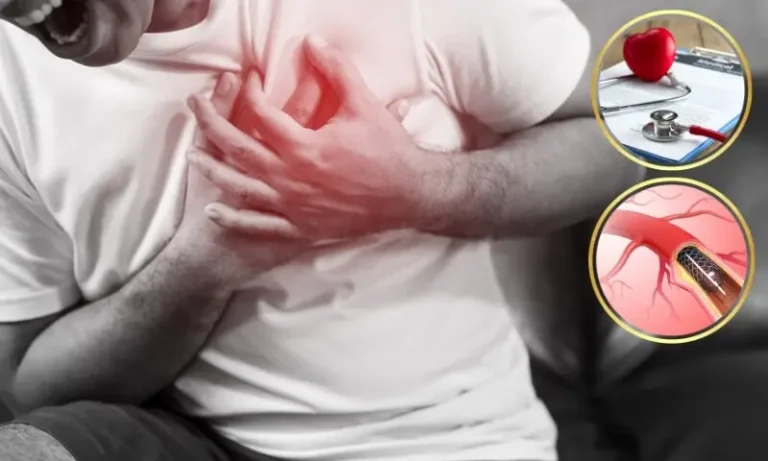
    For many people getting a heart stent is a life saving procedure.  During angioplasty doctors place a small metal stent inside a blocked artery to restore blood flow to the heart. This helps reduce chest pain and in many cases can save a person’s life during a heart attack. However heart specialists say that a stent is not a cure for heart disease. A stent only opens the artery that is already blocked. It does not stop the disease that causes fatty deposits known as plaque to build up inside the arteries. If a person does not manage the risk factors new blockages can develop over time. Doctors explain that a stent works like a small support tube that keeps the artery open so blood can flow more easily. But it cannot prevent cholesterol and other harmful substances from collecting in other parts of the blood vessels. If someone continues to smoke has uncontrolled diabetes high cholesterol unhealthy eating habits or does not take prescribed medicines regularly the risk of future heart problems remains high. Heart experts compare the arteries to the water pipes in a house. Even if one blocked section is repaired the rest of the pipes can still become clogged if the main problem is not fixed. Modern drug coated stents are very effective but they do not remove every risk. In some patients scar tissue may grow inside the stent causing the artery to narrow again. This condition is called restenosis. Although it is less common with today’s stents it can still happen. Another serious but rare complication is stent thrombosis where a blood clot forms inside the stent. This can lead to a heart attack and may become life threatening.  Doctors say the risk increases if patients stop taking blood thinning medicines without medical advice. Heart disease is a long term condition that can continue to progress. Even if the treated artery stays open plaque can build up in other arteries increasing the chance of another heart attack. Experts say patients can greatly reduce these risks by following their treatment plan. This includes taking all prescribed medicines especially blood thinners and cholesterol-lowering drugs exactly as directed. Lifestyle changes are just as important. Quitting smoking eating a healthy diet exercising regularly after getting a doctor’s approval maintaining a healthy weight and controlling diabetes blood pressure and cholesterol can all help protect the heart. Regular medical checkups are also important to detect any new problems early. Doctors advise seeking immediate medical care if you experience chest pain or pressure shortness of breath heavy sweating dizziness fainting pain spreading to the arm jaw or back or unusual tiredness after having a stent. Early treatment can prevent serious complications and save lives. While a heart stent is an important treatment that can restore blood flow and save lives it should not be seen as a permanent cure. Long term heart health depends on taking medicines regularly living a healthy lifestyle and paying attention to any warning signs.

  • Hair loss causes and prevention

    Hair loss is a common problem that can affect both men and women. For some people it is temporary while for others it may slowly lead to noticeable thinning or baldness. Experts say hair loss can happen for many reasons. These include poor nutrition hormone changes stress certain illnesses inherited factors and frequent use of harsh hair products or chemical treatments. Common causes of hair loss Some of the most common reasons for excessive hair loss include. •Poor or unbalanced diet •Iron and vitamin deficiencies •Hormonal changes •Anemia •Stress •Certain medical conditions •Some medicines or medical treatments Family history of hair loss Women may also experience hair loss because of hormone related conditions. Tips to help reduce hair loss Healthy daily habits may help keep your hair strong and reduce breakage. Eat a balanced diet rich in protein. Ask your doctor about iron or vitamin deficiencies if you think you may have one. Keep your hair and scalp clean. Avoid using too many chemical hair products or treatments. •Do not brush or comb wet hair roughly. •Drink enough water every day. •Get enough sleep and manage stress. Before trying any new hair oil or home remedy do a patch test to check for skin irritation. Onion Juice A popular home remedy onion juice is a well known home remedy that many people use for hair care. It is usually applied to the scalp left on for a short time, and then washed off. However onion juice is not a proven cure for baldness. It may also cause irritation or allergic reactions in people with sensitive skin so it should be used with care. When to see a doctor If your hair is falling out quickly or you notice clear bald patches do not rely only on home remedies. It is best to visit a dermatologist to find the cause and get the right treatment.

Leave a Reply

Your email address will not be published. Required fields are marked *