danyal zafar8217s embarrassing
| |

Danyal Zafar’s embarrassing school moment goes viral

Pakistani singer and actor Danyal Zafar has delighted fans after a humorous personal anecdote detailing an embarrassing moment from his school days resurfaced on social media, quickly going viral across digital platforms.
​Known for his candid personality and self-deprecating humor, the young artist—who made a name for himself in television hit series like Tanaa Banaa and Zanjeerain—recalled the nostalgic incident during an interactive digital appearance, leaving viewers in splits.
​Sharing the lighthearted memory, Danyal reminisced about his student days at Beaconhouse in Lahore and the awkward situations that often accompany adolescence. He recalled a specific instance where an attempt to look cool and impress his peers completely backfired in front of his entire class and teachers. The unexpected blunder instantly turned him into the center of attention for all the wrong reasons, leaving him thoroughly mortified at the time.
​”Looking back at school memories, you realize that the moments you thought were total disasters back then are actually the funniest stories you tell later in life. We all had those days where we just wanted the ground to open up and swallow us whole.”

​The viral clip struck a relatable chord with netizens and fans, who flooded comment sections with their own nostalgic and embarrassing school experiences. Fans praised Danyal for his down-to-earth persona and willingness to share vulnerable, relatable moments without worrying about maintaining a polished celebrity image.
​Danyal, who has built a versatile career spanning music and acting while carving out his own identity alongside his elder brother Ali Zafar, continues to maintain a strong rapport with his fanbase through genuine, unfiltered interactions. The viral response highlights how public figures sharing humorous, everyday missteps can foster a deeper, more authentic connection with their audience.
Similar Posts

  • | |

    PPP rejects Sindh division, calls province ‘red …

    KARACHI: Pakistan Peoples Party (PPP) has firmly rejected any proposal to divide Sindh into administrative units, with Sindh government spokesperson Saadia Javed declaring that the province remains a “red line” for the party. Speaking to the media on Monday, Javed said the PPP has never supported the division of Sindh and has no intention of doing so in the future. She argued that Pakistan’s current economic challenges and rising inflation make the creation of additional administrative units impractical, questioning how the government would finance such a move. Criticising the Muttahida Qaumi Movement (MQM), she described the demand for new administrative units as a political stunt. Javed questioned the performance of senior MQM leaders, including Federal Health Minister Mustafa Kamal and Khalid Maqbool Siddiqui, asking what concrete steps they had taken to address the concerns of their voters or improve education and public services. She reiterated that Karachi is the capital of Sindh and stressed that any attempt to divide the province is unacceptable to the PPP. According to Javed, while some people in Punjab may favour the creation of additional administrative units, the people of Sindh do not share that view. Addressing Karachi’s civic challenges, she acknowledged that infrastructure development is underway but admitted that progress has not been as fast as residents expect. Referring to ongoing construction on University Road, she recognised the inconvenience faced by commuters and residents. She also shared her own experience, saying that despite living in Defence for four decades, her home still does not receive a regular water supply. Javed said the provincial government is working to resolve Karachi’s longstanding issues and insisted that all of the city’s problems should not be blamed solely on the current administration. She expressed confidence that visible improvements in Karachi would emerge by the end of the year. On the Red Line Bus Rapid Transit project, the spokesperson said work is progressing at a rapid pace, adding that the deadline for completing the mixed-lane track has been set for July 31.

  • | |

    AJK polls begin with 19,000 security personnel

    The first phase of the Azad Jammu and Kashmir (AJK) Legislative Assembly elections is being held today across the Mirpur division, with authorities completing extensive arrangements for polling and security. The first phase covers Mirpur, Bhimber and Kotli districts. Officials said all polling material has been delivered to the designated polling stations ahead of voting. AJK Chief Secretary Khushal Khan and Election Commission Secretary Raja Muhammad Shakeel said the authorities were committed to ensuring free, fair and transparent elections. They urged voters to exercise their democratic right peacefully. They also warned that strict action would be taken against anyone attempting to disrupt polling or create a law and order situation. Officials advised voters and political workers to avoid spreading or believing unverified information circulating on social media. They said all stakeholders must follow the election code of conduct. The AJK elections are being conducted in three phases. Polling in the Mirpur division is taking place today. The second phase will be held in Muzaffarabad on August 2, followed by the third phase in Poonch on August 10. Security has been significantly increased across the three districts. Mirpur police authorities said a detailed security plan has been prepared to protect voters, election staff and polling stations. Mirpur SSP Khurram Iqbal said security forces have adopted a three-layer strategy. Polling stations have been divided into highly sensitive, sensitive and normal categories. Security personnel and resources have been assigned according to the level of risk. The district has also been divided into 56 security sectors. Each sector is being supervised by a deputy superintendent of police. Monitoring and rapid-response teams will remain active throughout the voting process. Authorities have also prepared additional contingency arrangements to deal with emergencies. A second response force will be available if required, while a third security layer will operate under zonal commanders. More than 1.4 million registered voters are expected to participate in the first phase across 13 constituencies. Authorities have established 2,454 polling stations containing 3,701 polling booths. Around 3,500 election officials have been assigned duties for the polling process. Voting will take place from 8am to 5pm. The 13 constituencies include four in Mirpur district, three in Bhimber and six in Kotli. Of the total polling stations, 1,965 have been classified as sensitive or highly sensitive. More than 19,000 security personnel have been deployed across the division. The force includes around 17,000 police officers, while approximately 2,100 army personnel will remain available as a backup force. A total of 288 candidates are contesting the 13 seats. The main political competition is expected to involve the Pakistan Muslim League-Nawaz, Pakistan Peoples Party and Istehkam-e-Pakistan Party, along with several influential independent candidates. Authorities have appealed to voters, candidates and political workers to cooperate with security personnel and maintain peace throughout polling.

  • | |

    Pakistan’s major dams reach 72% storage capa…

    Pakistan’s water reserves have improved significantly, with the country’s major reservoirs now filled to 72% of their total storage capacity, according to official data released on Sunday. The latest figures show that the combined water storage in the country’s key reservoirs has reached 9.466 million acre-feet (MAF), compared with a total storage capacity of 13.149 million acre-feet. Officials said the improvement follows a substantial increase in water inflows across the Indus River system, with inflows significantly exceeding outflows. The higher inflow has helped replenish major dams and strengthen the country’s water reserves. The increase in reservoir levels is expected to support irrigation needs, improve water availability for agriculture and enhance overall water management during the current season. Authorities continue to monitor inflows and reservoir levels as the monsoon season contributes to rising water storage across the country’s major dams.

  • | | |

    Global oil prices drop 12% in three days, Pakistan…

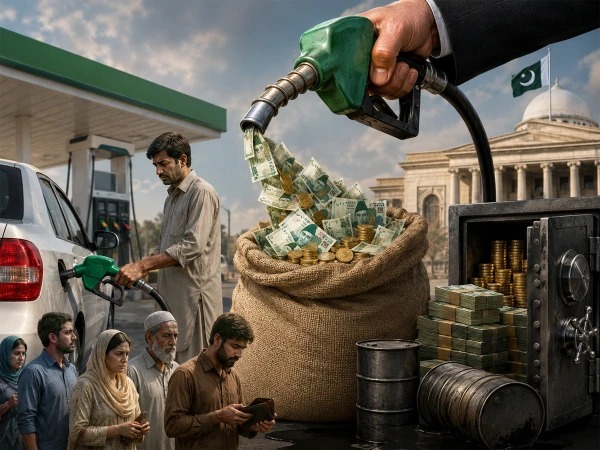
    Pakistani consumers have yet to benefit from a sharp decline in global oil prices, despite international petroleum markets recording a fall of up to 12% over the past three days. The continued high fuel prices have added to the financial burden on households already struggling with rising inflation. Over the last 12 days, fuel prices in Pakistan have increased significantly, with diesel becoming Rs. 65.08 per litre more expensive and petrol rising by Rs. 25.10 per litre. The increases followed the federal government’s decision on July 17 to introduce a daily fuel price adjustment mechanism in line with international market trends. On July 17, petrol was priced at Rs. 310.71 per litre, while high-speed diesel was available at Rs. 323.30 per litre. As of July 29, petrol is being sold at Rs. 335.81 per litre, whereas diesel has climbed to Rs. 388.38 per litre, marking one of the steepest short-term increases in recent years. Although consumers witnessed two minor reductions in petrol prices during this period, the relief was limited. Petrol prices were cut by Rs. 0.35 per litre on July 21 and by Rs. 1.00 per litre on July 27. Diesel prices, however, have not been reduced since the daily pricing mechanism came into effect. International oil markets experienced a sustained upward trend after July 17, contributing to higher domestic fuel prices. However, between July 25 and July 28, global petroleum prices fell sharply, with reports indicating a decline of approximately 12% across major international benchmarks. Despite this significant drop in global prices, Pakistani consumers have not yet received any corresponding reduction at the pump. The absence of immediate relief has sparked concerns among motorists and businesses, particularly those heavily dependent on transportation and logistics, where fuel costs directly affect operating expenses. Economists note that lower international oil prices, if sustained, could create room for a reduction in domestic fuel prices in the coming days. Any adjustment, however, will depend on several factors, including exchange rate movements, government taxes and levies, freight costs, and the pricing formula adopted by the authorities. With inflation continuing to squeeze household budgets, many consumers are hoping the recent decline in global oil prices will soon translate into lower petrol and diesel prices in Pakistan, easing transportation costs and reducing pressure on the overall cost of living.

  • | | |

    Pakistan to import 1 million tons of wheat to meet…

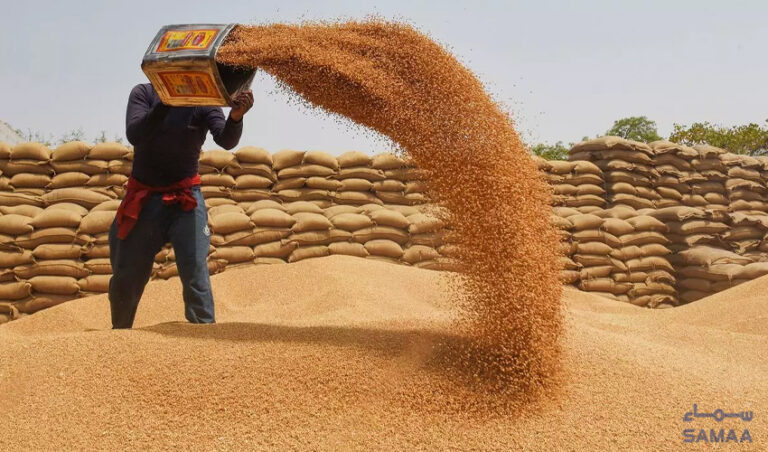
    ISLAMABAD: The federal government has decided to immediately import one million tons of wheat to ensure an uninterrupted supply across the country and meet the growing demand of the provinces. The decision was reached after detailed consultations between the federal government and provincial authorities on wheat availability, pricing, and supply. During the meeting, participants agreed that wheat stocks currently held by the Pakistan Agricultural Storage and Services Corporation (PASSCO) would be released without delay to address the immediate requirements of the provinces. Officials noted that while PASSCO’s existing reserves would help ease the short-term situation, the available stocks are insufficient to meet the combined demand of all provinces. To bridge the gap and maintain market stability, the government approved the immediate import of one million tons of wheat. Federal Minister for National Food Security Rana Tanveer Hussain said the government remains committed to ensuring the availability of affordable, high-quality wheat for consumers. He stated that PASSCO’s wheat reserves would be distributed according to provincial needs, while the planned imports would help fulfill the country’s overall requirements and prevent supply disruptions. The minister added that the move is aimed at maintaining stable wheat supplies, supporting provincial food security, and preventing unnecessary fluctuations in the domestic market.

  • | |

    US unable to verify Israeli claims of Iranian plot…

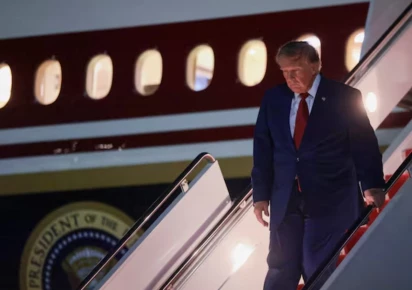
    The United States has been unable to independently confirm several warnings from Israel alleging that Iran was planning to assassinate President Donald Trump, according to current and former US officials familiar with the intelligence. The warnings were reportedly shared with US intelligence agencies over the past year and, in some cases, communicated directly by Israeli officials to senior members of the White House. The alleged plots included plans to target Trump with a sniper or recruit an attacker to use a knife during a major public gathering. According to the officials, the warnings began emerging before the 12-day Israel-Iran war in June 2025 and became more frequent ahead of the US military campaign against Iran in February. One of the most detailed warnings reportedly came before the NATO summit in Ankara in July. Israeli officials informed the White House that Iran might attempt to target Trump while he was travelling aboard Air Force One, potentially using a shoulder-launched missile. However, US intelligence agencies were unable to independently corroborate several of the specific threats. A Turkish official also said that Turkey’s intelligence services found no evidence supporting the Israeli warning concerning a possible attack on Trump during his visit. Despite the lack of confirmation, US authorities took additional security precautions. Among the measures was an unusual deception operation during Trump’s Turkey trip, in which he was reportedly transferred from Air Force One to another aircraft for his return journey. The episode highlights the growing importance of Israeli intelligence in the Trump administration’s assessment of threats from Iran, while also revealing differences between American, Israeli and Turkish intelligence assessments. US intelligence agencies have long assessed that Iran has an interest in retaliating against Trump over the 2020 killing of Iranian military commander Qassem Soleimani. However, officials said the CIA has not been able to verify some of the specific assassination claims attributed to Iranian operatives. During the recent US military operations against Iran, some American intelligence assessments reportedly assigned low confidence to Israeli intelligence concerning Iranian threats, including alleged plans to assassinate Trump. The Israeli Embassy rejected the suggestion that Israel was using intelligence sharing to influence US policy toward Iran, arguing that intelligence exchanges were part of the countries’ security relationship. The White House and CIA declined to comment on the reports, while the US Secret Service said it continuously evaluates intelligence and other information to protect the president. The revelations come amid broader concerns over coordination within the US intelligence community. Former officials said cooperation between the CIA and the National Intelligence Council had declined, while staff reductions at the Office of the Director of National Intelligence had also contributed to fewer recent assessments concerning Iran. The conflicting intelligence assessments underline the challenges facing Washington as it balances threats from Tehran with intelligence supplied by its closest regional ally, Israel.

Leave a Reply

Your email address will not be published. Required fields are marked *