loadshedding our area

Load-Shedding in Our Area

By Asiya Fazal Karim

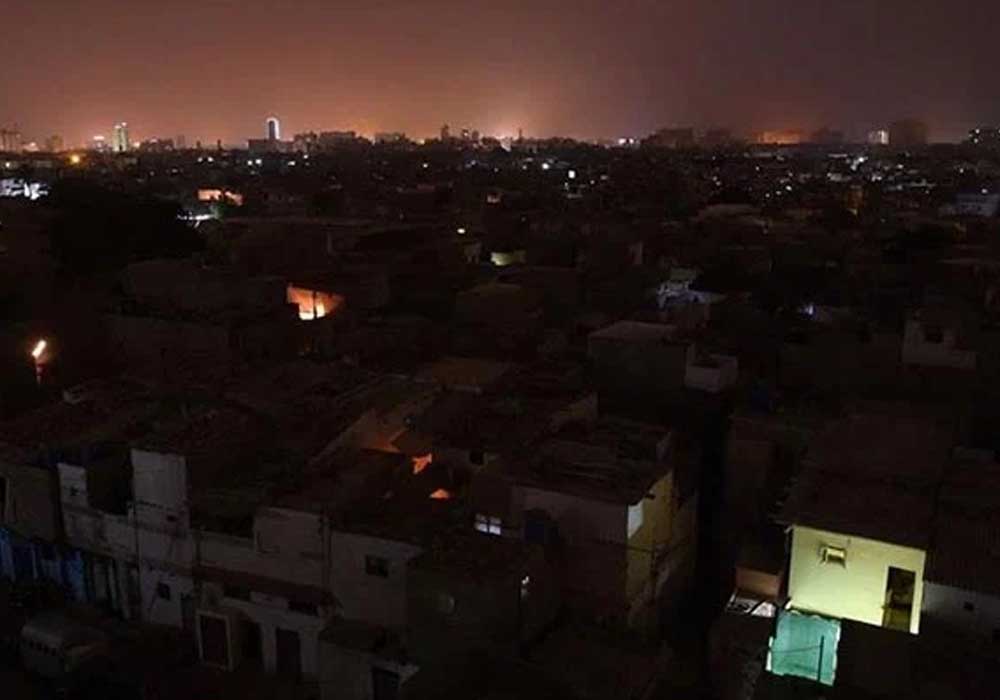
I want to use the space in your newspaper to tell the authorities about the problem of load-shedding in our area. We have been facing frequent power cuts for many weeks. Sometimes, the electricity goes away for several hours, and it becomes very difficult for people to continue their normal activities.

Electricity is very important in our daily lives. We need it for studying, cooking, working, using fans, and many other things. Students suffer a lot because they cannot study properly without electricity. During power cuts, they wait for the electricity to come back before they complete their homework.

The hot weather makes the problem even worse. When they cannot use fans or other cooling appliances, children and old people have to suffer because of the heat. At night, the streets also become dark, which can make people feel unsafe when they go outside.

Load-shedding also causes problems for shopkeepers and small businesses. Many shops depend on electricity for their work. When the power goes out, they cannot work properly and sometimes lose customers. This can cause financial problems for people who depend on their daily business.

Hospitals and clinics may also face difficulties because some medical equipment needs electricity. Internet services and mobile charging are also affected. People may not be able to contact their family members easily during long power cuts. These problems make everyday life stressful.

Another problem is the sudden return of electricity. Sometimes, the voltage changes when the electricity comes back, and this can damage electrical appliances. Many families cannot afford to repair or replace expensive appliances.

The people of our area have complained about the problem many times, but we have not seen any permanent improvement. We understand that electricity demand can be high, but the authorities should take steps to provide a better and more regular supply.

I request the concerned authorities to look into this matter as soon as possible. A proper load-shedding schedule should be given to the public so that people can plan their work and students can plan their studies. The electricity system should also be improved, and faults should be repaired quickly.
Similar Posts

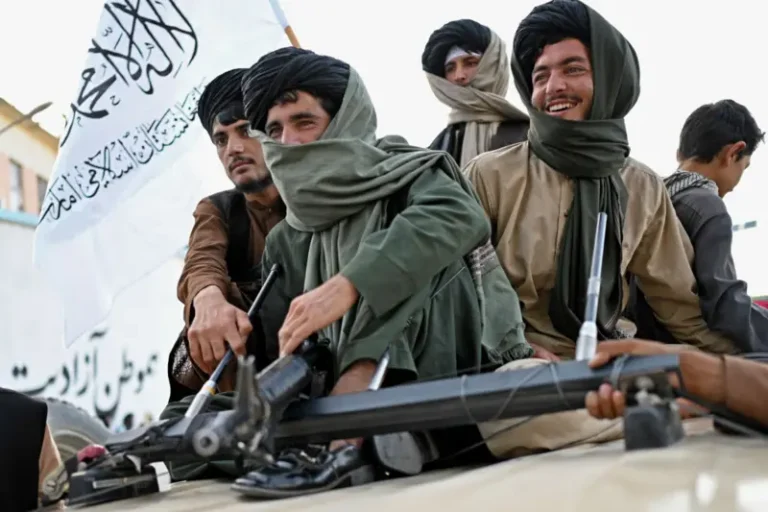
  • Afghanistan lost peace under the Taliban

    By Kulsoom Amanullah When Taliban entered Kabul in Augusta 2021,the loss of peace in Afghanistan and the role of the Taliban in the country’s long and difficult history. Afghanistan has suffered from decades of war, political conflict, and instability. The Taliban have been an important part of this history, and their return to power in 2021 changed the lives of millions of Afghan people. The Taliban first emerged in Afghanistan in the 1990s and controlled most of the country by 1996. Their rule was known for strict religious policies and restrictions on many aspects of daily life. After the attacks of September 11, 2001, the United States and its allies invaded Afghanistan, and the Taliban government was removed from power. However, the conflict continued for many years. During this period, Afghan civilians experienced violence, displacement, poverty, and insecurity. In August 2021, the Taliban returned to power after the withdrawal of United States and allied forces. Since then, Afghanistan has faced many serious challenges. Although the level of large-scale fighting has decreased compared with some earlier years, peace is more than simply the absence of war. True peace requires safety, freedom, economic stability, education, and respect for the rights and dignity of all people. One of the most serious concerns under the Taliban has been restrictions on women’s and girls’ education and participation in society. Girls have faced severe restrictions on secondary and higher education, while women have also faced limitations on employment and public life. These policies have created deep concern both inside and outside Afghanistan. Education is essential for the development of any country, and denying opportunities to a large part of the population can make it harder for Afghanistan to achieve long-term progress. The Afghan people also face economic and humanitarian difficulties. Many families struggle with poverty and limited access to basic services. Years of war have weakened the country’s infrastructure and economy. The international community has provided humanitarian assistance, but Afghanistan still needs long-term solutions that can help its people live with dignity and hope. At the same time, it is important to remember that ordinary Afghan people are not responsible for the conflicts that have affected their country. They are the ones who have suffered the most from decades of violence and instability. Afghan families deserve the opportunity to live peacefully, earn a living, educate their children, and build a secure future. Afghanistan needs a peaceful and inclusive future. The Taliban, as the current rulers of the country, have a major responsibility to create conditions in which all citizens can live safely and with dignity. The rights of women and girls, access to education, economic development, and humanitarian needs should be given serious attention. The story of Afghanistan teaches us that lasting peace cannot be achieved through force alone. It requires dialogue, justice, education, cooperation, and respect for human rights. I hope that one day Afghanistan will move beyond its painful past and become a peaceful country where every citizen can live without fear and every child can dream of a better future.

  • Mental Health Matters

    By Asma Qayyum Mental health is an essential part of a person’s overall well-being. It influences how we think, feel, make decisions, cope with stress, and interact with others. Despite its importance, many people still hesitate to discuss mental health because of fear, stigma, shame, or misunderstanding. Breaking this silence is the first step toward creating a society where everyone feels safe and encouraged to seek help. According to the World Health Organization (WHO), approximately 1 in every 8 people worldwide lives with a mental health condition. The WHO also reported that around 1.1 billion people were living with a mental disorder in 2021. Furthermore, depression affected approximately 280 million people globally in 2019, including 23 million children and adolescents. These figures highlight that mental health challenges are widespread and can affect anyone, regardless of age, gender, or social background. Among the most common mental health conditions are anxiety and depression, which affect hundreds of millions of people around the world. Several factors contribute to poor mental health, including academic pressure, financial difficulties, family conflicts, traumatic experiences, loneliness, bullying, and excessive use of social media. Young people are particularly vulnerable because they often experience significant emotional, academic, and social pressures during their formative years. Poor mental health can have serious consequences for both individuals and society. It may reduce concentration, lower academic and workplace performance, damage relationships, and increase the risk of physical health problems. If left untreated, mental health conditions can significantly reduce a person’s quality of life and overall well-being. The encouraging news is that most mental health conditions can be effectively treated and managed with timely support. Seeking help from mental health professionals, talking to trusted family members or friends, exercising regularly, getting enough sleep, eating a balanced diet, and practicing healthy stress-management techniques can greatly improve mental well-being. Schools, colleges, workplaces, and communities also play a vital role by promoting awareness, reducing stigma, and encouraging open conversations about mental health. In conclusion, mental health deserves the same attention and care as physical health. By encouraging open discussions, supporting those who are struggling, and increasing public awareness, we can break the silence surrounding mental health. Together, we can build a more compassionate, understanding, and healthier society where no one feels alone in facing mental health challenges.

  • Urgent Need for Clean Drinking Water in Gwadar

    By Shayhaq Siraj Gwadar, a city that stands as a symbol of development and economic promise, is unfortunately facing a severe crisis of clean drinking water. Despite being a focal point of national and international attention due to its strategic importance, the basic necessity of safe water remains a distant dream for many residents. The people of Gwadar are forced to rely on water tankers and private suppliers, which are often expensive and unreliable. In many areas, the available water is contaminated and unfit for human consumption, posing serious health risks, especially to children and the elderly. Waterborne diseases are becoming increasingly common, highlighting the urgent need for intervention. It is deeply concerning that while large-scale development projects are underway, the fundamental rights of local citizens are being overlooked. Access to clean drinking water is not a luxury; it is a basic human right that must be ensured for every individual. The authorities must take immediate and effective measures to address this crisis. Investment in proper water supply infrastructure, desalination plants, and efficient distribution systems is crucial. Furthermore, strict monitoring should be implemented to ensure the quality of water being supplied to the public. Gwadar’s true progress cannot be measured solely by infrastructure and investment but by the well-being of its people. Providing clean drinking water is essential for a healthy, prosperous, and sustainable future. I hope the concerned authorities will take swift action to resolve this pressing issue.

  • Safe Playgrounds, Safer Communities

    Due to the lack of proper playgrounds, children and young people often use the grounds of nearby government schools for recreation and physical activity. There is nothing inherently wrong with this. In fact, physical activity is essential for children’s physical and mental health, fitness, and overall development. However, the absence of caretakers and other Class-IV staff in schools during the evening raises serious concerns about safety, discipline, and the protection of school property. Children and young people of different ages regularly gather in these playgrounds. To prevent any untoward incidents, the presence of responsible adults is essential. Having Class-IV staff or other designated personnel available during evening hours would not only reassure children and their parents, but also help to maintain discipline and safeguard school buildings, furniture, and other educational resources. A practical solution can be introduced to address this. The school administration should establish a sports committee comprising responsible members of the local community. The names, designations, and contact details of committee members should be properly recorded at the school, with a copy shared with the local police station. This would enable prompt communication with responsible committee members in the event of an emergency or any untoward situation. The matter requires immediate attention from both the district administration and the education department. Rather than discouraging children from using school playgrounds, the authorities should put in place a proper system of evening supervision at government schools. Such an arrangement would allow children to take part in healthy physical activities in a safe and disciplined environment, while also ensuring the protection of public property. Government school playgrounds are valuable community assets. With a modest and well-organised supervisory system, they can serve not only as spaces for physical activity but also as safe and constructive environments for the younger generation. Protecting these spaces and ensuring their safe use should therefore be a shared responsibility of the administration, schools, and the local community. Muhammad Iqbal Awan (Namal) Mianwali, Punjab (Educationist, Writer, Motivational Speaker)

  • The Growing Unemployment Crisis in Balochistan

    By Baloch khan Through the columns of your esteemed newspaper, I wish to draw the attention of the authorities to the growing problem of unemployment in Balochistan. Thousands of educated young people are unable to find suitable jobs despite completing their studies. This lack of employment opportunities is causing frustration, poverty, and forcing many talented individuals to leave the province in search of work. The government should create more jobs, support small businesses, expand vocational training, and ensure that recruitment is based on merit and transparency. Investing in industries and infrastructure can also help generate employment and improve the province’s economy. It is hoped that the concerned authorities will take immediate steps to address this serious issue and provide a brighter future for the youth of Balochistan.

  • The Waste and Garbage Problem in Pakistan

    By Durhum I am writing this letter to draw your kind attention and that of the concerned authorities toward one of the most serious and ignored problems in our country today: the waste and garbage problem in Pakistan. We see garbage on the roads near our homes, schools, and other areas. This problem is getting worse day by day, especially in the big cities of Pakistan like Lahore, Islamabad, etc. When we go out, we see that the dustbins are full, and still no one comes to empty them. Plastic is flying in the air. Because of the garbage, the roads smell very bad and are dirty. If it rains, the drains get blocked because of the plastic. This is not just making the roads dirty; it is also affecting people and making them ill. In some areas, garbage trucks do not come regularly, and there is also a shortage of dustbins. People throw everything on the roads, such as food and plastic, and many people do not care that throwing waste makes our roads dirty. Throwing garbage causes numerous problems. Because of this waste, mosquitoes, rats, and other pests come out, spreading diseases like malaria and dengue. Children are mostly getting sick because of this garbage. Also, water is becoming polluted because garbage is thrown near rivers or seas, making the water dirty. This waste can also cause drains to become blocked. In Karachi, especially in Lyari, garbage is thrown everywhere, and the area is full of waste. This problem can be solved if there is regular garbage collection, more dustbins, and clean rivers and roads. The government cannot solve this problem alone; we must also avoid throwing plastic, paper, and other waste on the streets. Schools should teach students not to throw garbage on the roads. Many countries have solved this problem because citizens do not litter. In Dubai and Turkey, the roads are clean and look beautiful because they regularly sweep the roads and dispose of waste properly. Throwing garbage and waste is not a small problem; it is affecting our bodies, health, and environment. Ultimately, this problem can be solved if we change our habits. Pakistan will become like other beautiful countries if we all work together. If we keep ignoring it, our surroundings will become even dirtier. If a country has a clean environment, it means it has a clean nation. There is a saying that “Cleanliness is half of faith.” Islam also teaches us to keep our country, cities, and roads clean. There is another saying that “Small litter makes a big problem.” This means that waste and garbage may seem like a small issue, but they can affect a person’s entire life.

Leave a Reply

Your email address will not be published. Required fields are marked *