pakistans hiv crisis
| |

Pakistan’s HIV crisis deepens as child infection…


Islamabad: Pakistan is facing a growing HIV crisis, with an estimated 369,000 people living with the virus while only about 84,400 cases are formally registered, according to a government Task Force report. Health experts and concerned citizens have warned that the real situation may be much worse because the country still lacks reliable and complete disease data.

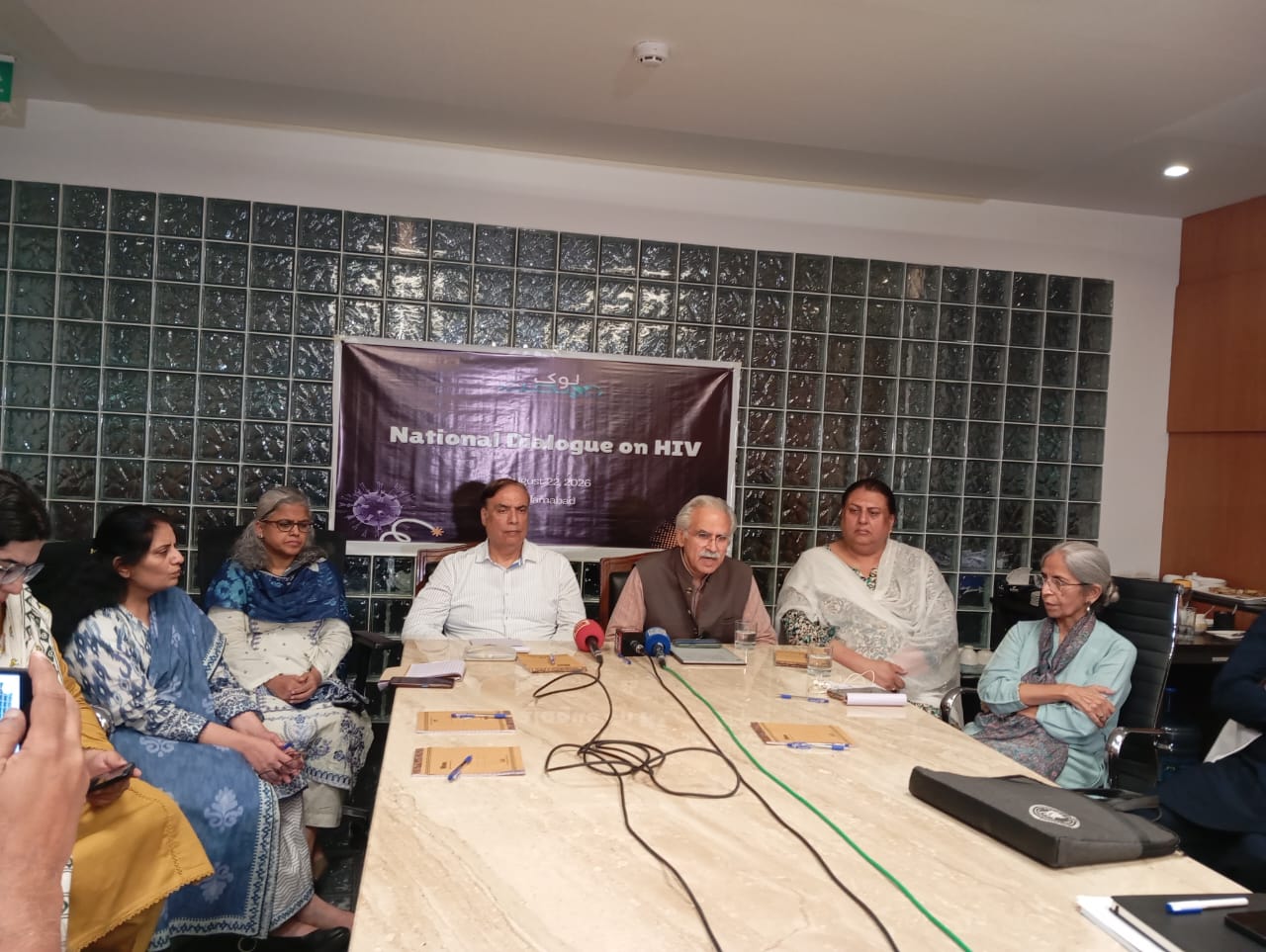
The warning came during a National Dialogue on HIV and AIDS organised by Lok Sehat, where doctors, public health experts, medical organisations, civil society groups and representatives of communities affected by HIV discussed the growing problem.

Lok Sehat Convener Dr Zafar Mirza said the government must stop trying to control the disease by controlling or hiding data. He demanded that reliable information about HIV and other blood-borne diseases should be made available and that the government should take greater financial responsibility for HIV, tuberculosis, and malaria instead of depending heavily on international donors.

The issue has become more serious because HIV infections are increasingly being reported among children and people outside the groups traditionally considered at higher risk.

The Task Force report estimates that 369,000 people are living with HIV in Pakistan, but only around 84,400 cases are formally registered and about 60,789 people are receiving antiretroviral treatment. The report says the recent appearance of HIV among children in low-risk rural communities points to serious weaknesses in infection control, blood safety, healthcare regulation, and medical management.

The situation in Taunsa Tehsil of Dera Ghazi Khan has raised particular concern. The Task Force report says 127 children were confirmed to have HIV during a five-month period between December 2024 and April 2025. Around 79 percent of those children were below five years of age, with the median age only three years. Investigations largely ruled out transmission from mothers because nearly all mothers of the infected children tested negative for HIV.

The report identified unsafe blood transfusions and contaminated injection practices as major drivers of the Taunsa outbreak. It also found problems involving blood donor screening, unregulated healthcare providers, reuse of disposable syringes, excessive use of injections, poor sterilisation and weak infection prevention systems.

Dr Zafar Mirza said repeated use of syringes and needles was a major suspected route of HIV transmission among people receiving healthcare. He called for proper training of healthcare workers and public awareness so patients and families understand the importance of using new syringes and needles. He also urged doctors to avoid unnecessary injections when oral medicines are medically suitable.

The problem is not limited to one area. Former National AIDS Control Programme and IHRA chief Dr Quaid Saeed said 13 HIV outbreaks had been reported in Pakistan during the last 18 years, but only two, including the outbreaks in Jalalpur Jattan and Ratodero, had been extensively investigated. He called for proper investigations into every outbreak.

The Task Force report also says the Ratodero outbreak in Sindh in 2019 affected more than 1,000 people, most of them children under 12. Investigations linked the outbreak to contaminated syringes, unsafe injections, unregulated blood transfusions, quackery and serious weaknesses in infection prevention and control.

Experts also raised concerns about the treatment of people living with HIV. Dr Zafar Mirza said stigma remains a serious problem, including within parts of the medical profession. He said there had been cases where doctors refused to treat patients after learning that they had HIV.

He stressed that HIV does not spread through ordinary contact such as shaking hands or being near an infected person. He called for stronger public awareness through television, newspapers and social media to correct false beliefs and reduce discrimination against patients.

In Islamabad, infectious diseases expert Dr. Naseem Akhtar said many of the HIV cases seen at her centre involved people who inject drugs, deportees, transgender persons, men who have sex with men, and female sex workers. She said some cases had also been found among children.

Dr Asma Naseem said the situation in Karachi was also worrying, particularly because of a rise in HIV cases among children. She said children with HIV were being brought to the Sindh Institute of Urology and Transplantation with kidney failure, describing the trend as highly concerning.

The experts said weak regulation of healthcare facilities was another major part of the problem. Dr. Zafar Mirza called for stronger healthcare commissions, blood transfusion authorities, and other regulators, along with better funding, trained staff, and modern technology.

The government Task Force has recommended nationwide surveillance of syringes, stronger regulation of medical devices, and a phased move towards auto-disable syringes. It has also proposed tougher action against unsafe medical practices.

Another major recommendation is the creation of a national real-time HIV surveillance dashboard. The system would collect information from treatment centres, blood transfusion centres, provincial disease surveillance units and other health facilities so that new cases could be reported quickly at the national level.

The Task Force has also proposed stronger testing and care for children, including early infant diagnosis, trained counsellors and paediatric HIV specialists in areas facing outbreaks. It has recommended social protection for children living with HIV, including support for medicines, nutrition, education, transport and psychological care.

The proposed reforms also include stronger laws, mandatory reporting of HIV cases and outbreaks, better sharing of health data between provinces and agencies, and accountability for public and private healthcare providers where negligence contributes to disease transmission.

The government report says a high-level National HIV Technical Working Group is also proposed, with experts including Maj. Gen. (R) Dr. Azhar Mehmood Kayani, Dr. Zafar Mirza, Dr. Abdul Wali Khan, Dr. Amjad Mahmood, Dr. Adnan Khan, Dr. Huma Qureshi, Dr. Hasan Abbas Zaheer, Brig. Dr. Nuzhat Mushahid, Dr. Saira Afzal, Dr. Fatima Mir, Dr. Saba Jamal, Dr. Rana Jawad Asghar and Dr. Khalid Rehman.

Dr Zafar Mirza also raised concern over Pakistan’s dependence on international funding. During the briefing, he said that around 90 percent of spending on HIV, tuberculosis and malaria over the previous five years had come through the Global Fund. He argued that Pakistan should gradually take full financial responsibility for these programmes rather than treating donor support as a permanent solution.

The national dialogue was attended by representatives of the Pakistan Medical Association, Pakistan Paediatric Association, Pakistan Islamic Medical Association, Medical Microbiology and Infectious Diseases Society of Pakistan, Society of Obstetrics and Gynaecology of Pakistan, Association of People Living with HIV in Pakistan, Indus Hospital and Health Network, Nai Zindagi Trust, Wajood Society, Bridge Foundation, Dareecha Male Health Society and UNAIDS.

The experts said Pakistan now needs more than statements and meetings. They called for safe injections, properly screened blood, stronger hospital safety rules, reliable disease data, regular investigations of outbreaks, better regulation of clinics and sustained government funding.

The Task Force recommendations make clear that the HIV problem is not only about treating patients. It is also about making sure that people who go to a hospital or clinic for treatment do not face preventable risks because of unsafe medical practices, weak monitoring or poor regulation.

Similar Posts

  • | |

    Cynthia Erivo pays sweet tribute to Ariana Grande …

    Cynthia Erivo and Ariana Grande have once again reminded fans why their friendship remains one of the most beloved bonds to come out of Wicked. The longtime co-stars reunited onstage in London, creating an emotional moment that quickly became one of the highlights of Grande’s Eternal Sunshine Tour.  On August 16, Erivo surprised fans at London’s O2 Arena when she joined Grande during the second night of the singer’s London shows. The pair performed “For Good,” the emotional Wicked song that has become closely associated with their characters, Elphaba and Glinda. They also treated the audience to the “Get Happy/Happy Days Are Here Again” medley.  The reunion was especially meaningful because it marked their first live performance together since the 2025 television special Wicked: One Wonderful Night. Their return to the stage together brought back memories of their years working on the two Wicked movies and the friendship they developed away from the spotlight.  Erivo has previously spoken warmly about singing with Grande, describing her as one of the few people she genuinely loves performing alongside. She explained that she does not often want to sing with other people, but Grande is different because their voices and energy naturally complement one another.  That affection was clear during their London reunion. The two stars embraced onstage, while Grande was also seen kissing Erivo’s hand, adding another tender moment to the performance. Their chemistry once again reminded audiences of the special connection they built while bringing Elphaba and Glinda to life.  Their friendship has faced plenty of public speculation over the years. However, Erivo has repeatedly made it clear that their bond is genuine. In a 2026 interview, she discussed how people struggled to understand the closeness between two women and emphasized that deep, platonic female friendships are real.  The London reunion therefore felt like more than just another surprise concert appearance. It was a celebration of music, friendship and the lasting impact of Wicked. For fans who have followed Erivo and Grande since the beginning of their journey as Elphaba and Glinda, seeing them share the stage again was a particularly touching reminder that their connection continues long after the cameras stop rolling.

  • | |

    Islamabad’s Margalla trails to remain closed tom…

    The Islamabad administration has announced the closure of several popular hiking trails in the Margalla Hills for Thursday, August 13. According to the administration, Trails 2, 3, 4 and 5 will remain closed to the public throughout the day. The decision applies to visitors, hikers and other citizens who regularly use these trails for recreational activities. Officials also confirmed that the trail located behind Saidpur Village will remain closed on August 13. Citizens have been advised to avoid attempting to access the closed routes and to follow instructions issued by the local administration. The Margalla Hills trails attract a large number of residents and visitors, particularly in the morning and evening hours. The temporary closure is expected to affect routine hiking and recreational activities in the designated areas. The administration has urged citizens to cooperate with officials and avoid entering restricted locations until the trails are reopened.

  • |

    CPEC 2.0: Pakistan, China shift focus to B2B investment

    ISLAMABAD: Pakistan and China are moving toward a more business-driven model of cooperation under the second phase of the China-Pakistan Economic Corridor (CPEC), with greater emphasis on Business-to-Business (B2B) partnerships, industrial development, exports and productivity rather than large-scale Government-to-Government (G2G) financing. The development emerged during a high-level Chinese delegation’s visit to the CPEC Secretariat, where discussions focused on strengthening industrial and commercial ties between the two countries. According to an official statement issued by the Ministry of Planning on Tuesday, the Chinese delegation was headed by Sun Dongsheng, Senior Advisor, Economic Affairs Press. The delegation met Federal Minister for Planning, Development and Special Initiatives Ahsan Iqbal, along with senior policymakers and development experts. The talks centred on ways to advance B2B and industrial cooperation under CPEC 2.0, reflecting a broader shift in the corridor’s priorities from infrastructure-led development toward industrialisation, exports, technology and private-sector participation. From infrastructure to industrialisation During the meeting, Ahsan Iqbal briefed the Chinese delegation on the government’s Uraan Pakistan economic transformation programme and outlined Islamabad’s priorities for the next phase of CPEC. The minister proposed closer cooperation with Chinese institutions, including counterparts of the National Centre of New Manufacturing, to benefit from China’s experience in advanced manufacturing, innovation, automation and robotics. He said Pakistan needed to strengthen its productive capacity and adopt modern technologies to remain competitive in the era of Industrial Revolution 4.0 and prepare for the emerging Industrial Revolution 5.0. Ahsan Iqbal identified Pakistan’s limited export base as one of the country’s major economic challenges. According to the minister, repeated attempts to accelerate economic growth have struggled to generate sustainable momentum because productive sectors have not been sufficiently integrated with export markets. He stressed that the government’s priority was therefore to turn agriculture, manufacturing and other productive sectors into stronger sources of exports and foreign exchange. Pakistan seeks greater access to Chinese market The minister also called for greater facilitation of Pakistani exports to China, highlighting the considerable gap between the two countries’ trade potential. He noted that China imports goods worth around $2.6 trillion annually, whereas Pakistan’s exports to the Chinese market remain close to $3 billion. Ahsan said Pakistan needed to increase its presence in the Chinese market by improving production standards, competitiveness and the ability of domestic businesses to meet international demand. He expressed the expectation that CPEC 2.0 could help Pakistan address what he described as its “export deficit”, just as the first phase of the corridor contributed to addressing the country’s energy shortfall. CPEC enters a new phase Under CPEC’s first phase, China committed substantial financing to infrastructure, energy and other development projects in Pakistan. Nearly $30 billion was invested in infrastructure and power-sector projects, including independent power producers. However, the focus is now increasingly shifting toward private-sector-led cooperation. Islamabad continues to pursue financing for selected road and motorway projects, but China has yet to demonstrate readiness to finance the long-delayed Main Line-1 (ML-1) railway upgrade, which had previously been regarded as one of CPEC’s flagship projects. The latest consultations indicate that CPEC 2.0 is expected to rely more heavily on commercial partnerships between Pakistani and Chinese companies. The government has already been encouraging enterprises from both countries to explore joint ventures and investment opportunities in sectors including manufacturing, agriculture and mining. Ahsan Iqbal said recent agreements between Pakistani and Chinese companies showed that B2B cooperation was beginning to gain momentum. He expressed confidence that stronger business-to-business engagement would support the modernisation of Pakistan’s industrial and agricultural sectors while creating opportunities for investment, employment and exports. China stresses productive capacity Sun Dongsheng reaffirmed the importance China attaches to its longstanding relationship with Pakistan and highlighted the achievements of CPEC’s first phase. He called for further cooperation in industrial and agricultural development, particularly in strengthening Pakistan’s productive capacity. The Chinese delegation also stressed the importance of involving small and medium-sized manufacturing enterprises in bilateral economic cooperation. Greater enterprise-to-enterprise engagement, according to the delegation, could help create commercially sustainable partnerships and expand opportunities for businesses in both countries. The discussions also focused on technology transfer, innovation, skills development and the creation of stronger industrial linkages. Five Corridors aligned with Uraan Pakistan Officials also discussed the strategic relationship between the Five Corridors of CPEC 2.0 and Pakistan’s 5Es framework under Uraan Pakistan. The government’s 5Es framework focuses on exports, e-Pakistan, environment and climate change, energy and infrastructure, and equity and empowerment. The participants stressed that alignment between the two initiatives needed to translate into concrete economic outcomes, including new enterprises, technology adoption, innovation, employment opportunities, skills development, increased exports and higher investment. The delegation was also briefed on the progress achieved during CPEC Phase I and Pakistan’s priorities for the second phase. The consultations suggest that the next stage of CPEC will increasingly be measured not only by the volume of infrastructure investment but also by its ability to improve Pakistan’s industrial competitiveness, expand exports, attract private investment and create sustainable employment.

  • | |

    Perez Hilton’s family shares hopeful health upda…

    Celebrity blogger Perez Hilton’s family has spoken publicly for the first time following his hospitalization, offering a hopeful update while asking for privacy as he continues to receive medical care. The 48-year-old media personality was taken to a hospital on August 4 after a deeply distressing TikTok livestream prompted concerned viewers to contact emergency services. Authorities responded to the situation and transported Hilton to a nearby hospital, where he has remained under medical supervision.  A day after the incident, Hilton’s family released a statement through his official website, confirming that he is now able to communicate. They described this development as a positive sign and said it has given them hope during an incredibly difficult time. “We remain hopeful,” the family shared, while expressing gratitude for the overwhelming support they have received from fans, friends, and well-wishers around the world. They also thanked first responders and medical professionals for acting quickly and providing care when it was needed most.  The family acknowledged that they are still waiting for more answers regarding Hilton’s condition but stressed that their primary focus is on his recovery. They requested continued prayers, patience, and privacy as doctors monitor his progress. Hilton’s representatives also released a brief statement, saying their immediate concern is his health and well-being. They declined to comment further, explaining that the situation remains sensitive and that the family’s wishes for privacy should be respected.  The incident has sparked widespread conversations about mental health and the challenges of living in the public eye. Many public figures and fans have shared messages of compassion, urging people to approach the situation with empathy rather than judgment. Social media users have also praised the swift response from viewers who alerted emergency services after witnessing the livestream.  TikTok confirmed that the livestream was flagged by its automated safety systems but said a moderation error delayed its removal. The platform has since banned the account involved for violating its policies on self-harm content.  For now, Perez Hilton’s family says they remain optimistic as he continues treatment. While they have not shared additional details about his medical condition, their latest statement offers reassurance that he is communicating with those around him, giving loved ones renewed hope for his recovery. 

  • | | | |

    Iranian strike hits Chinese company building in Ku…

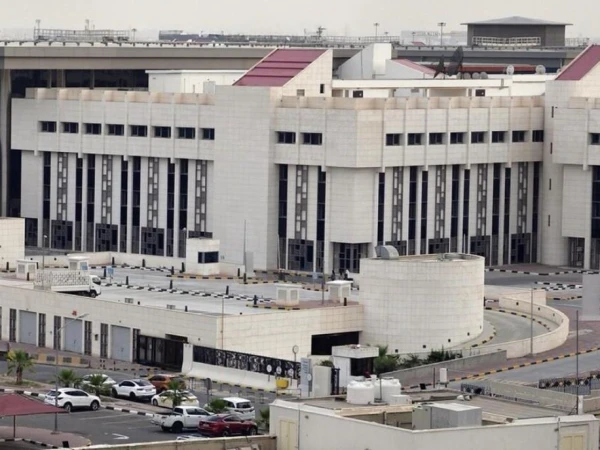
    KUWAIT CITY: A building belonging to a Chinese company in northern Kuwait was struck during an alleged Iranian attack, leaving one worker dead and causing extensive structural damage, according to Kuwait’s Ministry of Defense. The ministry confirmed the incident in an official statement on Wednesday, saying emergency response teams and security agencies were immediately dispatched to the affected site to secure the area, assess the damage, and launch rescue operations. Authorities said one worker was killed in the strike, but did not immediately disclose the victim’s identity or nationality. Officials added that investigations are continuing to determine whether there were additional casualties or injuries and to establish the full extent of the damage caused by the attack. Images from the scene showed emergency personnel working around the damaged building as security forces cordoned off the area. Officials have yet to release further details regarding the type of weapon used or the circumstances surrounding the strike. In its statement, Kuwait’s Ministry of Defense stressed that the country’s armed forces remain on high alert and are fully prepared to safeguard Kuwait’s sovereignty, territorial integrity, and national security against any external threat. The ministry also urged the public to rely only on official government statements for updates, warning citizens against spreading or believing unverified reports and rumors circulating on social media. The attack comes amid heightened regional tensions linked to the ongoing confrontation between Iran and the United States, which has fueled growing security concerns across the Gulf region. In recent weeks, military facilities, energy infrastructure, commercial shipping routes, and strategic installations have increasingly come under threat, raising fears of a wider regional escalation. Security analysts say the latest strike demonstrates how the conflict is expanding beyond its primary actors, with neighboring Gulf states facing increasing risks from the deteriorating security environment. Kuwait, which has traditionally sought to maintain balanced regional relations, now finds itself confronting the possibility of being directly affected by the broader conflict. The incident is expected to intensify security measures across the country, particularly around critical infrastructure, industrial facilities, and foreign-owned commercial sites. Regional governments have already strengthened surveillance and emergency preparedness in response to the growing threat of cross-border attacks. No immediate statement was issued by Iranian authorities regarding the alleged strike. Meanwhile, Kuwaiti officials said investigations remain underway and pledged to provide further information as more details become available. The latest incident underscores the widening regional impact of the Iran-US confrontation and highlights growing concerns that escalating hostilities could increasingly affect civilian infrastructure and foreign businesses operating across the Gulf.

  • | | |

    Iran says US military weaker as Hormuz crisis deep…

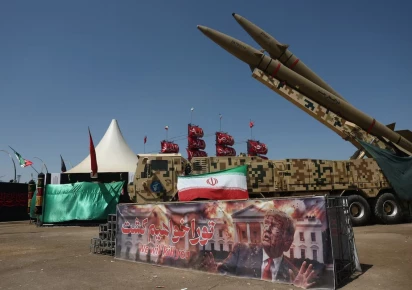
    TEHRAN: Iran has intensified its rhetoric against the United States as attacks on commercial shipping and stalled peace efforts deepen uncertainty over the future of the war, with Tehran warning that the strategically vital Strait of Hormuz will remain closed unless Washington accepts its conditions. Mohammad Reza Naqdi, an adviser to the commander of Iran’s Islamic Revolutionary Guard Corps, said in an interview with PBS that the US military had proved “weaker than what we perceived” during the five-month conflict. Naqdi said Iran had gained valuable battlefield experience during the war and claimed Tehran would continue to emerge victorious. “The longer this war lasts, the more experience we gain,” he said, arguing that Iranian forces had learned how to confront the US military through direct experience. His comments came as maritime traffic through the Strait of Hormuz dropped sharply. Shipping data showed only eight vessels were tracked through the waterway on Tuesday, below a 10-day average of about 12 and the lowest daily figure since August 5. Before the conflict, the strait typically handled around 130 to 140 vessels a day. The slowdown has heightened fears over global energy supplies because Hormuz is a crucial route for oil and liquefied natural gas shipments. The International Maritime Organization has previously warned of serious risks to vessels and seafarers operating in the area. Shipping attacks raise fresh alarm Tensions also spread to other maritime chokepoints. Four crew members were reportedly killed in a suspected Houthi attack on a cargo vessel in the Bab el-Mandeb Strait, while two Yemeni rescuers were also killed, according to reports cited in the source material. The US military separately said an MH-60 helicopter fired two Hellfire missiles at a Panama-flagged cargo ship after the vessel allegedly ignored warnings linked to a blockade of Iranian ports. Maritime sources said the incident occurred off Pakistan in the Gulf of Oman. The attacks have added to concerns that the conflict could disrupt shipping routes connecting the Gulf with the Red Sea and beyond. Iran sets conditions for reopening Hormuz Iranian security official Mohsen Rezaei said the Strait of Hormuz would not reopen unless Washington agreed to Tehran’s demands, including the release of frozen Iranian assets and an end to conflicts across the region. Iran’s parliament is also preparing legislation that would restrict military and commercial vessels from countries Tehran considers hostile from entering the Gulf without Iranian authorisation. The proposed law is intended to strengthen Iran’s control over the strategically important waterway. US President Donald Trump, meanwhile, has continued to combine threats with suggestions that negotiations could eventually produce a settlement. He has claimed the United States has control over the Strait and warned Iran against further escalation. Oil markets have already reacted to the uncertainty. Brent crude rose 1.4 per cent to $88.91 a barrel, while US crude gained 1.3pc to $83.20. Pakistan seeks diplomatic space Amid the worsening security situation, Pakistan has continued diplomatic engagement with Tehran. Interior Minister Mohsin Naqvi visited Iran and met President Masoud Pezeshkian, with both sides stressing the importance of strengthening bilateral political, economic, trade, cultural and security ties. Pezeshkian praised Pakistan’s commitment to closer relations and said Tehran was ready to expand cooperation with Islamabad. Naqvi said his visit was aimed at following up on understandings reached between the two countries and accelerating implementation of existing agreements. With military rhetoric rising, shipping routes under pressure and negotiations at an apparent impasse, the Strait of Hormuz remains at the centre of a crisis whose consequences could extend far beyond the Middle East.

Leave a Reply

Your email address will not be published. Required fields are marked *