karachi hospitals face
| |

Karachi hospitals face fire safety gaps after PIMS…

KARACHI: Serious shortcomings in fire safety arrangements have been reported at major government hospitals in Karachi following the deadly fire at the Pakistan Institute of Medical Sciences (PIMS) in Islamabad, where newborns lost their lives.

Hospital sources said several major public healthcare facilities in Karachi lack functional fire alarm systems and adequate emergency preparedness, raising concerns about the safety of thousands of patients and healthcare workers.

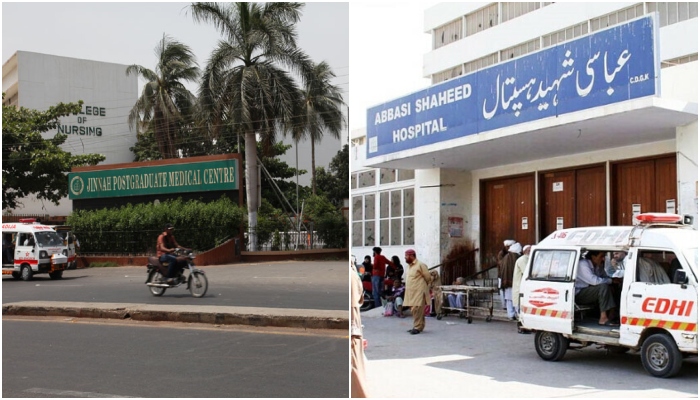
At Abbasi Shaheed Hospital, operated by the Karachi Metropolitan Corporation (KMC), only 13 fire extinguishers are reportedly available across the facility.

Sources said hospital staff have also not received regular fire safety training or participated in proper fire drills. The hospital reportedly does not have a fire alarm system or a designated emergency exit route.

The situation is particularly concerning because hundreds of patients visit the emergency department every day, while more than 1,000 patients reportedly attend the outpatient department (OPD).

Abbasi Shaheed Hospital has two generators, with one reportedly kept as a backup power source.

The hospital’s Medical Superintendent said authorities were taking further steps to improve the fire safety system and address existing shortcomings.

At Jinnah Postgraduate Medical Centre (JPMC), fire extinguishers are available in the wards, but hospital sources said several of them are not functional.

Sources further said the last fire drill at the hospital was conducted in 2017. The hospital also reportedly lacks an installed fire alarm system.

JPMC’s Joint Executive Director said a dedicated firefighting team needs to be established at the hospital. He said each ward has a fire extinguisher, while further training for staff is also required.

He added that the hospital administration would write to the Sindh government seeking additional fire safety training for employees.

Meanwhile, Civil Hospital Karachi has around 180 fire extinguishers distributed among its wards. However, sources said the overall fire safety arrangements at the hospital also fall short of ideal standards.

The revelations have raised concerns about the preparedness of major public hospitals in Karachi to deal with fires and other emergencies.

Large government hospitals handle thousands of patients, attendants and healthcare workers every day. In the event of a fire, the absence of functional alarms, clearly marked emergency exits, regular drills and trained response teams could make evacuation difficult and increase the risk to human lives.

The situation has come under renewed scrutiny after the PIMS tragedy in Islamabad, prompting calls for immediate inspections of fire safety systems at hospitals across the country.

Experts and hospital officials have stressed the need for regular fire drills, functioning extinguishers, alarm systems, emergency exits and trained firefighting teams.
Similar Posts

  • | |

    GB to auction hunting permits for Markhor, blue Sh…

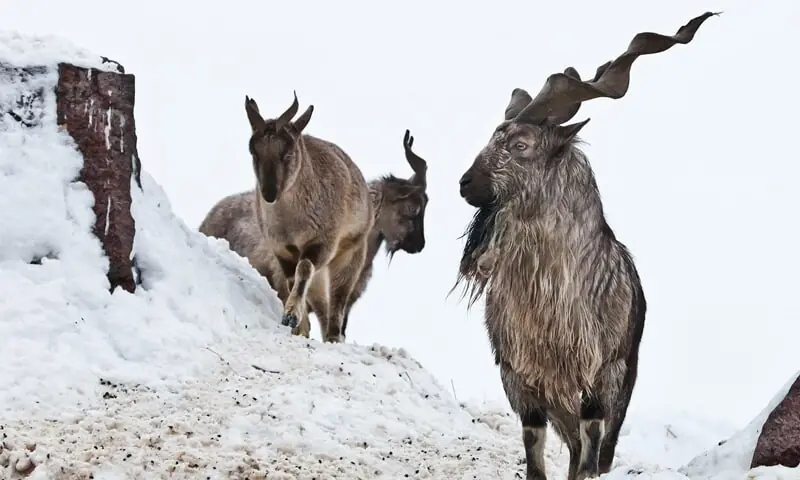
    GILGIT: The Parks and Wildlife Department of Gilgit-Baltistan is set to auction hunting permits for three Astore markhors, 14 blue sheep and 100 Himalayan ibexes under the region’s Trophy Hunting Programme for the 2026-27 season. The base price for an Astore markhor permit has been fixed at $200,000, making it the most expensive permit on offer. The minimum price for a blue sheep permit has been set at $25,000, while permits for Himalayan ibex will start at $11,000. According to the auction notice, four Astore markhors are included in the exportable quota. However, one permit from the previous hunting season has been carried forward, leaving three fresh permits to be auctioned this year. The open auction will take place on September 10 at the Forest Complex in Jutial, Gilgit. The trophy hunting season will begin on October 15, 2026, and continue until April 10, 2027, in accordance with the GB Trophy Hunting Guidelines 2019. Hunting will be permitted only within officially designated conservation areas. The department said the annual hunting quota has been determined following wildlife population surveys conducted by experts. GB Chief Conservator Parks and Wildlife Zakir Hussain said that the department collected approximately Rs350 million through permit auctions last year against a target of Rs550 million. He said several permits remained unused during the 2025-26 season, including those for two Astore markhors, five blue sheep and 10 exportable Himalayan ibexes. The unused permits resulted in an estimated revenue loss of around Rs200 million. According to officials, the cancellation of hunting plans by American and other international hunters was linked to the law-and-order situation following violent protests in Gilgit and Skardu. Local business owners and tourism operators have expressed concern over repeated increases in trophy hunting permit prices. They argue that higher baseline rates have discouraged foreign hunters and negatively affected businesses connected with hunting tourism. Ikram Beg, a local business owner who sells hunting equipment, said the trophy hunting programme was facing significant challenges. He claimed that the Wildlife Department had increased baseline prices by more than 300 per cent over the past two years without adequately incorporating recommendations from major stakeholders. According to Beg, excessive price increases could make Gilgit-Baltistan less competitive in the international trophy hunting market. He warned that declining international participation could reduce government and community revenues while weakening incentives for local residents to participate in wildlife conservation. Beg stressed that trophy hunting should primarily serve as a conservation mechanism rather than simply becoming a source of increased government revenue. He said the programme’s long-term success depends on reasonable pricing, international participation, transparent administration and meaningful financial benefits for local communities. Local stakeholders have called for a review of the permit rates and greater consultation with communities, conservation specialists and industry representatives. They have also demanded transparency and strict adherence to applicable rules and regulations. Although trophy hunting remains controversial internationally, its supporters argue that regulated hunting can generate funds for conservation, discourage illegal hunting and provide financial benefits to communities living near wildlife habitats. In Gilgit-Baltistan, the programme began with community participation in Bar Valley, Nagar, in 1990. Under the existing revenue-sharing model, approximately 80 per cent of licence revenue goes to local communitiesfor wildlife protection and conservation activities. The region’s challenging terrain and harsh weather also make trophy hunting highly demanding. Hunters must navigate steep and rugged mountain slopes while dealing with extremely cold conditions. Gilgit-Baltistan is home to diverse wildlife because of its varied ecosystems and climate. Species found in the region include Marco Polo sheep, ibex, markhor, urial, blue sheep, lynx, snow leopards, brown and black bears, wolves, foxes and golden eagles. However, wildlife experts and conservationists continue to face concerns over illegal hunting, inadequate wildlife management and the effects of climate change, all of which pose long-term threats to the region’s biodiversity.

  • |

    Pak boxing team ready for Commonwealth Games

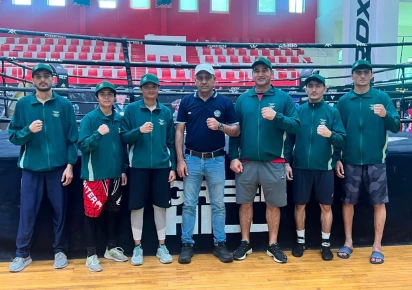
    A five-member Pakistan boxing squad has arrived in Glasgow to participate in the Commonwealth Games, with national sports officials expressing confidence in the athletes’ preparation following months of intense training. ​The national contingent, accompanied by team officials and Pakistan Olympic Association (POA) Secretary General Haji Khalid Mahmood Chaudhry, will represent the country across five distinct weight divisions. The squad features three male and two female boxers who have earned their selection through top domestic performances. ​In the men’s categories, Samama Rehman will enter the ring in the 55kg division, Qudrat Ullah will compete in the 60kg event, and Afzal Khan Pathan will feature in the 65kg division. The women’s squad features Malaika Zahid in the 54kg category and Fatima Zahra representing the nation in the 60kg division. ​Maj. Irfan Younis has been appointed as team manager, while Muhammad Nisar Khan of the Pakistan Army will serve as head coach for the tournament. Pakistan Boxing Federation (PBF) President Col. (R) Nasir Ijaz Tung highlighted the extensive preparation undergone by the athletes, voicing optimistic expectations for the squad: ​”Our boxers have undergone comprehensive training and preparation leading up to this major competition. We are confident that they possess the skill and determination to deliver strong performances and make the nation proud on the international stage.” ​The boxing events are scheduled to run from July 23 to August 2, drawing top talent from across participating Commonwealth nations. Pakistan holds a proud competitive tradition in international boxing, and team officials believe the mix of emerging talent and dedicated coaching will yield positive results despite stiff international competition.

  • | |

    KP unveils massive 1.4m-tree plantation drive

    The Khyber-Pakhtunkhwa government has set an ambitious target of planting 1.4 million saplings in a single day as part of its Independence Day celebrations. K-P Information and Public Relations Minister Shafi Jan said the large-scale plantation drive would be conducted across the province on August 14. He described the initiative as a major step towards expanding green cover and promoting environmental protection. The minister said extensive plantation activities would be carried out across a large area in Speen Khak, with teams taking part in the campaign to meet the record target. Shafi Jan, in his Independence Day message, said August 14 was a historic occasion that reminded the nation of the sacrifices made during the Pakistan Movement. He paid tribute to the leaders who struggled for the creation of Pakistan and those who sacrificed their lives for the country. He urged citizens to renew their commitment to building a stronger, stable, prosperous and sovereign Pakistan. According to him, national development requires collective responsibility, discipline and a continued commitment to the country’s future. The minister also highlighted the role of young people in national development. He said the younger generation should follow the ideals of Allama Iqbal and contribute towards making Pakistan more self-reliant and progressive. The provincial government has introduced a digital monitoring mechanism to improve transparency in the plantation campaign. The Ehsaas Shajarkari Web Portal will be used to identify suitable plantation locations through GPS technology. The portal will also help authorities monitor plantation activities and maintain a consolidated record of the saplings planted during the campaign. Officials will be able to track plantation sites and assess progress through the digital system. Shafi Jan said the initiative was being undertaken under the direction of K-P Chief Minister Sohail Afridi. He expressed confidence that the province would achieve its target and establish a significant plantation milestone on Independence Day.

  • |

    PSX rallies over 400 points in early trading as investor sentiment improves

    KARACHI: Buying activity returned to the Pakistan Stock Exchange (PSX) on Monday, with the benchmark KSE-100 Index gaining more than 400 points during the opening phase of trading as investors showed renewed interest in major sectors. At around 9:50am, the benchmark index was trading at 181,880.56 points, recording an increase of 450.54 points, or 0.25%, compared with the previous close. The positive momentum was supported by buying across several key sectors, including automobile assemblers, cement companies, commercial banks, oil and gas exploration firms, oil marketing companies (OMCs) and refineries. Several heavyweight stocks also contributed to the upward movement. HUBCO, ARL, OGDC, POL, PPL, PSO, HBL, MCB, MEBL and NBP were among the prominent index constituents trading in positive territory during the early session. The latest gains came after the stock market delivered a strong performance last week, when easing geopolitical concerns helped improve investor confidence. Developments surrounding diplomatic efforts between Iran and Oman regarding shipping activity through the strategically important Strait of Hormuz, coupled with expectations of a possible wider understanding between the United States and Iran, provided some relief to financial markets. The KSE-100 Index had climbed 5,335.89 points, or around 3%, during the previous week, closing at 181,430.02 points. Global markets provide additional support The positive trend at the PSX was also in line with broader gains across Asian equity markets. Regional stocks moved higher on Monday after Wall Street ended the previous session at record levels, supported by weaker-than-expected US employment data. The softer US jobs figures reduced expectations of an immediate increase in borrowing costs, encouraging investors to take on more risk. However, uncertainty surrounding diplomatic developments in the Gulf continued to influence energy markets. Oil prices edged higher as concerns persisted over the movement of ships through the Strait of Hormuz, one of the world’s most important routes for global energy supplies. Iran said on Sunday that discussions with Oman over arrangements for new shipping lanes through the Strait of Hormuz were nearing completion. However, Tehran maintained that the waterway would not fully return to normal operations until the United States met additional conditions. The uncertainty contributed to a rise in international crude prices. Brent crude futures increased 0.9% to $84.32 per barrel, while US West Texas Intermediate crude gained 0.7% to $78.74 per barrel. US inflation data in focus Investors are also closely watching the upcoming US consumer inflation data, which could influence expectations regarding the Federal Reserve’s monetary policy. The US July consumer price report, due on Wednesday, is expected to show a 0.1% increase in headline inflation and a 0.2% rise in core inflation, according to market expectations. A stronger-than-anticipated inflation reading could revive concerns that the Federal Reserve may consider raising interest rates in the coming months. Conversely, a softer reading could strengthen expectations of a more accommodative monetary policy. Market pricing currently indicates that expectations for a September rate move have weakened. The probability of such a move has fallen to roughly 44%, compared with about 67% a week earlier. The decline in expectations for higher interest rates supported US Treasury bonds on Friday and helped major Wall Street indices finish at record levels. Asian equities follow Wall Street Asian markets broadly followed the positive lead from the United States on Monday. Japan’s Nikkei 225 advanced around 0.6%, while South Korea’s benchmark index gained approximately 0.5%. Meanwhile, MSCI’s broadest index of Asia-Pacific shares excluding Japan rose about 0.3%. For Pakistan’s equity market, the combination of stronger global sentiment, improved geopolitical expectations and renewed buying in heavyweight stocks provided support at the start of Monday’s session.

  • |

    Pakistan eye changes for Lord’s Test after heavy defeat

    LONDON: Pakistan are considering changes to their playing XI for the second Test against England at Lord’s after a heavy defeat in Leeds exposed several weaknesses in the visitors’ lineup. The second Test of the series is scheduled to begin on August 27, with Pakistan’s team management expected to finalise the playing XI after assessing conditions in London. Pakistan suffered a disappointing start to the series, losing the opening Test by an innings and 103 runs. The result has prompted the management to consider adjustments as the team looks to bounce back at the home of cricket. One of the major possibilities is a rest for wicketkeeper-batter Mohammad Rizwan. His potential absence would open the door for another player to take responsibility behind the stumps while allowing the team management to refresh its batting combination. The biggest question, however, surrounds Babar Azam. The former Pakistan captain missed the first Test because of a finger injury, but team management remains hopeful that he will recover in time to return for the Lord’s match. If Babar is declared fit, Azan Awais is reportedly likely to make way. His return would provide Pakistan with considerable experience in the middle order at a crucial stage of the series. Bowling plans could also change according to the conditions at Lord’s. Sources indicate that Pakistan may consider playing two spinners if the pitch and weather point towards a slower, drier contest. The management is also reportedly considering young fast bowler Ubaid Shah because of his extra pace. His ability to generate speed could provide Pakistan with a different attacking option against England’s strong batting lineup. The conditions in London are expected to differ from those encountered in Leeds. Reports suggest a relatively dry and potentially flat surface could be prepared, increasing the possibility of a match in which batting becomes easier as the game progresses. For Pakistan, the Lord’s Test is more than another fixture in the series. After being comprehensively beaten in Leeds, they need a strong response to regain confidence and keep the series alive. England, meanwhile, will enter the match with momentum and will be confident of repeating their dominant performance. Pakistan’s final XI could therefore prove crucial as they attempt to turn the tide at one of cricket’s most historic venues.

  • | |

    Father mourns son killed before wedding day

    The father of murdered Karachi resident Mir Raza Ali Khan has revealed that his son was eagerly preparing for his wedding, which was scheduled to take place on August 30, describing the tragedy as devastating for the family. Speaking to the media, the grieving father said Mir Raza left home on the morning of July 28 for work but never returned. When repeated attempts to contact him failed because his phone was switched off, the family filed a missing person’s report at the local police station the same day. He said the family later traced his last known location through an online ride-hailing service. Upon reaching the location, they found police officials from Gulistan-e-Jauhar already present. According to the father, police informed the family that an unidentified body had been recovered earlier that morning. Although the victim’s face was unrecognizable, the clothes matched those worn by his son, confirming his identity. The bereaved father said Mir Raza had never shared any concerns about business disputes or personal problems with the family, leaving them shocked and searching for answers behind the killing. Mir Raza Ali Khan, a resident of Karachi’s PECHS area, was found dead in Gulistan-e-Jauhar. Police are continuing their investigation to determine the circumstances surrounding his abduction and murder.

Leave a Reply

Your email address will not be published. Required fields are marked *