erc orders meralco
| |

ERC orders Meralco to refund customers P9.5 billion over 6 months

MANILA, Philippines – More than eight million Manila Electric Company (Meralco) customers are set to receive a combined P9.51 billion refund after the Energy Regulatory Commission (ERC) determined that the power distributor collected more revenue than it was entitled to during 2025.

The refund will be credited to customers’ bills over six months at an average rate of P0.3448 per kilowatt-hour (kWh) across all customer classes. 

Residential customers will receive a refund of P0.5861 for every kilowatt-hour they consume, meaning the actual amount will vary depending on monthly usage. A household consuming 200 kWh, for instance, would receive a bill reduction of about P117.22 for that month.

The ERC decision was made public on Sunday, August 2.

In a statement, Meralco said it would “comply with the most recent directive of the ERC to implement the refund.”

The refund arose from a regulatory reconciliation of Meralco’s actual weighted average tariff, or the average distribution rate collected from different customer classes, against its approved tariff.

Meralco said residential consumption accounted for a larger share of electricity sales than expected, pushing the weighted average tariff above the approved level. This resulted in Meralco collecting P9.51 billion more than the approved amount, which the ERC ordered to be returned to customers.

This will appear as a separate line item in the bills to customers during the refund period using the term “AWAT (Refund)/Collect.”

The refund comes as the ERC evaluates Meralco’s separate rate-reset application, with a decision expected by late August or September that could either raise or lower the utility’s distribution charges.
Must Watch

How much could you save if system loss charges are removed from your Meralco bill?


How much could you save if system loss charges are removed from your Meralco bill?

Meralco’s challenges

The refund adds to growing scrutiny of Meralco’s electricity charges following President Ferdinand Marcos Jr.’s push to remove system loss charges and the corresponding value-added tax from consumers’ monthly bills.

During his State of the Nation Address on July 27, Marcos called for the immediate amendment of the Electric Power Industry Reform Act, arguing that consumers should not have to pay for electricity lost before it reaches their homes and businesses.

System loss refers to electricity lost while passing through wires, transformers, and other equipment, as well as losses caused by power theft, illegal connections, defective meters, and billing errors. The charge currently accounts for around 5% of the average Meralco bill. (READ: EXPLAINER: What is system loss, and how does it affect your power bill?)

Meralco chairman Manuel V. Pangilinan has warned that the Philippine power industry “may not survive” if utilities and other industry players are forced to shoulder the full cost.

“So, who is going to pay for that? The industry? It’s going to cost tens of billions of pesos. We will not survive,” Pangilinan said. – Rappler.com

Must Read

Meralco chair Pangilinan: Power industry ‘may not survive’ if asked to absorb system loss


Meralco chair Pangilinan: Power industry ‘may not survive’ if asked to absorb system loss

Similar Posts

  • | | |

    Pakistan requests $10bn US foreign exchange stabil…

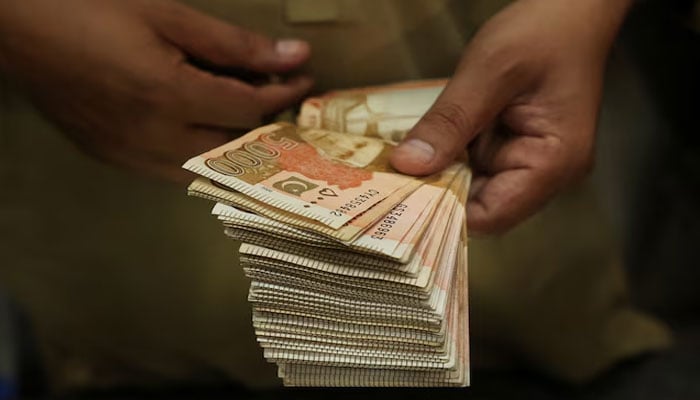
    Pakistan has requested a $10 billion foreign exchange stabilization facility from the United States in an effort to strengthen its economy and improve its external financial position. The proposed facility is expected to help increase the country’s foreign exchange reserves, ease pressure on the Pakistani rupee, and reduce dependence on emergency financial assistance from international lenders. According to reports, the Pakistani government has submitted a formal proposal to US Treasury Secretary Scott Bessent seeking a five-year bilateral Exchange Stabilization Support Facility. If approved, the financial arrangement could provide Pakistan with greater economic stability at a time when the country continues to face external financing challenges. The proposed fund is designed to support Pakistan’s foreign exchange reserves, which remain under pressure despite recent improvements in the country’s economic outlook. Stronger reserves would help stabilize the rupee, improve investor confidence, and provide the government with greater flexibility in managing external debt repayments. The request comes after Pakistan’s reported diplomatic efforts during the Iran conflict. According to the report, Islamabad played a facilitating role in communication between Tehran and Washington. The diplomatic engagement is believed to have enhanced Pakistan’s strategic importance and may have contributed to closer economic discussions with the United States. If Washington approves the request, Pakistan could reduce its dependence on short-term financial support from multilateral institutions, including the International Monetary Fund (IMF). The facility would also help the country better manage future external financing needs while maintaining stability in the foreign exchange market. Pakistan is currently implementing wide-ranging economic reforms under the IMF’s $7 billion Extended Fund Facility (EFF). The programme requires the government to increase tax revenues, reduce public spending, improve fiscal discipline, and introduce structural reforms aimed at strengthening the economy. The country narrowly avoided a sovereign default in 2023 after securing a $3 billion IMF emergency programme. That support was later followed by the approval of the larger $7 billion EFF programme. Although the reforms have improved economic indicators, Pakistan still relies heavily on external borrowing, financial assistance from friendly countries, and the rollover of existing loans to meet its financing requirements. Economic experts believe that a US-backed stabilization facility would provide a significant boost to Pakistan’s financial position. It could strengthen foreign exchange reserves, support currency stability, improve investor confidence, and reduce the need for repeated emergency borrowing.

  • | | |

    LPG becomes costlier from August

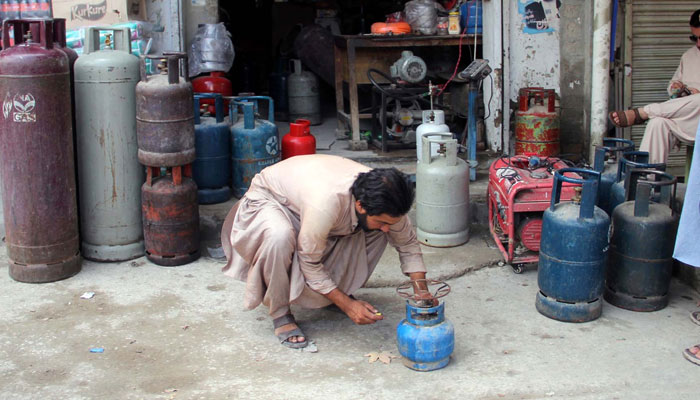
    The Oil and Gas Regulatory Authority (Ogra) has increased the price of liquefied petroleum gas (LPG) for August, raising the cost for both domestic and commercial consumers across Pakistan. According to an official notification issued by Ogra, the price of LPG has been increased by Rs12.89 per kilogram, taking the new official rate to Rs254.32 per kg for the month of August. The regulator also revised the price of the standard 11.8-kilogram domestic LPG cylinder, which will now cost Rs3,000.92 following the latest increase. The revised prices will come into effect for the entire month of August under Ogra’s monthly pricing mechanism. The increase is expected to place an additional financial burden on households that rely on LPG for cooking and heating, particularly in areas without access to natural gas. Commercial users, including restaurants, hotels and small businesses that depend on LPG, are also likely to face higher operating costs. Ogra reviews LPG prices every month based on prevailing market conditions and other relevant pricing factors before issuing revised rates through official notifications. Consumers are expected to pay the updated prices from the beginning of August unless further revisions are announced by the regulator.

  • | | | |

    PM Shehbaz directs timely implementation of privat…

    Prime Minister Shehbaz Sharif has directed all relevant ministries and institutions to ensure the timely implementation of targets and deadlines under the government’s privatisation programme, stressing the need for close coordination to complete the process according to schedule. The directives were issued during a meeting held to review progress on the privatisation of state-owned enterprises. The meeting was informed that a total of 27 public sector organisations have been included in the government’s privatisation agenda, which is being carried out in three phases. During the briefing, officials updated the prime minister on the progress of the privatisation of Islamabad, Lahore and Karachi airports, as well as several major public sector entities. The meeting also reviewed the privatisation process of electricity distribution companies, including the Islamabad Electric Supply Company (IESCO), Faisalabad Electric Supply Company (FESCO), and Gujranwala Electric Power Company (GEPCO). Officials informed the prime minister that Expressions of Interest (EOIs) have already been invited for all three companies. The deadline for investors to submit documents for FESCO has been set for August 7, while submissions for GEPCO will close on August 21. The deadline for IESCO is September 7, 2026. The briefing noted that several international companies have expressed interest in acquiring the power distribution companies. Officials added that roadshows and engagement sessions with potential investors are continuing to attract further investment. Prime Minister Shehbaz also reviewed the proposed privatisation of the Zarai Taraqiati Bank Limited (ZTBL) and directed authorities to design the transaction in a way that preserves the bank’s vital role in supporting Pakistan’s agricultural sector. He emphasised that the bank should continue providing agricultural loans and financial services to farmers even after privatisation. The prime minister said farmers’ access to financial resources is essential for increasing crop yields and improving agricultural productivity. He further stated that agriculture remains a key pillar of Pakistan’s economy and plays a critical role in ensuring food security. Therefore, any privatisation model should safeguard the sector’s long-term interests while maintaining uninterrupted financial support for farmers.

  • | | |

    Pakistan strikes landmark offshore gas find

    KARACHI: Pakistan has recorded a significant breakthrough in hydrocarbon exploration with the discovery of high-quality gas from a new petroleum play. Pakistan Petroleum Limited (PPL) announced that its exploration well, Dolphin, drilled in the company-operated Sarani Block in Sujawal district, Sindh, has yielded a major gas discovery. The find marks the first hydrocarbon discovery from the Jurassic-age Chiltan Formation in the Lower Indus Basin, according to PPL. The company said the discovery confirms the existence of an active petroleum system and could open fresh opportunities for exploration in the onshore swamp region and its potentially prospective shallow marine extensions.

  • |

    Government plans major reforms to modernise Pakistan’s construction sector

    ISLAMABAD: The federal government has stepped up efforts to reform Pakistan’s construction industry, with a comprehensive package under consideration to improve regulation, financing, taxation, procurement practices and construction quality. Federal Minister for Economic Affairs and Establishment Division Senator Ahad Khan Cheema chaired a high-level meeting on Saturday to review proposed reforms aimed at strengthening the construction sector and bringing national practices closer to modern standards. The meeting was attended by Minister of State for Finance Bilal Azhar Kayani, Federal Secretary for Housing and Works Captain Mahmood (retd), Managing Director of the Public Procurement Regulatory Authority (PPRA), representatives of the Construction Association of Pakistan (CAP) and senior government officials. The discussions focused on developing a coordinated policy framework capable of addressing longstanding regulatory, operational and financial challenges faced by the construction industry. Construction Industry Development Board proposed As part of the proposed reform package, the government is considering the creation of a Construction Industry Development Board (CIDB) to serve as both a development and regulatory body for the sector. The proposed board would be responsible for supporting the growth of the construction industry while also establishing and enforcing standards for contractors, consultants and other stakeholders. According to the plan discussed at the meeting, the CIDB would include representatives from both the public and private sectors, creating a platform for cooperation between government institutions and industry stakeholders. Senator Ahad Cheema said there was broad agreement between the federal government and CAP on the need for such an institution. He said the government would prepare the proposed framework and present it to the prime minister for approval. The proposed regulatory mechanism is expected to address gaps in the existing system, particularly those relating to professional standards, project quality and accountability. Consultants may face greater accountability One of the major issues discussed during the meeting was the lack of a clear accountability mechanism for consultants involved in public infrastructure projects. Cheema noted that contractors could face penalties for delays, defaults and poor performance, but similar legal and financial consequences were not adequately available for consultants when design or technical shortcomings resulted in project failures. Under the proposed CIDB framework, consultants would come under a more formal regulatory structure. The objective would be to ensure that professionals responsible for project design and technical supervision could also be held accountable for serious errors, design deficiencies or technical mistakes. CAP representatives supported the proposal, maintaining that stronger oversight of consultants would improve the quality of project designs and help safeguard public funds. Defect liability period to be extended The government is also preparing to increase the Defect Liability Period (DLP) for public development projects. At present, the standard liability period is one year. The government plans to initially extend it to three years and subsequently work towards increasing it to five years. Cheema said public infrastructure should remain durable for a considerable period after completion and should not begin deteriorating soon after being handed over. He argued that extending the liability period would create stronger incentives for contractors and executing agencies to maintain quality standards throughout construction. Under a longer liability period, contractors would remain responsible for addressing defects for an extended period, potentially discouraging the use of substandard materials or poor construction practices. The government views the proposed change as an important step towards improving the long-term value of public development spending. Construction development package under consideration The proposed construction industry development package is expected to address several financial and policy constraints currently affecting the sector. The package could include targeted tax reforms, revised import and export policies and incentives aimed at encouraging the adoption of modern construction technologies. Officials also discussed the need to strengthen domestic construction capacity by facilitating access to modern machinery, equipment, materials and technical expertise. The government believes that a more predictable policy environment could encourage greater private investment while supporting the development of local construction companies and suppliers. Proposal for Construction Development Bank Financing challenges faced by construction companies also came under discussion. CAP representatives highlighted difficulties encountered by contractors in obtaining banking facilities, particularly when arranging financial and performance guarantees required for government projects. The industry also proposed establishing a dedicated Construction Development Bank (CDB) to address the sector’s specialised financing needs. In response, Cheema directed Minister of State for Finance Bilal Azhar Kayani to consult the State Bank of Pakistan (SBP) and the Pakistan Banks Association (PBA). The feasibility of creating a dedicated construction development bank will be assessed after obtaining feedback from the central bank and commercial banking sector. Officials will also examine the financial implications and potential structure of such an institution before any decision is taken. Import and export policies to be reviewed The government is also considering changes to import and export policies affecting construction-related businesses. The proposed review is intended to facilitate access to modern technologies and equipment while simultaneously encouraging greater domestic production and development of local industrial capacity. The authorities are expected to examine existing duties, procedures and policy barriers to determine whether adjustments could help improve competitiveness without undermining domestic manufacturing. Focus on value for public money During the meeting, Cheema stressed that improving construction quality was directly linked to protecting public finances. He said the government’s objective was not simply to complete infrastructure projects but to ensure that they delivered value over their intended lifespan. The minister emphasised the importance of cost-effectiveness, durability and accountability at every stage of public construction projects. The proposed reforms, if approved, could introduce significant changes to the way construction contractors and consultants are regulated, how public projects are monitored and how construction companies access financing. The government is now expected to consolidate the proposals into a broader policy framework and seek approval for the proposed measures.

  • |

    Pakistan inflation falls to 9.2% in July 2026: PBS

    Pakistan’s annual inflation eased to single digits in July 2026, with the latest official figures showing a noticeable decline in price growth compared to the previous month. However, economists cautioned that inflationary pressures have not disappeared, as higher fuel costs and other economic challenges continue to weigh on the outlook. According to data released by the Pakistan Bureau of Statistics (PBS) on Monday, the Consumer Price Index (CPI) recorded an annual inflation rate of 9.2% in July 2026. The reading marked a significant decline from 11.1% in June, although it remained considerably higher than the 4.1% recorded in July 2025. On a monthly basis, consumer prices increased by 1.2% during July, reversing the 0.3% decline witnessed in June. In comparison, monthly inflation had risen by 2.9% in July last year. Urban and rural inflation The PBS data showed that inflation in urban areas slowed to 8.7% year-on-year in July, down from 11.2% in June. During the same month last year, urban inflation had stood at 4.4%. Month-on-month, urban prices climbed 1.2%, compared to a 0.5% decline in June and a 3.4% increase recorded in July 2025. Meanwhile, rural inflation also moderated, with the annual rate easing to 9.9% in July from 10.9% a month earlier. Rural inflation had been 3.5% in the corresponding month of last year. On a monthly basis, rural prices increased by 1.2%, compared with no change in June, while July 2025 had witnessed a 2.2% monthly increase. Government projects inflation to remain elevated The Finance Division had earlier projected inflation to remain between 9% and 10% in July, warning that rising international oil prices could continue to exert pressure on domestic prices. The ministry’s latest economic outlook also highlighted concerns over external investment, noting that Pakistan’s foreign direct investment (FDI) fell by 33.9% during the last fiscal year, declining from $2.48 billion in FY2024-25 to $1.64 billion in FY2025-26. SBP keeps policy rate unchanged Last week, the State Bank of Pakistan’s Monetary Policy Committee maintained the benchmark policy rate at 11.5% during its first monetary policy meeting of the new fiscal year. Speaking after the decision, SBP Governor Jameel Ahmad said inflation was expected to decline in July and expressed optimism that it would gradually move towards the central bank’s target. He said the State Bank expects inflation to settle within the upper end of its 5-7% target range by the close of the current fiscal year. Analysts see base effect behind slowdown Market analysts had largely anticipated inflation returning to single digits in July, though many argued that the improvement was mainly due to favourable statistical base effects rather than a broad-based easing in price pressures. Analysts at Ismail Iqbal Securities estimated July inflation at 9.3%, saying the decline reflected comparison with a higher base from the previous year rather than a sustained reduction in inflationary momentum. Similarly, JS Global projected headline inflation at 9.1% for July, indicating that while inflation has eased, underlying economic pressures continue to pose risks for the months ahead. The latest inflation reading provides some relief for consumers and policymakers, but economists believe the path ahead will depend on global commodity prices, exchange rate stability, energy costs and the government’s fiscal management during the current financial year.

Leave a Reply

Your email address will not be published. Required fields are marked *