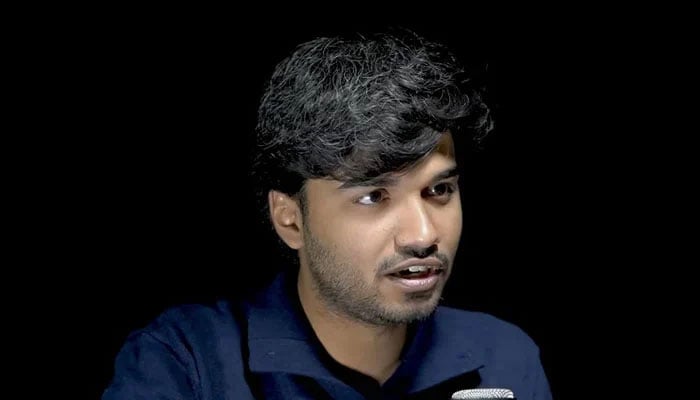
police officer martyred
| | |

Police officer martyred in gun attack near Jamali …

A police officer was martyred after unidentified gunmen opened fire on two policemen near Jamali Bridge on Karachi’s Super Highway on Monday. The attack has prompted senior police officials and the Sindh government to order an immediate investigation and intensify efforts to apprehend those responsible.

According to police, the two officers were deployed on duty near Jamali Bridge when unidentified assailants riding a motorcycle approached and opened indiscriminate fire. Constable Zaman, who was serving at Site-A Police Station, sustained fatal injuries and died at the scene. His fellow officer survived the attack without injury.

Authorities have not yet confirmed the motive behind the shooting, and an investigation is underway to determine whether the incident was a targeted attack or linked to other criminal activity. Police have begun collecting evidence from the crime scene and reviewing available information to identify the suspects.

Following the incident, Inspector General (IG) Sindh Javed Alam Odho took immediate notice of the attack and directed the Deputy Inspector General (DIG) East to submit a detailed report without delay. The IG instructed law enforcement officials to ensure that those involved in the attack are arrested and brought to justice as quickly as possible.

The police chief also ordered investigators to utilize all available resources, including modern technology, intelligence networks, and investigative tools, to trace and capture the suspects. He further directed police units to strengthen patrolling, checkpoint operations, and snap checking across the area while maintaining strict surveillance of suspicious individuals and vehicles.

Separately, Sindh Home Minister Zia-ul-Hassan Lanjar also sought an immediate report from the Senior Superintendent of Police (SSP) East regarding the incident. He emphasized that every available resource should be employed to identify and arrest the attackers and ensure they face the full force of the law.

The home minister instructed police to make effective use of intelligence information, forensic techniques, and modern investigative methods during the operation. He also called for enhanced police patrols, tighter security measures, and increased monitoring of suspicious activity to prevent similar incidents.

Paying tribute to the fallen officer, Lanjar said the sacrifice of police personnel would not be forgotten and reaffirmed the government’s commitment to pursuing those responsible. The attack highlights the continued security challenges faced by law enforcement officers in Karachi, where police personnel remain on the frontline against crime and violence. Investigations into the shooting are ongoing, and authorities have yet to announce any arrests.
Similar Posts

  • | |

    Naqvi vows full support for Balochistan security

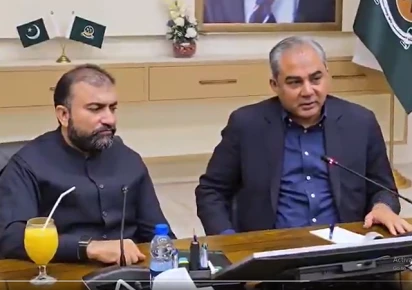
    Interior Minister Mohsin Naqvi has assured Balochistan of continued federal support to improve security and restore lasting peace in the province. Naqvi visited Quetta on Saturday. He met Balochistan Chief Minister Mir Sarfraz Bugti. The two leaders jointly chaired a high-level meeting on the province’s law and order situation. The meeting reviewed the latest security situation in Balochistan. Officials also discussed ongoing security operations and future plans to deal with terrorism. Chief Minister Bugti briefed the meeting on the challenges facing the province. He also explained the measures being taken to improve security and maintain peace. The meeting decided to further strengthen the Counter-Terrorism Force (CTF) and Balochistan Police. The participants agreed that the professional capabilities of both forces must be improved. The authorities also agreed to speed up decisions aimed at strengthening the provincial police force. The federal government assured Balochistan that it would provide the required resources and support. Naqvi said the federal government would continue to provide every possible assistance to Balochistan. He said restoring peace required immediate and effective implementation of a comprehensive security plan. The interior minister also called for greater use of the experience of former Balochistan police chiefs. He said their expertise could help authorities develop a stronger and more effective security strategy. Naqvi stressed the importance of modern technology in counterterrorism operations. He also highlighted the need for better intelligence and stronger coordination between security institutions. He said the federal and provincial governments were working together to address the security challenges. According to Naqvi, coordinated efforts are essential for establishing lasting peace in the province. Chief Minister Bugti also reaffirmed his government’s determination to fight terrorism. He said the provincial government would remain prepared to respond to threats on every front. Bugti made it clear that the government would not surrender to pressure from terrorists. He said the writ of the state would be established across Balochistan. The chief minister said no space would be allowed for terrorists to operate. He also stressed that security agencies would continue taking steps to protect citizens and public institutions. Bugti said the government’s strategy would not focus only on security operations. He said improving opportunities for young people was equally important. According to the chief minister, education, skills development, employment and positive activities could help young people build better futures. He said promoting merit would help restore the confidence of the province’s youth. He added that young people should receive equal opportunities to succeed. Bugti also highlighted the strong connection between peace and development. He said security, progress and prosperity must move forward together. He said the provincial government would continue working with the federal government to improve law and order. Development projects would also be accelerated across the province. The meeting came as Balochistan continues to face serious security challenges. Several attacks have occurred in the province in recent months. Security forces and law enforcement agencies have increased operations against militant groups. The Pakistan Army, Frontier Corps and Balochistan Police have also continued joint efforts in affected areas. Officials believe stronger intelligence sharing and better coordination can help prevent future attacks. Modern equipment and improved training are also being considered important parts of the security strategy. The federal and provincial governments have therefore agreed to combine security measures with development initiatives. They say improving employment, education and skills opportunities for young people is essential for long-term stability.

  • | |

    Maryam orders fire safety checks at Rawalpindi hos…

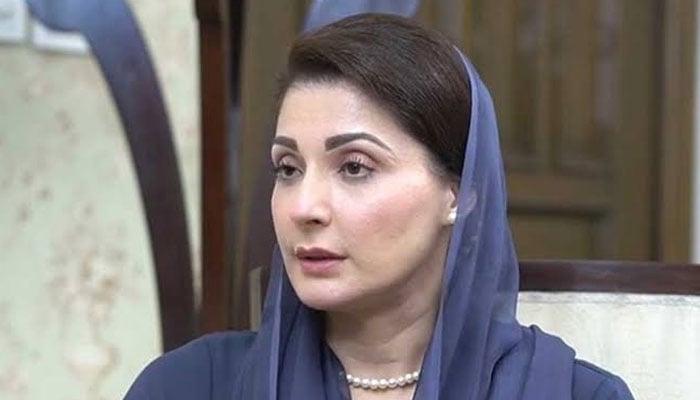
    RAWALPINDI: Punjab Chief Minister Maryam Nawaz has ordered authorities to ensure complete fire safety arrangements at all government hospitals in Rawalpindi. The chief minister has also sought a detailed report from Rawalpindi Deputy Commissioner Nadeem Nasir about the safety arrangements at government hospitals across the city. The directive comes amid growing concerns over fire safety at healthcare facilities following the deadly fire at the Pakistan Institute of Medical Sciences (PIMS) in Islamabad. Deputy Commissioner Nadeem Nasir said authorities would ensure the installation of proper fire safety systems in all government hospitals. He said work had already started on the installation of fire hydrants at hospitals. The facilities will also be checked to ensure that emergency arrangements are functional and accessible. On the deputy commissioner’s instructions, the Additional Deputy Commissioner visited government hospitals along with Rescue teams. The teams inspected the hospitals and reviewed their existing fire safety arrangements. They also examined the facilities required to respond to an emergency. Officials are focusing on three key areas. These include fire alarms, fire hydrants and emergency exits. The administration has been directed to ensure that fire alarms are operational and that hydrants are available at appropriate locations. Emergency exits are also being checked to ensure that patients, attendants and hospital staff can leave buildings quickly during an emergency. The deputy commissioner said the safety of patients was the administration’s top priority. He warned that no negligence would be tolerated in implementing fire safety measures. The inspection campaign is aimed at identifying weaknesses before they lead to a major incident. Authorities are also expected to take corrective measures wherever deficiencies are found. Government hospitals handle large numbers of patients every day. Many patients are also critically ill and cannot be moved quickly during an emergency. Officials therefore consider functional fire prevention and evacuation systems essential for protecting patients and medical staff.

  • |

    Campaigners demand UK tour cancellation over Jared Leto claims

    Women’s safety campaigners are urging organisers to cancel Thirty Seconds to Mars’ upcoming UK concerts. The calls follow serious allegations of criminal sexual conduct against frontman Jared Leto. A BBC investigation published last week featured accounts from four women accusing the musician and actor of sexual assault and grooming. The alleged incidents reportedly took place across the 2000s and 2010s. At the time, the women were teenagers while Leto was in his 30s and 40s. He is now 54 years old and strongly denies all the allegations against him. Leto’s band is currently set to perform at two major UK arenas next April, in London and Manchester. Both the End Violence Against Women coalition and domestic abuse charity Women’s Aid have voiced concern over the shows going ahead. A Women’s Aid spokesperson told BBC Newsbeat it was troubling that concerts platforming an alleged abuser were still being planned. The charity urged organisers to prioritise safety over profit rather than continue giving such figures a stage. Janaya Walker, interim director of the End Violence Against Women Coalition, echoed that sentiment. She said the issue ultimately comes down to prioritising people, particularly women and girls, over commercial interests. Walker described the continued sale of tickets for the London and Manchester shows as deeply worrying. She warned it could cause real distress among survivors of gender-based violence, who may see coverage of the allegations followed by business proceeding as usual. Thirty Seconds to Mars, known for hits like “The Kill” and “This Is War,” was formed by Leto and his brother in the late 1990s. The band has since grown into a major international touring act. A related BBC documentary features former band associates describing discomfort around how Leto interacted with teenage girls backstage. One alleges young girls were regularly invited to meet him after concerts and at private residences. Among the accusers is a former model who says she felt compelled to lie about her age when meeting Leto at 19. She alleges a disturbing comment from Leto during a private encounter that followed. In total, ten women spoke to the BBC documentary, with nine sharing their accounts publicly for the first time. Leto did not respond to the BBC’s initial questions but later issued a firm denial, calling the accusations completely false.

  • | |

    Mir Raza’s father seeks suspension of police off…

    KARACHI: The father of slain businessman Mir Raza Ali has called for the suspension of Karachi East DIG Dr Farrukh Ali and other police officials, accusing them of delaying the investigation and allegedly concealing crucial evidence in his son’s murder case. Speaking to reporters, Mir Hussain said the police had mishandled the investigation and urged authorities to take action against the Ferozabad SHO and other officers allegedly involved in the case. He claimed that officials had “played a game” with the grieving family. Twenty-five-year-old Mir Raza Ali, an IBA graduate and businessman, went missing on July 28 and was found dead in Gulistan-e-Jauhar the following day. While the initial investigation considered suicide as a possibility, his family consistently maintained that he had been abducted, tortured and murdered. The case took a new turn after a fresh post-mortem reportedly identified a gunshot wound to Ali’s back along with other injuries. A chemical examination also detected acid particles and gunshot-residue elements on his shirt, while police said sedatives were found in his blood and DNA testing matched his parents. Meanwhile, the family has requested that Ali’s smartwatch be examined by the Punjab Forensic Science Agency (PFSA), rather than the National Cyber Crime Investigation Agency (NCCIA). Family lawyer Jibran Nasir expressed concern that the device had remained with a former investigation committee head for several days before being handed to the NCCIA, raising fears of possible tampering. The newly formed investigation team, headed by DIG Amir Farooqi, has written to the NCCIA seeking forensic analysis of the smartwatch as well as information concerning Ali’s social media and other digital accounts. Investigators have also revisited the crime scene, interviewed nursery staff and collected additional evidence. The team has been tasked with examining outstanding aspects of the case, including geofencing, mobile-data records and digital evidence. Authorities have set August 15 as the deadline for submission of the investigation report. Meanwhile, a medico-legal officer who conducted the initial post-mortem was removed following an inquiry that identified serious lapses in the examination.

  • | | |

    SC orders Imran’s transfer to Shifa Hospital

    The Supreme Court has directed authorities to transfer Pakistan Tehreek-e-Insaf founder Imran Khan from Adiala Jail to Shifa International Hospital for medical assessment and treatment. The order was issued by a three-member bench headed by Justice Shahid Waheed. Justice Naeem Akhtar Afghan and Justice Ishtiaq Ibrahim were also part of the bench. The court was hearing petitions related to Imran’s medical treatment, access to his personal doctors and meetings with family members. The bench also ordered authorities to submit Imran’s complete medical record before the next hearing. Justice Waheed questioned why the court had been provided with only a summary instead of the full medical file. The judge said the court wanted the complete record to properly assess Imran’s health condition. The matter came under discussion after a medical report submitted by Adiala Jail authorities highlighted concerns about Imran’s health. Justice Waheed noted that the reports indicated abnormalities in his pulse and heart condition and suggested that his vital organs could be affected. The bench also discussed a recommendation for angiography. Justice Afghan asked whether the procedure could be performed inside the jail. The Islamabad advocate general told the court that angiography could be carried out at a hospital outside the prison. PTI lawyer Uzair Bhandari raised concerns about the cause of an alleged blood clot and requested access for Imran’s personal physicians. He sought permission for Dr Asim Yusuf and Dr Faisal Sultan to meet Imran. The court discussed the qualifications of the doctors proposed for the visit and noted that no formal challenge had been made to the doctors who had already examined the former premier. The court also addressed the issue of media statements following meetings with Imran. Bhandari assured the bench that family members and doctors would not speak to the media after meeting the PTI founder. The Islamabad advocate general said an earlier undertaking regarding media interactions had allegedly been breached. The matter is also pending before the Islamabad High Court. Senior PTI lawyer Salman Akram Raja argued that responsibility should not automatically be placed on others if an undertaking had been violated. Justice Waheed warned that if contempt proceedings were initiated against officials for violating court directions, similar action could also be considered against lawyers or other individuals who breached court orders. The bench said the PTI and Imran’s family would have to provide an undertaking that no media briefing would take place after meetings. Justice Afghan also urged the PTI to avoid turning Imran’s medical condition into a political dispute. The court separately examined restrictions on meetings between Imran and his sisters. Justice Waheed said meeting family members was a fundamental right and should not be treated as a special favour. Authorities told the court that Imran had met his sisters 48 times during the past three years. The court ordered officials to submit complete details of all those meetings. It also sought records concerning Imran’s communication with his sons, including call detail records. The bench further directed authorities to provide comprehensive information about the cases against Imran. The court wants details of cases in which he is an under-trial prisoner, cases resulting in convictions and matters where sentences have been suspended. Adiala Jail officials were summoned to appear before the court at the next hearing. The court also questioned the implementation of Islamabad High Court directions concerning meetings with Imran. The Islamabad advocate general said the matter was pending before the high court in an intra-court appeal. The hearing was adjourned until after the summer vacation. Medical report submitted to court A two-page medical report submitted by the Adiala Jail superintendent provided details of Imran’s treatment and health monitoring during his imprisonment. The report said Imran had received treatment from ophthalmologists in Islamabad and Rawalpindi for central retinal vein occlusion, an eye condition diagnosed previously. According to the report, his affected eye had shown significant improvement and had almost returned to normal vision. The report also contained a summary of 39 medical examinations conducted by various specialists between November 4, 2023 and August 10, 2026. Several government doctors examined Imran during this period. Jail authorities said records of the consultations had been maintained. Medical officers at the jail also monitored his food and fluid intake three times a day and conducted regular health checks. The report stated that Imran and his wife had been meeting every Tuesday under jail rules. A total of 84 such meetings had reportedly taken place.

  • |

    Delhi pushes electric vehicle drive to tackle worsening air pollution

    Delhi has launched one of India’s boldest electric vehicle plans as authorities step up efforts to reduce dangerous air pollution in the capital. The new policy, introduced on July 1, aims to ensure that most newly registered vehicles in the city are electric by 2027. Officials believe the move will improve air quality and reduce harmful emissions, although experts say its success will depend on expanding charging facilities and strengthening the electricity network. Across several parts of Delhi, electric vehicle charging stations are becoming increasingly busy as more residents switch to battery powered scooters, cars and commercial vehicles. Even so, many drivers say the city still lacks enough charging points to support widespread use. Shyam Singh, who uses an electric scooter for work, said the existing infrastructure is not sufficient, especially for people who travel long distances. He explained that limited battery range and the shortage of charging stations remain major concerns for potential buyers. Under the new policy, existing petrol and diesel vehicles will not be banned, but the government expects their numbers to decline over time as electric vehicles become more common. Buyers will receive financial incentives including subsidies, exemptions from registration fees and some road taxes. People who scrap older fuel powered vehicles will also qualify for additional cash rewards. Authorities estimate the policy will cost around 150 billion rupees and is designed to encourage faster adoption of cleaner transport across the city. The plan focuses heavily on two and three wheelers, which make up nearly 70 percent of vehicles on Delhi’s roads. From 2027, all newly registered three wheelers and small commercial trucks must be electric. The same requirement will apply to newly registered two wheelers from the following year. Larger passenger cars and heavy vehicles running on conventional fuels will still be allowed for now. Electric vehicles currently account for only about five percent of the nearly 8.7 million vehicles registered in Delhi. However, registrations have grown steadily over the past year, with more than 100,000 new electric vehicles added, most of them scooters and auto rickshaws. Experts say the latest policy sends a clear signal that the city is committed to reducing dependence on fossil fuel powered transport. Energy specialists have described Delhi’s strategy as one of the most ambitious electric vehicle policies introduced by any Indian state. Jaideep Saraswat of the Vasudha Foundation said the firm deadlines make it clear that the transition to electric transport is unavoidable. He believes the policy will encourage both manufacturers and consumers to prepare for a future where electric vehicles dominate the market. Delhi has struggled with severe air pollution for years, particularly during winter when smog often reaches hazardous levels. The city regularly experiences school closures, restrictions on construction and emergency health measures because of poor air quality. Vehicles contribute around one quarter of pollution across the National Capital Region, while two and three wheelers alone account for almost half of transport related emissions within the city. Analysts say Delhi has already taken important steps toward cleaner transport in the past, including shifting many public vehicles to compressed natural gas. According to energy experts, electric vehicles represented around 12.7 percent of new vehicle sales in Delhi during the 2026 financial year, compared with the national average of 8.3 percent. They believe the latest policy builds on that progress by linking financial incentives with strict registration deadlines for conventional vehicles. Despite the optimism, several challenges remain. Some residents are still hesitant to switch because they worry about battery life, charging convenience and the effect of seasonal flooding on electric vehicles. Others believe more advanced and affordable models will become available in the coming years, making it worthwhile to delay their purchase. Experts also stress that expanding charging infrastructure is only part of the solution. Delhi must increase the use of renewable energy to power electric vehicles and modernize its electricity grid to handle rising demand. Fast charging stations, battery storage systems and better electricity management will all be necessary to support large scale adoption. Specialists also believe cooperation with neighboring states will be essential to reduce emissions from the wider power network and create a cleaner transport system for the entire region.

Leave a Reply

Your email address will not be published. Required fields are marked *