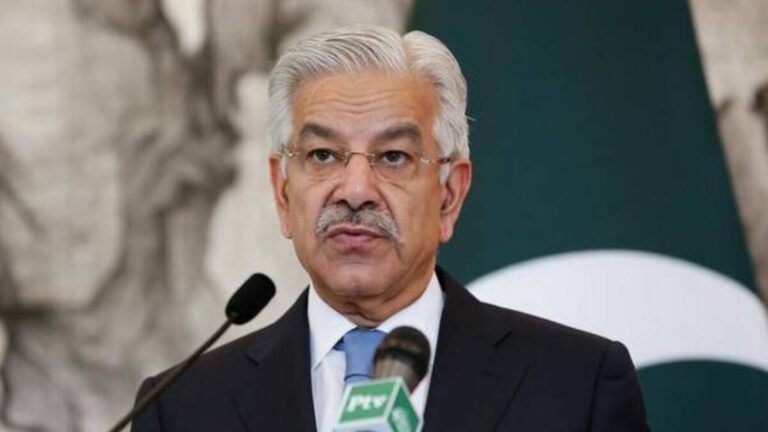
pakistan8217s exports hit
| |

Pakistan’s IT exports hit record $4.6 billio…

KARACHI: Pakistan’s information technology (IT) sector achieved a historic milestone in the fiscal year 2025-26, with IT and IT-enabled services (ITeS) exports reaching a record $4.6 billion, marking an impressive 21 percent increase from the previous year’s $3.81 billion. Although the sector narrowly missed the government’s $5 billion export target, the achievement reinforces Pakistan’s position as one of the country’s fastest-growing export industries and strengthens its long-term goal of reaching $10 billion in IT exports by FY2028-29.

Industry experts believe the strong performance reflects the steady expansion of Pakistan’s digital economy, driven by a growing pool of skilled professionals, rising demand for remote services, improved internet infrastructure and favourable tax incentives. However, they also caution that the sector must overcome structural challenges and shift towards innovation-led growth to sustain momentum.

Pakistan is home to more than 600,000 IT professionals and freelancers, alongside tens of thousands of registered software and IT-enabled services companies operating from major technology hubs in Karachi, Lahore and Islamabad. Secondary cities such as Faisalabad, Sialkot and Sukkur are also emerging as important contributors to the country’s digital workforce.

Software development, business process outsourcing (BPO), enterprise technology services, call centres and freelancing remain the backbone of Pakistan’s IT exports. Meanwhile, demand for advanced services including artificial intelligence (AI), cybersecurity, cloud computing, automation and digital consulting is expanding rapidly as global businesses seek specialised technology solutions.

The United States continues to be Pakistan’s largest export destination for IT services, followed by the United Kingdom, the Gulf region, Europe, Canada and several Asian markets. Experts say significant opportunities remain untapped in Saudi Arabia, the UAE, Qatar, Germany, Japan, South Korea, Australia, Africa and Central Asia, particularly in high-value technology sectors.

Industry leaders stress that Pakistan must diversify both its export markets and service offerings. They argue that relying mainly on traditional software development and low-cost outsourcing will limit future growth, while greater investment in AI-powered solutions, enterprise software, cybersecurity and digital transformation services can significantly increase export earnings.

Freelancers have also emerged as a major force in Pakistan’s digital economy, contributing an estimated $1.1 billion, or roughly a quarter of total IT exports, during FY2025-26. Online platforms have enabled thousands of professionals to access global clients, creating new employment opportunities and boosting foreign exchange inflows.

Beyond export revenues, the sector continues to generate employment, with thousands of technical positions available across the country. The expansion of remote work has also increased opportunities for women and professionals living outside major urban centres.

Experts believe the next phase of growth depends on moving beyond providing outsourced services to creating globally competitive technology products and intellectual property. They argue that Pakistan must position itself as a producer of innovation rather than simply a destination for low-cost software development.

The country’s AI ambitions are also gaining momentum. Under the National AI Policy 2025, Pakistan plans to establish AI centres of excellence, launch dedicated funding programmes, expand public-sector AI adoption and train around one million people in AI-related skills by 2030. New AI hubs are also being developed to support startups and accelerate innovation.

International partnerships are expected to play a key role in this transformation. Pakistan has strengthened technology cooperation with China through joint AI and IT initiatives and recently became a founding member of the World Artificial Intelligence Cooperation Organisation (WAICO). At the same time, interest from the United States has grown, with American investors pledging more than $20 million for Pakistan’s technology sector during a recent investment conference.

Connectivity has also improved through expanded submarine cable capacity, cross-border fibre links and stronger cloud infrastructure, making it easier for local companies to deliver digital services worldwide.

Despite the progress, industry stakeholders warn that policy uncertainty, foreign exchange restrictions, internet disruptions, energy costs, weak intellectual property protection and limited access to global payment systems continue to hinder faster growth. They believe addressing these challenges while promoting innovation and AI-driven technologies will be essential if Pakistan hopes to transform its record-breaking IT industry into a global technology powerhouse.
Similar Posts

  • |

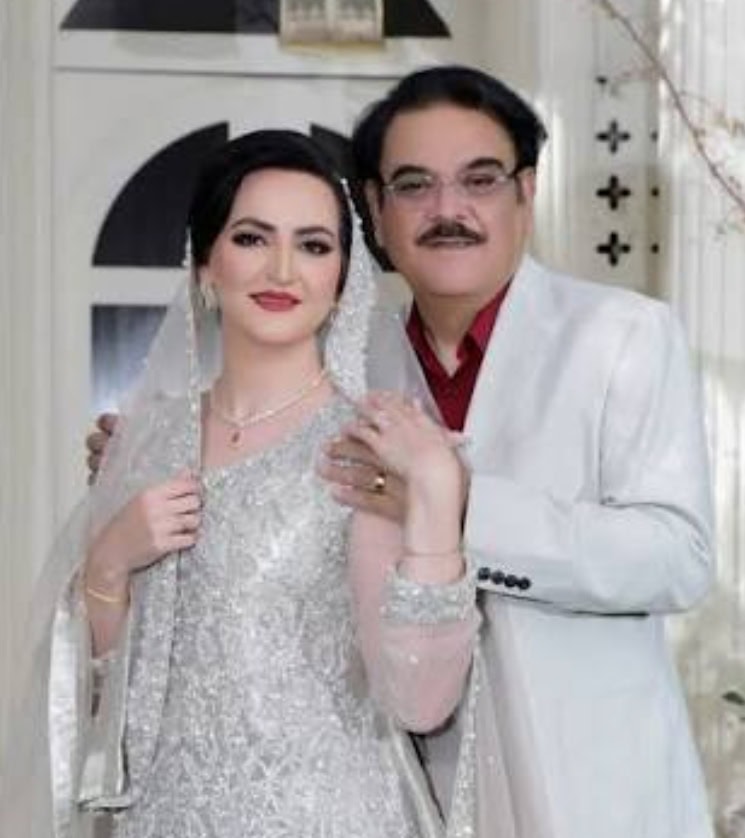
    Shahnawaz Zaidi opens up about love, loss, remarriage

    Renowned Pakistani poet, painter, professor and actor Shahnawaz Zaidi recently appeared as a guest on Good Morning Pakistan, where he spoke openly about his personal life, his first marriage, the loss of his wife and his decision to marry again. Zaidi, who began his teaching career at Punjab University and later served as a professor in Nairobi, has made significant contributions to literature, education and the arts. He has also been honored with the Tamgha-e-Imtiaz. He is the brother of renowned actor Sheheryar Zaidi and has appeared in several popular dramas, including Nashtar, Pamaal, Case No. 9 and Khushboo Mein Basay Khat. During the show, Zaidi reflected on his first marriage, describing it as a love marriage that lasted 37 years. He revealed that he had hoped to celebrate his golden jubilee with his wife but sadly, that dream could not come true. Speaking about how their relationship began, Zaidi said he was only 24 when he got married. He described himself as a poetic person who fell in love instantly and saw no reason to delay the marriage. However, the relationship faced opposition from both families because of differences involving sect, language and family backgrounds. According to Zaidi, his wife’s father had already chosen another man for her and was initially unwilling to reconsider his decision. Although Zaidi’s family was relatively modern, they too had reservations about his choice. Eventually, however, they accepted his decision. Zaidi also recalled that his wife had once called him in tears and told him that she was diabetic and that he should carefully consider marrying her. Her mother also suffered from diabetes. Despite the concerns, the couple went ahead with their marriage and eventually built a family together. The couple had six children, although Zaidi revealed that the first two pregnancies ended in abortion. Later, he received a job opportunity in Nairobi, and the couple moved there. He described their eight years in Nairobi as a blessing, explaining that the pleasant weather, excellent healthcare facilities and quality medical care his wife received made the experience particularly meaningful. Zaidi said his wife spent considerable time in hospitals during her pregnancies, but she received excellent care. He viewed their relocation to Nairobi as a blessing in disguise because all of their children were eventually born there. The veteran artist also spoke candidly about the difficult period following his wife’s death. He revealed that he had never planned to marry again and used to dismiss the idea of a second marriage. However, four years after his first wife passed away, he began experiencing a profound sense of detachment from life. He admitted that although he continued working and remained involved in various activities, he felt mentally lost and was falling apart emotionally. During this challenging period, he eventually began considering the possibility of remarriage. Zaidi said there was initially no one in his life, but he later met an Iranian woman who was considerably younger than him. Although he initially tried to avoid the idea of marriage, their relationship developed naturally and they eventually fell in love. He revealed that they have now been married for 10 years. Looking back, Zaidi said his second marriage was something he had never expected, but life ultimately took him in a direction he had not planned. His candid conversation offered viewers a deeply personal look into his experiences with love, marriage, loss, family and finding companionship again later in life.

  • |

    Government sets Rs1.676 trillion petroleum levy target for FY27

    The federal government has set an ambitious target of Rs1.676 trillion in petroleum levy (PL) collections for fiscal year 2026-27 (FY27), with the revenue plan based on an average levy of Rs80 per litre on petrol and High Speed Diesel (HSD). Minister for Energy (Petroleum Division) Ali Pervaiz Malik disclosed the details in a written response submitted to the National Assembly, explaining that the government is gradually restoring the petroleum levy in accordance with the revenue target approved under the federal budget. The levy has been adjusted several times since the beginning of the fiscal year as the government attempted to balance revenue requirements with the impact of fluctuations in international oil prices. According to the minister, the government had reduced the levy during a period of volatility in global oil markets to provide some relief to consumers. However, as part of its fiscal strategy and commitments to international financial institutions, the levy is now being increased in phases. Petroleum Levy Revised Multiple Times The petroleum levy structure underwent a series of changes during July and August. On July 1, the levy stood at Rs66.64 per litre on petrol and Rs79.54 per litre on HSD. A day later, on July 2, the rates were revised downward to Rs64.14 on petrol and Rs77.04 on HSD. The rates were subsequently changed again on July 4, when the levy on petrol was raised to Rs70.36 per litre, while the HSD levy was set at Rs70.82 per litre. The levy on petrol eventually reached the government’s budgeted benchmark of Rs80 per litre on July 11. The adjustment on HSD took place more gradually. The levy was increased in stages during August and reached Rs78.28 per litre on August 14. By August 20, the government had raised the levy to Rs80 per litre on both petrol and HSD, bringing both products in line with the budget assumption. As a result, the petroleum levy on petrol increased by Rs13.36 per litre between July 1 and August 20. Revenue Target Linked to Fiscal Commitments Responding to questions in the National Assembly, Malik said the petroleum levy collection target forms part of the government’s approved federal budget and is connected with broader fiscal commitments made with international financial institutions. The minister clarified that the Petroleum Division had not conducted a separate assessment of the impact of the levy on individual categories of consumers. The government is relying on petroleum levy receipts as an important source of non-tax revenue as it works to meet its overall fiscal targets for the financial year. The levy is particularly significant for the government’s revenue strategy because changes in the rate directly affect the amount collected from petroleum products sold in the domestic market. Relief Depends on Fiscal Space When asked whether the government could reduce the petroleum levy to provide relief to consumers, the minister said any decision would depend on several factors, including the government’s available fiscal space, revenue requirements, commitments to international financial institutions and movements in global oil prices. Malik also maintained that the government attempts to pass on the benefit of lower international petroleum prices to domestic consumers whenever fiscal conditions allow. This means that any substantial reduction in the petroleum levy or domestic fuel prices in the coming months is likely to depend on a combination of global oil market trends and the government’s budgetary position. The government’s decision to restore the levy to Rs80 per litre comes as authorities seek to strengthen revenue collection while simultaneously managing fuel prices and their impact on inflation and household budgets. For consumers, the levy remains a key component of the final retail price of petroleum products. Any increase or decrease in the levy can therefore influence the price paid at fuel stations, although the final price also depends on international oil prices, exchange-rate movements and other applicable taxes and charges. With the FY27 petroleum levy target set at Rs1.676 trillion, the government is expected to closely monitor both international energy prices and domestic revenue performance as it seeks to meet its fiscal commitments without placing additional pressure on consumers.

  • | | |

    NCCIA Punjab arrests 4 in cybercrime crackdown

    LAHORE: The National Cyber Crime Investigation Agency (NCCIA) Punjab has arrested four suspects during coordinated enforcement operations conducted in Lahore and Multan as part of its ongoing campaign against serious cybercrime. The cases involve the alleged trafficking of Child Sexual Abuse Material (CSAM), online harassment of a minor, cyber blackmail, and the unlawful sharing of intimate digital content. In the most significant operation, NCCIA investigators in Lahore arrested a suspect accused of possessing and distributing Child Sexual Abuse Material, including illegal content depicting the sexual abuse of children and animals. According to investigators, the material was allegedly circulated through online platforms for commercial purposes. Mobile devices and other electronic evidence were seized during the operation and have been sent for forensic examination. Investigators are working to identify additional victims, trace the origin of the material, and determine whether other individuals were involved. Child Sexual Abuse Material is regarded worldwide as one of the most serious forms of online criminal exploitation. The production, possession, distribution, or sale of such material is treated as a major criminal offence by law enforcement agencies across the globe. In a separate operation in Lahore, NCCIA officers arrested another suspect accused of using social media to harass and intimidate a minor. Investigators collected digital evidence that will form part of the continuing criminal investigation. In Multan, two additional suspects were taken into custody in separate investigations involving the alleged blackmail of female victims through private photographs and videos. Investigators allege that the suspects used WhatsApp and other online platforms to issue threats and unlawfully share sensitive digital content. Electronic devices and other evidentiary material were recovered during the operations, and forensic analysis is continuing. Director NCCIA Punjab Muhammad Ali Wasim said the agency will continue to pursue individuals involved in child exploitation, cyber extortion, online harassment, and related offences. He said crimes involving Child Sexual Abuse Material demand an immediate and uncompromising law enforcement response because of the serious harm they inflict on children. He also encouraged parents and members of the public to remain alert, supervise children’s online activity, and promptly report suspected cybercrime so that timely legal action can be taken.

  • | | |

    Zardari hails landmark Saudi-Turkiye-Pakistan pact

    President Asif Ali Zardari has praised Prime Minister Shehbaz Sharif and Chief of Defence Forces Field Marshal Syed Asim Munir for strengthening Pakistan’s strategic ties with Saudi Arabia and Turkiye through a landmark joint defence agreement. Prime Minister Shehbaz Sharif met President Zardari at Aiwan-e-Sadr on Friday and briefed him on the trilateral agreement reached at the Makkah Al-Mukarramah Summit on August 7. The prime minister also conveyed Independence Day greetings to the president. Under the agreement, an armed attack against any one of the three countries will be considered an attack against all three. The arrangement is aimed at deepening defence cooperation and strengthening collective security among the allied nations. President Zardari expressed hope that the agreement would be implemented effectively and contribute to regional peace, stability and security. He said closer cooperation among Pakistan, Saudi Arabia and Turkiye could also reinforce unity and security across the Muslim world. The president also acknowledged the capabilities and sacrifices of Pakistan’s armed forces and law enforcement agencies in combating terrorism and confronting security threats. He reiterated the state’s determination to eliminate terrorism and ensure lasting peace across the country. During the meeting, the economic challenges facing the people were also discussed. President Zardari stressed the need for practical steps to provide relief to citizens amid the difficult regional environment. He called for uninterrupted supplies of essential commodities and efforts to keep their prices within reach of the public. The president further expressed optimism that Pakistan’s diplomatic initiatives for regional and international peace would enhance the country’s standing globally. He said stronger diplomatic relations and strategic partnerships could eventually have a positive impact on the national economy and improve the lives of ordinary citizens.

  • |

    Pakistan dismisses Indian defence minister’s Azad Kashmir threats as attempt to hide domestic turmoil

    Defence Minister Khawaja Muhammad Asif has forcefully rejected comments by his Indian counterpart, Rajnath Singh, who declared that New Delhi would only hold talks on Azad Kashmir, claimed the Pakistani-administered region as an “integral part of India”, and warned that any attempt to undermine Indian sovereignty would invite a “decisive response” from its armed forces. Singh had also accused Islamabad of continuing to sponsor “terrorism” against India. Asif hit back directly, stating that Singh’s aggressive rhetoric was a clear attempt to “deflect the attention from internal turmoil and increasing unrest” following mass protests against Prime Minister Narendra Modi’s government. He warned New Delhi against distortion and military posturing, emphasising that while Pakistan remains committed to peace, its resolve to defend its sovereignty is absolute and must never be tested. The Pakistani Foreign Office echoed these concerns, calling on the United Nations to hold India accountable to Security Council resolutions guaranteeing the Kashmiri people’s right to self-determination.

  • | |

    372 honoured with Pakistan Civil Awards on Indepen…

        ISLAMABAD: The Government of Pakistan has announced the Pakistan Civil Awards 2026 honouring 372 Pakistani citizens, overseas Pakistanis and foreign nationals for their outstanding achievements, services and acts of courage in various fields. The awards were announced on August 14, 2026 on the occasion of Independence Day, by the President of Pakistan. According to an official press release issued by the Cabinet Division, the honours recognise individuals who have demonstrated exceptional performance, excellence, dedication and bravery. The awards will formally be conferred at an Investiture Ceremony on Pakistan Day, March 23, 2027. The recipients come from diverse fields, including science, engineering, education, medicine, literature, arts, sports, journalism, social welfare, philanthropy and public service. A significant number have also been recognised for gallantry and sacrifices made while performing their duties. Among scientists, Dr Shahid Mahmud has been selected for the Hilal-i-Imtiaz in Science (I.T.), while Prof Dr Syed Zafar Ilyas and Prof Dr Mudassir Asrar will receive the Sitara-i-Imtiaz. Several other scientists, including Dr Sajjad Hussain, Prof Dr Aneela Zameer Jaffery and Dr Urooj Saeed, have been selected for the Tamgha-i-Imtiaz. Engineers Dr Muhammad Sadiq and Prof Dr Naeem-ul-Haq Tariq have also been named for the award. In education, Prof Sheikh Imtiaz Ali (late) has received the Nishan-i-Imtiaz posthumously. Lt Gen (retd) Moazzam Ejaz has been selected for the Hilal-i-Imtiaz, while other educators and researchers have been recognised with Sitara-i-Imtiaz and Tamgha-i-Imtiaz. The government has also honoured numerous doctors and health professionals. Prof Faisal Saud Dar has been selected for the Hilal-i-Imtiaz, while the late Prof Dr Tahir Shamsi has been awarded the Sitara-i-Imtiaz posthumously for his contributions to bone marrow transplantation. The arts category includes actors, singers, musicians, painters and theatre personalities. Sultana Siddiqi has been selected for the Hilal-i-Imtiaz, while Nisho Begum, Iftikhar Ahmed Thakur, Syed Fasih Uddin Soharwardhy, Shakir Hussain, Taranam Naz and Saira John Peter are among those receiving the Sitara-i-Imtiaz. Numerous performers and traditional artists have also been recognised through the Presidential Award for Pride of Performance and Tamgha-i-Imtiaz. Literary figures have also featured prominently. Asad Muhammad Khan has been selected for the Nishan-i-Imtiaz for his contributions to fiction, drama and poetry, while Ejaz Rahim and Muhammad Khurshid Ul Hasan Rizvi will receive the Hilal-i-Imtiaz. Sports personalities, including wrestler Bashir Bhola, shooter Kishmala Talat, squash player Noor Zaman, boxer Muhammad Waseem and cricketer Sadiq Muhammad, have also been recognised. Journalists Muhammad Saleh Zaafir and Haji Nawaz Raza have been selected for the Sitara-i-Imtiaz, while several other media professionals will receive Pride of Performance and Tamgha-i-Imtiaz awards. Public service remains one of the largest categories, with Muhammad Ishaq Dar, Mohsin Naqvi, Muhammad Aurangzeb, Ahad Khan Cheema and Bilal Azhar Kayani selected for the Nishan-i-Imtiaz. The list also includes numerous military personnel, police officers and civilians recognised for bravery. Forty-three individuals have been named for the Sitara-i-Shuja’at, with many receiving the honour posthumously for sacrificing their lives in the line of duty. Several foreign nationals have also been honoured for their services to Pakistan. Sheikha Fatima bint Mubarak has been selected for the Nishan-i-Pakistan, while other international figures have been chosen for various civil awards. The government has separately recognised overseas Pakistanis for their contributions, with recipients selected for honours including the Nishan-i-Imtiaz, Hilal-i-Imtiaz, Sitara-i-Imtiaz and Tamgha-i-Imtiaz. The official notification was issued by Cabinet Secretary Kamran Ali Afzal on August 14. The awards will be formally presented on March 23, 2027.

Leave a Reply

Your email address will not be published. Required fields are marked *