cambodia initiates conciliation

Cambodia Initiates UN Conciliation Process Over Maritime Dispute With Thailand

BANGKOK, Thailand — Cambodia has formally notified the United Nations and Thailand of its decision to initiate a compulsory conciliation process under international law to resolve a longstanding maritime boundary dispute in the Gulf of Thailand. The diplomatic move follows Thailand’s recent unilateral termination of a 2001 bilateral agreement that had previously provided a framework for negotiations over the overlapping maritime claims.

Cambodia Protests Thailand’s Registration Of Disputed Border Temples As Unlawful

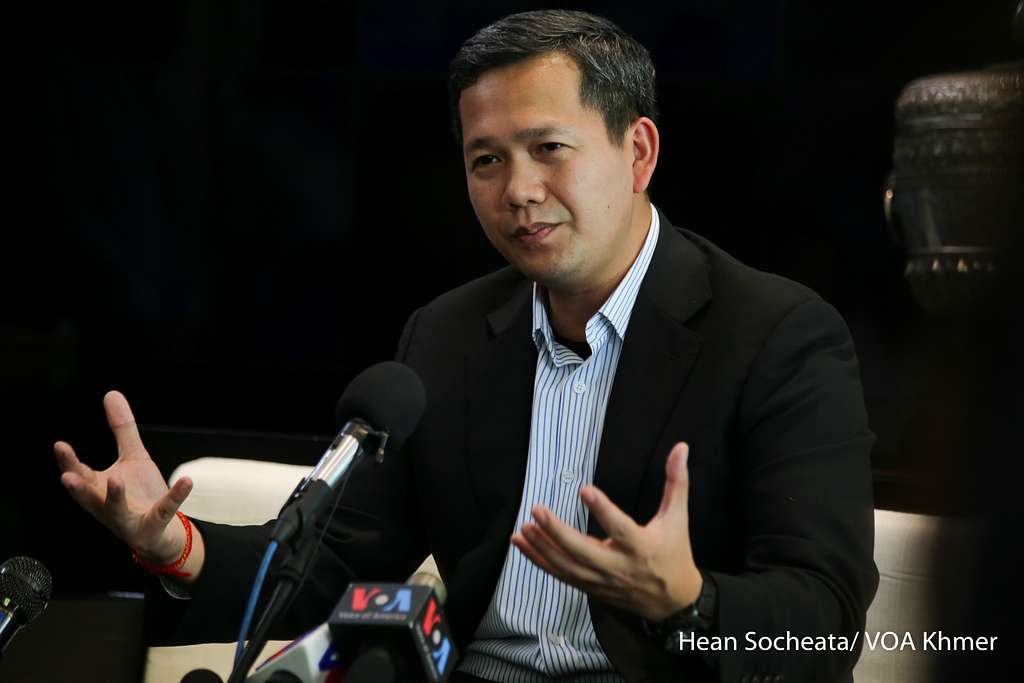
Cambodian Prime Minister Hun Manet stated that the decision was taken to protect the nation’s sovereignty and maritime rights in strict accordance with international legal frameworks. Under the United Nations Convention on the Law of the Sea (UNCLOS), this compulsory conciliation process will involve a panel of independent experts examining the dispute and issuing recommendations, though these findings will not be legally binding on either party. To advance the proceedings, Cambodia has appointed Foreign Minister Prak Sokhonn as its official agent, alongside Danish diplomat Peter Taksøe-Jensen and French academic Jean-Marc Thouvenin to serve as conciliators.

Thailand now has 21 days to appoint two of its own conciliators, who will subsequently select a chair to finalize a conciliation commission overseen by the UN Secretary-General. Historically, Bangkok has consistently rejected efforts to resolve such disputes through international mechanisms, including the International Court of Justice, maintaining that maritime and border issues should be settled exclusively through direct bilateral negotiations. The Thai Ministry of Foreign Affairs did not immediately respond to requests for comment regarding the new diplomatic maneuver.

At the heart of the dispute is the Overlapping Claims Area (OCA) in the Gulf of Thailand, a maritime zone of approximately 26,000 square kilometers claimed by both nations. The region is estimated to contain nearly 12 trillion cubic feet of natural gas and substantial oil reserves, with a total estimated value of around 300 billion US dollars. Recent global energy market volatility, exacerbated by ongoing conflicts in the Middle East, has created renewed urgency for both nations to resolve the dispute and unlock these vital undersea energy resources.

The diplomatic escalation occurs against a backdrop of heightened nationalist sentiment in Thailand, following the February 2026 re-election of Prime Minister Anutin Charnvirakul. The cancellation of the 2001 agreement was a prominent campaign pledge of his administration. This political shift follows a period of severe bilateral tension, marked by two rounds of deadly military clashes along the countries’ 817-kilometer shared border last year. The conflict, which resulted in nearly 150 fatalities and displaced hundreds of thousands of civilians, saw both sides trade accusations over who initiated the hostilities. A fragile ceasefire has remained in place since late December, following diplomatic intervention by former U.S. President Donald Trump.

Thailand Prioritizes Bilateral Talks With Cambodia On Maritime Boundary Dispute

As the mandatory 21-day window for Thailand to respond begins, regional observers are closely monitoring whether Bangkok will engage with the UN-led conciliation process or maintain its long-standing stance on bilateral exclusivity. The outcome of this diplomatic maneuver could significantly impact regional stability, energy security, and the future of diplomatic relations between the two neighboring Southeast Asian nations.

Similar Posts

  • | | |

    Cabinet clears Rs1.8bn bureaucrats’ allowanc…

    The federal cabinet has approved a new Rs1.8 billion special allowance for senior bureaucrats despite continuing austerity measures and limiting the salary increase for government employees to 7% in the 2026-27 federal budget. The decision was taken during the cabinet meeting that approved the federal budget in June. The new benefit is the second special allowance granted to top civil servants in the past four years. It comes at a time when the government is urging public institutions to reduce spending and maintain fiscal discipline. The newly approved incentive has been named the All Pakistan Services Provincial Governments’ Cadre Posts’ Parity Allowance. It will be effective from July 1, 2026. The approved allocation of Rs1.8 billion indicates that the allowance could be close to 100% of an officer’s basic salary, although the government has yet to announce the final rate and eligibility criteria. Officials have not publicly explained why the allowance was introduced or whether any formal study was conducted before approving it. Government departments also did not clarify the exact structure of the benefit. According to officials familiar with the matter, the allowance is intended to reduce differences in salaries and benefits between officers serving in the federal government and those working in provincial governments. Authorities believe many senior officers prefer provincial postings because they receive better financial incentives and additional privileges. The government also wants to encourage members of the Pakistan Administrative Service and the Police Service of Pakistan to continue serving in federal institutions by offering competitive compensation. However, the decision has drawn criticism from observers who argue that the move increases inequality within the public sector. While senior bureaucrats continue to receive additional financial benefits, the majority of government employees have received only a modest salary increase despite rising inflation and increasing living costs. Analysts believe the decision could encourage other civil service groups to demand similar allowances, putting additional pressure on the government’s finances and complicating future pay reforms. The cabinet also approved a major revision to the 150% executive allowance introduced in 2022. Instead of calculating the allowance on the 2017 basic pay scale, it will now be based on officers’ current basic salary as of June 30, 2026. This change will substantially increase payments for officers serving in grades 17 to 22 across key federal institutions. At the same meeting, the government extended austerity measures for another fiscal year. The restrictions include a ban on purchasing new vehicles and non-essential equipment, creating new posts, unnecessary foreign visits, and other non-priority expenditures. Government meetings and official events will continue to follow a simple catering policy.

  • | | |

    Pakistan warns India against Kashmir ‘adventuris…

    Pakistan has strongly condemned recent remarks by Indian Defence Minister Rajnath Singh about Jammu and Kashmir. Islamabad warned New Delhi against any move that could increase tensions between the two nuclear-armed neighbours. The Foreign Office said Singh’s comments were provocative and irresponsible. It said the remarks misrepresented the internationally recognised position on the Kashmir dispute. Pakistan maintained that the Jammu and Kashmir issue remains on the agenda of the United Nations Security Council. Islamabad said relevant UN resolutions remain an important part of the international framework surrounding the dispute. The Foreign Office said India could not change the disputed status of Kashmir through political statements. It also rejected what it described as attempts to present the issue as settled through unilateral claims. Pakistan warned India not to underestimate the resolve of its government and people. The Foreign Office said Islamabad was determined to protect the country’s interests and respond to any attempt at military adventurism. The statement also called on the international community to take notice of India’s policies. Pakistan specifically urged the United Nations to pay attention to what it described as India’s failure to comply with relevant Security Council resolutions. Islamabad said the Indian minister’s comments appeared to divert attention from other issues. The Foreign Office referred to Pakistan’s allegations concerning the situation in Indian-administered Jammu and Kashmir. The statement also accused India of contributing to regional instability. Pakistan said threatening rhetoric could have wider consequences for peace and security in South Asia. The latest response came a day after Defence Minister Khawaja Asif rejected Singh’s remarks. Asif said political statements from New Delhi could not alter the internationally recognised nature of the Kashmir dispute. Asif also criticised what he called intimidation and threatening rhetoric. He said Pakistan would not accept attempts to change established positions through unilateral declarations. Relations between Pakistan and India have remained tense for decades, with Kashmir continuing to be a major source of disagreement. Both countries claim the disputed region, while controlling separate parts of it. Pakistan has consistently called for the Kashmir issue to be resolved through the relevant international framework. Islamabad has also stressed the right of the Kashmiri people to determine their political future. The latest exchange of statements has further highlighted the deep differences between the two countries. Pakistan has urged India to avoid actions and statements that could worsen the regional security situation. Islamabad’s warning comes as both sides remain highly sensitive to developments involving Kashmir. Pakistani officials have repeatedly said that peace in South Asia requires dialogue and respect for international commitments.

  • | |

    Turkey submits bill to parliament aimed at reinteg…

    Turkey’s governing coalition put forward a draft law before parliament on Wednesday designed to secure lasting peace with the Kurdistan Workers’ Party, offering legal protection from prosecution to many former fighters and suspending prison terms for others. The legislation represents a significant step toward closing out an insurgency that has claimed more than 40,000 lives since 1984, deepened political divisions inside Turkey and spilled violence into neighboring Iraq and Syria over four decades. The bill aims to bring the long running conflict to a close in part by clearing the way for potentially thousands of former PKK fighters and civilians to return to Turkey from hideouts in northern Iraq. The measure carries support from a majority of lawmakers and is expected to clear parliament later this week, though public opinion polls suggest many Turks remain doubtful it will deliver a durable peace. Under the bill, Turkey’s national security council would confirm the group’s disarmament, while a dedicated committee, including the vice president, several cabinet ministers and the head of the MIT intelligence service, would supervise the surrender and disarmament of militants. That committee would then report on the process to a parliamentary oversight commission. According to the text of the legislation, the bill would suspend prison sentences for individuals convicted of PKK membership or of assisting the organization. It would also extend legal protection to fighters who were not involved in killings, provided they return to Turkey within six months of the law taking effect. PKK figures convicted of more serious offenses, including leading a terrorist organization or sentenced to aggravated life terms before 2005, would fall outside the scope of these protections and would not receive suspended sentences. That exclusion means PKK founder Abdullah Ocalan, who has been imprisoned since 1999 under an aggravated life sentence, would remain behind bars even as the broader peace process moves forward. Ocalan called on the PKK to lay down its weapons and dissolve last year, a call the group’s leadership accepted. President Tayyip Erdogan’s governing AK Party secured backing for the bill, formally titled the national solidarity and social integration law, from its nationalist ally the MHP as well as the pro Kurdish DEM Party. Most other parties in parliament, including the main opposition, have also expressed support for the legislation. DEM co chair Tuncer Bakirhan described the vote as an important first step, saying he hopes the process continues forward in a constructive direction. The peace initiative between Turkey, which fields NATO’s second largest army, and the PKK first got underway in late 2024. It nearly stalled earlier this year, however, as the war involving Iran raised fears of wider regional instability and diverted attention from the domestic peace effort. Turkey, along with the United States and the European Union, classifies the PKK as a terrorist organization. The group launched its armed campaign in 1984, initially demanding an independent Kurdish state in southeastern Turkey before later shifting its goals toward greater autonomy and expanded political rights for Kurdish communities within Turkey. The legislation now heads toward a parliamentary vote expected within days, marking one of the most consequential efforts yet to formally end a conflict that has shaped Turkish domestic politics and regional security dynamics for more than a generation.

  • | |

    Maryam slams PPP over AJK election rigging claims

    Punjab Chief Minister Maryam Nawaz has accused the Pakistan Peoples Party (PPP) of adopting double standards over election results, saying the party did not allege rigging when it won in Gilgit-Baltistan but raised accusations of electoral fraud after losing in Azad Jammu and Kashmir (AJK). Addressing a meeting of the Pakistan Muslim League-Nawaz (PML-N) parliamentary party in AJK, Maryam Nawaz said the PML-N had secured victory in the AJK elections, describing the result as a wise decision by the people despite difficult circumstances. She said the people of AJK had defeated violence, unrest, bloodshed, protests and strikes through the power of their vote. According to her, certain elements wanted to create conflict between Pakistan and AJK, but the election result was a major setback for them. Maryam said the people of AJK knew what they wanted and were aware of the development work being carried out in the federal government and Punjab. She maintained that voters had chosen development and progress over confrontation and instability. The Punjab chief minister said the election was not the biggest test for the PML-N, adding that the real test had now begun. She said her party had faced numerous conspiracies and challenges, while its leaders had also gone through difficult phases. “We have to start working from day one and should not spend time enjoying protocols and invitations,” she said. Referring to the 2021 AJK elections, Maryam said the PML-N had won 17 seats while the Pakistan Tehreek-e-Insaf (PTI) had secured three seats. She said immediate work would begin for AJK once the government was formed, stressing that the new administration should focus on public welfare and development. Maryam Nawaz also described PML-N supremo Nawaz Sharif as the founder of modern Pakistan, saying the party would continue its efforts to promote development and progress.

  • | | |

    Rising fuel taxes add to motorists’ burden

    Consumers are facing a growing burden of taxes and other charges on petrol and high-speed diesel. Official documents show that the difference between the basic cost and retail price of petrol is Rs139.93 per litre. For high-speed diesel, the difference stands at Rs116.10 per litre. The documents show that the basic cost of one litre of petrol is Rs197.69. However, consumers are currently paying Rs327.62 per litre. Several taxes, levies and margins are included in the retail price. These charges significantly increase the amount paid by consumers at fuel stations. Petrol carries a petroleum levy of Rs80 per litre. A climate support levy of Rs5 is also imposed. The price also includes Rs21.24 in customs duty. An Inland Freight Equalisation Margin of Rs7.48 is charged per litre. Oil marketing companies receive a margin of Rs7.87 per litre. Dealers are paid a margin of Rs8.64 per litre. As a result, consumers pay Rs130.23 per litre in combined levies, taxes and margins on petrol. The situation is similar for high-speed diesel. Its basic cost is Rs264.76 per litre. However, its retail price has been fixed at Rs380.86 per litre. According to the documents, consumers pay around Rs116 per litre in levies, taxes and different margins on high-speed diesel. The petroleum levy on high-speed diesel is Rs74.28 per litre. The fuel also carries a climate support levy of Rs5 per litre. Customs duty accounts for another Rs15.68 per litre. The Inland Freight Equalisation Margin stands at Rs4.63. Oil marketing companies receive a margin of Rs7.87 per litre. Dealers receive Rs8.64 per litre as their margin. The figures show that taxes, levies and various margins form a significant portion of the final prices of both fuels. The additional charges directly affect motorists and consumers. They also increase transportation and operating costs for businesses that depend heavily on fuel. The rising cost of petrol and diesel can also put pressure on the prices of goods and services. Transport operators, traders and other businesses often pass higher fuel costs on to consumers.

  • |

    Police seek more time in medical student harassmen…

      MIRPUR KHAS:Police have asked a local court for additional time to submit the final challan in the case involving the alleged suicide of a female student at a private medical college in Mirpur Khas. The request came during a hearing before the Judicial Magistrate, where the investigation team sought more time to complete the remaining legal formalities. Investigation team head and SSP Suhai Aziz told the court that police were still waiting for the forensic examination report of the deceased student’s mobile phone. Police say the phone’s forensic findings could provide important evidence for the investigation, particularly regarding the circumstances surrounding the student’s death and the allegations of harassment. The court accepted the police request and adjourned the hearing until August 15, when investigators are expected to provide an update on the progress of the case and the submission of the final challan. The student died by suicide on April 10, allegedly after facing harassment at the private medical college. Following the incident, police registered a case against five people, including the college principal and a lecturer. The lecturer remains in police custody in connection with the case, while the other suspects have secured bail from the court. The case has drawn attention because of allegations that harassment contributed to the student’s death. Investigators are now waiting for the forensic report before finalising the challan and presenting the complete findings before the court. The court’s next hearing on August 15 is expected to clarify whether police will submit the final challan or seek further time to complete the investigation.

Leave a Reply

Your email address will not be published. Required fields are marked *