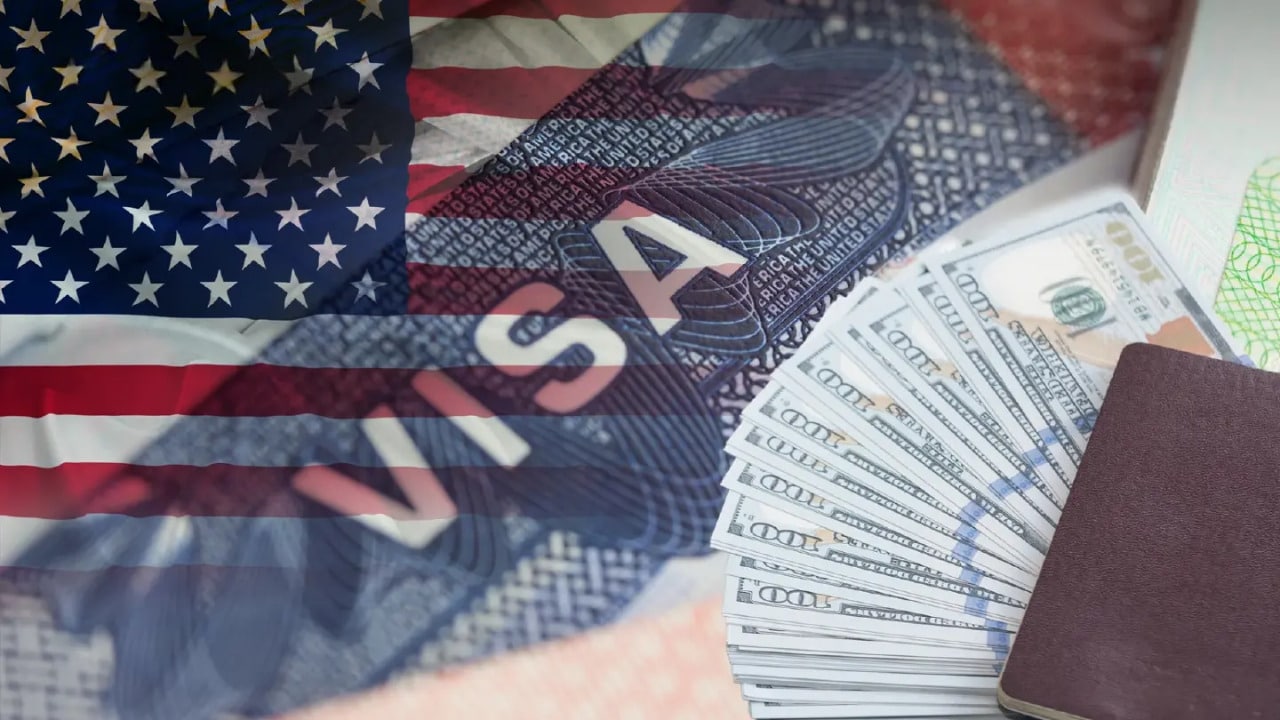
makes visa bond

US Makes Visa Bond Permanent for 50 Countries: Bonds Start at $10,000

WASHINGTON, D.C. – The United States is officially making its controversial visa bond program permanent. Starting on August 3, some foreign visitors will have to pay a massive fee. This strict rule applies to business and tourist visa applicants from 50 specific countries.

Consular officers now have the power to demand a large cash bond. They will require this before granting any B-1 business or B-2 tourist visas. The US government insists this will stop people from overstaying their allowed time.

Key Takeaways

  • The visa bond rule is now a permanent policy. It officially begins enforcement on August 3 across US embassies.
  • Travelers from 50 different countries are now affected. Thirty of these nations are located on the African continent.
  • Officers can ask for bonds up to $20,000. This high fee is designed to prevent visitors from breaking immigration laws.

Explaining the New US Visa Bond Rules

This final rule gives American consular officers incredible power over travelers. They will closely examine every single applicant’s personal background and travel plans. If they see a risk, the officer can demand a huge financial deposit.

Under the permanent system, there are three specific bond amounts available. Eligible travelers might be forced to pay $10,000, $15,000, or even $20,000. This is a massive shift from how the earlier pilot program operated.

The old trial program actually allowed for a smaller $5,000 bond option. However, the final rule completely removes that lowest tier from the table. Furthermore, it raises the absolute maximum bond amount to $20,000.

This steep price increase will undoubtedly block many people from visiting. Most middle-class families and small business owners simply lack that extra cash. As reported by the Department of State, 50 specific nations are targeted.

Some of the impacted countries include places like Bangladesh, Nepal, and Venezuela. A staggering 30 out of the 50 affected nations are in Africa. If you live in one of these areas, global travel just got much harder.

Why the US is Enforcing Visa Bonds

The primary purpose behind this program is enforcing tough immigration control. American officials desperately want to lower the number of visa overstays annually. They truly believe a costly financial bond will force foreign visitors to leave on time.

If a traveler decides to stay past their visa, they forfeit the money. The US government thoroughly tested this concept with a limited pilot scheme first. That trial involved the Department of State and the Department of Homeland Security working together.

The Department of the Treasury also played a major role in the initial trial. Official government notices declare that the pilot scheme was a major success. It successfully convinced visa holders to obey the rules and fly home promptly.

Because of this success, officials chose to write it into permanent law. President Donald Trump has routinely defended these types of aggressive immigration policies. He argues that such strict measures are completely necessary to protect national security.

The current administration views this as a practical way to fight unlawful entry. They want tourists and visiting business professionals to respect America’s physical borders. Sadly, these new regulations simply make legal immigration significantly more expensive for everyone.

Criticism and Concerns from Rights Groups

While government officials praise the new rule, immigration advocates are pushing back. They strongly warn that requiring a $20,000 bond will punish legitimate travelers. Most everyday people cannot afford to leave such large deposits with a foreign government.

Human rights groups argue this policy creates an unfair financial wall. They point out that the rule directly hurts honest, lower-income applicants the most. Additionally, many vocal critics view this as part of a wider immigration crackdown.

Some advocacy organizations claim these harsh measures damage fundamental freedom of expression. They constantly worry this will create a hostile and unsafe environment for ethnic minorities. Critics also strongly fear the new program will encourage widespread racial profiling.

Beyond the bond, the administration has increased fees for many other visa types. They have instituted much tighter social media screening for all new visa applicants. Even legal immigrants already living inside the United States face harder screening today.

Ultimately, taking a trip to the United States is becoming much more complicated. The permanent visa bond program is simply one major hurdle in the process. It is incredibly clear that entering America now requires a lot more time and money.

Frequently Asked Questions (FAQ)

What exactly is the US visa bond program?

It is a federal rule requiring certain travelers to pay a large cash bond. This bond guarantees the visitor will leave the United States before their visa expires.

How much does the permanent visa bond cost?

Consular officers can set the required bond amount at $10,000, $15,000, or $20,000. The previous $5,000 option was completely removed from the permanent rule.

Who actually has to pay this new US visa bond?

Applicants applying for B-1 business and B-2 tourist visas from 50 specific countries. Thirty of these impacted nations are located in Africa.

When does this permanent immigration rule start?

The final rule officially takes effect on August 3. On that day, consular officers will begin demanding bonds based on individual applicant circumstances.

Trending News:

Thailand Updates Visa Rules: Indian Tourists Shift to 15-Day Visa-Free Entry

Thailand’s 60-Day Visa-Free Stay Is Ending: What Tourists and Long-Stay Expats Need to Know
 

Similar Posts

  • | | | |

    Two UAE-linked ships attacked in Strait of Hormuz,…

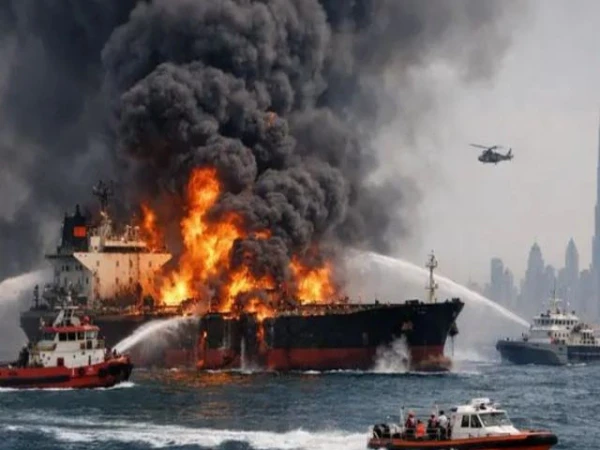
    DUBAI: Two vessels belonging to Abu Dhabi National Oil Company (ADNOC) were attacked while passing through the Strait of Hormuz on Thursday evening, according to the UAE state news agency WAM and ADNOC. No injuries or deaths were reported. ADNOC said the situation had been brought under control and that authorities were managing the incident. The company did not immediately provide detailed information about the vessels, their cargoes or the extent of any damage. The United Arab Emirates has accused Iran of carrying out the attack, while Tehran has not immediately commented on the allegation. The UAE Foreign Ministry condemned what it described as a hostile Iranian attack and said targeting commercial shipping posed a threat to regional stability and global energy security. The incident is the latest in a series of attacks involving ADNOC-linked vessels in the strategic waterway. The company said earlier this month that 15 of its vessels had been attacked by missiles and drones since the conflict began, with one crew member killed and 20 injured in previous incidents. ADNOC said the safety and wellbeing of its crews, particularly maritime workers, remained its highest priority. It also stressed the importance of maintaining safe navigation and freedom of movement through the Strait of Hormuz. The latest attack comes as shipping traffic through the waterway remains well below normal levels amid heightened tensions between Iran and the United States. Kpler data showed that only nine commodity vessels passed through the strait on Thursday, compared with an August daily average of about 12. The Strait of Hormuz, located between Iran and Oman, is one of the world’s most important energy chokepoints. Before the current conflict, roughly one-fifth of global oil and liquefied natural gas shipments passed through the narrow waterway. Repeated attacks and growing security concerns have forced shipping companies to reassess routes, while some vessels have delayed or avoided transit altogether. ADNOC urged the public to rely only on official and verified information about the latest incident and avoid spreading rumours or unconfirmed claims. With tensions still high around the waterway, the latest attack has renewed concerns over the safety of commercial shipping and the potential impact on global energy markets.

  • | | |

    Ukrainian Ambassador Visits Pattaya to Strengthen Ties and Boost Tourism Cooperation

    Pattaya, July 23rd, 2026 – Mayor Poramese Ngamphichet of Pattaya City, together with city executives and heads of government departments, welcomed H.E. Mr. Viktor Semenov, Ambassador of Ukraine to Thailand, and his delegation at Meeting Room 132 of Pattaya City Hall. The visit was to discuss avenues for cooperation and further strengthen bilateral relations between […]

  • | | |

    Shein posts $99m loss ahead of Hong Kong IPO

    Online fashion retailer Shein has reported a $99 million loss for the first quarter of 2026, highlighting the growing impact of higher import costs, weaker US sales and increased regulatory pressure. The company had recorded a $395 million profit during the same period a year earlier. Its latest financial disclosure comes as Shein prepares for a planned listing in Hong Kong. The company has not yet revealed the size of the initial public offering, expected share price, listing date or the amount it hopes to raise. However, the filing provides investors with a clearer picture of the challenges facing the fast-fashion giant ahead of its potential market debut. A major factor behind the weaker performance is the removal of a US duty exemption for low-value packages. The previous system allowed goods worth less than $800 to enter the country without import duties. Shein said the change has negatively affected its US sales and overall growth while increasing operating expenses. Products of Chinese origin sold through the company and shipped to the US are now subject to taxes ranging from 10% to 87.5%, according to the filing. The company said it is considering several measures to manage the higher costs, including raising prices for American customers. Shein’s US revenue fell 14.3% to $2.04 billion in the first quarter, compared with $2.38 billion a year earlier. The US remains one of its most important markets, although its contribution to total revenue has declined. The company is also facing additional pressure in Europe. The European Union has introduced a €3 charge on low-value e-commerce imports, a move aimed at addressing concerns over competition from low-cost overseas sellers. Shein warned that the European market could experience an impact similar to, or greater than, the one seen in the US following the removal of the duty exemption. The retailer’s financial performance had already weakened in 2025. Its annual revenue increased by 8% to $41.85 billion, but net income dropped nearly 39% to $2.06 billion. Growth also slowed significantly compared with the previous year. Part of the latest quarterly loss was linked to a $328 million accounting charge related to the changing value of convertible preferred shares held by investors. Shein has also faced growing scrutiny over labour practices, environmental concerns and the impact of its business model. The company has defended its policies and said it maintains strict standards against labour abuses within its supply chain. Shein received approval from Chinese regulators for its Hong Kong listing in July, clearing an important hurdle after earlier efforts to pursue listings in New York and London did not materialise.

  • | | |

    Syria sentences former President Bashar al-Assad to death

    A Syrian court has sentenced former President Bashar al-Assad to death over allegations of premeditated and deliberate killings. The sentence was issued in absentia. Assad was not present in court when the ruling was announced. The court also sentenced Atef Najib, a former security official who served during Assad’s rule, to death. According to the court, the charges against Assad relate to allegations of killings that were deliberately planned and carried out. The ruling marks a major development in the legal proceedings against the former Syrian president. Assad was removed from power before the court issued the sentence. The court proceeded with the case in his absence. It reached its decision based on the charges brought against him. Atef Najib was also named in the proceedings. He served as a security official during the Assad era and was handed the same punishment. The court described the alleged crimes as involving premeditation and deliberate killing. These allegations formed the basis of the death sentences. The development comes amid continued legal and political efforts concerning officials associated with the former Syrian government. The ruling against Assad could become an important part of the legal record surrounding his years in power. The former president has faced allegations related to serious abuses during the conflict in Syria. The latest court decision focuses specifically on charges of premeditated and deliberate murder. The sentence was announced without Assad appearing before the court. The court also issued its decision against Najib in connection with the same proceedings. Further legal developments could determine how the sentences are handled and whether additional proceedings follow. According to the reported ruling, the former Syrian leader was convicted on charges described as war crimes and crimes against humanity. The decision marks a significant development in legal proceedings against senior figures from Assad’s former government. Assad ruled Syria for nearly 24 years after succeeding his father, Hafez al-Assad, in 2000. His government faced years of armed opposition after protests erupted across the country in 2011. The conflict developed into a prolonged civil war involving Syrian government forces, opposition groups and several foreign powers. The war caused widespread destruction and a major humanitarian crisis. Millions of Syrians were forced to leave their homes, while large numbers sought refuge in neighbouring countries and beyond. Assad remained in power throughout most of the conflict. His government was accused by international organisations and rights groups of carrying out serious abuses against civilians. The former government repeatedly rejected many of the allegations. Assad’s rule eventually came to an end in December 2024. Opposition-led forces advanced towards Damascus, forcing him to leave the country with members of his family. He subsequently travelled to Moscow, where Russia provided him with protection. The latest verdict is the first death sentence against Assad under Syria’s transitional authorities. The new authorities have begun legal proceedings against officials and figures associated with the former government. Some defendants have appeared before the courts in person, while proceedings against others have been conducted in absentia. The case against Assad is therefore being closely watched as part of broader efforts to address alleged crimes committed during the conflict. The death sentence also represents a dramatic reversal for a leader who remained at the centre of Syrian politics for decades.

  • |

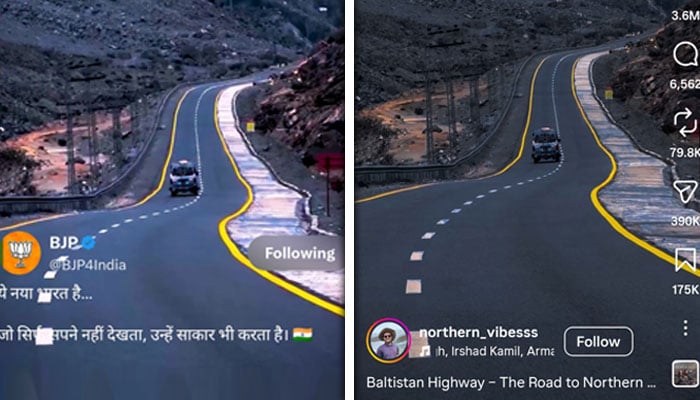
    BJP removes misattributed Pakistan highway video

    India’s ruling Bharatiya Janata Party (BJP) faced criticism after sharing a video from Pakistan’s Gilgit-Baltistan region to highlight India’s development achievements. The video was posted on the BJP’s official social media account. It was presented as an example of the progress of a “new India.” The caption claimed that India was not only dreaming of development but also turning those dreams into reality. However, social media users quickly identified the footage as a highway located in Gilgit-Baltistan, a region administered by Pakistan. The video was not related to any Indian development project. The footage was originally created by Pakistani digital content creator Northern Vibes. The creator has a large following on Instagram and regularly shares travel and landscape videos from northern areas of Pakistan. After noticing that the BJP had used the video, Northern Vibes shared a screenshot of the post on social media. The creator questioned how a road in Baltistan was being shown as part of India’s infrastructure progress. The content creator also alleged that the video had been used without permission and described it as unauthorized use of original content. The issue quickly gained attention online, with many users criticizing the BJP for sharing unverified material. Several social media users accused the party of using misleading content to promote its political message. The criticism intensified as more users pointed out the actual location shown in the video. The controversy also sparked discussions about digital copyright, content ownership and the need to verify online material before publishing it through official accounts. Following the growing backlash, the BJP removed the video from its official social media platform.

Leave a Reply

Your email address will not be published. Required fields are marked *