admiral naveed ashraf
|

Admiral Naveed Ashraf makes historic IISS address as UK visit deepens Pakistan-Britain defence ties

LONDON: Chief of the Naval Staff Admiral Naveed Ashraf has concluded a high-profile official visit to the United Kingdom, highlighted by a landmark address at the International Institute for Strategic Studies (IISS) in London—the first by any serving Pakistan Navy chief.

Chief of the Naval Staff Admiral Naveed Ashraf has concluded a high-profile official visit to the United Kingdom, highlighted by a landmark

Addressing one of the world’s leading strategic think tanks, Admiral Ashraf outlined Pakistan’s perspective on the evolving security landscape in the Indian Ocean, stressing the importance of regional maritime stability, freedom of navigation and enhanced international cooperation to tackle emerging maritime security challenges.

Chief of the Naval Staff Admiral Naveed Ashraf has concluded a high-profile official visit to the United Kingdom, highlighted by a landmark

The address marked a significant milestone in Pakistan Navy’s engagement with the global strategic community and underscored its expanding role in international maritime security discourse.

During his visit, organised in coordination with the Pakistan High Commission in London, Admiral Ashraf held a series of high-level meetings with senior officials of the Royal Navy, the UK Ministry of Defence, NATO Allied Maritime Command, and the Royal College of Defence Studies (RCDS). Discussions focused on strengthening bilateral naval cooperation, professional exchanges and regional security.

The Naval Chief also met representatives of the Lloyd’s Market Association and the Joint War Committee, where discussions centred on maritime insurance, security risks in the Indian Ocean and the protection of global shipping routes.

As part of his engagements, Admiral Ashraf attended the Royal International Air Tattoo (RIAT) at RAF Fairford, Europe’s largest military air show, where he interacted with senior military leaders from allied nations and representatives of the British defence industry.

He also visited the Pakistan High Commission in London and met High Commission officials to discuss ways of expanding Pakistan-UK cooperation in defence, maritime affairs and strategic engagement. He later recorded his remarks in the High Commission’s guest book.

Defence observers say the visit reflects the growing momentum in Pakistan-UK defence relations and demonstrates Islamabad’s commitment to expanding strategic dialogue with international partners. The historic IISS address, in particular, is being viewed as a significant diplomatic and strategic achievement, placing the Pakistan Navy more prominently within global maritime security discussions.
Similar Posts

  • | |

    Zardari, Shehbaz hail Prophet’s birth as divine …

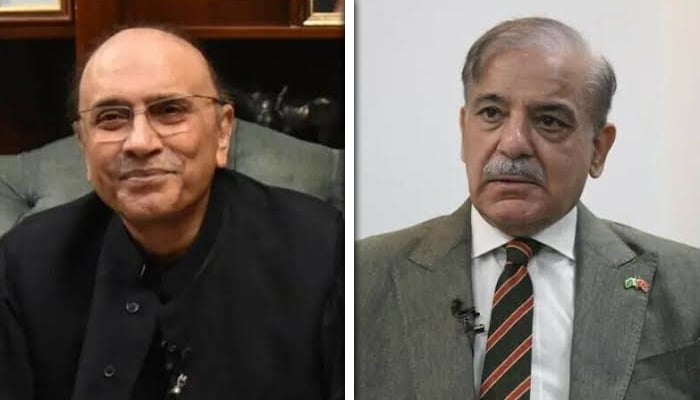
    President Asif Ali Zardari and Prime Minister Shehbaz Sharif have extended greetings to the nation and the Muslim Ummah on the occasion of 12 Rabi-ul-Awwal. In their separate messages, they said the day of 12 Rabi-ul-Awwal provides an opportunity to remember the great blessing of Allah Almighty and renew the commitment to the guidance brought by the Holy Prophet Muhammad (PBUH). President Zardari said the birth of the Holy Prophet (PBUH) marked the beginning of a bright era based on faith, knowledge, justice and fairness. He said the Prophet’s exemplary life provides a complete path towards success and salvation. The president said a righteous and stable society can only be built on the principles of justice, piety and strong moral values. He added that true love for the Holy Prophet (PBUH) requires Muslims to make his Seerah and Sunnah an integral part of their practical lives. He urged people to reflect the Prophet’s teachings through their character, conduct and dealings with others. Prime Minister Shehbaz Sharif said the life and teachings of the Holy Prophet Muhammad (PBUH) remain an eternal source of guidance for humanity. He said the Prophet’s teachings promote compassion, justice, tolerance, unity and service to others. These values, he added, provide a strong foundation for building a peaceful and prosperous society. The prime minister urged the nation to renew its commitment to shaping individual character and collective behaviour in accordance with the teachings of Seerat-un-Nabi (PBUH). He called for a collective resolve to work for a peaceful, stable and prosperous Pakistan while promoting unity, brotherhood and mutual respect among citizens. Both leaders stressed the importance of following the teachings of the Holy Prophet (PBUH) and making them part of everyday life.

  • | |

    Perez Hilton’s brother-in-law shares update on his physical and mental health

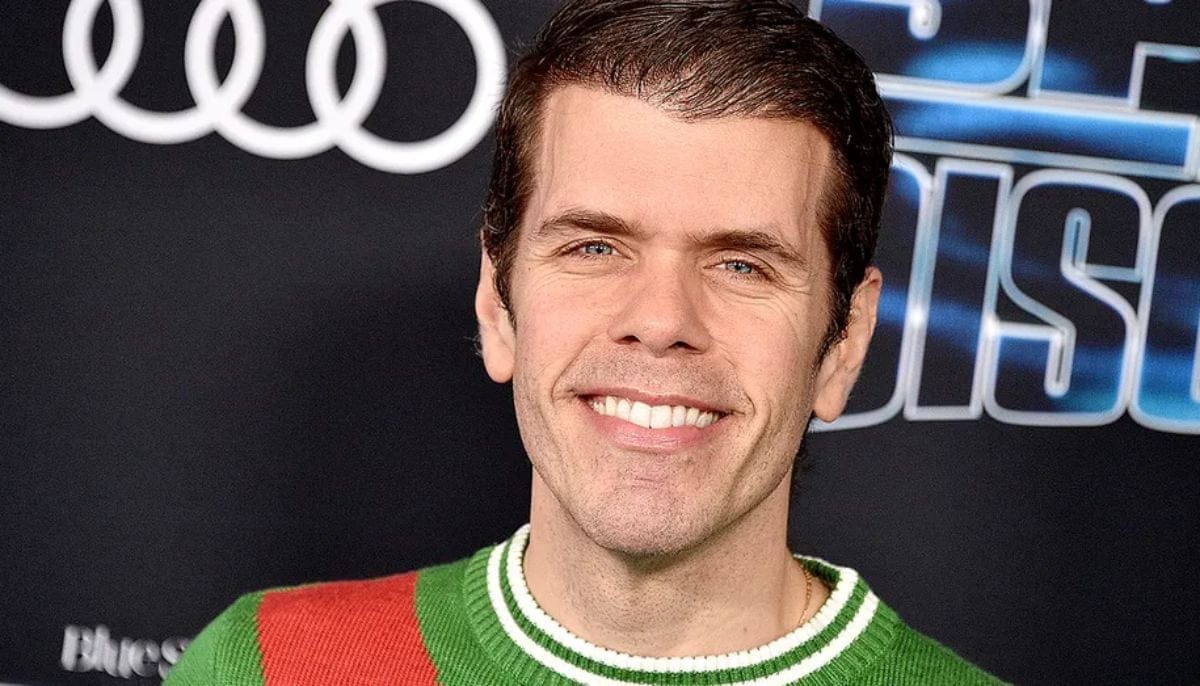
    Celebrity blogger Perez Hilton’s brother-in-law Tom has shared an update on his physical and mental health, saying that he is now transitioning from treatment for his physical injuries to receiving attention for his mental well-being. Tom, who is married to Perez’s sister Barbara Lavandeira, shared the update during an interview on The Perez Hilton Podcast on August 23. The podcast is co-hosted by Chris Booker. According to Tom, Perez has been receiving treatment for physical injuries following an incident at his Miami home on August 4, which occurred around 48 hours before the recording of the podcast. Perez has remained hospitalized since the incident. Tom said that Perez suffered multiple cuts and several broken bones as a result of “a couple of falls” during the incident. “So we are now just transitioning into the mental side of things,” Tom said. He explained that while Perez has been receiving treatment for his physical injuries, psychiatrists have also been checking on him and monitoring his mental condition. Tom said that medical professionals have been ensuring that Perez is not at risk of harming himself, while the underlying causes of what he described as his “mental breaks” have not yet been fully determined. However, Perez’s brother-in-law shared some reassuring news, saying that Perez is “lucid” while in the hospital and has spoken with him, his mother and his sister Barbara. During the podcast, Chris Booker asked Tom whether Perez remembered the August 4 incident. Tom said he had not discussed the incident in detail with Perez because he did not want to trigger anxiety or distress. Instead, he wanted Perez to focus on recovering from his physical injuries, including the lacerations and broken bones. “I don’t know how much he really does recall or doesn’t recall,” Tom added. Tom also revealed that Perez’s children have not visited him in the hospital and that he is not using electronic devices at the moment. However, Perez remains able to communicate with his family through the nursing station. Tom said Perez can call Barbara, his mother and him. The latest update indicates that Perez continues to receive medical care in the hospital, with his family now focusing on both his physical recovery and mental well-being.

  • | |

    Ebola outbreak becomes Congo’s deadliest, death …

    KINSHASA: The Democratic Republic of Congo is facing its deadliest Ebola outbreak on record, with the death toll reaching 2,325 and confirmed infections climbing to 4,945, according to the latest government figures. The outbreak, declared on May 15, has now surpassed the 2,299 deaths recorded during Congo’s previous worst Ebola epidemic from 2018 to 2020. Health authorities also reported 101 new confirmed cases in a single day, highlighting the rapid spread of the disease. The current outbreak is the country’s 17th and has already become its largest in terms of confirmed cases. Only the devastating West African Ebola epidemic of 2014–2016, which killed more than 11,000 people across Guinea, Liberia and Sierra Leone, has recorded a higher overall toll. Health officials say the outbreak is being driven by major challenges, including weak healthcare infrastructure, insecurity and resistance within some communities. Delays in detecting infections and getting patients into medical care are also contributing to the high death rate. The case fatality ratio has climbed sharply to 46%, compared with around 20% in early June. Public health experts caution that the increase does not necessarily mean the virus has become more deadly. Instead, they say many patients are being identified only after their condition has severely deteriorated or after death. The outbreak is being caused by the Bundibugyo species of Ebola, for which there are currently no approved vaccines or specific treatments. Researchers are assessing experimental vaccines and therapies, but available evidence remains limited. Ebola is transmitted through direct contact with the bodily fluids of infected people, including those who have died from the disease. Symptoms can include fever, vomiting and diarrhoea, while severe infections may lead to internal or external bleeding. The outbreak also crossed into neighbouring Uganda, where authorities confirmed 20 cases and two deaths before declaring the outbreak over last month.

  • |

    Indian Idol 16 grand finale crowns winner tonight live

    After an eventful 10-month run, Indian Idol 16 is set to crown its winner during the highly anticipated grand finale on Sunday, July 26, 2026. The long-running singing reality show, one of India’s most popular television competitions, concludes its longest season yet with six talented finalists competing for the coveted title. The finale promises an evening packed with live performances, emotional moments, celebrity appearances, and the announcement of the next Indian Idol. Fans from across India and around the world are eagerly waiting to find out who will lift the winner’s trophy after months of intense competition. Hosted by Aditya Narayan, the son of legendary playback singer Udit Narayan, the season has entertained audiences with memorable performances and fierce musical battles. Throughout the competition, contestants showcased their vocal abilities across a wide range of genres, impressing both the judges and viewers. This season’s judging panel featured renowned singers Shreya Ghoshal, Badshah, and Vishal Dadlani, whose feedback and mentorship helped shape the contestants’ journeys. However, Vishal Dadlani is expected to miss the grand finale because of prior professional commitments, leaving Shreya Ghoshal and Badshah to join the final celebrations. How to watch the Indian Idol 16 grand finale The grand finale of Indian Idol 16 will air on Sony Entertainment Television. Viewers can also stream the finale live through Sony LIV, allowing fans to watch the winner’s announcement online. Indian Idol 16 top six finalists After months of auditions, themed rounds, and eliminations, the competition has narrowed down to six finalists, each hoping to become the next Indian Idol. The finalists are: Suhail Sufi Anshika Chonkar Manraj Veer Singh Myscmme Bosu Jyotirmayee Nayak Tanishk Shukla Each contestant has earned praise throughout the season for their unique singing style and consistent performances, making the finale one of the most closely contested in recent years. Winner’s prize The official prize package for Indian Idol 16 has not yet been confirmed by the show’s producers. However, based on previous seasons, the winner is expected to receive a substantial cash prize along with the prestigious Indian Idol trophy. Last season’s champion, Manasi Ghosh, received INR 25 lakh, a Maruti Suzuki Dzire, and the winner’s trophy. Fans expect this year’s winner to receive a similar reward, although the final details are likely to be revealed during the live finale. With months of hard work coming to an end, excitement is at an all-time high as viewers prepare to witness the crowning of the next Indian Idol. Whether it’s a breakthrough performance, an emotional farewell, or a surprise celebrity appearance, the grand finale is expected to deliver a memorable conclusion to one of the show’s most competitive seasons.

  • | |

    Nestle turns to AI to build products for weight lo…

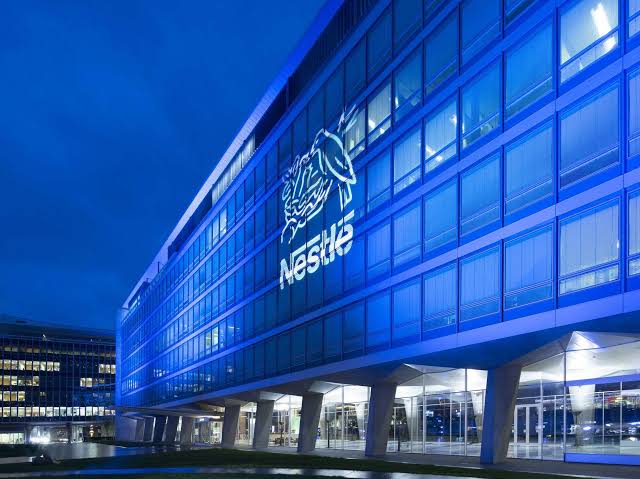
    Nestle is working to convert the rapid rise of GLP-1 weight loss drugs from a business threat into an opportunity, deploying artificial intelligence and nutritional research to develop products aimed at the millions of consumers now taking medications like Ozempic and Wegovy. The fast growing adoption of drugs made by Novo Nordisk and Eli Lilly has raised concerns among investors that appetite suppressing medications could permanently dent demand for packaged foods, snacks and beverages. Nestle sees the same trend differently, believing the drugs are creating a new market for products that address the side effects associated with rapid weight loss. Chief Technology Officer Stefan Palzer told a foreign news agency that Nestle is using artificial intelligence and other technology to analyze clinical research, identify effective nutrient combinations and build products tailored specifically to GLP-1 users. He said the company believes its existing product portfolio positions it well to capture what he described as a major opportunity. Materials shown to reporters outlined side effects tied to rapid weight loss, including muscle loss and the loss of facial volume sometimes referred to informally as Ozempic face, along with areas where Nestle believes its products could help address those issues. The GLP-1 drug market remains dominated by Eli Lilly’s Mounjaro and Zepbound alongside Novo Nordisk’s Wegovy and Ozempic. Roughly 16 million Americans currently take GLP-1 medications, according to Boston Consulting Group, a number expected to grow significantly by the end of the decade. Nestle’s strategy centers on developing products suited to the needs of weight loss drug users while relying on AI to speed up research, product development and consumer analysis. Addressing side effects directly Palzer said Nestle scientists have spent time studying the downstream effects of rapid weight loss and building products intended to help consumers manage them. The company uses AI tools to process large volumes of clinical research and identify nutrient combinations that may support muscle health, hydration and overall nutritional intake. Nestle has already begun adding collagen protein to products under its Vital Proteins brand to address concerns about skin, hair and nail health linked to rapid weight loss. In the United States, Nestle’s business created the Boost Advanced Nutrition Shake, marketed as containing 35 grams of protein to support muscle health during weight loss. In Asia and Australia, the company introduced a higher protein version of its Milo malt drink called Milo PRO High Protein. Rival ice cream makers are grappling with similar pressures, shifting toward higher protein products, smaller portions and simpler ingredient lists. An AI powered recipe database Artificial intelligence plays an increasingly central role throughout Nestle’s product development process. The company has built internal systems to analyze scientific literature, simulate consumer behavior, spot emerging trends and help product developers navigate a database containing roughly 120,000 recipes. One such tool, an internal platform called Food Genie, helps scientists and developers predict how recipes might perform and identify opportunities for reformulation, according to Palzer. He said the scale of Nestle’s recipe database gives the company an advantage, noting that a smaller company with only a thousand recipes would struggle to model and predict outcomes using AI, since the technology depends heavily on large volumes of data. Nestle is also testing AI driven consumer simulations designed to predict how shoppers will respond to new products and health claims before they reach store shelves, and the company uses AI to monitor social media activity and identify emerging consumer trends. Palzer said the technology helps distinguish genuine, lasting trends from short term noise around particular topics, and said he expects AI to play a growing role in that kind of trend analysis going forward. Skepticism remains among some experts Not everyone is convinced specialized products offer meaningful advantages over conventional food. Amanda Avery, an associate professor of nutrition and dietetics at the University of Nottingham in central England, said it is unfortunate that consumers keep turning to new, more expensive products that often contain the same protein and nutrients found in whole, fresh foods. She noted that meat, fish, eggs, dairy, beans, nuts and pulses remain relatively affordable sources of protein and other nutrients. Even so, Avery said she expects products marketed specifically to GLP-1 users to find a ready customer base, acknowledging that marketing exerts significant influence over consumer choices and suggesting Nestle has likely done its homework before entering the space.

  • |

    Diesel price rises as government increases petroleum levy

    ISLAMABAD: The federal government has increased the price of high-speed diesel after raising the Petroleum Development Levy (PDL) on the fuel by Rs1 per litre, adding further pressure on consumers and transport-related costs. Following the latest adjustment, the price of high-speed diesel has gone up by 54 paisas per litre, reaching Rs382.89 per litre. The increase comes despite a decline in the ex-refinery price of diesel, with the higher petroleum levy pushing up the final price paid by consumers. The government has raised the diesel levy by Rs1 per litre as part of the latest petroleum price adjustment. The PDL on high-speed diesel now stands at Rs76.28 per litre. The latest increase follows another adjustment made on August 12, when the government raised the petroleum levy on diesel by Rs2 per litre. The successive increases have resulted in a significant rise in the levy component of the retail price. Petrol price reduced In contrast to diesel, the government has reduced the price of petrol by 94 paisas per litre. The price of petrol has now been fixed at Rs324.98 per litre. The Petroleum Development Levy on petrol, however, has remained unchanged at Rs80 per litre. The differing price movements for petrol and diesel are largely linked to changes in their respective pricing components. While the ex-refinery price of diesel declined, the increase in the government levy more than offset the reduction, resulting in a higher retail price. The latest adjustment is expected to have an impact on transportation and logistics costs because diesel is widely used by commercial vehicles, buses, trucks, agricultural machinery and other heavy transport. Higher diesel prices can also influence the cost of goods and services by increasing transportation expenses across supply chains. Meanwhile, the reduction in petrol prices provides limited relief to motorists using petrol-powered vehicles. The government periodically reviews petroleum prices based on international oil prices, exchange-rate movements, taxation and other components of the domestic pricing mechanism. The latest changes reflect the impact of adjustments in the petroleum levy and ex-refinery prices on consumers.

Leave a Reply

Your email address will not be published. Required fields are marked *