stay cool avoid

How to stay cool and avoid heat stroke

As temperatures continue to rise health experts are warning people to take extra care during hot and humid weather.

Extreme heat can affect daily life and also increase the risk of serious health problems if proper precautions are not taken.

According to the U.S. National Institutes of Health (NIH) the body naturally cools itself by sweating. However when the weather is extremely hot or humid this cooling system becomes less effective.

This can lead to heat related illnesses such as heat cramps heat swelling (edema) and heat stroke which can be life threatening.

Experts say the most important step is to stay hydrated. Dr. Wendell Porter from the University of Florida recommends drinking water regularly throughout the day.

When the body does not have enough water it cannot produce enough sweat to cool itself.

Taking a cool shower or bath is another effective way to lower body temperature.

Placing a cold towel or an ice pack on the neck and wrists can also help cool the body quickly because blood vessels are close to the skin in these areas.

Health experts also suggest keeping your home as cool as possible. Open windows early in the morning to let in fresh air then close them and draw curtains or blinds once the sun gets stronger.

Use fans to push hot air outside and turn on kitchen and bathroom exhaust fans to remove heat and humidity.

At night wear light cotton clothes and use cotton bedsheets because they allow better airflow and help keep you comfortable.

If your home has a basement it may be a cooler place to sleep during heatwaves.  Closing the doors of unused rooms can also help keep cool air in the areas you use most.

Experts recommend using LED light bulbs instead of traditional bulbs because they produce less heat and use less electricity.

While cold treats like ice cream may feel refreshing, foods and drinks high in sugar should be limited because they can make it harder for the body to stay cool.

Finally experts advise avoiding unnecessary outdoor activities during the hottest hours of the day.

Drink plenty of water stay in shaded or cool places whenever possible and follow these simple tips to reduce the risk of heat-related illnesses.

Similar Posts

  • Cool your home cut power bills

    Extreme heat and rising electricity bills have become a major concern for many families. Air conditioners, air coolers and fans provide relief from the heat but using them for long hours can significantly increase monthly power costs. Experts say there are several simple and energy saving ways to keep homes cooler without relying heavily on expensive cooling appliances. One modern option is an electric heat pump. During summer it removes warm air from inside the house and releases it outdoors keeping rooms cool. In winter the same system can provide heating. Compared to traditional air conditioners heat pumps use less electricity although they are still not widely available in Pakistan. If a heat pump is not an option ceiling fans are a practical and affordable choice.  They use very little electricity while improving air circulation. In hot and dry areas evaporative air coolers (also called swamp coolers) can also work well. These coolers use water to lower the air temperature and consume much less power than air conditioners. Experts also recommend improving the home’s design to reduce indoor heat.  Sealing gaps around doors and windows helps prevent hot air from entering. Good ventilation and proper placement of windows can also make a house feel cooler naturally. The materials used to build a home also matter. Concrete roofs cement slabs bricks and stone absorb heat more slowly than metal sheets helping maintain a more comfortable indoor temperature. Painting the roof white is another low cost solution. White roofs reflect 60% to 90% of the sun’s rays keeping the roof cooler and reducing the amount of heat entering the house. This is why white roofs are becoming more common in many hot regions around the world. Natural shade can also make a big difference. Thick curtains trees around the house and rooftop plants help block sunlight and lower surrounding temperatures. Experts say that well planned tree planting can reduce nearby temperatures by as much as 15°C in some conditions making homes more comfortable while lowering electricity use.

  • Humans may live up to 194 Years

    How long can a human live? No one knows the exact answer but scientists believe there is a natural limit to the human lifespan. According to a study a person could possibly live as long as 194 years although reaching that age would be extremely rare. Researchers say living forever is not possible. Even if science discovers new ways to slow aging the body cannot avoid the natural damage that builds up over time. The study published in the journal Nature looked at how our DNA and genes change throughout life. Scientists found that many genetic changes are harmless but some damage cells and reduce how well they work. Over time this damage increases the risk of age related diseases. The researchers explained that these genetic changes cannot be completely prevented.  They happen naturally when cells divide and can also be caused by viruses certain chemicals and ultraviolet (UV) rays from sunlight. To estimate the maximum human lifespan the team created a scientific model that included reversible signs of aging while keeping permanent genetic changes in place. The results suggested that even if future technology slows the aging process the longest a human could live would likely be between 146 and 194 years. Scientists also noted that some organs such as the skin and liver regularly replace old cells helping repair some damage. However the heart and brain do not replace most of their cells making genetic damage in these organs much harder to reverse. The researchers stressed that genetic changes are not always harmful but as they build up over time they may gradually shorten a person’s lifespan. They also believe that other biological processes may affect aging and more research is needed to better understand them. At present the longest confirmed human lifespan belongs to Jeanne Calment of France who died in 1997 at the age of 122 years making her the oldest verified person in recorded history.

  • Surfing dogs impress crowds

    Dogs of all sizes took to the waves at the annual World Dog Surfing Championship in the United States, impressing crowds with their surfing skills. The event was held on Saturday at the beach in Pacifica about 22 kilometers south of San Francisco California. Hundreds of spectators gathered to watch dogs from different breeds ride the waves on surfboards. The competition featured everything from small spaniels to large Labrador retrievers. Judges scored each dog based on how long it stayed on the surfboard the size of the wave, and how confidently it surfed. Now in its 10th year the championship also included a pet adoption campaign and fundraising activities to support local animal welfare groups. Wearing colorful life jackets the dogs were guided onto the waves by their human partners. As the dogs successfully surfed toward the shore the crowd cheered and applauded each ride. One participant Sophia Siedlowski from Huntington Beach said she first placed her Miniature Pinscher, Rusty, on a surfboard just to take photos when he was a puppy. To her surprise he refused to get off the board. She later let Rusty ride a small wave and he successfully surfed to shore amazing everyone and beginning his surfing journey.

  • AI eye test for heart disease

    A new study suggests that a simple eye scan could help predict a person’s risk of having a heart attack or stroke over the next 10 years. The scan takes a picture of the back of the eye a test that is already used to check for different eye diseases.  Researchers believe it may also reveal important signs about heart health. Scientists used artificial intelligence (AI) to study thousands of digital eye images. The AI system can examine a scan in less than a second and estimate a person’s future risk of serious heart problems. Researchers hope this quick test could one day become part of regular health checkups along with blood pressure and cholesterol tests. This may help doctors identify high risk patients earlier and start treatment before serious problems develop. The study focused on eye scans from people with type 2 diabetes because they already receive regular eye exams to detect conditions such as diabetic retinopathy. Lead researcher Dr. Efi Mordi said the eyes can provide valuable information about the heart. If the tiny blood vessels at the back of the eye become narrow or damaged similar changes may also be happening in the blood vessels that supply the heart. At first the AI was trained to look for signs of narrowed or blocked blood vessels. Later it also learned to recognize other small details such as the pattern and size of blood vessels. The system was trained using 4,200 eye images. The results were encouraging.  The AI correctly predicted the risk of a heart attack or stroke within the next 10 years with about 70% accuracy. Dr. Mordi said the eye scan takes less than a minute and is already part of routine eye examinations. If widely used it could help save lives by identifying people who need early treatment. Professor Bryan Williams of the British Heart Foundation called the technology an important step forward but said more research is needed before it becomes a standard medical tool. Dr. Clare Jonas from the Stroke Association also welcomed the findings. She said that if governments include technologies like this in healthcare planning they could help prevent many cases of stroke in the future. Experts believe this research is an important development and could lead to  AI powered eye scans becoming a routine part of future medical checkups.

  • Low magnesium? Don’t ignore these warning signs

    Health experts say magnesium is an essential mineral that helps keep the bones muscles nerves and heart healthy. A lack of magnesium can lead to several physical and mental health problems, so it is important to recognize the early warning signs. According to experts low magnesium levels may affect the nervous system causing anxiety nervousness irritability and mood changes. If these symptoms continue for a long time magnesium deficiency could be one possible reason. Magnesium deficiency can also affect emotions making some people more sensitive to stress or more likely to overreact to small problems. Experts recommend eating beans nuts leafy green vegetables fish and whole grains to help maintain healthy magnesium levels. Feeling tired weak or low on energy even after getting enough sleep may also be a sign of low magnesium.  Doctors suggest getting a blood test to check vitamin and mineral levels if these symptoms continue. Health experts also say that frequent nausea and vomiting can sometimes be linked to magnesium deficiency and should not be ignored. Low magnesium may also cause muscle weakness leg pain cramps muscle tightness or spasms as the mineral is important for normal muscle function.  While magnesium rich foods can help experts advise speaking to a doctor before taking any magnesium supplements.

  • |

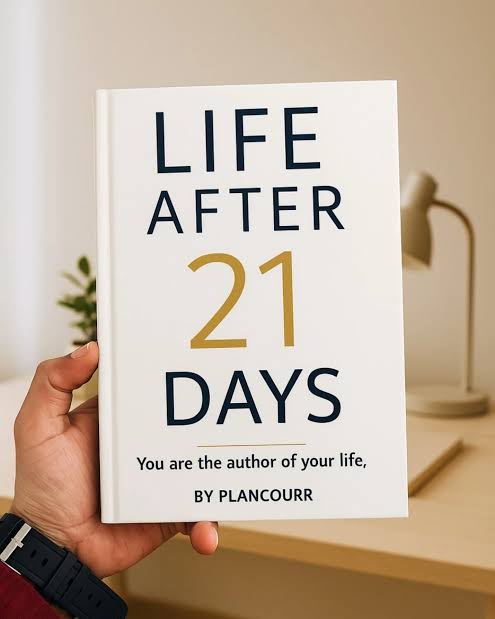
    The return of physical books in a digital world

    ​When e-readers and digital publishing exploded in the late 2000s, tech prognosticators predicted the rapid demise of the printed book. Paper was deemed inefficient, heavy, and outdated. An analog relic doomed to follow the cassette tape and the encyclopedia into obscurity. Yet, decades into the digital revolution, the physical book has successfully survived. It is thriving, driven by a growing cultural hunger for tactile experiences in an increasingly virtual world.   ​The persistence of print comes down to a fundamental human reality. Sensory experience matters. A digital screen, no matter how crisp its resolution, flattens every piece of content into the same glass surface. A tweet, a work email, a news alert, and a classic novel all look and feel virtually identical. In contrast, a physical book offers a distinct multi-sensory landscape. The weight of the volume in your hands. The subtle texture of the paper stock. The faint scent of ink and binding glue. Above all, the visual progress of physical pages moving from right to left. Reading a physical book creates an immersive environment that screens simply cannot replicate. British writer Roald Dahl who is known for such classic children’s books as Charlie and the Chocolate Factory (1964) and Matilda (1988). His other notable works include James and the Giant Peach (1961), The BFG (1982), and The Witches (1983). He famously said, So please, oh please, we beg, we pray, go throw your TV set away, and in its place you can install a lovely bookshelf on the wall. Roald Dahl (Roald Dahl was a British novelist, short-story writer, poet, screenwriter, and wartime fighter pilot.)   ​Moreover, print offers a rare sanctuary from the relentless ping of notifications. Modern digital life is characterized by fragmented attention and constant micro-interruptions. Reading a book on a tablet or smartphone means constantly resisting the urge to check email, glance at social media, or reply to a text message. A physical book possesses no hyperlinks, no pop-ups and no algorithmic distraction loops by default. It demands a single-tasking mindset and offers a meditative refuge from digital fatigue.   ​There is also a social and aesthetic dimension to the print resurgence. Bookshelves in a home are not just storage units. Rather, they are visual representations of identity, curiosity, and intellectual history. Browsing a physical bookstore or sharing a physical copy with a friend fosters spontaneous community connections that digital files cannot mirror.   e-books certainly offer undeniable convenience for travel and instant access. However, they have become a supplement to print rather than a replacement. Readers are making a conscious choice to slow down. The deliberately disconnect from screens, and hold stories in their hands. The physical book stands high not for some reason of nostalgia. Rather, it fulfills a psychological need that technology has only managed to heighten.  

Leave a Reply

Your email address will not be published. Required fields are marked *