bunnie jokes her
|

Bunnie XO jokes her split from Jelly Roll feels like getting out of prison

Bunnie XO has turned her breakup into a punchline. The podcast host shared a wild fan message on her show, ‘Dumb Blonde’. The message came from a man who said he was about to finish a ten-year prison sentence asking Bunnie to spend time with him once he was free.

Bunnie could not resist the timing and joked that she felt the same way. She said she had also just wrapped up her own decade-long stretch, poking fun at her ten-year relationship with Jelly Roll.

The couple’s split has been the talk of fans everywhere but insiders say the bond between them runs deep. A source close to the pair told Radar Online that Bunnie stood by Jelly Roll long before he found success. She reportedly helped him through some of his toughest years. The source added that Jelly Roll knows he would not be where he is today without her support, and he has not forgotten it.

Despite the breakup, there is no bad blood between them. During a concert in Saratoga Springs, New York, on June 18, 2026, Jelly Roll addressed the split directly and told the crowd that no one had cheated on anyone.

Sources say Jelly Roll is in a different headspace now compared to when the couple first met. He reportedly feels healthier, more focused, and more in control of his life than ever before.

Bunnie XO and Jelly Roll first got engaged back in May 2016. They spent nearly a decade together before he filed for divorce in May 2026. Fans have followed their journey for years, watching them grow from a young couple to two of country music’s most talked-about personalities.

Even with the marriage ending, both sides seem to be handling it with respect. Jelly Roll’s onstage comments suggest he wants to keep things drama-free. Bunnie’s humor on her podcast shows she is processing the split in her own way, using comedy instead of bitterness.

Neither has confirmed a new relationship or major fallout. For now, it looks like their story is ending on peaceful terms, even if their marriage did not last.

Similar Posts

  • | | | |

    Trump reveals why Secret Service changed his plane

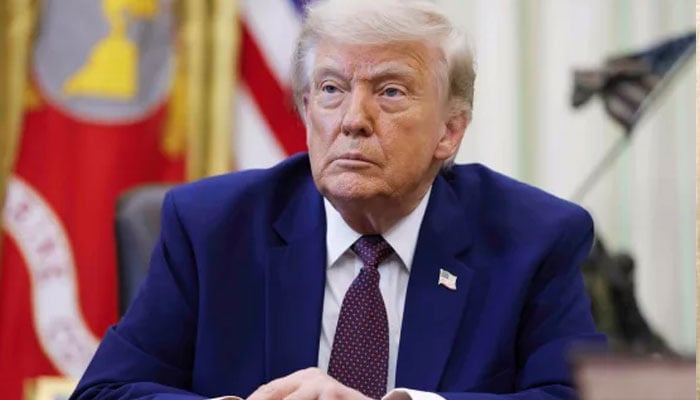
    WASHINGTON: US President Donald Trump has confirmed that his surprise plane switch during his departure from Turkey last month was carried out on the advice of the Secret Service, amid concerns over a potential threat linked to Iran. Trump said the aircraft he had initially been expected to travel on could have faced a “greater risk,” adding that he does not trust Iran. His remarks came after reports revealed that his departure from Ankara following the NATO summit involved an elaborate security operation. According to reports, Trump publicly boarded Air Force One in front of cameras, creating the impression that he would fly out of Turkey on the presidential aircraft. However, he was later secretly transferred to a smaller C-32A military aircraft. The move was reportedly carried out using an airport catering truck to conceal his transfer. Journalists and some White House staff reportedly remained under the impression that Trump was aboard Air Force One. Reporters were also instructed to keep their window shades closed, adding to the secrecy surrounding the operation. Trump said he followed the Secret Service’s instructions when the aircraft change was made and did not challenge the security decision. The unusual operation reportedly stemmed from heightened concerns over Iranian threats against the US president. Trump’s latest comments have now confirmed key details of the previously undisclosed flight arrangement. The episode has drawn attention because of the extraordinary measures used to conceal the president’s movements. It also highlights the heightened security concerns surrounding Trump amid continuing tensions between Washington and Tehran. For a president whose movements are normally tracked closely by the media and security officials, the covert transfer from one aircraft to another remains one of the most unusual presidential travel episodes of the year.

  • | | |

    Rana Sanaullah dismisses AJK rigging claims, calls…

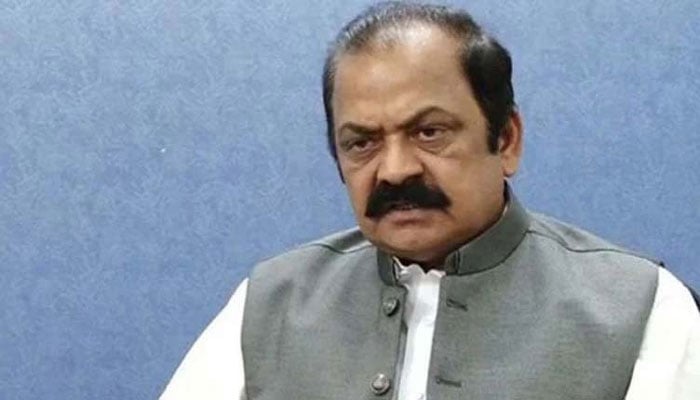
    Prime Minister’s Adviser on Political Affairs Rana Sanaullah  has strongly rejected allegations of electoral rigging in Azad Jammu and Kashmir’s LA-27 constituency, calling the claims baseless and politically motivated. Speaking to reporters, Rana Sanaullah said a fake video was being circulated on social media to create the impression that irregularities had taken place during polling in the Muzaffarabad constituency. He alleged that the video was being used as part of a campaign to mislead the public and damage the credibility of the electoral process. He challenged the Pakistan Peoples Party (PPP) to produce credible evidence if it believed rigging had occurred. He said accusations alone were not enough and urged the party to present proof before making such serious claims. Rana Sanaullah said polling in LA-27 had been conducted peacefully since the morning. He added that no complaints had been received regarding polling staff or the administration of any polling station during the voting process. The adviser also questioned whether the PPP had filed any formal complaint with the Election Commission regarding the alleged irregularities. He said the appropriate legal and constitutional forum was available for any political party that wished to challenge the election process. According to Rana Sanaullah, the PPP had adopted a narrative of election rigging from the very beginning instead of waiting for the electoral process to conclude. He maintained that if the party had evidence, it should submit it to the Election Commission for investigation rather than relying on unverified videos and public statements.

  • | |

    Counter-terror operations in Balochistan neutralize 12 militants

    Security forces in Pakistan have eliminated 12 high-risk terrorists during two separate operations across the southwestern province of Balochistan. According to official statements issued by the Inter-Services Public Relations (ISPR), the media wing of the Armed Forces of Pakistan, the targeted anti-terror engagements took place in the districts of Washuk and Mastung as part of an intensified campaign against extremist elements operating within the region. The military reported that these synchronized Intelligence-Based Operations (IBOs) were initiated following precise tracking and surveillance of insurgent networks. The operations represent a significant operational success for law enforcement and defense personnel working to dismantle armed groups attempting to compromise regional stability. Key Highlights of the Counter-Terror Operations District Washuk: Initial tracking detected hostile movement in the area, leading to a swift operational response that resulted in six terrorists being neutralized. District Mastung: A subsequent targeted raid triggered an intense exchange of gunfire, during which six additional terrorists were eliminated and a major militant hideout was completely dismantled Total Impact: 12 terrorists killed, operational infrastructure destroyed, and significant cache of weapons and logistics seized. Breakdown of the Intelligence-Based Raids The first phase of the counter-terrorism effort unfolded in Washuk district, where security agencies identified suspicious tactical movements by a group of armed insurgents. Acting on real-time intelligence, military units deployed swiftly to intercept the suspects. Upon confronting the militants, a heavy firefight ensued, ending with the death of six terrorists before they could execute planned sabotage activities in the district. Shortly thereafter, a second high-stakes operation was executed in the Mastung district. Intelligence agencies pinpointed an active sanctuary utilized by militants as a staging ground for planning attacks against civilians and security personnel. As forces surrounded the hideout, the cornered insurgents opened fire in a desperate attempt to break through the security perimeter. The security forces responded with decisive tactical force, eliminating six militants on the spot and neutralizing the immediate threat. Following the gun battle, search teams thoroughly cleared the facility, recovering military-grade weaponry, ammunition, and explosives, while destroying the infrastructure used to harbor illegal insurgents. Strategic Significance and Broader Context The ISPR emphasized that these successful engagements reflect the unwavering commitment of the armed forces to cleanse the country of foreign-funded terrorism. Military officials reaffirmed that anti-terror operations will persist relentlessly until all hostile networks, their safe havens, and their local facilitators are completely eradicated across Pakistan.   Authorities have urged local communities to remain vigilant and cooperate with law enforcement agencies as comprehensive intelligence gathering and mop-up activities continue throughout the region.

  • | | |

    Pakistan’s defence tech breakthrough: PM Shehbaz

    Prime Minister Shehbaz Sharif has said Pakistan has achieved significant progress in developing its own defence technologies and autonomous systems. Addressing the Indus Robotics and Autonomous Systems (RAS) Expo 2026 in Islamabad, the prime minister praised the country’s growing capabilities in robotics, artificial intelligence and advanced defence technologies. PM Shehbaz said Pakistan’s armed forces have made major advancements in indigenous defence production and autonomous systems. He credited the progress to strong leadership and the efforts of national institutions. He said modern technologies displayed at the exhibition reflected Pakistan’s ability to develop advanced systems locally. The prime minister highlighted that several defence-related technologies, including simulators and autonomous platforms, were designed and manufactured within the country. During his visit to the exhibition, PM Shehbaz reviewed various locally developed technologies. He said the production of advanced equipment inside Pakistan was a major achievement and demonstrated the country’s growing technical expertise. The prime minister noted that drone technology had achieved significant levels of local production, while several other important machines and systems were also being developed domestically. He said Pakistan’s armed forces have successfully used modern autonomous systems to strengthen the country’s physical and cyber security. He added that advanced technologies have enhanced the ability of security institutions to respond to emerging challenges. PM Shehbaz emphasized the importance of innovation, research and technological development for Pakistan’s future. He said continued investment in artificial intelligence, robotics and modern defence systems would help strengthen national security and technological independence. The Indus Robotics and Autonomous Systems Expo brings together experts, researchers, defence professionals and technology developers to showcase advancements in robotics, automation and artificial intelligence. The prime minister said such initiatives would encourage local innovation and support Pakistan’s journey toward self-reliance in advanced technologies.

  • |

    FBR demonstrates digital tax return features to Karachi tax bar

    ISLAMABAD: The Federal Board of Revenue (FBR) has demonstrated several features of its digital income tax return system to the Karachi Tax Bar Association (KTBA), including mechanisms for reporting investments in immovable property, declaring multiple business capital accounts, recording inheritance assets and calculating tax under relevant provisions of the law. The demonstration was held during an online consultation between the FBR Domain Team and representatives of the KTBA as part of the tax authority’s efforts to obtain feedback from taxpayers and tax practitioners on the design and functionality of the income tax return system. The meeting focused on improving the digital filing experience and identifying areas where the online return could be made simpler, more efficient and easier for taxpayers and professionals to use. KTBA President Mehmood Bikiya welcomed the FBR’s prompt response in arranging the session and appreciated the efforts made by the Domain Team to develop a responsive and user-friendly return system. According to the participants, the existing system is operating satisfactorily, with no major technical problems or significant glitches reported during the discussion. Instead, the meeting primarily focused on clarifications, suggestions for improvement and practical issues faced by tax practitioners while completing returns. The FBR officials addressed a number of queries through live demonstrations, allowing participants to better understand the available options and procedures within the digital system. During the session, the Domain Team demonstrated how taxpayers can report investments in immovable property, enter details of more than one business capital, declare tax under applicable sections and include inherited property in their tax records. Officials also clarified that certain information fields are optional. In particular, the chassis number required in the vehicle-related section does not have to be entered where it is not applicable or available. The consultation also covered several policy-related matters raised by the KTBA. These included the timing of refund applications, deemed assessment orders and procedures for revising income tax returns. The FBR Domain Team explained that such matters are governed by existing policy provisions, including the 15-day rule relating to deemed assessments. The concerns and proposals raised by the tax bar were also forwarded to the FBR’s Policy Wing for examination. Both sides agreed that continued consultations between tax officials and tax practitioners could help address implementation-related concerns and improve taxpayers’ understanding of the digital filing process. The KTBA also submitted several proposals for future versions of the income tax return system. One of the key suggestions was to introduce an option for uploading data through Excel files, which could reduce the time required to manually enter large volumes of information. Other proposals included reconsidering the requirement to enter certain financial information in subsequent years and introducing a system-generated PDF explaining the relevant legal provisions concerning residence status. The FBR Domain Team recorded the suggestions and indicated that they would be considered for possible incorporation into future versions of the return system. Most of the technical and operational questions raised during the meeting were resolved through on-screen demonstrations and explanations by the FBR team. The exercise also provided practitioners with a clearer understanding of the functions already available on the digital platform. KTBA Vice President Saud ul Hasan appreciated the FBR’s willingness to engage directly with representatives of the tax community. He said continued interaction between tax practitioners and the revenue authorities could promote greater understanding of taxpayers’ concerns and strengthen confidence in the digital filing mechanism. The FBR, meanwhile, reiterated its commitment to maintaining regular consultations with the business community, tax practitioners and their representative organisations. The tax authority said feedback received through such engagements would remain important in improving the income tax return system and making the filing process more transparent, straightforward and taxpayer-friendly.

  • | |

    Pakistan’s military tightens grip on Islamis…

    Munir’s family background feeds into this shift as well. He is the son of an imam and considers himself a devout, conservative Muslim, and religious identity remains deeply woven into Pakistan’s state institutions. Even so, he has pushed the country toward international engagement through cryptocurrency partnerships, foreign investment deals, a mediating role in the conflict between the United States and Iran, and a mutual defence pact with Saudi Arabia. Data shared with a foreign news agency by the Armed Conflict Location and Event Data Project, a group that tracks conflict incidents worldwide, shows the scale of the shift. Pakistan averaged more than seven blasphemy related riots or attacks annually between 2021 and 2024, but recorded only one such incident over the past twelve months. Economic pressure appears to have played a significant role in prompting the crackdown. Two Pakistani government sources said officials grew alarmed during the summer of 2025 that rising hostility from fundamentalist groups toward France and other European countries threatened to jeopardize a European Union duty waiver covering Pakistani exports. Nearly a third of Pakistan’s total exports go to the EU, and losing that preferential access could have dealt a severe blow to the national economy. Neither the European Commission nor Pakistan’s commerce ministry responded to requests for comment on the matter. Washington has added its own pressure over religious freedom concerns. The US Commission on International Religious Freedom, a government watchdog, recommended last year that Pakistan be placed back on a list of countries of particular concern due to its blasphemy laws, a designation Islamabad has firmly rejected. Analyst Abdul Basit of Singapore’s S. Rajaratnam School of International Studies said worsening insurgent violence in Balochistan and Khyber Pakhtunkhwa, Pakistan’s two most mineral rich provinces, likely added urgency to Munir’s campaign, particularly since he has pitched foreign investment in the country’s mining sector to American officials over the past year. Basit noted that religious groups have lost favor within the state’s priorities, though he cautioned that the militias driving these regional insurgencies are not formally tied to the newly banned Islamist organizations, even if both draw recruits from the same pool of young, radicalized men. Elizabeth Threlkeld, who directs the Stimson Center’s South Asia program, said the open question going forward is whether Pakistan can sustain this level of focus over time. Crackdown targets country’s largest fundamentalist movement The largest of the groups swept up in the crackdown, Tehreek e Labbaik Pakistan, built its identity around the slogan “Death to blasphemers” before authorities banned it late last year. Many of its leaders now sit in jail, its mosques have been sealed shut and its financial accounts frozen. A previously undisclosed government document that laid the groundwork for the ban argued the organization had become a serious threat to Pakistan by damaging both domestic stability and the country’s standing internationally. A spokesperson for the group pointed to a statement it issued last year describing the ban as illegal and unconstitutional. The move against Tehreek e Labbaik follows earlier crackdowns on groups such as Lashkar e Taiba and Jaish e Muhammad, which Pakistan pursued under pressure from the Financial Action Task Force, the international body that monitors terrorism financing. Basit linked the newest crackdown to a period of internal reflection within Pakistan over its historical backing of the Afghan Taliban, whom Islamabad now blames for stoking Islamist insurgencies against the Pakistani state from across the border. The Taliban government in Kabul has dismissed that accusation as baseless, and a spokesperson for its foreign ministry declined to comment further, describing Pakistan’s crackdown as an internal matter. For Pakistan’s Christian, Shia and Ahmadi communities, the change in atmosphere has been dramatic. In the past, suspects in blasphemy related killings, including police officers, were sometimes greeted with rose petals or celebratory receptions, and individuals accused of burning churches or minority mosques often received public praise. Blasphemy remains a capital offense under Pakistani law, and even a rumor of an accusation has historically been enough to spark riots or lynchings. Human rights organizations say victims’ families have rarely obtained justice, since judges and lawyers have often been too frightened to take on such cases. Officer Malik said everyone who confronted the crowd during last month’s incident in Karachi felt genuine fear. The Christian family targeted that day was eventually moved to safety, and an initial investigation has since found the accusations against them to be false. Group’s military links trace back a decade Tehreek e Labbaik formed in 2015 while its founder was imprisoned for shooting and killing a Pakistani provincial governor in 2011 over his support for a Christian woman accused of blasphemy. That gunman, a former police bodyguard, was later convicted and executed months after the group’s founding. Analysts have long suspected the group’s creation received at least tacit support from Pakistan’s military establishment, including its intelligence services, as a tool to keep civilian governments and mainstream political parties in check. Following violent riots led by the group in 2017, then army chief General Qamar Javed Bajwa referred to its protesters as the country’s own people. Pakistan’s Supreme Court later ordered the military and intelligence agencies to stay out of politics but stopped short of directly tying them to the organization. Analysts and former officials say the effects of years of tolerance for the group will not disappear simply because of a ban, and that the shock felt by its supporters could still trigger backlash. Ihsan Ghani, who served as Pakistan’s counter terrorism chief during the 2017 riots, said he worries the group could resurface at full strength if its usefulness to the state changes again. He compared decades of state backed nurturing of the movement to something that cannot simply be switched on and off at will. Within Pakistan’s minority communities, the sudden shift still feels fragile. One of the Christian women rescued during last month’s incident in Karachi said she and her family are now physically safe, but admitted the fear has not fully faded.


Leave a Reply

Your email address will not be published. Required fields are marked *