busy philipps reveals
|

Busy Philipps reveals rare brain tumour diagnosis and surgeries

Busy Philipps has opened up about one of the most frightening periods of her life, revealing that she was diagnosed with a rare malignant brain tumour earlier this year and underwent two surgeries during what she described as the “weirdest six months” of her life.

The 47-year-old actress, best known for her work in Dawson’s Creek, Freaks and Geeks, Cougar Town and Girls5eva, shared details of her health battle in an emotional interview with People. Philipps said she is now grateful to be alive after doctors discovered a tumour in the frontal lobe of her brain despite her having no obvious warning signs.

The tumour was found after Philipps underwent a full-body Prenuvo scan in February. She had initially considered cancelling the appointment, but her ex-husband, Marc Silverstein, encouraged her to go ahead with it. The timing was particularly emotional because her former Dawson’s Creek co-star James Van Der Beek had died shortly before the scan following his battle with cancer.

Philipps recalled that she did not have typical symptoms associated with a brain tumour, such as seizures. She simply felt that something was telling her to get the scan. The examination eventually revealed a mass measuring around 2.6 centimetres in her brain.

Doctors diagnosed her with a grade 2 oligodendroglioma, a rare and slow-growing type of brain tumour. Although the tumour is classified as malignant because of its potential to return over time, her medical team explained that this type has one of the more favourable prognoses among malignant gliomas. Early detection also allowed doctors to act before the condition became more serious.

Following the diagnosis, Philipps underwent a major operation on March 2 to remove the tumour. She later faced another serious setback when a staphylococcus infection developed at the surgical site. The complication required a second operation to treat the infection and clean the affected area.

The actress has described the entire experience as physically and emotionally overwhelming. During her initial conversation with her doctor, Philipps even managed to bring some humour into the frightening situation. She asked how quickly she could return to work after surgery and jokingly wondered whether her doctor could perform a brow lift while removing the mass from her frontal lobe.

Despite everything she went through, Philipps was able to return to work after her recovery. She is continuing to undergo regular medical scans so doctors can monitor her condition and check for any possible recurrence. At present, she does not need chemotherapy or radiation treatment.

Philipps has also spoken about the importance of listening to one’s instincts and being willing to seek medical answers even when something does not appear obviously wrong. Her decision to proceed with the scan ultimately led to the discovery of a tumour she did not know was there.

For fans of Philipps and Van Der Beek, their connection goes back to Dawson’s Creek, the popular teen drama that aired from 1998 to 2003. Philipps joined the series in its later seasons as Audrey Liddell, while Van Der Beek played the title character, Dawson Leery. The two remained connected with their former co-stars even after the series ended.

Looking ahead, Philipps is continuing her acting career. She is set to appear in Cupertino, a new CBS drama, while her other upcoming work includes the horror-comedy Horrified, featuring Julie Benz and Ron Perlman.

After surviving such a difficult chapter, Philipps is now focusing on her recovery, her family and returning to work. Her story has also highlighted how unexpected medical discoveries can sometimes come from taking action even when there are no clear symptoms.

By sharing her experience publicly, Philipps hopes to encourage people to pay attention to their bodies, ask questions and seek medical advice when something does not feel right. Her journey from an unexpected diagnosis to recovery has been difficult, but she says she is ultimately grateful for the chance to move forward.
Similar Posts

  • |

    Pakistan digitises Hajj 2027, announces Rs1.2m cost

    Pakistan has moved towards a completely digital Hajj management system, enabling intending pilgrims to complete registration and make pilgrimage-related payments through the official Pak Hajj mobile application, Federal Minister for Religious Affairs Sardar Muhammad Yousuf announced on Monday. Speaking at a press conference in Islamabad, the minister outlined the government’s preparations for Hajj 2027, including the estimated cost of pilgrimage packages, payment schedules, allocation of seats for short-duration Hajj and arrangements for collecting payments from pilgrims. He said the government had taken steps to bring the entire Hajj process onto a digital platform in an effort to make registration, payments and other administrative procedures easier, more transparent and traceable. According to the minister, approximately 400,000 people have already registered and are currently progressing through the application process for the government’s Hajj arrangements. Hajj 2027 packages and costs Sardar Yousuf announced that the estimated expenditure for the regular government Hajj package, which will cover a stay of around 40 to 42 days, has been set at approximately Rs1.2 million. The cost of the shorter package, designed for pilgrims opting for a stay of approximately 20 to 22 days, will be around Rs1.3 million, he said. The government has allocated 30,000 seats specifically for pilgrims opting for the short-duration Hajj package. The minister said the government would begin collecting the first instalment of Hajj expenses from August 17, while the second instalment would be payable during the second week of October. He added that applicants who are not selected to perform Hajj in 2027 would be placed on a waiting list for consideration in the subsequent year. Payments to be processed digitally The minister said the digitalisation programme would cover financial transactions as well as the registration process. Pilgrims would be required to use the Pak Hajj application for making payments instead of relying on other payment channels. The same digital mechanism will also be available to pilgrims travelling under the private Hajj scheme, allowing them to make their payments through the application. Sardar Yousuf emphasised that the government intends to keep Hajj-related financial transactions within the designated digital system to improve monitoring and ensure greater transparency. Pilgrims opting for the private scheme, however, will retain the option of selecting an online Hajj service provider of their choice. Habib Bank selected for Hajj payments As part of the new financial arrangements, the Ministry of Religious Affairs has entered into an agreement with Habib Bank Islami to facilitate the collection of Hajj payments. The minister said the bank would work with the ministry as its authorised banking partner for receiving pilgrimage-related funds under the arrangements being introduced for the upcoming Hajj season. He expressed satisfaction over the partnership and said the agreement would formally be signed on Monday. Minister responds to question over bank selection During the press conference, a journalist questioned the ministry’s decision to authorise Habib Bank as the banking partner for collecting Hajj applications and payments, asking why other banks had not been selected. Responding to the question, Sardar Yousuf said the ministry had opened the process to banks and invited them to participate. He explained that the banks that submitted applications were evaluated against the ministry’s requirements. According to the minister, Habib Bank was the only institution that fulfilled the required criteria, particularly those related to digital payment facilities. He said other participating banks were unable to meet the ministry’s stipulated requirements, which ultimately led to Habib Bank being selected as the authorised partner. Government seeks greater transparency through digital system The government believes the new digital framework will reduce paperwork and simplify several stages of the Hajj process for Pakistani pilgrims. By shifting registration and payment procedures to a centralised digital platform, the Ministry of Religious Affairs aims to improve oversight of applications and financial transactions while reducing the scope for manual errors. The integration of both government and private Hajj arrangements into the app-based system is also expected to provide pilgrims with easier access to information and payment services.

  • | | |

    Gold prices rise in Pakistan

      KARACHI: Gold prices climbed in Pakistan on Monday, even though international gold rates experienced a slight decline. The increase in local prices was mainly attributed to continued uncertainty surrounding the Middle East conflict, concerns over rising inflation, and investor caution ahead of key US economic data expected later this week. According to the All-Pakistan Gems and Jewellers Sarafa Association, the price of 24-karat gold increased by Rs1,700 per tola, taking it to Rs428,436. Similarly, the price of 10 grams of goldrose by Rs1,457, reaching Rs367,314. The latest increase came after a significant decline on Saturday, when gold prices had fallen by Rs3,700 per tola to settle at Rs426,736. In contrast, the international gold market remained under slight pressure. Spot gold slipped by 0.1% to $4,037.01 per ounce, while US gold futures for August delivery declined by 0.3% to $4,035.80 per ounce during trading. Despite the minor drop, analysts believe global investors remain cautious because of ongoing geopolitical tensions and expectations of fresh economic developments in the United States. Silver prices in Pakistan also moved higher. The price of silver gained Rs54 per tola, taking it to Rs6,291, reflecting continued demand for precious metals in the local market. Adnan Agar, Director at Interactive Commodities, said that international gold prices had eased slightly after fluctuating throughout the trading session. According to him, gold touched a high of $4,080 per ounce before falling to a low of$4,019, eventually stabilising near $4,038. He noted that gold remains under pressure and the market is closely monitoring upcoming US economic indicators, particularly employment data, which could influence the Federal Reserve’s future monetary policy decisions. Agar added that gold has remained within a broad trading range of approximately $3,950 to $4,250 per ounce since June. However, he expects this range to break within the next one or two weeks, potentially leading to a stronger upward or downward price movement depending on market conditions. Market participants are now awaiting a series of important US labour market reports, as these will provide further insight into the Federal Reserve’s interest rate outlook. Higher interest rates generally reduce the appeal of non-yielding assets like gold, while expectations of rate cuts tend to support bullion prices. Another factor attracting attention in the global market is reports that South Korea’s central bank intends to purchase gold from domestic producers, a move that could provide additional support to demand in the coming months. Meanwhile, oil markets have also remained highly volatile. Brent crude futures surged by more than 20% last month, driven largely by geopolitical tensions in the Middle East, raising concerns that higher energy prices could fuel inflation worldwide. Edward Meir, an analyst at Marex, said gold has traded within a narrow range of $4,000 to $4,200 per ounce for over a month. He explained that the possibility of inflation picking up again, particularly after July’s economic data, is helping support gold prices despite the recent weakness. Separately, the Pakistani rupee posted another modest gain against the US dollar. The local currency appreciated by 0.01%, closing at Rs277.77 per dollar, compared with Rs277.80 at the end of the previous trading session, reflecting continued stability in the foreign exchange market.

  • | |

    Prime Minister Shehbaz Sharif meets Nawaz Sharif t…

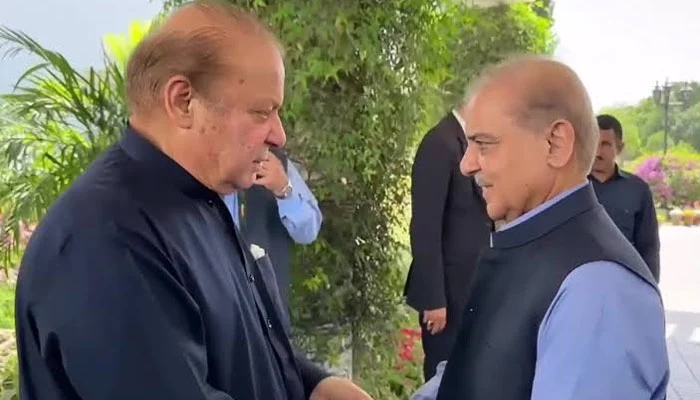
    Prime Minister Shehbaz Sharif met Pakistan Muslim League-Nawaz (PML-N) President Nawaz Sharif at his residence in Raiwind, Lahore, where the two leaders held detailed discussions on the country’s overall situation and political developments. According to a statement issued by the Prime Minister’s Office in Islamabad, Punjab Chief Minister Maryam Nawaz and Deputy Prime Minister Ishaq Dar were also present during the meeting. The discussion covered a range of important national and political matters, with the participants reviewing the current challenges facing the country. The meeting between the senior PML-N leadership comes amid ongoing political and economic developments in Pakistan, where the government continues to focus on governance, economic stability, and policy implementation. The leaders exchanged views on the prevailing national environment and discussed matters related to the government’s future priorities. The Prime Minister’s Office stated that the meeting included a comprehensive review of the country’s overall situation. However, further details regarding the specific issues discussed were not disclosed in the official statement. Nawaz Sharif, who remains the president of the PML-N and an influential figure within the party, continues to play an important role in guiding party policies and strategic decisions. Despite no longer holding public office, he frequently meets senior party leadership to discuss political matters and government performance. Prime Minister Shehbaz Sharif has maintained close communication with Nawaz Sharif on key national issues since taking office. Their meetings often focus on economic reforms, administrative matters, political strategy, and efforts to address challenges faced by the country. Punjab Chief Minister Maryam Nawaz’s presence at the meeting also highlighted the importance of provincial governance and coordination between the federal and Punjab governments. Since assuming office, Maryam Nawaz has focused on various development initiatives and administrative reforms in Punjab. Deputy Prime Minister Ishaq Dar, who also serves as a senior PML-N leader, has remained involved in economic policymaking and government affairs. His participation in the meeting reflected discussions related to national economic priorities and financial matters. Political observers consider meetings among the top PML-N leadership significant, especially at a time when Pakistan faces multiple challenges, including economic pressures, political disagreements, and the need for institutional reforms. The government has repeatedly emphasized the importance of political stability and economic recovery, while opposition parties continue to criticize government policies and demand greater accountability. The Raiwind meeting reflects the continued coordination among senior PML-N leaders as they evaluate the country’s situation and plan their political approach. Although the official statement did not provide specific details, such consultations are considered an important part of the party’s decision-making process. The meeting concluded with discussions focused on national interests, political matters, and strategies for addressing the challenges facing Pakistan. The PML-N leadership is expected to continue consultations on important issues as the government moves forward with its agenda.

  • | | |

    Pakistan’s water is red line, PM Shehbaz warns I…

    ISLAMABAD: Prime Minister Shehbaz Sharif has warned that Pakistan will respond directly if India fails to change course, declaring that every drop of the country’s water is a “red line.” Addressing the inauguration ceremony of the Victory Monument in Islamabad, the prime minister said Pakistan wanted peace rather than war, but its desire for peace should never be mistaken for weakness. He said the country was committed to pursuing peace with dignity while remaining prepared to protect its sovereignty and national interests. Shehbaz Sharif described the Victory Monument as a symbol of the courage, determination and professional capabilities of Pakistan’s armed forces. He said the monument also paid tribute to the martyrs who sacrificed their lives defending the country and honoured the armed forces personnel who demonstrated exceptional bravery. The prime minister congratulated the nation on what he described as a historic victory in the May 2025 conflict and praised Field Marshal Syed Asim Munir for his leadership. He said Pakistan’s response had strengthened the country’s standing and sent a clear message that any future challenge to its sovereignty or security would be met with a stronger response. Referring to India’s decision to suspend the Indus Waters Treaty, Shehbaz Sharif accused New Delhi of undermining regional peace. He warned that Pakistan’s water resources were a matter of national security and reiterated that the country would take direct action if India continued on its current course. The prime minister said the monument represented a milestone in Pakistan’s broader journey towards becoming a prosperous, stable and welfare-oriented state. He stressed the need to combine national defence with economic development, technological advancement and investment in human resources. Highlighting the growing importance of information technology and artificial intelligence, Shehbaz said Pakistan must prepare its younger generation for a rapidly changing global environment. He pledged that the government would provide maximum possible support for innovation, technology and skills development. On foreign policy, the prime minister said Pakistan wanted a region free from conflicts and supported resolving disputes through justice and the principles of the United Nations. He highlighted Pakistan’s role in facilitating dialogue between the United States and Iran and praised Field Marshal Asim Munir’s efforts towards promoting peace in the Middle East. Shehbaz also referred to the emerging trilateral defence cooperation involving Pakistan, Saudi Arabia and Türkiye, describing it as a positive development for regional stability and a message of peace for the wider Muslim world. Earlier, Prime Minister Shehbaz Sharif and President Asif Ali Zardari jointly inaugurated the Victory Monument in Islamabad, attended by senior civil and military officials.

  • | |

    Lahore High Court sets aside lower courts

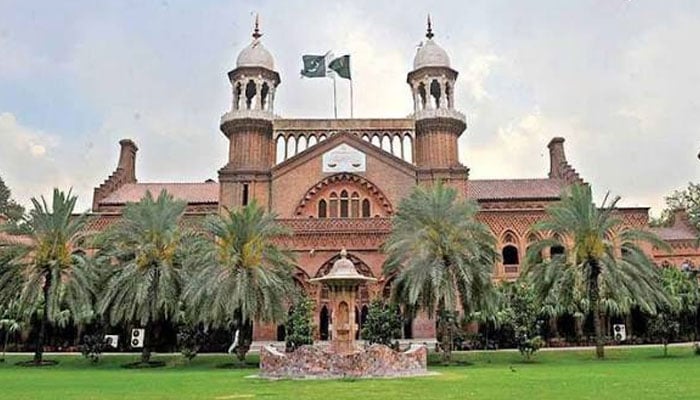
      The Lahore High Court has overturned the decisions of two lower courts that had directed the National Database and Registration Authority (NADRA) to issue Computerized National Identity Cards (CNICs) to two individuals despite questions regarding their citizenship. The ruling reinforces that disputes involving suspected citizenship fall within the jurisdiction of NADRA’s verification mechanism rather than civil courts. Justice Mohsin Akhtar Kayani issued a detailed written judgment after allowing NADRA’s appeals against the decisions of the lower courts. In the judgment, the court clarified that civil courts do not have the legal authority to decide cases involving disputed or questionable citizenship. Instead, such matters must be addressed through the procedures established under the relevant laws governing nationality verification. According to the written decision, individuals whose identity cards have been blocked or whose citizenship status has been questioned must approach the NADRA Verification Board within 30 days. The High Court further directed the Verification Board to examine each case and issue a decision in accordance with the law within 60 days of receiving the application. The judgment explains that NADRA had challenged the rulings issued by the Senior Civil Judge in Sialkot and the Sessions Judge, who had ordered the authority to issue national identity cards to two citizens despite concerns regarding the authenticity of their Pakistani citizenship. The High Court concluded that these lower courts exceeded their legal jurisdiction by issuing such directives. Justice Kayani emphasized in the written ruling that obtaining a national identity card is a fundamental right of every eligible Pakistani citizen. However, the court also stressed that this right must be exercised in accordance with the law and only after citizenship has been properly verified through the legally prescribed process.   The respondents maintained before the court that they were Pakistani citizens by birth and therefore entitled to receive national identity cards. They argued that NADRA had incorrectly classified them as foreign nationals and subsequently blocked their CNICs, depriving them of an essential legal document required for everyday civic and economic activities. NADRA, on the other hand, presented documentary evidence supporting its decision to classify the individuals as non-citizens pending verification. According to the High Court’s judgment, the authority’s documentary evidence was found to be reliable and credible. The court observed that the respondents failed to produce sufficient evidence to establish their claim of Pakistani citizenship. The judgment further states that the lower courts overlooked significant documentary evidence and failed to apply the relevant legal principles before directing NADRA to issue the identity cards. As a result, the High Court held that these legal errors warranted judicial intervention. Justice Kayani noted that the High Court has the constitutional authority to correct legal mistakes committed by subordinate courts. Exercising this authority, the court declared both lower court decisions null and void, thereby allowing NADRA’s appeals. The ruling establishes an important legal precedent regarding the resolution of citizenship disputes in Pakistan. It clarifies that while access to a national identity card is a fundamental right, questions relating to citizenship must first be determined through NADRA’s statutory verification process rather than through civil litigation. The decision also seeks to ensure consistency in handling citizenship-related cases by directing affected individuals to the NADRA Verification Board and requiring the board to decide such matters within a specified timeframe. This approach aims to balance the protection of citizens’ rights with the need to maintain the integrity and accuracy of Pakistan’s national identity registration system.

  • | |

    Shagufta Ejaz on reason for becoming a YouTuber

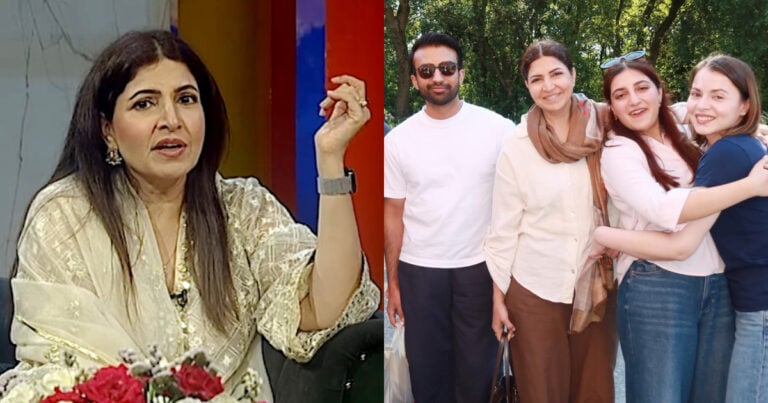
    Shagufta Ejaz has been a constant presence in Pakistani television since the PTV era, building a career that has spanned decades and generations of audiences. From her earliest roles in the golden age of state television to her continued prominence in contemporary drama, she has remained one of the industry’s most beloved and respected figures. In recent years, however, she has added an entirely new dimension to her public presence, stepping into the world of digital content creation and building a YouTube channel that has resonated with fans for its warmth, authenticity and the glimpses it offers of her family life. Appearing as a guest on Star and Style, Shagufta Ejaz spoke about what prompted her to make that shift, and the answer was a family connection rather than a professional calculation. The inspiration behind her YouTube journey was her son-in-law, Ali Hamza Baloch, who was already an established daily vlogger before she started her own channel. Shagufta explained that watching him work gave her a firsthand look at what the medium was capable of. She saw how deeply his audience connected with him, how his viewers followed his daily life and felt genuinely close to him through the screen, and something about that connection appealed to her. It was the kind of relationship with an audience that felt personal and immediate in a way that drama, for all its reach, does not always allow. With his help, she launched her own channel, and the early days of the venture were a family effort in more ways than one. Her children stepped in to handle the editing at the beginning, helping her find her footing in a format that operates very differently from the structured, scripted world of television production. Over time, however, she took ownership of the process herself and now edits her own videos, a progression that reflects both her growing comfort with the medium and her characteristic commitment to doing things properly. The content she produces has found a genuine audience. Fans have responded warmly to the homely, unpolished quality of her videos, which feature her family, her daily life and the kind of natural, unguarded moments that would never make it into a drama production. For an actress who has spent her career embodying carefully crafted characters, the channel offers something entirely different: just Shagufta Ejaz, being herself. It is a quality that her audience clearly values, and one that speaks to why she has remained relevant across so many years and so many changes in the entertainment landscape. Whether she is performing a complex character on screen or talking to her camera at home, the authenticity that has always defined her work comes through in exactly the same way.

Leave a Reply

Your email address will not be published. Required fields are marked *