cambodia protests thailand8217s

Cambodia Protests Thailand’s Registration Of Disputed Border Temples As Unlawful

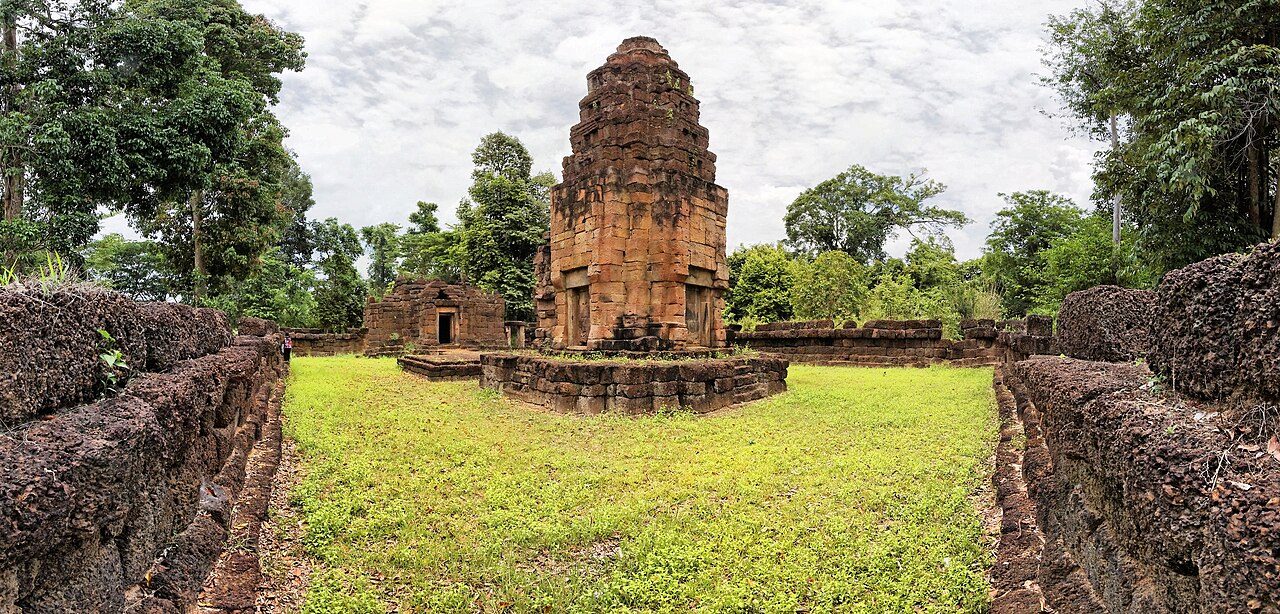
BANGKOK, Thailand — Cambodia’s Ministry of Culture has formally called on Thailand to immediately withdraw the registration of three ancient temples in Thailand’s Surin province from its official archaeological sites registry, denouncing the move as an unlawful attempt to assert territorial claims over cultural heritage sites that Cambodia maintains lie within its sovereign territory.

Missing Surin villager held in Cambodia

In a statement released this week, the Cambodian ministry described the registration by Thailand’s Fine Arts Department as “illegal, null and without legal effect,” arguing that the action cannot serve as evidence of territorial sovereignty or be used as an instrument for border delineation. The registration, which was announced in Thailand’s Royal Gazette and took effect on May 9, added the temples of Ta Muen Thom, Ta Kwai, and Nong Khana to Thailand’s official list of protected ancient monuments.

“Cambodia considers this registration an unlawful attempt to create an artificial legal appearance over cultural sites situated within the sovereign territory of the Kingdom of Cambodia,” the ministry’s statement read. The temples are known by different names in Cambodia: Tamone, Ta Krabey, and K’nar, respectively.

The Royal Gazette announcement stated that the Fine Arts Department added the temples to its registry “for the sake of clarity in protecting ancient monuments.” Thailand’s Culture Minister Sabeeda Thaised explained that the designation of archaeological sites would improve the efficiency of their management, protection, and preservation, particularly in preventing encroachment and damage. She added that the formal status would facilitate restoration and conservation work, allowing such efforts to proceed more effectively within a clearer legal framework.

However, Cambodian authorities have rejected this rationale, emphasizing that the unilateral action violates Cambodia’s sovereignty and territorial integrity and undermines the spirit of peaceful dialogue and mutual respect between the two neighboring countries. The ministry stressed that border delineation and sovereignty determinations must be resolved through bilateral negotiations and established international legal mechanisms, not through domestic administrative measures.

The dispute over these temples is part of a long-standing and occasionally volatile border conflict between Thailand and Cambodia, rooted in colonial-era maps and differing interpretations of historical boundaries. Tensions erupted into armed clashes in July and December of last year, resulting in dozens of casualties and leaving several temples claimed by both sides under Thai military control. Thailand took control of the three temples in question before a ceasefire was signed, prompting formal protests from Phnom Penh that continue to this day.

The Royal Gazette announcement included the registration of 79 archaeological sites across Thailand’s northern, northeastern, and southern regions. In Surin province alone, nine temples were listed as ancient sites this year, including the three that are the subject of Cambodia’s protest.

Regional observers note that cultural heritage sites along contested borders often become focal points for broader territorial disputes, as historical monuments can carry significant symbolic weight in national narratives. “Temples are not just stones; they are embodiments of history, identity, and sovereignty,” said a Southeast Asian heritage scholar who requested anonymity. “When borders are unclear, cultural sites can become proxies for political claims.”

Thailand has not issued a detailed public response to Cambodia’s latest protest, though government sources have previously indicated that the registration of archaeological sites is a domestic administrative matter aimed at preservation, not a statement on international boundaries. Thai officials have emphasized their commitment to protecting cultural heritage regardless of political disputes.

“Preserving ancient monuments is a responsibility we take seriously,” a spokesperson for Thailand’s Ministry of Culture stated in earlier comments. “Our actions are guided by conservation needs and legal frameworks designed to protect our shared human heritage.”

The Association of Southeast Asian Nations (ASEAN), of which both Thailand and Cambodia are members, has historically encouraged bilateral dialogue to resolve border disputes while promoting regional stability. However, the organization typically avoids direct intervention in bilateral territorial matters, preferring to facilitate communication rather than adjudicate claims.

For local communities near the disputed temples, the ongoing diplomatic tensions can have tangible impacts on daily life, tourism, and access to cultural sites. Residents on both sides of the border have expressed hopes for a peaceful resolution that allows for continued cultural exchange and economic cooperation.

“We share a long history and many cultural connections,” said a community leader from Surin province who requested anonymity. “It is our hope that dialogue, not confrontation, will guide the path forward.”

International heritage organizations, including UNESCO, have occasionally been called upon to assist in disputes involving culturally significant sites. However, such involvement typically requires consent from all parties and is focused on preservation rather than sovereignty determinations.

As diplomatic exchanges continue, both governments have reaffirmed their commitment to maintaining peaceful relations despite the current disagreement. Foreign ministry officials from Thailand and Cambodia have indicated that working-level consultations remain ongoing, though no timeline has been provided for a potential resolution.

For now, the three temples remain under Thai administration and on Thailand’s archaeological registry, while Cambodia maintains its protest and calls for the registration to be withdrawn. The situation underscores the complex interplay between cultural heritage management, territorial sovereignty, and diplomatic relations in Southeast Asia.

Thai Soldier Seriously Injured by Landmine Near Cambodian Border in Surin

Further updates regarding bilateral consultations, potential third-party mediation, or developments in the legal status of the disputed temples are expected as authorities on both sides continue to address this sensitive issue.

-Thailand News (TN)

Similar Posts

  • | | |

    Goods transport strike enters fourth day

    The nationwide strike by the All Pakistan Goods Transport Alliance has entered its fourth consecutive day. The continued suspension of freight services has raised concerns about possible disruptions to the supply of essential goods. Transporters say there has been no major breakthrough in talks with the government. They have therefore decided to continue their protest. Goods Transport Alliance President Malik Shehzad Awan said the government must take serious steps to end the deadlock. He said transporters were still willing to negotiate. However, he stressed that talks alone would not be enough. The transporters want clear progress on their demands before ending the strike. The ongoing protest has created uncertainty for businesses and traders. Goods transport vehicles play a key role in moving food, fuel and other essential items between cities. A prolonged strike could affect the movement of supplies. It could also create difficulties for wholesalers, retailers and consumers. There are concerns that shortages in some markets may push up prices. Food items could become more expensive if supplies remain disrupted for an extended period. The transporters launched the protest over rising petroleum prices. They are also opposing the government’s policy of changing petroleum prices on a daily basis. The alliance has demanded action on the issues affecting the transport sector. Transporters argue that frequent changes in fuel prices make it difficult for them to manage operating costs. They have called for serious engagement from the government. They want their concerns to be addressed through negotiations. Malik Shehzad Awan said the transporters had not closed the door to dialogue. However, he maintained that the government must demonstrate meaningful progress. The strike is affecting freight movement at a time when businesses depend heavily on road transport. Goods vehicles are used to supply markets across the country. If the deadlock continues, the impact could become more visible in local markets. Traders may face delays in receiving supplies, while consumers could face higher prices. The transporters have not announced a deadline for ending the strike. They are waiting for further government action and progress on their demands.

  • | |

    Aseefa Bhutto urges thorough probe into Hina Javed…

    First Lady Aseefa Bhutto-Zardari has called on the Punjab government to ensure a thorough and impartial investigation into the murder of Hina Javed in Rawalpindi. Aseefa expressed deep sorrow over the killing and conveyed her condolences to Hina’s family. She said those responsible for the crime must be identified and brought to justice. Hina Javed was found dead inside the bathroom of her apartment in Askari Apartments, Lal Kurti, on Thursday evening. Police said the initial examination indicated signs of violence and a mark around her neck. Aseefa urged the provincial authorities to conduct a comprehensive investigation into the case. She stressed that the circumstances surrounding Hina’s death must be fully established and that no aspect of the investigation should be overlooked. She said the perpetrators must face the law and called for strict action to ensure that such incidents are not repeated. The First Lady also expressed concern over increasing incidents of violence against women in Pakistan. She called for stronger measures to protect women and prevent violence against them. According to the first information report registered at Civil Lines Police Station on August 20, Hina’s brother, Fahid Javed, accused her husband, father-in-law and a domestic servant of being involved in her death. Fahid told police that he received a call from Hina’s father-in-law at around 6:53pm on Thursday. He was informed about an emergency at the apartment. He then reached the residence with other family members at around 7:23pm. The complainant said he found his sister’s body in the bathroom. He alleged that Hina had been subjected to severe violence and mistreatment. He also raised suspicion that she may have been given a poisonous substance before her death. The FIR was registered under Sections 302 and 34 of the Pakistan Penal Code. The complaint states that Hina married the main suspect in November 2025. An initial postmortem examination reportedly found a strangulation mark around her neck, an injury below her right lip and bleeding. Police have detained Hina’s husband and a domestic servant in connection with the murder. Her father-in-law is also being questioned as part of the investigation.

  • |

    Court pauses construction of $400 Million White Ho…

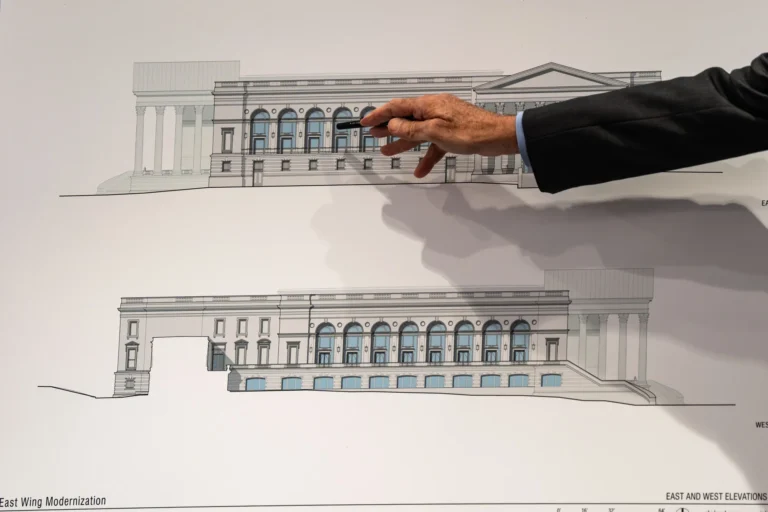
    A U.S. federal appeals court issued a ruling to halt construction on the ambitious $400 million White House ballroom project. The decision by the U.S. Court of Appeals for the District of Columbia Circuit upholds a preliminary injunction that brings above-ground work on the massive 90,000-square-foot facility to a standstill. The legal challenge was originally brought by the National Trust for Historic Preservation. The timing was right after the administration demolished the historic East Wing to clear space for the new addition. This project was devised without receiving formal authorization from the United States Congress or regulatory historic preservation bodies. The Core Legal and Historic Dispute The dispute began after the historic East Wing was razed to make way for a grand event space capable of hosting hundreds of guests. Preservationists quickly filed suit. Their argument was that the administration overstepped its legal boundaries by destroying part of the historic executive mansion without proper congressional oversight. In earlier lower court proceedings, the federal judge sided with the preservation group. The judge concluded that the executive branch could not bypass legislative authorization to construct such a massive structure. The administration argued that the ballroom itself would be funded primarily through private contributions rather than taxpayer dollars. Critics maintained that private funding does not grant an administration the right to alter iconic federal heritage sites at will. Security Exceptions vs. Architectural Expansion A major focal point of the ongoing litigation involves the distinction between above-ground construction and essential subterranean infrastructure. Lower court decisions made allowances for below-ground work to proceed. The allowed spots were specifically underground bunkers, military installations and updated security infrastructure meant to replace outdated Cold War-era facilities. Justice Department attorneys representing the administration argued that halting any portion of the project could jeopardize executive branch safety. The new complex integrates crucial defensive elements against modern airborne and ballistic threats. However, judges questioned whether national security arguments could be applied to justify an entire 90,000-square-foot ballroom built above those installations. The appellate court’s latest order reinforces the restriction on above-ground structural work. However, the order allows government a temporary 14-day emergency intervention from the U.S. Supreme Court. Broader Presidential Power Implications The ruling marks on significant constitutional questions regarding the limits of executive power over federal property. Government lawyers previously asserted to the court that judges lacked the authority to intervene in executive branch building decisions once work was underway. The judiciary’s willingness to block the project highlights a sharp pushback against the idea that rapid demolition creates a fait accompli immune to judicial review.   As the 14-day stay ticks down, all eyes are on the Supreme Court whether the nation’s highest tribunal will step in to allow construction or leave the high-stakes project frozen.

  • | |

    Khawaja Asif calls bureaucracy Pakistan’s real r…

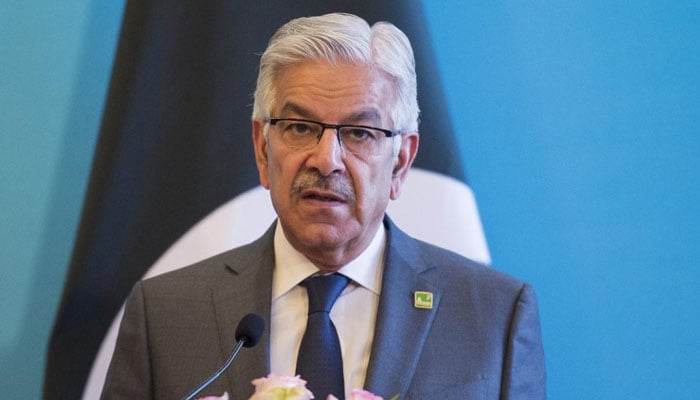
    ISLAMABAD: Defence Minister Khawaja Asif has criticised Pakistan’s bureaucracy. He described it as the country’s “real and permanent rulers.” Asif said bureaucrats had remained largely beyond effective accountability during Pakistan’s 78-year history. He said politicians had faced accountability on numerous occasions. Other powerful groups had also been held accountable at different times. However, he said it was difficult to find similar examples involving senior bureaucrats. The defence minister made the remarks while sharing a social media post about alleged financial corruption involving a senior bureaucrat. Asif said the bureaucracy had gradually become a powerful and largely untouchable class. He questioned why bureaucrats had not been subjected to the same level of scrutiny as politicians. According to Asif, politicians themselves were partly responsible for the situation. He said political leaders had failed to establish an effective system to hold the bureaucracy accountable. The minister also referred to a former bureaucratic ruler while discussing the influence of senior officials in Pakistan. He said the former official used highly inappropriate and insulting language against politicians. Despite this behaviour, politicians continued to tolerate him, according to Asif. Asif’s comments highlight his criticism of the imbalance in accountability among powerful sections of Pakistani society. His remarks also raise questions about the role of the bureaucracy in governance and decision-making. The minister maintained that stronger accountability was needed for all powerful groups. He suggested that politicians could not blame bureaucrats alone for the existing system because political leaders had also contributed to its continuation.

  • Cambodia Blocks Return of Thais at Poipet Border Crossing Indefinitely

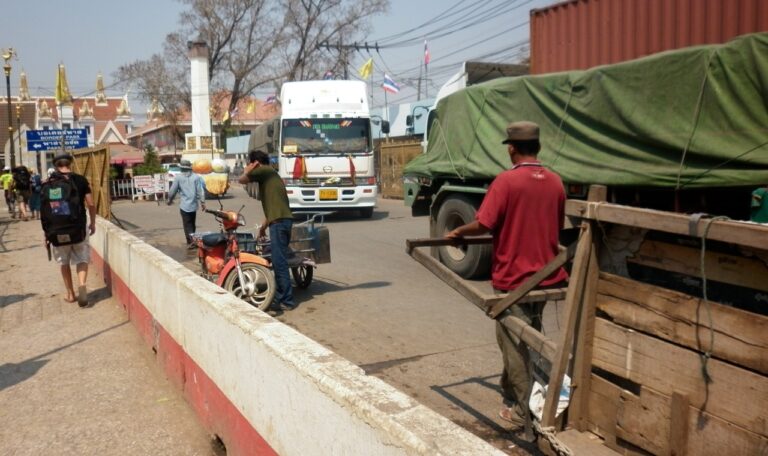
    BANGKOK – Thousands of Thai nationals remain stranded in the Cambodian border town of Poipet after authorities there indefinitely postponed a promised humanitarian corridor that was scheduled to open on Saturday. The move has left approximately 3,000 Thais who gathered at the checkpoint with their belongings unable to return home. Thai Embassy Seeks Clearance as […]

  • | |

    ‘Never felt this helpless’: Dr Summaiya speaks…

    Police Surgeon Dr Summaiya Syed has expressed deep concern over developments in the Mir Raza Ali case, saying she has never felt so helpless during her four-year tenure as Karachi’s police surgeon and head of medico-legal services. In a post on social media platform X, Dr Summaiya said she had frequently faced obstacles while trying to establish the truth and ensure justice. However, she said the situation surrounding the Mir Raza case had left her extremely exhausted. “During my four-year tenure as Karachi’s medico-legal services/police surgeon, I have never felt this helpless,” she said. Dr Summaiya added that although difficulties had often come her way in the pursuit of truth and justice, she had now reached a point of extreme exhaustion. The police surgeon had earlier written a letter to the Senior Superintendent of Police (SSP) East regarding the Mir Raza Ali case. In the letter, she pointed out what she described as serious shortcomings in the post-mortem report prepared by Dr Usama Sheikh. Her concerns have raised questions about the findings recorded in the post-mortem report and the medico-legal procedures followed in the case. The matter has consequently drawn attention to the importance of accurate documentation and proper medical examination in sensitive cases. Dr Summaiya’s latest remarks indicate her continued concern over the handling of the case. Her public statement has also highlighted the difficulties she says she has encountered while carrying out her professional responsibilities and seeking truth and justice.

Leave a Reply

Your email address will not be published. Required fields are marked *