
कारोबार

  • |

    NEPRA seeks Rs34bn recovery from power consumers as industrial sector opposes tariff hike

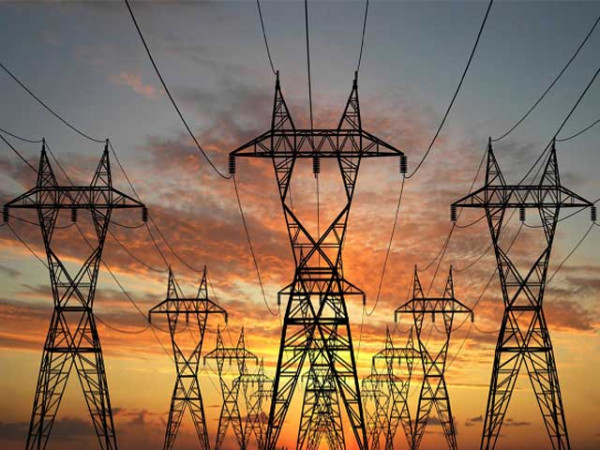
    ISLAMABAD: The federal government has proposed recovering around Rs34 billion from consumers of distribution companies (Discos) and K-Electric through the quarterly tariff adjustment (QTA) for April-June 2026, translating into an estimated increase of Rs1.34 per unit. The proposed adjustment has been attributed largely to higher capacity-related costs resulting from a decline in electricity consumption during the quarter. However, representatives of the industrial sector have strongly opposed the proposed increase, arguing that businesses are already facing high electricity costs and cannot absorb another financial burden. The National Electric Power Regulatory Authority (NEPRA) held a public hearing on Wednesday to examine the QTA request, during which representatives of industries, power distribution companies and the government presented their positions. Initially, the power distribution companies had requested an adjustment of Rs23.031 billion for the second quarter of fiscal year 2026 under the QTA mechanism. The amount was later revised upward to Rs33.778 billion. According to the figures presented before NEPRA, the largest component of the proposed adjustment is related to capacity charges, amounting to Rs46.280 billion. Variable operation and maintenance costs account for another Rs4.936 billion. The calculation also includes a negative adjustment of Rs13.517 billion related to Use of System Charges (UoSC) and the Market Operator Fee (MOF), which partially offsets the overall increase. Similarly, Rs3.040 billion has been included to account for the impact of transmission and distribution losses on monthly Fuel Charges Adjustments (FCA). A further negative adjustment of Rs21.175 billion has been made under the incremental consumption package. The distribution companies have also claimed Rs14.211 billion for costs relating to Small Power Producers (SPPs) and Captive Power Producers (CPPs) that they say remained unrecovered. Industrial sector voices concern During the hearing, industrial representatives raised strong objections to the proposed QTA adjustment, warning that another increase in electricity prices could further weaken the competitiveness of Pakistan’s manufacturing sector. Rehan Javed, Aamir Sheikh and Tanveer Barry conveyed their concerns to NEPRA officials in the presence of representatives from the Ministry of Energy and the distribution companies. The representatives argued that industries were already operating under considerable cost pressures and that any additional increase in electricity tariffs would raise production expenses and make it more difficult for local businesses to compete in domestic and international markets. Tanveer Barry, representing the Karachi Chamber of Commerce and Industry (KCCI), particularly questioned the sharp rise in capacity-related charges. According to Barry, capacity charges had increased from around Rs36 billion in the first quarter to more than Rs50 billion in the period under review. He said the increase could ultimately translate into a much larger financial burden for consumers. He estimated that the combined impact could place an additional burden of approximately Rs3.50 per unit on consumers, depending on the final adjustment approved by the regulator. Barry also pointed out that eight distribution companies had reported positive capacity charges, while three had recorded negative adjustments. He urged NEPRA to examine the calculations and underlying reasons for the variations before approving any additional burden on consumers. Lower electricity demand Officials of the Peshawar Electric Power Company (Pesco) told the hearing that electricity consumption had fallen by approximately five per cent during the period under review. They attributed much of the decline to weaker demand from domestic and commercial consumers. Increasing adoption of solar energy was also cited as one of the factors reducing demand from residential consumers. NEPRA Member Maqsood Anwar Khan questioned Pesco officials about whether load-shedding was also being carried out in areas where consumers regularly paid their electricity bills. The Pesco representatives acknowledged that load-shedding was taking place. Maqsood Anwar Khan observed that interruptions in electricity supply could themselves contribute to lower electricity sales, as consumers would naturally use less grid electricity when supply was unavailable. Solarisation becomes key point of debate The growing use of solar power also featured prominently during the hearing. The NEPRA member noted that the expansion of solar generation had provided relief to the national electricity system by reducing daytime demand from the grid. He observed that without the contribution of solar energy, pressure on the power system and the need for daytime load management could have been considerably greater. He further noted that increasing solarisation was shifting the pattern of load-shedding, with pressure becoming more visible during night-time hours when solar generation was unavailable. The NEPRA member also disagreed with the assertion that solarisation alone was responsible for a decline in electricity sales, maintaining that the impact of rooftop and distributed solar generation should be assessed in a broader context. Industry questions capacity payments Industrial representatives also questioned why consumers should continue to shoulder substantial capacity payments when many areas were still experiencing load-shedding. Barry argued that consumers were effectively being asked to pay for electricity generation capacity while not receiving uninterrupted power supply. He further raised concerns about capacity payments being made to older and relatively inefficient power plants. According to him, the under-utilisation of generating units was contributing to higher capacity-related costs and ultimately increasing the price of electricity for consumers. The industrial sector also questioned whether the dispatch of power plants was fully aligned with the Economic Merit Order (EMO), arguing that deviations from the merit order could contribute to unnecessary costs. The representatives called on NEPRA to undertake a detailed review of the QTA calculations before reaching a final decision. They urged the regulator to defer the proposed increase, warning that higher electricity costs would place additional pressure on industries, increase production expenses and potentially undermine Pakistan’s export competitiveness. NEPRA is expected to examine the claims and objections raised during the public hearing before determining the final quarterly tariff adjustment applicable to consumers.

  • |

    Pakistan explores digital assets, tokenisation to expand access to finance

    ISLAMABAD: Pakistan is examining the potential use of digital assets and tokenisation in areas including real estate and other investment instruments as part of broader efforts to accelerate digital transformation and expand access to financial services. The matter came under discussion during a meeting between Federal Minister for Finance and Revenue Senator Muhammad Aurangzeb and Pakistan Digital Authority (PDA) Chairperson Dr Sohail Munir on Thursday. The meeting focused on digital finance, technology-driven economic activity and measures aimed at making financial services more accessible and efficient. According to the Finance Division, the participants reviewed the emerging role of digital assets and tokenisation, particularly their possible application in real estate and other investment-related assets. The discussion also stressed the need for an appropriate regulatory and institutional framework to ensure that such technologies are adopted in a responsible and sustainable manner. Tokenisation generally involves representing ownership or economic rights in an asset through digital tokens. The approach has attracted growing international attention because it can potentially make certain investment opportunities easier to access, improve transaction efficiency and broaden participation in financial markets. The finance minister stressed that Pakistan’s regulatory and institutional arrangements must keep pace with rapid developments in digital technology and new business models. He emphasised that emerging technologies should be supported by clear rules and mechanisms that provide certainty to businesses, investors and financial institutions. The meeting also examined the need to create an enabling environment for electronic transactions and encourage the wider adoption of digital processes across trade and financial activities. Aurangzeb highlighted the importance of using technology to reduce procedural barriers and improve access to finance. In this regard, the participants discussed simplifying customer onboarding procedures, strengthening mechanisms for sharing financial data and improving interoperability among different financial systems. Greater connectivity between banks and capital markets was also identified as an important area for development. The participants considered how digital platforms and simplified account-opening procedures could encourage more people to participate in the capital market and gain access to a broader range of investment opportunities.   The finance minister also called for stronger integration of banking and capital-market systems, noting that better-connected digital infrastructure could help improve financial inclusion while making investment processes more convenient and efficient. Another key area discussed during the meeting was the use and interoperability of data across government institutions. Aurangzeb noted that better integration of government data could improve the quality and speed of policymaking, planning and decision-making. The meeting also considered the growing role of Artificial Intelligence (AI) and other digital technologies in strengthening government systems and improving the delivery of public and financial services. The participants reviewed opportunities to enhance Pakistan’s digital infrastructure so that government departments, financial institutions and businesses can operate through more efficient and interconnected systems. Aurangzeb appreciated the initiatives being undertaken by the Pakistan Digital Authority and stressed the need to prioritise practical projects capable of delivering measurable improvements in efficiency, financial access and digital capacity. He further emphasised continued coordination among government institutions, regulators, financial-sector stakeholders and technology organisations to ensure that digital initiatives translate into tangible economic benefits. The discussions form part of wider efforts to strengthen Pakistan’s digital economy by modernising financial processes, expanding technology-based services and creating an environment in which emerging financial technologies can develop within an appropriate regulatory framework. With digital assets, tokenisation, artificial intelligence and data-driven financial services developing rapidly worldwide, Pakistan’s efforts to establish suitable frameworks could play an important role in determining how effectively the country participates in the next phase of digital financial development.

  • |

    KP cabinet approves tax exemptions for merged districts, Malakand

    PESHAWAR: The Khyber Pakhtunkhwa government has approved a package of measures aimed at providing tax relief to businesses and industries operating in the province’s merged tribal districts and Malakand Division, while also expanding welfare and education initiatives. According to Khyber Pakhtunkhwa Information Minister Shafiullah Jan, the provincial cabinet has endorsed exemptions from certain provincial taxes for service providers and industries operating in areas previously covered by the Federally Administered Tribal Areas (FATA), Provincially Administered Tribal Areas (PATA) and Malakand Division. Under the decision, service providers operating in the former FATA, PATA and Malakand areas will be exempted from provincial sales tax on services. Industries established in these regions will also receive relief from withholding sales tax. The government said the tax measures were intended to encourage investment, facilitate businesses and support economic activity in areas that have historically faced developmental and infrastructure challenges. Ehsaas Nawaz funding increased The cabinet also approved a significant increase in the financial allocation for the Ehsaas Nawaz programme. According to the information minister, the programme’s funding has been raised from Rs3 billion to Rs5 billion. The increase is expected to provide additional financial support under the government’s welfare initiatives and expand the programme’s reach among deserving segments of the population. Ashra Rahmat Lil-Aalameen programme approved The provincial cabinet also approved arrangements for observing Ashra Rahmat Lil-Aalameen (PBUH) across Khyber Pakhtunkhwa. The celebrations will formally begin from the first day of Rabi-ul-Awwal, with the cabinet approving a schedule for programmes to be organised across the province. The initiative is expected to include a range of activities aimed at highlighting the teachings, life and message of the Holy Prophet Muhammad (PBUH). Education sector measures Several decisions concerning education were also approved during the cabinet meeting. The provincial government sanctioned funds for schools and colleges in various districts to address educational requirements and improve facilities. The cabinet also approved a system for providing textbooks according to the semester system up to Grade 5. In another major education-related decision, the cabinet approved the provision of 100 percent free textbooks for students from Grade 9 to Grade 12. The measures are aimed at reducing the financial burden on students and their families while improving access to educational resources, particularly for students enrolled in government institutions. Public-private partnership legislation The cabinet further approved the Khyber Pakhtunkhwa Public Private Partnership Authority Bill 2026 for enactment. The proposed legislation is intended to establish a formal framework for public-private partnerships in the province and facilitate greater participation of the private sector in development projects. The government believes stronger public-private cooperation can help mobilise investment, improve service delivery and accelerate infrastructure development across Khyber Pakhtunkhwa.

  • |

    Gold prices reverse rally, fall by Rs3,500 per tola

    KARACHI: The recent upward trend in gold prices in Pakistan and international markets came to an end on Thursday, with domestic bullion rates witnessing a noticeable decline after a sharp rally over the past week. According to data released by the All Pakistan Sarafa Gems and Jewellers Association, the price of 24-carat gold dropped by Rs3,500 per tola, bringing the new price to Rs460,436 per tola. The decline was also reflected in the price of gold measured by weight. The price of 10 grams of 24-carat gold decreased by Rs3,001, settling at Rs394,749. The latest correction comes after a strong rally in the domestic bullion market. Gold had gained around Rs36,000 per tola over the previous seven days, highlighting the extent of the recent surge before Thursday’s decline. The local market also recorded a fall in silver prices. The price of silver declined by Rs175 per tola, taking its rate to Rs6,936. Global gold prices also decline The correction in Pakistan’s gold market coincided with a decline in international bullion prices. In the global market, gold fell by $35 per ounce, with the international price standing at around $4,380 per ounce. Market participants are closely monitoring developments in global financial markets, particularly movements in the US dollar, interest-rate expectations and economic data, which can influence investor demand for precious metals. Gold is generally considered a safe-haven asset, and its price can rise when investors seek protection from economic or geopolitical uncertainty. However, sharp gains can also prompt profit-taking, resulting in short-term corrections such as the one witnessed on Thursday. Despite the latest decline, gold prices remain significantly elevated after the substantial increase recorded during the past week. Traders and investors are expected to keep a close watch on international bullion movements and currency trends for further direction in the local market.

  • | | |

    Pakistan seeks stronger economic ties with Califor…

    Pakistan’s Ambassador to the United States Rizwan Saeed Sheikh has held a series of meetings with senior officials, business leaders and members of the Pakistani-American community during his visit to California. The ambassador discussed ways to expand economic and commercial cooperation between Pakistan and the US state. He said developing stronger economic, trade and educational links with California was among Pakistan’s key priorities. Sheikh highlighted the potential for cooperation in sectors including modern technology and agriculture. He said both sides should focus on creating more opportunities for investment, business partnerships and the exchange of expertise. The ambassador also engaged with representatives of the American business community and investors. He encouraged them to examine Pakistan’s growing investment potential and explore opportunities for launching business ventures in the country. Sheikh said stronger links between Pakistani and American businesses could help increase trade and create new avenues for economic cooperation. He also highlighted the importance of educational connections between Pakistan and California. According to the ambassador, greater interaction between educational institutions, professionals and technology sectors could contribute to knowledge sharing and long-term cooperation. During his meetings with Pakistani-Americans, Sheikh praised their contribution to strengthening relations between Pakistan and the United States. He said the community had played an important role in promoting cultural understanding, local trade and people-to-people contacts. The ambassador said Pakistani-Americans could further contribute by building stronger business and cultural connections between the two countries. The meetings were part of Pakistan’s efforts to deepen engagement with California’s government, business sector and Pakistani-American community.

  • A Billion-Baht Vision: How One Family is Putting Chiang Rai on the Global Luxury Map

    CHIANG RAI – The beautiful Kok River serves as the vital lifeblood of Chiang Rai in northern Thailand. Many years ago, this river was a highly active hub for regional trade and culture. Wealthy local merchants built grand homes along these riverbanks to warmly welcome guests from far away. Now, that incredibly rich history is […]

  • Thailand Eyes New Tourist Fee and Huge Travel Subsidy to Boost Local Economy

    BANGKOK – Thailand is getting ready to shake up its travel sector with two major new policies. Starting this September, the country plans to launch a massive domestic travel subsidy program. Furthermore, government officials are also looking at a brand-new fee for foreign visitors arriving in the country. The primary goal is to grow the […]

  • Thailand Real Estate Lock-In Is Easing as FSBO Gains Ground

    Thailand’s Real Estate market is showing a new kind of movement. Owners who once held onto condos, villas, and land-backed homes because changing ownership structures felt difficult are now testing direct sales. That doesn’t prove a nationwide FSBO boom. However, more owner-listed properties, slower transactions, weaker purchasing power, and higher closing costs point to a […]

  • Thailand Court Green Lights Historic Facebook Scam Lawsuits

    BANGKOK – A major legal battle is currently heating up in Thailand over the issue of online scams. The nation is taking a bold and unprecedented stand against widespread digital fraud. Consumer rights advocates are actively targeting businesses that operate on major social media platforms. The Bangkok South Civil Court recently moved these important fraud […]

  • Benefits of Online Shopping Via E-commerce

    Nowadays, anyone with a capable mobile phone or device can enjoy the benefits of online shopping. Many people are accustomed to traditional shopping, visiting market vendors or walking through malls—activities that require leaving the house and expending physical energy. While you might enjoy the exercise involved in walking around a mall, and such activity isn’t […]