nepra seeks rs34bn
|

NEPRA seeks Rs34bn recovery from power consumers as industrial sector opposes tariff hike

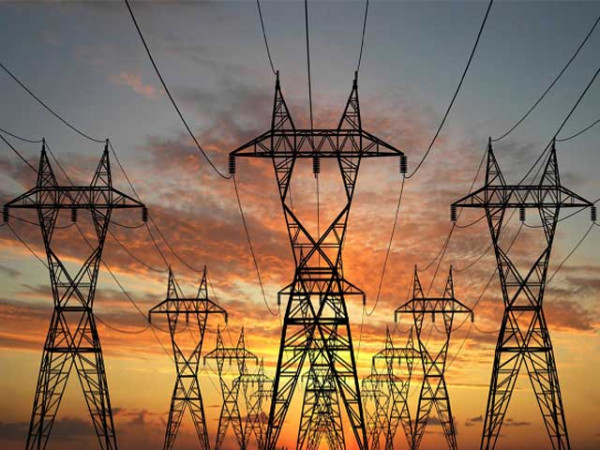
ISLAMABAD: The federal government has proposed recovering around Rs34 billion from consumers of distribution companies (Discos) and K-Electric through the quarterly tariff adjustment (QTA) for April-June 2026, translating into an estimated increase of Rs1.34 per unit.

The proposed adjustment has been attributed largely to higher capacity-related costs resulting from a decline in electricity consumption during the quarter. However, representatives of the industrial sector have strongly opposed the proposed increase, arguing that businesses are already facing high electricity costs and cannot absorb another financial burden.

The National Electric Power Regulatory Authority (NEPRA) held a public hearing on Wednesday to examine the QTA request, during which representatives of industries, power distribution companies and the government presented their positions.

Initially, the power distribution companies had requested an adjustment of Rs23.031 billion for the second quarter of fiscal year 2026 under the QTA mechanism. The amount was later revised upward to Rs33.778 billion.

According to the figures presented before NEPRA, the largest component of the proposed adjustment is related to capacity charges, amounting to Rs46.280 billion. Variable operation and maintenance costs account for another Rs4.936 billion.

The calculation also includes a negative adjustment of Rs13.517 billion related to Use of System Charges (UoSC) and the Market Operator Fee (MOF), which partially offsets the overall increase.

Similarly, Rs3.040 billion has been included to account for the impact of transmission and distribution losses on monthly Fuel Charges Adjustments (FCA). A further negative adjustment of Rs21.175 billion has been made under the incremental consumption package.

The distribution companies have also claimed Rs14.211 billion for costs relating to Small Power Producers (SPPs) and Captive Power Producers (CPPs) that they say remained unrecovered.

Industrial sector voices concern

During the hearing, industrial representatives raised strong objections to the proposed QTA adjustment, warning that another increase in electricity prices could further weaken the competitiveness of Pakistan’s manufacturing sector.

Rehan Javed, Aamir Sheikh and Tanveer Barry conveyed their concerns to NEPRA officials in the presence of representatives from the Ministry of Energy and the distribution companies.

The representatives argued that industries were already operating under considerable cost pressures and that any additional increase in electricity tariffs would raise production expenses and make it more difficult for local businesses to compete in domestic and international markets.

Tanveer Barry, representing the Karachi Chamber of Commerce and Industry (KCCI), particularly questioned the sharp rise in capacity-related charges.

According to Barry, capacity charges had increased from around Rs36 billion in the first quarter to more than Rs50 billion in the period under review. He said the increase could ultimately translate into a much larger financial burden for consumers.

He estimated that the combined impact could place an additional burden of approximately Rs3.50 per unit on consumers, depending on the final adjustment approved by the regulator.

Barry also pointed out that eight distribution companies had reported positive capacity charges, while three had recorded negative adjustments. He urged NEPRA to examine the calculations and underlying reasons for the variations before approving any additional burden on consumers.

Lower electricity demand

Officials of the Peshawar Electric Power Company (Pesco) told the hearing that electricity consumption had fallen by approximately five per cent during the period under review.

They attributed much of the decline to weaker demand from domestic and commercial consumers. Increasing adoption of solar energy was also cited as one of the factors reducing demand from residential consumers.

NEPRA Member Maqsood Anwar Khan questioned Pesco officials about whether load-shedding was also being carried out in areas where consumers regularly paid their electricity bills.

The Pesco representatives acknowledged that load-shedding was taking place.

Maqsood Anwar Khan observed that interruptions in electricity supply could themselves contribute to lower electricity sales, as consumers would naturally use less grid electricity when supply was unavailable.

Solarisation becomes key point of debate

The growing use of solar power also featured prominently during the hearing.

The NEPRA member noted that the expansion of solar generation had provided relief to the national electricity system by reducing daytime demand from the grid. He observed that without the contribution of solar energy, pressure on the power system and the need for daytime load management could have been considerably greater.

He further noted that increasing solarisation was shifting the pattern of load-shedding, with pressure becoming more visible during night-time hours when solar generation was unavailable.

The NEPRA member also disagreed with the assertion that solarisation alone was responsible for a decline in electricity sales, maintaining that the impact of rooftop and distributed solar generation should be assessed in a broader context.

Industry questions capacity payments

Industrial representatives also questioned why consumers should continue to shoulder substantial capacity payments when many areas were still experiencing load-shedding.

Barry argued that consumers were effectively being asked to pay for electricity generation capacity while not receiving uninterrupted power supply.

He further raised concerns about capacity payments being made to older and relatively inefficient power plants. According to him, the under-utilisation of generating units was contributing to higher capacity-related costs and ultimately increasing the price of electricity for consumers.

The industrial sector also questioned whether the dispatch of power plants was fully aligned with the Economic Merit Order (EMO), arguing that deviations from the merit order could contribute to unnecessary costs.

The representatives called on NEPRA to undertake a detailed review of the QTA calculations before reaching a final decision.

They urged the regulator to defer the proposed increase, warning that higher electricity costs would place additional pressure on industries, increase production expenses and potentially undermine Pakistan’s export competitiveness.

NEPRA is expected to examine the claims and objections raised during the public hearing before determining the final quarterly tariff adjustment applicable to consumers.


Similar Posts

  • | |

    Overseas Pakistanis welcome proposal for creation …

      Overseas Pakistanis have welcomed the proposal to create new provinces in the country, describing it as a positive step toward improving administrative efficiency, strengthening governance and bringing public institutions closer to citizens. Rajah Nasir Hussain, a representative of overseas Pakistanis and a prominent businessman from Gujar Khan, expressed his support for the proposal . He said the idea of creating seven provinces should be considered alongside the establishment of an eighth province comprising Islamabad and the Potohar region. According to Hussain, the creation of new provinces could help address administrative challenges and improve the delivery of public services. He stressed, however, that any decision regarding the creation of new provinces should be made through constitutional amendments and broad political consensus. He said the issue should not be treated as a matter of political rivalry or regional competition. Instead, it should be viewed as an administrative reform aimed at improving governance and ensuring that citizens in different parts of the country receive better access to state institutions and public services. Hussain also highlighted the important role played by overseas Pakistanis in the national economy. He said millions of Pakistanis living and working abroad contribute significantly to the country through remittances. The funds sent by overseas Pakistanis provide vital support to Pakistan’s economy and help strengthen the country’s financial system. He noted that overseas Pakistanis continue to make economic contributions despite living outside the country. Their remittances support families, increase foreign exchange inflows and contribute to economic stability. In his view, their role should therefore be recognised not only in economic terms but also through greater representation in the country’s administrative and political framework. Hussain argued that the government and political leadership should explore new mechanisms through which overseas Pakistanis can participate more effectively in national affairs. He said their experience of living and working in different countries gives them exposure to modern administrative systems, business practices and governance models that could potentially benefit Pakistan. He further suggested that overseas Pakistanis should have greater opportunities to contribute to policy discussions concerning economic development, investment, governance and administrative reforms. Their participation, he said, could help policymakers understand international practices and identify approaches that may be adapted to Pakistan’s circumstances. Regarding the proposed new provinces, Hussain emphasised the importance of consultation among all stakeholders. He said political parties, provincial governments, civil society, constitutional experts and representatives of the affected regions should be involved in the discussion before any final decision is taken. He maintained that the creation of provinces should be based on administrative requirements, population, geographical considerations, economic viability and the interests of local communities rather than short-term political objectives. The proposal to consider Islamabad and Potohar as an eighth province, he said, should also be examined within this broader framework. Such a move, if supported by constitutional and political consensus, could potentially improve administrative management and representation in the region. Hussain reiterated that overseas Pakistanis support reforms aimed at strengthening the country’s administrative structure. He said the debate over new provinces provides an opportunity to consider broader governance reforms while ensuring constitutional procedures and national consensus. He concluded that overseas Pakistanis should be regarded as important stakeholders in Pakistan’s future. Given their economic contributions and national role, developing effective mechanisms for their political and administrative representation should be considered a priority alongside wider institutional reforms.

  • | |

    PMDC announces special measures for AJK students a…

      The Pakistan Medical and Dental Council (PMDC) has announced a series of special measures to ensure that students from Azad Jammu and Kashmir (AJK), who have been affected by prolonged internet disruptions, are able to participate in the Medical and Dental College Admission Test (MDCAT) without facing unnecessary obstacles. As part of these initiatives, the PMDC has established a dedicated examination center in Islamabad and has also reached a preliminary agreement to set up a regional PMDC office in Azad Kashmir. The decisions were made during a meeting between AJK Secretary of Health Brigadier Aamir Raza and Joint Admission Committee Chairman Professor Dr. Faisal Bashir with PMDC President Professor Dr. Rizwan Taj, Registrar Brigadier (Retd.) Rehan Naqvi, and Director of Admission Affairs Dr. Imdad Ali Khushk. The meeting focused on the registration challenges faced by AJK students due to the prolonged internet shutdown and explored practical solutions to ensure that no eligible candidate is deprived of the opportunity to take the MDCAT. During the meeting, the Secretary of Health of the AJK government informed PMDC officials that the ongoing internet suspension in the region had created serious difficulties for students attempting to complete their online registration for the entrance examination. He requested the council to extend every possible facility to affected students so that deserving candidates would not miss the examination because of circumstances beyond their control. Speaking on the occasion, PMDC President Professor Dr. Rizwan Taj stated that the council had already introduced several special measures to facilitate students from Azad Kashmir. He emphasized that the Government of Pakistan remains committed to ensuring equal opportunities for every eligible student seeking admission to medical and dental colleges, regardless of the challenges they face. Dr. Rizwan Taj explained that, considering the extraordinary circumstances in the region, the deadline for MDCAT registration with the regular fee had been extended twice. Initially, the deadline was extended until July 13, and later it was further extended until July 23, 2026, to provide additional time for students affected by the communication disruptions to complete their registration process. The PMDC President further said that students from Azad Kashmir had been given multiple options for submitting their registration applications. In addition to the online process, applications could be sent through WhatsApp, email, postal mail, or submitted in person. He also assured students experiencing registration difficulties that they could contact the PMDC directly, where officials would provide all possible assistance to help them complete the process successfully. To further support students, the PMDC has established a special MDCAT examination center in Islamabad specifically for candidates from Azad Kashmir. A public notice has already been issued regarding the facility, and a dedicated focal person has been appointed to guide students throughout the registration and examination process. The council hopes these measures will reduce confusion and ensure smooth coordination for affected candidates. During the meeting, PMDC President Professor Dr. Rizwan Taj and Registrar Brigadier (Retd.) Rehan Naqvi assured the Government of Azad Jammu and Kashmir of their full cooperation in addressing students’ concerns. Both sides also reached a preliminary agreement to establish a PMDC regional office in Azad Kashmir to improve access to council services for students and healthcare professionals in the region. The proposal will now be presented to the PMDC Governing Body for formal approval. At the conclusion of the meeting, the AJK Secretary of Health and the Chairman of the Joint Admission Committee appreciated the PMDC’s timely response and the special facilities provided for students affected by the internet shutdown. They expressed confidence that these initiatives would ensure that no eligible student from Azad Jammu and Kashmir would be deprived of the opportunity to appear in the MDCAT because of technical or communication-related difficulties.

  • |

    Witney Carson reveals third pregnancy before DWTS return

    Witney Carson is preparing to take on a new season of Dancing With the Stars while also embracing an exciting new chapter in her personal life. The professional dancer has revealed that she is expecting her third child with her husband, Carson McAllister, surprising fans with the announcement just weeks before the new season begins. On Monday, August 17, Carson shared the joyful news on Instagram, revealing that she and McAllister had been keeping the pregnancy private for some time. The couple appeared alongside their two children in a family video as they announced that another baby is on the way. “We’ve been keeping a secret… a new addition to the McAllister gang coming soon! We are so grateful and overjoyed to be growing our family,” Carson wrote in the caption. She also added the words “Baby number 3 loading” over the black-and-white video, giving followers a glimpse into the family’s happiness. The pregnancy announcement came alongside another major update about Carson’s professional career. Rather than stepping away from the dance floor, the 32-year-old star has confirmed that she plans to compete in the upcoming 35th season of Dancing With the Stars. This time, Carson will have a new celebrity partner by her side. She is set to compete with Guillermo Rodriguez, best known for his appearances on Jimmy Kimmel Live!. The pair will take part in the latest season of the popular dance competition as Carson prepares to balance the demands of the show with her pregnancy. Carson and McAllister are already parents to two sons, Leo, who is five, and Jet, who is three. The arrival of their third child will make the family of four a family of five, adding another milestone to their growing family story. While many fans may have expected the pregnancy to affect Carson’s plans for the upcoming competition, the dancer has made it clear that she is determined to participate as long as her health and the baby’s well-being allow it. Speaking about her plans, Carson explained that she intends to compete on Dancing With the Stars provided that the pregnancy continues to progress safely and she feels well enough to perform. Her decision means viewers could see her navigating rehearsals and live performances while expecting her third child. Carson previously celebrated a major career achievement after winning season 34 of Dancing With the Stars alongside Robert Irwin. Her return for another season therefore comes with considerable excitement, especially now that she has revealed the personal news she had been keeping private. The dancer has not yet shared her due date or provided further details about the pregnancy. However, her announcement has already generated a wave of excitement among fans, who have congratulated her and McAllister on their growing family. With a new celebrity partnership and a baby on the way, Carson is entering the 35th season of Dancing With the Stars with plenty to look forward to. Her ability to combine her professional commitments with this important personal milestone is expected to make her journey one of the most closely followed stories of the upcoming season.

  • | |

    Trainee doctors’ stipend dispute reaches Senate,…

    Islamabad: The Senate Standing Committee on National Health Services, Regulations and Coordination has taken serious notice of complaints by trainee doctors regarding unpaid or reduced stipends and directed authorities to protect the rights of young doctors working in training programmes. During the meeting held in Karachi under the chairmanship of Senator Amir Waliuddin Chishti, the Committee reviewed the implementation of its previous recommendations regarding the College of Physicians and Surgeons Pakistan (CPSP). Members observed that earlier directions issued by the Committee had not been implemented in their true spirit and directed CPSP to ensure complete compliance. The matter became serious when a delegation of 14 trainee doctors from Sobhraj Maternity Hospital appeared before the Committee and alleged that the hospital was not following the stipend directions issued by the Ministry and CPSP. The trainee doctors claimed they were being paid below the prescribed stipend amount, creating financial difficulties for doctors already working in demanding medical training environments. Taking notice of the complaints, Chairman Committee Senator Amir Waliuddin Chishti directed the Ministry of National Health Services to coordinate with the provincial government and resolve the issue without delay. He also directed CPSP to register the affected doctors from the date they joined, ensuring their training status and rights were properly recognized. CPSP officials informed the Committee that necessary directions had already been issued to affiliated institutions regarding the implementation of the Committee’s recommendations. The Committee appreciated the steps taken by CPSP but emphasized that instructions must be followed practically at the institutional level so trainee doctors do not face difficulties. The Committee was also informed that the issue of revising trainee doctors’ stipends was currently awaiting approval from the Prime Minister. The Secretary of National Health Services informed members about the pending approval process regarding the revision of stipends for trainees. The Committee’s action comes amid wider concerns about healthcare conditions and the challenges faced by medical professionals during training. Chairman Senator Amir Waliuddin Chishti also directed that the Committee should visit different provinces to examine the healthcare system and meet relevant stakeholders. The first visit will be to Punjab, with the next Committee meeting scheduled in Lahore. The Senate Committee directed the concerned ministries and organizations to submit progress reports on the matters discussed before the next meeting, making it clear that implementation of decisions would be closely monitored.

  • |

    Colombia earthquake death toll crosses 250

    The death toll from a powerful earthquake in western Colombia has crossed 250 as rescue teams continue searching through collapsed buildings for survivors. The 7.4-magnitude earthquake struck the country’s coffee-growing region early Monday. It caused widespread destruction across several cities and surrounding areas. Local authorities reported that at least 254 people had died by Tuesday morning. Pereira recorded 101 deaths, while 95 fatalities were reported in Cali, Colombia’s third-largest city. Rescue workers have been operating around the clock in the worst-hit areas. They are using cranes, excavators and heavy machinery to remove huge sections of concrete. In some locations, rescuers have been forced to work with their hands. Volunteers have also joined the search, forming human chains to move debris away from collapsed structures. Families have gathered near damaged buildings while waiting for news of relatives who may still be trapped. Rescue workers have reported finding both survivors and bodies beneath the rubble. The earthquake severely damaged homes, apartment buildings, schools and medical facilities. Some structures were completely destroyed, while others were left unstable and unsafe for residents. Cali suffered major damage. Several upper floors of a hospital collapsed, including areas used for paediatric treatment. Hospital officials said some patients became trapped, while hundreds of others were treated outside the damaged facility. The city’s morgue reached capacity as authorities continued bringing in victims from affected areas. Medical and emergency services have been working under difficult conditions. The United Nations humanitarian office estimated that around 5,000 homes had been damaged. Dozens of buildings collapsed, while hundreds of other residences were destroyed or seriously affected. The earthquake also disrupted essential infrastructure. Electricity, water supplies, healthcare services and telecommunications were affected in several areas. Authorities also closed six airports because of damage. Roads were damaged in multiple locations, creating additional difficulties for rescue teams and the delivery of emergency supplies. The region near the epicentre has faced particularly severe disruption. Poor communications have made it difficult for authorities to assess the full scale of the disaster. Nearly 100 aftershocks were recorded by Tuesday morning. Officials have warned residents and rescue workers to remain cautious as damaged buildings could collapse during further tremors. President Abelardo De La Espriella visited the affected region and announced a three-month economic relief measure for residents of Risaralda. The government said the initiative was intended to support people and businesses affected by the disaster. International assistance has also begun. The United States announced $15.5 million in emergency support for shelter, food, protection and damage assessments. The Inter-American Development Bank said $50 million could immediately be made available for reconstruction support if requested by the Colombian government. The United Nations said it was expanding its presence in the affected region to support humanitarian operations. Officials cautioned that the final death toll and overall scale of the destruction could take several days to establish because communications remain disrupted in some of the hardest-hit areas.

  • | |

    What’s really going on between Michael B. Jordan…

    Michael B. Jordan and Rihanna have sparked plenty of online curiosity after a recent outing together led fans to wonder whether the two stars could be more than friends. The viral sighting quickly fueled speculation, particularly because both celebrities are major names in entertainment. However, reports suggest there is no romance behind their meeting. According to the information attributed to Page Six, the outing was connected to work, and Jordan and Rihanna are simply friends. A viral moment creates dating rumors Celebrity sightings can quickly become the subject of online speculation, especially when two well-known stars are seen together away from a major public event. That appears to be what happened with Jordan and Rihanna. The pair’s recent appearance was enough for fans to begin wondering about their relationship. Social media reactions quickly turned a casual meeting into a possible romance story, even though neither star has publicly confirmed a relationship. Jordan has generally kept his personal life private. He previously described his love life as a subject he is not particularly interested in discussing publicly, while explaining that his demanding career can make relationships complicated. (Harper’s BAZAAR⁠) Their connection is reportedly professional Despite the speculation, the latest reports indicate that the outing had a professional reason behind it. Sources reportedly told Page Six that Jordan and Rihanna are friends and that their recent time together was work-related. That explanation offers a much simpler answer to the viral photos and suggests fans may have read more into the encounter than was actually there. Neither Jordan nor Rihanna has publicly announced a romantic relationship with each other, making the friendship explanation the only confirmed direction available at this point. Jordan keeps his dating life private Jordan has remained relatively quiet about his relationships throughout his career. His most public romance was with Lori Harvey, whom he dated for more than a year before their 2022 split. Since then, the actor has been linked to several women, although many of those reports were never confirmed. (People.com⁠) His private approach makes it understandable why even a simple public outing can attract considerable attention. Rihanna, meanwhile, has also remained focused on her family, music, business ventures and other professional projects. A sighting with another celebrity does not necessarily indicate a romantic connection. For now, the viral moment appears to be exactly that: a moment that generated plenty of speculation but little evidence of a romance.

Leave a Reply

Your email address will not be published. Required fields are marked *