कारोबार

  • | | |

    Shehbaz, Bangladesh PM set for first Jakarta meeti…

    Prime Minister Shehbaz Sharif is expected to meet Bangladesh Prime Minister Tarique Rahman next week in Jakarta, Indonesia. The meeting will be the first between the two leaders since Tarique Rahman assumed office as Bangladesh’s prime minister around six months ago. The meeting is being viewed as significant in light of recent regional developments. Both leaders will be in Jakarta to attend the 12th summit of the D-8 Organisation for Economic Cooperation. The nine-member grouping is focused on strengthening economic cooperation among its member states. The three-day summit is scheduled to begin on Monday, August 17. The summit was earlier postponed in April due to the conflict that emerged in the Middle East. Leaders from member countries are now expected to gather in Jakarta for discussions on regional and economic issues. Prime Minister Shehbaz Sharif is also expected to hold a meeting with Iranian President Masoud Pezeshkian on the sidelines of the summit. The Pakistani prime minister is likely to meet other participating leaders as well. His expected engagements include a meeting with Turkish President Recep Tayyip Erdogan. The meetings are expected to provide an opportunity to discuss bilateral relations, regional developments and areas of mutual interest. The expected meeting between the Pakistani and Bangladeshi prime ministers also comes amid efforts to strengthen ties between the two countries. Both sides have shown interest in expanding cooperation in different areas. Pakistan has also decided not to seek special permission from India to use its airspace for the prime minister’s journey to Indonesia. Instead, Prime Minister Shehbaz Sharif’s aircraft will take an alternative route to reach Jakarta. The change in travel route will allow the Pakistani delegation to proceed with its scheduled participation in the D-8 summit without seeking special approval from India.

  • |

    Nepra approves Rs21.4bn investment plan for SEPCO, sets loss targets

    The National Electric Power Regulatory Authority (Nepra) has approved a Rs21.436 billion Distribution Investment Plan (DIP) for Sukkur Electric Power Company Limited (SEPCO), covering its transmission and distribution operations for the five-year Multi-Year Tariff (MYT) period from fiscal year 2025-26 through FY2029-30. Along with the investment plan, the regulator has also set provisional targets for transmission and distribution (T&D) losses, while directing SEPCO to improve project execution, digitalise operational data and strengthen its planning and monitoring mechanisms. SEPCO had originally requested approval for an investment programme worth Rs90.563 billion. However, after Nepra raised several questions regarding the proposed projects, costs, utilisation of existing assets and investment requirements, the power utility submitted revised details. Following the revisions, SEPCO reduced its proposed investment to Rs40.191 billion in information submitted to Nepra on June 19, 2026. The revised proposal included changes in investment priorities and network development requirements based on updated demand projections. The company also revised project costs in light of the latest Purchase Orders (POs). Nepra, however, found substantial weaknesses in SEPCO’s original investment submission. According to the regulator, the initial proposal did not adequately reflect actual field conditions and lacked a comprehensive assessment of the utility’s requirements. It also contained gaps in cost calculations and information concerning the utilisation of existing assets. The regulator stressed that future investment planning should be based on reliable data, realistic demand assessments and proper evaluation of existing infrastructure rather than relying solely on projected requirements. Low utilisation of previous investments raises concerns Nepra also raised concerns over SEPCO’s ability to execute projects and utilise approved investment funds effectively. During the previous control period, SEPCO had been allowed investment of Rs39.509 billion. However, the company utilised only Rs14.231 billion, representing around 36% of the approved amount. The regulator said the low utilisation rate raised questions about SEPCO’s project implementation capacity and the efficiency with which approved investments were being converted into infrastructure and operational improvements. Delays were particularly noted in projects falling under the STG head. Nepra attributed the slow progress to difficulties in acquiring land, procurement-related problems and inadequate coordination between relevant departments. The regulator indicated that these issues point towards weaknesses in project planning, monitoring of milestones and implementation. SEPCO asked to improve network performance Nepra has also expressed concern over SEPCO’s technical and operational performance, particularly its transmission and distribution losses and reliability indicators, including the System Average Interruption Frequency Index (SAIFI) and System Average Interruption Duration Index (SAIDI). The authority directed the company to strengthen preventive maintenance programmes, improve energy accounting and introduce stronger system controls. These measures, Nepra said, are necessary to reduce losses, improve reliability and ensure consumers receive a more stable electricity supply. SEPCO’s approved investment priorities include expansion and strengthening of its 132-kilovolt network, augmentation of the existing system to accommodate future electricity demand and the deployment of modern technologies. The proposed technological improvements include Advanced Metering Infrastructure (AMI), Supervisory Control and Data Acquisition (SCADA) systems and Geographic Information System (GIS)-based mapping. These technologies are expected to support better monitoring of the electricity network, improve operational efficiency and enhance safety and service quality. Independent consultant made mandatory In a significant condition attached to the investment approval, Nepra has required SEPCO to engage an independent third-party consultant to review and validate its future investment plans before they are submitted to the regulator. SEPCO has also been instructed to prepare detailed Terms of Reference (ToRs) for the consultant and obtain Nepra’s approval before beginning the procurement process. The regulator said independent validation would help ensure that future investment proposals are based on actual requirements and that proposed projects are properly justified. Nepra pushes digitalisation of SEPCO operations Nepra has further directed SEPCO to move away from manual data-management practices and establish a comprehensive digital system for its operational information. The authority noted that dependence on manual systems can result in errors, delays and inefficient decision-making. A fully integrated digital platform, according to Nepra, would allow the company to monitor its network in real time, improve demand forecasting and make investment decisions based on reliable data. The regulator has also adopted a dynamic approach to the approved investment programme, allowing adjustments on an annual basis as well as a mid-term review. SEPCO has been directed to submit its mid-term review by December 2027. The review will include updated electricity demand forecasts, progress on approved projects and the company’s financial performance. Provisional T&D loss target set at 16.31% For FY2025-26 and FY2026-27, Nepra has approved a provisional T&D loss target of 16.31% for SEPCO. The target includes a 1% allowance related to law-and-order conditions. The regulator has also ordered SEPCO to commission an independent third-party assessment of its T&D losses through an international consultant or consortium. The study is required to be completed within nine months, with the timeline taking effect from January 7, 2026, in accordance with the tariff rebasing decision. Nepra warned that failure to submit the required independent study within the prescribed period could result in the regulator applying benchmark loss levels. Under the benchmark framework, the applicable levels would include 5.32% high-tension (HT) losses and 1.85% low-tension (LT) losses, resulting in total distribution losses of 7.17%. Transmission losses would be set at 1%, while the overall technical loss ceiling would remain within the range of 8% to 10%.

  • |

    Pakistan, New Zealand seek stronger trade, investment and education ties

    WELLINGTON: Pakistan and New Zealand have agreed to intensify bilateral economic and commercial cooperation, with agriculture, livestock, information technology, education and services identified as key areas offering greater potential for collaboration. The understanding was reached during a series of high-level meetings held in Wellington on August 6, where officials from both countries reviewed the state of bilateral relations and discussed measures to expand trade and investment ties. According to a statement issued by Pakistan’s Foreign Office on Saturday, the discussions placed particular emphasis on improving market access and developing practical avenues for cooperation in sustainable agriculture. The two sides also explored the possibility of technical collaboration in areas such as wool production and plant protection. The meetings included the 5th round of Pakistan-New Zealand Political Consultations and the 3rd meeting of the Pakistan-New Zealand Joint Trade Committee (JTC). The talks provided both sides with an opportunity to assess existing cooperation and identify new sectors for mutually beneficial economic engagement. The Pakistani delegation at the Joint Trade Committee meeting was headed by Commerce Secretary Jawad Paul Khawaja, while the New Zealand side was led by Grahame Morton. Officials also examined ways to strengthen institutional arrangements that could facilitate closer economic cooperation between the two countries. Improving trade relations and creating a stronger framework for investment were among the areas discussed during the engagement. The political consultations were co-chaired by Ambassador Dr Syed Ali Asad Gillani, Additional Foreign Secretary for Asia Pacific at Pakistan’s Ministry of Foreign Affairs, and Grahame Morton, Deputy Secretary of the Americas and Asia Group at New Zealand’s Ministry of Foreign Affairs and Trade. During the consultations, the two delegations conducted a broad review of Pakistan-New Zealand relations and discussed opportunities to expand cooperation in several fields. These included economic development, science and technology, education, counterterrorism, efforts against transnational crime, high-level exchanges and people-to-people contacts. The officials also discussed regional and global developments and agreed on the importance of maintaining closer coordination at multilateral forums. Pakistan briefed New Zealand on its position regarding developments in the Middle East, including Islamabad’s efforts to help reduce tensions and promote peace. The Pakistani delegation also shared its assessment of the regional situation in South Asia, including developments concerning Indian Illegally Occupied Jammu and Kashmir (IIOJK) and Pakistan’s concerns over India’s actions relating to the Indus Waters Treaty. According to the Foreign Office, Morton acknowledged Pakistan’s constructive contribution to efforts aimed at promoting peace in the Middle East. Education cooperation gains momentum One of the major outcomes of the engagement was the signing of an Education Cooperation Arrangement between Pakistan and New Zealand. The agreement is expected to provide a foundation for closer cooperation in education and create opportunities for greater institutional engagement between the two countries. Education was also discussed as an important component of broader people-to-people relations, alongside science, technology and skills development. The latest consultations come as both countries seek to build on existing bilateral ties and diversify areas of cooperation. Agriculture and livestock, in particular, offer opportunities for technical exchanges and knowledge sharing, while the growing importance of information technology and services could provide additional avenues for economic collaboration. The two sides also stressed the need to translate discussions into practical initiatives that can improve bilateral trade and investment flows. Officials described the meetings as an opportunity to take stock of progress in Pakistan-New Zealand relations, explore emerging areas of cooperation and strengthen institutional mechanisms for future engagement. The discussions concluded with a reaffirmation of the two countries’ commitment to developing a broader, forward-looking partnership based on mutual economic interests, diplomatic coordination and stronger people-to-people connections.

  • | | | |

    PM Shehbaz takes tough steps to drive growth: mini…

    Federal Petroleum Minister Ali Pervaiz Malik has said Prime Minister Shehbaz Sharif has taken difficult decisions to put Pakistan on the path of development. In a statement, Malik said the government had focused on practical politics and decisions aimed at strengthening the country. He said the Pakistan Muslim League-Nawaz believes in practical political work. He also praised former prime minister Nawaz Sharif for making Pakistan a nuclear power. According to Malik, Pakistan’s nuclear capability has strengthened its position and security in the region. The minister also welcomed the Makkah Joint Defence Agreement between Pakistan, Saudi Arabia and Türkiye. He said the agreement was a source of pride for the nation. Malik said Pakistan’s next major target should be economic progress. He stressed the need to achieve stronger results in the economic sector. The petroleum minister also indicated that there could be positive news regarding petroleum product prices. He said a reduction in prices could provide relief to consumers. Malik further said Pakistan had emerged as an important country for regional peace and security. He praised the capabilities and professionalism of the country’s armed forces. He said the world had witnessed the skills and operational capabilities of Pakistan’s military. He added that these capabilities had strengthened Pakistan’s role in promoting regional stability. The minister also acknowledged the economic difficulties faced by Pakistan during the Iran-US conflict. He said the situation created challenges for the country at the economic level. Malik maintained that Pakistan must now focus on economic achievements. He said stronger economic performance would be an important step towards securing long-term national progress.

  • |

    Umerkot flour millers reject Rs128/kg official rate, seek fresh price review

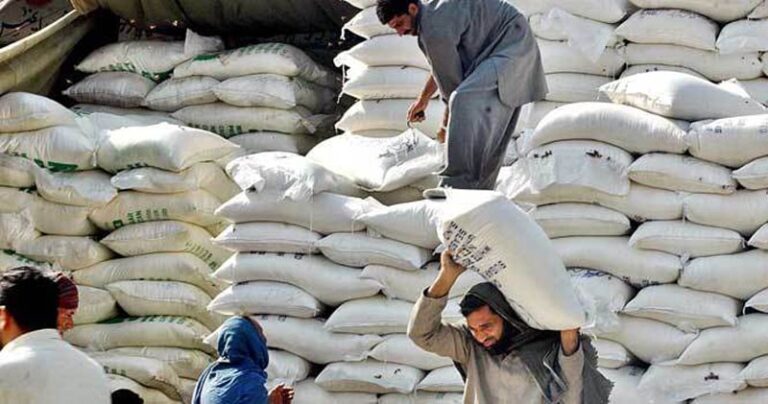
    UMERKOT: Flour mill owners in Umerkot district have rejected the government-fixed price of Rs128 per kilogram, arguing that the sharp increase in wheat prices has pushed their production costs far above the officially notified rate. The millers said the prevailing wheat price in the open market had climbed to around Rs125 per kilogram, while additional expenses related to milling, labour, electricity, transportation and other operations had increased the overall cost of producing flour to nearly Rs140 per kilogram. They maintained that selling flour at Rs128 per kilogram was therefore commercially unsustainable and would force mill owners to operate at a loss. In this regard, representatives of the flour milling industry have submitted written applications to the Mirpurkhas commissioner and the Umerkot deputy commissioner, requesting authorities to reconsider the existing flour price and determine a new rate based on prevailing market conditions and production costs. The mill owners also raised objections to what they described as excessive administrative action against flour mills across the district. They specifically complained about raids and wheat seizures allegedly carried out by assistant commissioners in Umerkot, Kunri, Samaro and Pithoro. According to the millers, government policy allows flour mill owners to maintain wheat stocks of up to 850 bags per stone at their mills or designated warehouses. They alleged that despite the provision, local administrative officials had conducted raids on mills and storage facilities and seized wheat stocks. The mill owners termed the alleged seizures unjustified and said such actions were creating additional difficulties for an already financially pressured industry. They urged the authorities to ensure that enforcement measures were carried out strictly in accordance with the relevant government policy. The millers further called for an investigation into alleged irregularities involving food department inspectors. They demanded that senior provincial officials examine the complaints and take appropriate action if any wrongdoing is established. They appealed to the Sindh chief minister, provincial food secretary, Mirpurkhas commissioner, Umerkot deputy commissioner and other concerned authorities to intervene in the matter and review the officially fixed flour price. The mill owners argued that the price should be determined after taking into account the current cost of wheat as well as electricity, labour, transportation, maintenance and other expenses associated with flour production. They warned that continued enforcement of a price they consider economically unviable could increase financial losses for flour mills and put further pressure on the district’s milling industry. The millers said they were willing to cooperate with the administration in maintaining the availability of flour and preventing unjustified price increases, but stressed that any official pricing mechanism must reflect actual market and production costs. They also urged the provincial government to establish a transparent mechanism for monitoring wheat stocks and flour prices so that disputes between millers and local administrations could be resolved through clear rules rather than repeated raids and seizures.

  • |

    Goods transport strike threatens Pakistan’s industry

    KARACHI: A nationwide strike by goods transporters has triggered growing concern among industrialists, who fear that a prolonged disruption in cargo movement could disrupt factory operations, delay export shipments and add further pressure to Pakistan’s already fragile economy. Business leaders have warned that the continued suspension of freight services could create serious bottlenecks in the supply chain, particularly for industries that rely on the regular movement of raw materials and intermediate goods. Any prolonged shortage of essential inputs could force factories to slow down production or temporarily shut operations. The industrial sector is also facing the risk of delays in the delivery of finished products to domestic markets and international buyers. Export-oriented industries, in particular, could suffer if consignments fail to reach ports or overseas customers within agreed timelines. President of the SITE Association of Industry (SAI) Abdul Rehman Fudda said the transporters’ strike had created a critical situation for the manufacturing sector, as industries could not maintain uninterrupted production without a reliable logistics network. He said factories depended on the timely arrival of raw materials and the smooth transportation of finished goods. Any disruption in freight movement, he added, could interrupt production schedules and increase costs for manufacturers. Fudda warned that the impact of the strike could extend beyond factories, affecting workers, suppliers, exporters, retailers and other businesses linked to the industrial supply chain. He pointed out that Pakistan’s export sector was already operating under significant pressure because of high production costs and other economic challenges. A disruption in transportation, he said, would further increase the difficulties faced by exporters. The SAI president cautioned that delays in export shipments could have financial as well as reputational consequences. International buyers may impose penalties, demand price reductions or seek compensation when shipments fail to arrive within agreed deadlines. According to him, exporters operate under strict delivery schedules, and even a temporary disruption in logistics can affect production planning, container bookings and shipment arrangements. Fudda stressed that the consequences of the strike should be assessed from a broader economic perspective rather than being viewed solely as a dispute between transporters and other stakeholders. He said an interruption in the movement of goods could affect the entire supply chain, from the procurement of raw materials to the manufacturing process and eventual delivery of products to customers. The industrialist further warned that repeated delays in fulfilling export orders could undermine the confidence of foreign buyers and make it more difficult for Pakistani businesses to retain existing international contracts or secure new orders. Industrialists have therefore urged the relevant authorities and representatives of goods transporters to resolve their differences at the earliest and restore the movement of cargo across the country. They maintained that an uninterrupted logistics system was essential for keeping factories operational, protecting jobs, meeting export commitments and supporting economic activity. Business leaders also called for a sustainable resolution to the issues behind the transporters’ strike so that similar disruptions could be avoided in the future. They said uncertainty in the movement of goods not only affects individual industries but can also have wider implications for investment, exports, government revenue and overall economic growth. With industries already facing a challenging business environment, manufacturers fear that a prolonged transport shutdown could further increase operational costs and compound supply-chain problems. They urged the authorities to prioritise negotiations and ensure the resumption of freight services without further delay.

  • |

    IMF-backed move to End EPZ local sales Quota sparks concerns over textile recycling, jobs

    KARACHI: A proposed move to withdraw the permission allowing factories operating in Pakistan’s Export Processing Zones (EPZs) to sell up to 20% of their output in the domestic market has triggered concerns among exporters, investors and international textile-recycling organisations, who fear the policy could disrupt investment, employment and a wider global circular-economy supply chain. The controversy has emerged after Pakistan committed to the International Monetary Fund (IMF) that it would amend the existing rules governing EPZs and prohibit sales from these zones into the domestic tariff area. According to the IMF’s latest programme review, Pakistan has committed to introduce amendments aimed at ending domestic sales by EPZ-based manufacturers. The report states that the amendments were to be placed before the federal cabinet for approval by September 2026. However, exporters and industry representatives have challenged the move, arguing that the existing 80:20 arrangement was part of the investment and regulatory framework under which many businesses established operations in the zones. Under the existing system, EPZ manufacturers can export 80% of their production while selling up to 20% in Pakistan after payment of applicable duties and taxes. Industry stakeholders say the domestic-sale provision is particularly important for products that have limited commercial demand in overseas markets. The proposed abolition has also attracted attention in the United States because American companies supply raw materials and used textiles to Pakistani businesses operating in the EPZs. The US-based Secondary Materials and Recycled Textiles Association (SMART) has approached IMF Mission Chief to Pakistan Iva Petrova, warning that eliminating the domestic-sales provision could have consequences extending beyond Pakistan’s industrial sector. The association has argued that Pakistan occupies an important position in the global textile circular economy, particularly in the sorting, grading, reuse and recycling of used textiles collected in North America and Europe. According to SMART, used clothing and textile materials collected in the United States, Canada and European countries are sent to Pakistan, where they are sorted and graded before being channelled into reuse, recycling, manufacturing and affordable consumer markets. The association has warned that ending the 80:20 mechanism could reduce demand for recovered textiles and place downward pressure on their prices. Such a development, it said, could weaken textile-collection programmes in North America and reduce the income generated by charitable organisations from donated clothing. Organisations including Goodwill, the Salvation Army and St Vincent de Paul depend partly on revenues generated from donated goods to finance a range of social programmes, including workforce training, employment assistance, food support, recovery services, youth programmes and housing assistance. SMART has therefore cautioned that a major disruption in Pakistan’s used-textile market could have financial consequences for charitable organisations in North America, with potential losses running into tens of millions of dollars. The association also warned that reduced demand for used textiles could ultimately result in a greater volume of reusable material being sent to landfills or incinerators rather than being recycled or reused. US exporters raise objections US exporters have also expressed concern over the proposed withdrawal of the 20% domestic-sale allowance. Their concerns are significant because American suppliers form part of the upstream supply chain that feeds Pakistani recycling and manufacturing units located in EPZs. Abid Iqbal, representing Nashmia Industries, said during Express News programme The Review that US exporters had communicated their concerns to Pakistani counterparts. According to Iqbal, US exporters had also been told informally that the IMF itself had not initiated the proposal to remove the 20% quota. The development has consequently raised questions within the industry about how the condition was incorporated into Pakistan’s commitments under the IMF programme and whether sufficient consultation took place with affected stakeholders. Industry representatives have also warned of possible legal and contractual disputes, maintaining that the 20% domestic-sales provision was part of the regulatory and investment framework under which businesses made their investment decisions. They argue that companies entered the zones with an understanding that they would be able to export the bulk of their production while disposing of a limited portion in the domestic market after meeting applicable tax and customs obligations. EPZ rules and proposed amendment The Export Processing Zones Authority (EPZA) operates under the legal framework established through the EPZ Act of 1980. The law enables the establishment of export processing zones with approval from the federal government. Under Rule 228(5) of the Customs Rules, EPZ-based factories have historically been allowed to sell up to 20% of their production in the domestic tariff area, subject to applicable duties and taxes. A higher limit of 30% had been applicable to the Resalpur area. EPZA has reportedly forwarded a proposal to the Federal Board of Revenue (FBR) to eliminate the 20% quota from October 1 in line with the IMF-related commitment. The proposal, however, has exposed differences within the government over the scope and interpretation of the IMF condition. Proceedings of the Senate Standing Committee on Industries held last month indicate that the Ministry of Industries and Production maintained that abolition of the 20% domestic-sales quota was not included in the original IMF agreement. According to the ministry’s position, the initial IMF requirement was restricted to preventing the introduction of new fiscal incentives, including tax concessions and subsidies, rather than immediately eliminating the existing domestic-sales mechanism. The ministry has reportedly argued that the later addition of the quota-related condition requires further clarification. Assessment of EPZs The issue is also linked to an assessment of Special Economic Zones (SEZs) and EPZs that Pakistan was required to undertake under the IMF programme. The government engaged consultancy firm AT Kearney to assess the zones and determine whether their operations were creating distortions in the domestic market. According to records presented before the Senate Standing Committee on Industries, the assessment completed last year concluded that EPZs were not creating significant market distortions. The report, according to the parliamentary proceedings, did not recommend withdrawing existing fiscal incentives. The issue has therefore become a point of discussion between government officials and the IMF as authorities seek to reconcile the lender’s programme requirements with

  • |

    Punjab cotton crop in satisfactory shape as rice cultivation surpasses target

    LAHORE: The cotton crop in Punjab is currently showing a generally satisfactory condition, while rice cultivation in the province has exceeded the government’s target by a significant margin, with growers sowing the crop over more than six million acres against the planned five million acres. The latest assessment was shared at a high-level meeting held in Multan on Saturday to review the progress of major standing crops, agricultural extension services and measures aimed at strengthening farming activity across Punjab. The meeting was chaired by Additional Chief Secretary Punjab Iftikhar Ali Sahoo and brought together senior officials from the Agriculture and Irrigation departments, representatives of the farming community and experts from the agricultural sector. Among those attending were Muhammad Nawaz Sharif University of Agriculture Vice Chancellor Professor Dr Asif Ali, Special Secretary Agriculture South Punjab Sarfraz Hussain Magsi, Agriculture Department Directors General Abdul Hameed, Naveed Asmat Kahloon, Dr Aamir Rasool and Dr Sajid-ur-Rehman, as well as Kissan Ittehad President Khalid Mahmood Khokhar, Syed Hassan Raza and Dr Muhammad Iqbal Bandesha. Additional Secretary Task Force Shabbir Ahmed Khan, Director General Crop Reporting Dr Abdul Qayyum and Agriculture Department Consultant Dr Muhammad Anjum Ali participated in the meeting through a video link. Officials briefed the meeting on the condition of major crops and the progress of field-level initiatives designed to assist farmers. Cotton remained a major focus of the discussion because of its importance to Pakistan’s textile-based economy and its contribution to agricultural incomes. The participants were informed that the cotton crop across Punjab was in a satisfactory condition. However, officials stressed the need for continued field monitoring and timely technical support to protect the crop from potential threats during its critical growth stages. Cotton is considered one of Pakistan’s most important cash crops and serves as a major source of raw material for the country’s textile industry. Its performance has a direct bearing on farmers, ginners, textile manufacturers and export-oriented businesses. In recent years, cotton production has faced challenges from changing weather patterns, pest attacks, input costs and competition from alternative crops. Sahoo emphasised that the government was giving priority to agricultural development and the economic well-being of farmers. He directed agriculture officials and field formations to maintain regular contact with growers and ensure that technical advice reached farmers in a timely manner. He said the strategy prepared for the revival and strengthening of cotton cultivation should be implemented in letter and spirit. Officials were also asked to remain active in the field and assist growers in dealing with crop-related issues. Highlighting cotton’s wider economic significance, the additional chief secretary said the country’s economy and textile sector could not be viewed separately from the performance of the cotton crop. He stressed the need for coordinated efforts to improve productivity and strengthen the position of cotton growers. The meeting also reviewed the progress of rice cultivation. According to the officials, rice had already been planted over more than six million acres in Punjab, exceeding the season’s target of five million acres. Sahoo directed agricultural authorities to intensify technical guidance for rice growers, particularly to help them improve productivity, maintain crop quality and adopt better farming practices. He called for greater involvement of regional agricultural forums and professional experts in addressing issues faced by farmers at the local level. Such platforms, he said, should use their technical expertise to help improve agricultural performance and provide practical solutions to growers. The additional chief secretary also appreciated the efforts of Agriculture Department field teams for their role in supporting farmers and monitoring crop conditions across the province. Later, Sahoo visited the Model Agriculture Mall in Multan to inspect arrangements for the provision of agricultural inputs to farmers. During the visit, he reviewed the availability of fertilisers and other essential inputs and sought information from officials regarding stocks and farmer demand. He directed the relevant authorities to ensure uninterrupted availability of fertiliser at the facility so that farmers did not face shortages during the ongoing crop season. Officials said crop conditions would continue to be monitored closely in the coming weeks. With rice cultivation entering the final stages of the transplantation period and cotton moving into an important phase of its growth cycle, timely field intervention and availability of agricultural inputs would remain crucial to determining overall crop performance. The government is expected to maintain its focus on farmer guidance, crop monitoring and input availability as the province moves further into the agricultural season.

  • |

    Petrol prices may bring relief in two days if global oil rates stay stable

    LAHORE: Federal Petroleum Minister Ali Pervaiz Malik has indicated that consumers could receive some relief in petroleum prices within the next two days if international crude oil rates remain stable, while acknowledging that elevated fuel costs continue to place pressure on households and the wider economy. Speaking in Lahore, the petroleum minister said the government was closely monitoring developments in the international oil market and would take the prevailing global prices into account during the next petroleum price review. Malik explained that petroleum prices in Pakistan are linked to international market trends and are calculated on the basis of a seven-day average. He said the Oil and Gas Regulatory Authority (OGRA) is responsible for determining the prices under the existing mechanism. He added that the movement of global oil prices during the next couple of days would be particularly important in determining whether consumers could receive positive news in the upcoming review. Government averts fuel supply crisis The minister said Pakistan had managed to maintain uninterrupted supplies of petroleum products despite severe pressure created by regional tensions and volatility in international energy markets. According to Malik, Prime Minister Shehbaz Sharif and his team took measures on both the economic and diplomatic fronts to ensure that the country did not experience a fuel shortage. He said the government had continued supplying petroleum products across the country even during a period when uncertainty in the region was creating serious risks for energy-importing nations. “There was no shortage of petroleum products in Pakistan during the tension,” Malik said, stressing that maintaining fuel supplies remained one of the government’s key priorities. He acknowledged, however, that preventing a shortage did not eliminate the financial burden caused by high international oil prices. International oil market remains a major concern Malik said the recent regional conflict created extraordinary volatility in global energy markets. He pointed to sharp increases in crude oil, petrol and diesel prices during the period of heightened tensions. He said crude oil prices had at one stage climbed as high as $170 per barrel, while diesel prices reached around $280 and petrol prices also touched $170. The minister further referred to periods when market expectations pointed towards even more dramatic increases, with petrol and diesel prices moving towards levels of around $500. Such volatility, he said, demonstrated the difficulties faced by countries that rely heavily on imported energy to meet domestic requirements. Pakistan, being an energy-importing country, remains particularly vulnerable to sudden increases in international oil prices because changes in global rates can quickly affect domestic fuel prices, transportation expenses and industrial costs. Expensive fuel putting pressure on people The petroleum minister conceded that high fuel prices are creating difficulties for ordinary citizens and businesses. He said an increase in petroleum prices does not remain confined to fuel stations, as higher transportation and energy costs eventually affect the prices of goods and services throughout the economy. According to Malik, expensive petroleum products increase the cost of moving agricultural produce, industrial raw materials and finished goods, thereby adding to inflationary pressure. “The people are suffering” because petroleum products are expensive, he said, while maintaining that the government was making efforts to provide relief within its available financial capacity. Petroleum levy collection exceeds target Malik also disclosed that the government collected around Rs1,900 billion through the petroleum levy during the previous year, exceeding the official target of Rs1,700 billion. The collection represents an important source of government revenue, but the minister acknowledged the broader economic implications of relying on petroleum-related revenues while consumers are already facing high fuel costs. He said the government had to balance revenue requirements with the need to protect consumers from excessive increases in petroleum prices. Prices cut when conditions allowed The minister said the government reduced petroleum prices whenever international market conditions and other relevant factors created room for downward revisions. He said Prime Minister Shehbaz Sharif had ordered reductions when an agreement was reached and circumstances permitted the government to pass on the benefit to consumers. Malik said the administration was attempting to manage fuel prices within the limits imposed by international markets and domestic economic conditions. He also recalled the prime minister’s commitment to introducing greater transparency in the petroleum pricing mechanism. The minister said the government had been required to make difficult decisions as part of broader efforts to stabilise the economy and place Pakistan on a sustainable development path. Heavy reliance on imported energy questioned Malik also raised concerns over Pakistan’s longstanding dependence on imported energy. He questioned why the country had continued relying on overseas energy supplies for decades despite having significant potential for developing domestic oil and gas resources. The minister said Pakistan obtains around 90% of its energy requirements from foreign sources, leaving the economy exposed to fluctuations in global energy prices and geopolitical developments. He argued that reducing this dependence should be treated as a long-term national priority. According to Malik, Pakistan has promising gas resources in areas such as Waziristan and Balochistan, and greater efforts are required to explore, develop and utilise domestic reserves. He said increasing local production could eventually reduce pressure on the country’s import bill and provide greater protection against international price shocks. Focus shifts towards domestic energy development The minister said Pakistan could not continue responding to every international energy crisis after it had already occurred. Instead, he stressed the need for long-term investment in exploration, infrastructure and domestic energy production. He said the government wants to move the country away from a cycle in which international price increases immediately translate into domestic economic difficulties. Malik described development of local energy resources as an important component of Pakistan’s broader economic strategy. He said the government was working towards an environment in which energy availability could support industrial expansion, investment and economic growth. Major energy infrastructure initiative planned Malik also referred to a new infrastructure initiative, saying the prime minister and the field marshal had assigned a major internationally recognised company to undertake energy infrastructure work within a

  • | | | |

    Hormuz uncertainty pushes global oil prices higher

    KARACHI: Global oil prices edged higher on Monday as uncertainty over the reopening of the Strait of Hormuz continued to unsettle energy markets. Brent crude climbed by more than 1% in Asian trading, moving above $84 a barrel, while US crude prices also posted gains of over 1%. The market remains focused on the situation surrounding the Strait of Hormuz, a critical maritime route through which a significant share of the world’s oil supplies passes. Any prolonged disruption or uncertainty over shipping through the waterway could put further pressure on global energy prices. Iran has indicated that discussions with Oman on establishing alternative shipping routes are nearing completion. However, Tehran says the United States still needs to fulfil additional conditions before arrangements concerning the waterway can move forward. With the situation still unresolved, traders are closely watching developments around the Strait, with concerns over supply disruptions continuing to influence crude prices.