فیچرڈ

  • | |

    Zayn Malik promotes greenpeace ‘Be Cool’ Tee a…

    Zayn Malik has joined forces with Greenpeace UK to promote a new “Be Cool” T-shirt campaign as Britain faces an intense summer heatwave and growing concerns over the effects of climate change. Malik encouraged his fans to support the campaign by purchasing the oversized T-shirt, with proceeds going towards Greenpeace’s climate-focused work and efforts to promote solutions to global warming. The partnership marks another example of the singer using his public platform to draw attention to environmental issues. The campaign comes as the United Kingdom experiences exceptionally high temperatures during the summer of 2026. Several areas have recorded temperatures significantly above seasonal averages, while authorities have issued heat-health warnings. Water shortages have also led to hosepipe restrictions in some regions, as pressure on supplies increases. The prolonged heat has raised concerns beyond discomfort. Dry conditions have heightened the risk of wildfires, while health officials have warned that extreme temperatures can pose serious risks, particularly to older people, young children and those with existing health problems. Greenpeace UK has used the campaign to highlight the connection between rising temperatures and the urgent need for climate action. The organisation hopes the collaboration will encourage people, particularly younger audiences, to learn more about climate change and support measures aimed at reducing emissions and protecting the environment. Malik’s involvement quickly attracted attention online, with fans praising the singer for combining fashion with an environmental message. Many supporters welcomed his decision to use his influence to promote a cause extending beyond music. Social media reactions also brought a lighter side to the campaign. Some fans joked that, with Britain experiencing record-breaking heat, the planet was “getting hotter than Zayn himself.” The campaign arrives at a time when extreme weather is increasingly shaping public discussions about climate change. By pairing a simple summer wardrobe item with an environmental message, Malik and Greenpeace UK are hoping to turn fan enthusiasm into meaningful support for climate solutions.

  • | |

    Rawalpindi polio drive reaches over 594,000 childr…

    RAWALPINDI: A four-day Special Polio Immunization Activity (SIAD) concluded in Rawalpindi on Thursday, with more than 594,000 children vaccinated during the first three days of the campaign, health authorities said. The campaign was carried out across Rawalpindi City, Rawalpindi Cantonment, Rawalpindi Rural and Taxila to strengthen children’s immunity against polio amid continued circulation of the virus in the region. According to Dr Ehsan Ghani, CEO Health Rawalpindi, around 184,000 children were vaccinated in Rawalpindi Rural, 107,000 in Rawalpindi City, more than 98,000 in Rawalpindi Cantonment and over 88,000 in Taxila during the first three days. More than 27,000 children found outside their homes and over 38,000 visiting children were also administered polio drops. The vaccination campaign was supported by 3,147 mobile teams, 169 fixed teams and 143 transit teams. A total of 525 Area In-Charges and 142 Union Council Management Officers supervised and monitored the campaign. Vaccination teams visited households, fixed sites and transit points to ensure that children travelling through or visiting the district were also covered. Dr Ghani said the campaign was preceded by extensive community engagement activities aimed at increasing public confidence in polio vaccination. Frontline workers held meetings at the neighbourhood level and engaged mosque imams, local elders and other community influencers to explain the importance of repeated vaccination and counter misinformation. Awareness activities were also conducted at health facilities, including Holy Family Hospital, where doctors and paramedical staff were briefed on vaccine confidence and the importance of supporting polio eradication efforts. The Punjab Emergency Operations Center coordinated with the district administration, health authorities, community representatives and other stakeholders to strengthen preparations for the campaign. Media and digital awareness campaigns also urged parents to welcome vaccination teams and ensure that all eligible children received the vaccine. Dr Ghani said detailed campaign data would now be analysed to identify missed children, assess vaccination coverage and improve future immunization strategies. Although no polio case has been reported in Rawalpindi, the detection of poliovirus in environmental samples from the district remains a serious warning, underscoring the need for continued vigilance and high population immunity. Dr Ghani thanked parents, caregivers, frontline workers, health authorities and local communities for their cooperation, stressing that every vaccination dose is essential to protecting children from lifelong paralysis. “Polio eradication remains a top priority. With continued commitment from parents, frontline workers, health authorities and communities, we can eliminate the virus from Rawalpindi and protect every child from this preventable disease,” he said.

  • | |

    Makkah pact hailed as boost for regional peace and…

    LAHORE: Senior journalists, defence analysts and experts have described the Makkah Joint Defence Pact between Pakistan, Saudi Arabia and Türkiye as a significant step towards strengthening regional peace, collective security and strategic cooperation. The views were expressed during a panel discussion titled “Makkah Pact: Peace, Security and Stability,” organised by the Press Information Department (PID) Lahore. PID Lahore Director General Shafqat Abbas said the agreement was not directed against any particular country but was intended to strengthen peace, stability, mutual confidence and collective security. He stressed that dialogue, diplomacy and cooperation should remain the preferred means of resolving regional disputes. He said Pakistan, Saudi Arabia and Türkiye brought different strengths and experiences to the partnership, creating opportunities for closer cooperation in defence, diplomacy, economics and strategic affairs. According to him, modern national power extended beyond military strength and depended equally on a strong economy, quality education, scientific advancement, technology, skilled human resources and effective diplomacy. Shafqat Abbas called for greater efforts to convert Pakistan’s defence capabilities and achievements into economic opportunities through investment in education, research, technology, skills development and exports. He said a combination of strong defence and economic stability could enable Pakistan to play a more influential role internationally. Senior journalist and analyst Mujeebur Rehman Shami highlighted Pakistan’s achievements in defence, diplomacy and foreign relations since independence. He praised Pakistani diplomats for enhancing the country’s international standing despite limited resources and stressed the urgent need to improve education, technical skills, research and scientific development. He also called for higher exports, improved productivity and stronger economic policies, saying that Pakistan’s defence successes should ultimately contribute to broader economic progress. Senior journalist Salman Ghani said the pact combined the unique strengths of its three members, describing Pakistan as a country with significant defence capabilities, Saudi Arabia as a major economic power and Türkiye as an important player in defence technology and military production. He said the partnership could open new avenues for investment, economic cooperation and regional stability. Defence analyst Colonel (retd) Abid said Pakistan’s political and military leadership had played an important role in developing the agreement. He noted that the pact carried implications beyond defence and could influence regional diplomacy, economic relations and strategic cooperation. Former Vice Chancellor of Home Economics University Dr Faleha Afzal said the agreement had further demonstrated Pakistan’s potential role in promoting peace and stability and expressed hope that other Muslim countries would eventually participate in similar cooperative initiatives. Columnist Malik Salman stressed the importance of mutual trust and collective security among Muslim countries, while urging Pakistan to maintain a balance between defence preparedness and economic development. Government College University Lahore Urdu literature professor Dr Farzana Riaz said the pact could create new opportunities for unity and cooperation among Muslim countries and encourage joint efforts to address shared regional challenges. Journalist Noorullah said the agreement could contribute to greater peace and stability in the region, but stressed the need for a comprehensive strategy to convert Pakistan’s strategic and defence strengths into tangible economic and diplomatic gains. The participants agreed that closer cooperation among Pakistan, Saudi Arabia and Türkiye could have wider implications for regional peace, defence coordination, diplomacy and economic development. They called on Muslim countries to overcome differences, focus on common interests and pursue peace, development and collective security through dialogue and coordinated efforts. Concluding the session, Shafqat Abbas thanked the participants and said discussions of this nature were important for increasing public understanding of major national and international developments and encouraging informed debate.

  • | |

    Peshawar High Court orders decision on Afghan busi…

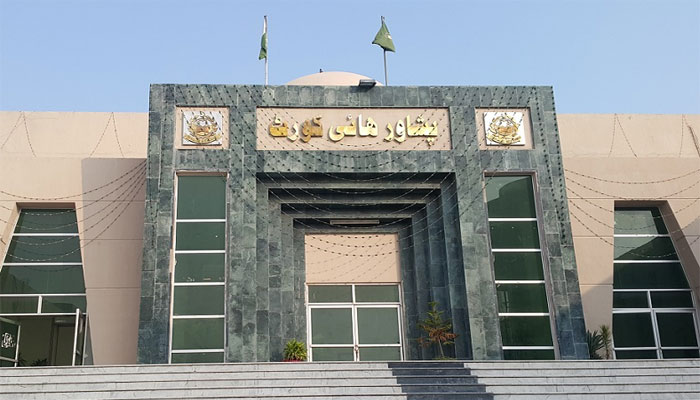
      The Peshawar High Court has issued a written judgment regarding a petition filed against the non-extension of visas for an Afghan businessman and his family members. The court has directed the relevant authorities to decide the applicant’s visa extension case within 15 days in accordance with the law. According to the written decision issued by the High Court, the petitioner is a registered taxpayer with the Federal Board of Revenue (FBR). The applicant possesses a National Tax Number (NTN) and is also a member of the Sarhad Chamber of Commerce and Industry. The court observed that the applicant has established business ties and fulfills the necessary legal requirements as a registered member of the business community. The judgment stated that the Directorate General of Immigration and Passports, Islamabad, failed to make a timely decision on the visa extension applications submitted by the petitioner. Due to the delay in processing the applications, the applicant and his family have faced difficulties and uncertainty regarding their legal status in Pakistan. The court emphasized that government authorities are required to make decisions within a reasonable period and in accordance with the provisions of the law. The judgment noted that the applicants had submitted proper applications for visa extensions after the expiry of their previous visa periods. Therefore, their pending applications should have been considered and decided promptly by the relevant department. The Peshawar High Court further directed the concerned authorities to review the pending visa extension requests and issue a detailed decision within 15 days. The court made it clear that the decision must be based on legal principles and should address all relevant aspects of the applicants’ cases. The court’s order highlights the importance of timely administrative decisions, particularly in matters involving foreign nationals who are legally residing and conducting business activities in Pakistan. Delays in such cases can create serious challenges for individuals, including difficulties related to travel, business operations, documentation, and compliance with immigration requirements. The judgment also reflects the court’s view that individuals who meet legal obligations, such as tax registration and business registration, deserve a fair and timely review of their applications. The authorities have been instructed to avoid unnecessary delays and ensure that administrative procedures are completed within the timeframe prescribed by law. The case was brought before the High Court after the applicant’s visa extension requests remained unresolved despite the submission of formal applications. The petitioner argued that the delay by immigration authorities had caused hardship for him and his family. After examining the facts of the case, the court issued directions to ensure that the pending matters are resolved without further delay. The written decision of the Peshawar High Court serves as a reminder that government departments must act efficiently and transparently when dealing with legal applications. The court’s order does not grant an automatic visa extension but requires the authorities to make a proper and lawful decision on the pending applications within the specified 15-day period.

  • | |

    Tanweer Ahmed urges AI skills, MicroCerts for yout…

    On International Youth Day 2026, American-Pakistani businessman and analyst Tanweer Ahmed called for greater investment in young people and highlighted ACT AI and MicroCerts as key initiatives for preparing Pakistan’s youth for an artificial intelligence-driven global economy. Addressing a Youth and AI Summit at the United Nations, Ahmed said artificial intelligence was transforming education, employment, entrepreneurship, healthcare, public services and almost every aspect of modern economies. He stressed that young people should not be treated merely as beneficiaries of development but as innovators, decision-makers, entrepreneurs and leaders capable of shaping the future. “Talent is everywhere. Opportunity is not,” Ahmed said, emphasising the need to close the gap between young people who have access to advanced technology and those who remain excluded from the digital economy. ACT AI initiative Ahmed placed particular emphasis on ACT AI — Awareness, Competency and Tools Training for Artificial Intelligence — describing it as an important effort to expand practical AI capabilities among Pakistani youth. He said the initiative, associated with the state-owned enterprise AXI, focuses on areas including generative AI, agentic AI systems, AI-powered productivity tools, automation and sector-specific applications. According to Ahmed, one of the initiative’s major strengths is accessibility. Young people from different academic backgrounds can develop AI-related capabilities without necessarily having prior programming or artificial intelligence experience. He said making AI education accessible and free of cost could help ensure that Pakistani students and young professionals are not left behind as the global economy rapidly adopts AI. Ahmed argued that young people should acquire the ability not only to use artificial intelligence but also to understand, question, develop and responsibly apply the technology. MicroCerts to strengthen youth credentials Ahmed also placed strong emphasis on MicroCerts, describing micro-certifications as an important complement to traditional university degrees. He said rapidly changing technology means education can no longer end when a student completes a conventional degree. Young people need flexible opportunities to continuously acquire and demonstrate new, market-relevant skills. According to Ahmed, MicroCerts can provide focused credentials that demonstrate specific competencies and potentially create pathways into employment, freelancing, entrepreneurship, higher education and lifelong learning. He highlighted the importance of making such credentials accessible to young people facing financial or geographical barriers. “The future should not belong only to those who can afford opportunity,” Ahmed said, stressing that skills and credentials should be available to talented young people regardless of where they live or their economic circumstances. From AI users to AI creators Ahmed called for a shift from preparing young people simply to consume AI tools toward enabling them to become AI creators, innovators and responsible leaders. He said technology must be combined with human judgment, ethics and responsibility, warning that artificial intelligence cannot replace compassion, character or the human responsibility to determine the kind of society people want to build. He also called for stronger international cooperation between governments, universities, businesses, technology companies and international organisations to expand AI education and establish credible skills and certification systems. Ahmed said Pakistan could contribute to this global effort through initiatives such as ACT AI and MicroCerts, which he described as mechanisms for developing practical AI capabilities and recognised skills among the country’s youth. He further stressed that the expansion of AI infrastructure must be accompanied by environmental responsibility because data centres, cloud computing and AI systems require significant energy and resources. Addressing young people around the world, Ahmed urged them to learn and question emerging technologies, use AI to solve real-world problems and build businesses and communities with a clear sense of purpose.

  • | |

    Peshawar High Court orders inquiry into missing ci…

      The Peshawar High Court has issued a written order on a petition seeking the recovery of a missing citizen and directed the Capital City Police Officer (CCPO) to conduct a detailed inquiry into the matter. According to the written order, the CCPO has been instructed to appoint an inquiry officer to investigate the disappearance. The court specifically directed that the officer appointed for the inquiry must be of at least the rank of inspector, ensuring that the investigation is conducted by a senior police official. The court also issued several directions regarding the collection of evidence. It ordered the investigating officer to obtain CCTV footage from a private petrol station where the petitioner and his brother were present at the time of the incident. The footage is expected to help establish the circumstances surrounding the citizen’s disappearance and identify any individuals who may have been involved. The court further directed the authorities to record the statement of the petitioner and collect all available evidence related to the case. The inquiry officer has been instructed to examine the facts thoroughly and ensure that no relevant piece of evidence is overlooked during the investigation. The Peshawar High Court ordered that the inquiry be completed within one month and that a detailed report be submitted to the court after its conclusion. The deadline was set to ensure that the investigation proceeds without unnecessary delay and that the family receives information about the whereabouts of the missing citizen. The written order stated that the petitioner and his brother were present at a private petrol pump when the incident allegedly occurred. According to the petitioner’s account, his brother was taken to an unknown location on May 15. Since then, his whereabouts have reportedly remained unknown, prompting the petitioner to approach the high court seeking his recovery. The court also took note of the position presented by the police during the proceedings. According to the written order, the Station House Officer (SHO) of Chamkani Police Station rejected the allegations concerning the disappearance of the petitioner’s brother. Despite the SHO’s denial, the high court considered it necessary to order a formal inquiry and directed senior police authorities to investigate the matter independently. The court’s directions include examining CCTV footage, recording statements and gathering all relevant evidence to determine what happened to the missing citizen. The inquiry is expected to establish the circumstances surrounding the disappearance and determine whether further legal action is required. By directing the CCPO to appoint an officer of inspector rank or above, the court has emphasized the need for a serious and transparent investigation. The authorities have been given one month to complete the inquiry and submit their findings before the court. The case will proceed based on the report and evidence collected during the investigation.

  • | |

    Senate Committee rebukes FBR official over failure…

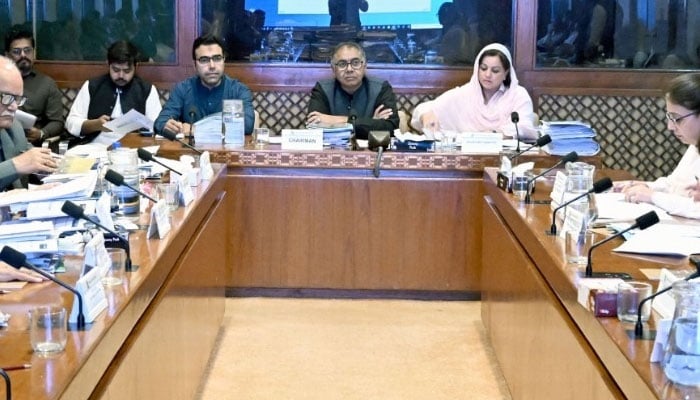
      A subcommittee of the Senate Standing Committee on Interior reprimanded a Federal Board of Revenue (FBR) official during a meeting after the official failed to provide the records and details sought by the committee. During the meeting, Committee Chairman Saifullah Abro expressed strong displeasure over the FBR official’s failure to submit the required information. Questioning the official’s position, Abro asked, “Are you even above the prime minister?” He further warned the official not to attempt to avoid the committee’s questions by giving explanations about the board’s internal procedures.   Abro made it clear that the committee expected the FBR to provide the requested information instead of offering excuses or referring to internal matters. He stressed that parliamentary committees have the authority to seek information from government departments when investigating matters of public importance. The chairman particularly sought details regarding certificates issued by the FBR to cigarette manufacturing companies. He said the committee should be provided with complete information about the certificates issued by the tax authority and the companies that received them.   “Details of the certificates issued by the FBR to cigarette companies must be provided,” Abro said during the meeting. He indicated that the committee wanted to examine the record and determine the circumstances under which the certificates had been issued. The matter came under discussion as the committee reviewed information concerning cigarette companies and the relevant government records. The failure to provide the requested documentation prompted the committee leadership to take a tougher stance toward the concerned officials. During the meeting, the committee also issued directions to officials of the Federal Investigation Agency (FIA). The committee instructed FIA authorities to initially issue notices to 108 companies as part of the proceedings. The notices are expected to seek information and clarification from the companies regarding matters under investigation by the committee. The move indicates that the committee intends to broaden its examination and obtain information directly from the companies concerned rather than relying solely on government departments. Abro also warned the officials against forcing the committee to escalate the matter to the highest level of government. Addressing the authorities, the committee convener said, “Do not force us to write to the prime minister.” His remarks reflected the committee’s frustration over what it considered a lack of cooperation from the relevant authorities. The chairman emphasized that government institutions should respond to parliamentary oversight mechanisms and provide the information requested by lawmakers. The committee’s proceedings highlight the role of parliamentary oversight in examining the functioning of government departments and ensuring transparency. By seeking details of certificates issued to cigarette companies and directing the FIA to issue notices to 108 companies, the subcommittee appears to be pursuing a broader inquiry into the matter. The committee is expected to review the information obtained from the FBR, FIA and the companies concerned in subsequent meetings. Further action could be considered after the requested records and responses are submitted. The strong remarks by Saifullah Abro also signal that the committee may escalate the issue if government departments continue to withhold or delay the provision of information. For now, the FIA has been directed to proceed with notices to the 108 companies, while the FBR is expected to provide details of the certificates issued to cigarette manufacturers.

  • | |

    New investigation team makes key decisions in Kara…

      A meeting of the investigation team probing the death of Karachi-based young businessman Mir Raza has concluded at Ferozabad Police Station, where several important decisions were taken regarding the ongoing investigation. According to investigative sources, different tasks have been assigned to members of the committee as part of the inquiry. The family of Mir Raza will be formally interviewed and their statements will be recorded. The team has also decided to record the statements of 21 individuals who were taken into custody during the investigation. Following the meeting, members of the investigation committee left for the crime scene to inspect the location and collect additional evidence. The former investigating officer will also accompany the new investigation team during the visit. Meanwhile, the new investigation team has contacted the National Cyber Crime Investigation Agency (NCCIA) in connection with the case. The team has requested details of Mir Raza’s social media profiles and digital accounts to examine his online activity and determine whether it could provide any clues regarding his disappearance and death. The new team has written four letters to the NCCIA. In one of the letters, the agency was asked to conduct a forensic examination of Mir Raza’s smartwatch. The smartwatch was handed over to the NCCIA a day earlier for examination. However, the victim’s family has requested that the forensic examination of the smartwatch be conducted at a forensic laboratory in Lahore rather than by the NCCIA. The family’s lawyer, Jibran Nasir, said the smartwatch had remained in the possession of the former head of the investigation committee for several days, raising concerns about possible tampering. He demanded that the forensic examination be carried out in Lahore to ensure transparency and credibility. Earlier, on August 12, Dr Usama Sheikh, who conducted Mir Raza’s initial post-mortem examination, was removed from his position as a medico-legal officer. Officials said the doctor had committed serious errors during the initial post-mortem. He will appear before officials during an inquiry into the matter. A preliminary medical report following the exhumation and second post-mortem of Mir Raza indicated signs of physical trauma on his body. The report stated that the gunshot wound was smaller at the back and larger at the front, suggesting that the bullet may have entered from the rear. The report also revealed that Mir Raza had suffered fractured ribs and multiple injuries to his head and face. A fracture and wound approximately 12 centimetres long were found on his right thigh, while blood stains were also detected in tissues in the lower part of his body. The preliminary findings obtained after his exhumation on August 8 differed significantly from the initial post-mortem report. Evidence of a deep injury and fracture was found in his jaw, while injuries were also detected on his nasal bone and various parts of his face. Investigative sources said 17 samples were collected during the exhumation. Samples from Mir Raza’s parents were also obtained for DNA matching. The samples will be submitted to the forensic laboratory of the University of Karachi. After the samples were collected, Mir Raza was reburied on the same day, August 8. Mir Raza Ali Khan went missing from the PECHS area of Karachi on July 28. He left home at 4:09 a.m. in an online taxi, and his body was recovered from Gulistan-e-Johar two days later. Police said the body was found in a severely damaged condition and had a gunshot wound to the chest. His social media accounts had reportedly been shut down one day before his body was recovered. According to Mir Raza’s father, his son was scheduled to marry on August 30 at Bait-ul-Mukarram Mosque in Gulshan-e-Iqbal and had been very happy about starting a new chapter in his life.

  • | |

    Karachi Court acquits Anmol Alias Pinky in three d…

      A Karachi court has acquitted Anmol, alias Pinky, in three drug-related cases after accepting her applications seeking acquittal. The Additional District and Sessions Court South approved Anmol’s acquittal applications in all three cases. The cases against her had been registered at Guzri Police Station in 2020, 2021 and 2022. According to court proceedings, Anmol had remained a fugitive in connection with these cases. During the hearing, Anmol’s defence lawyer argued that two other accused persons nominated in the cases had already been acquitted by the court. The lawyer informed the court that co-accused Ali and Fahmida had been acquitted in 2024. The defence maintained that Anmol had been implicated in the cases primarily on the basis of statements given by her alleged co-accused. According to the lawyer, since the co-accused had already been acquitted, there was no reasonable possibility of securing a conviction against Anmol on the same evidence. The defence further argued that the prosecution’s case against Anmol was dependent on the statements of the co-accused. With those individuals having already been cleared by the court, the defence contended that there was insufficient evidence to establish Anmol’s involvement in the alleged offences. After hearing the arguments, the Additional District and Sessions Court South accepted the acquittal applications and acquitted Anmol alias Pinky in all three cases. The cases were registered at Guzri Police Station over a period of three years. The court’s decision brings an end to the proceedings against Anmol in these particular cases, although the order relates specifically to the three drug cases mentioned during the hearing.   Separately, Anmol alias Pinky had also been arrested by Garden Police in Karachi in May in connection with an alleged drug trafficking case. According to police officials, the woman was arrested during an operation in which law enforcement authorities claimed to have recovered a pistol, cocaine reportedly worth millions of rupees, chemicals and other narcotics from her possession. Following her arrest, Anmol was presented before a court without handcuffs, an aspect that had also drawn attention at the time. The latest court decision concerns the three cases registered against Anmol at Guzri Police Station in 2020, 2021 and 2022. The defence specifically relied on the acquittal of the co-accused in 2024, arguing that the same evidence could not reasonably be used to convict Anmol after those individuals had already been cleared. The court ultimately accepted the defence’s plea and granted Anmol relief in all three cases. The development marks a significant legal outcome for Anmol in the cases pending against her. However, the acquittal applies to the three cases before the Additional District and Sessions Court South and does not automatically determine the outcome of any separate case or investigation in which she may be involved. The ruling also highlights the importance of evidence in criminal proceedings, particularly when a prosecution case relies heavily on statements or allegations made by co-accused persons. In this instance, the defence successfully argued that the acquittal of the co-accused weakened the case against Anmol to the extent that her conviction was no longer considered likely. The court’s order followed arguments from both sides and brought the proceedings in the three specified cases to a close.

  • | |

    Justice Babar Sattar vacates government residence …

      Justice Babar Sattar, who has been transferred to the Peshawar High Court, has vacated his official government residence in Islamabad following a notice issued by the registrar of the Islamabad High Court. According to sources, Justice Babar Sattar vacated the government residence two days ago after returning from his judicial holidays. The development came after the relevant authorities formally cancelled the allotment of the residence and directed him to vacate the property within the specified period. The Estate Office had cancelled the allotment of the house on July 3. Subsequently, the registrar of the Islamabad High Court issued a notice instructing Justice Babar Sattar to vacate the official residence within 30 days. Sources said that Justice Babar Sattar complied with the notice and vacated the residence after completing his judicial holidays. The house has now been cleared following the cancellation of its allotment. Justice Babar Sattar had been serving at the Islamabad High Court before being transferred to the Peshawar High Court. His transfer meant that the official residence allotted to him in Islamabad was no longer required under the same arrangement. The cancellation of the residence was carried out by the Estate Office on July 3. The subsequent notice from the Islamabad High Court registrar formally communicated the requirement to vacate the property within 30 days. According to sources familiar with the matter, Justice Babar Sattar left the government residence after his return from judicial leave. He reportedly vacated the house two days before the latest development was reported. Government residences are allotted to public officials according to applicable rules and are generally linked to their official postings and responsibilities. When an officer or judge is transferred to another jurisdiction, the relevant authorities may review or cancel the allotment of the official residence in accordance with the applicable regulations. In this case, the cancellation by the Estate Office was followed by the registrar’s notice, giving Justice Babar Sattar a 30-day period to vacate the premises. The residence has now been vacated, bringing the matter concerning the Islamabad government house to a close. Justice Babar Sattar’s transfer to the Peshawar High Court forms part of the judicial changes involving judges of the superior courts. Following the transfer, his official responsibilities are now associated with the Peshawar High Court rather than the Islamabad High Court. The latest development is limited to the vacation of the government residence and follows the formal cancellation of its allotment. According to sources, Justice Babar Sattar complied with the directions and vacated the property without waiting for the full 30-day period to expire. The sequence of events began with the Estate Office cancelling the house allotment on July 3. The Islamabad High Court registrar subsequently issued a notice requiring the residence to be vacated within 30 days. Justice Babar Sattar then vacated the house shortly after returning from judicial holidays. The development highlights the administrative consequences that can follow the transfer of a judge from one high court to another, particularly regarding official facilities and government accommodations. With the residence now vacated, the government property can be dealt with by the relevant authorities according to the applicable rules and future allotment requirements.