فیچرڈ

  • | |

    HEC Chief calls for education, research to become …

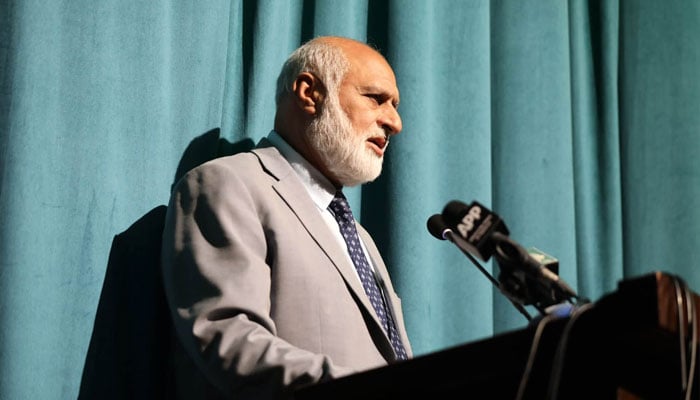
    ISLAMABAD: Higher Education Commission (HEC) Chairman Dr Niaz Ahmed has called for a major shift in Pakistan’s approach to higher education and research, saying universities must become central to the country’s economic, technological and social development. Speaking about his recent nearly two-week visit to China, Dr Niaz Ahmed said Pakistan could learn valuable lessons from China’s development model, particularly its close cooperation among universities, industry, research institutions and the government. The HEC chairman visited China with a delegation of senior vice chancellors from leading Pakistani universities on the instructions of the prime minister and at the invitation of Chinese education authorities and academic institutions. During the visit, Pakistani and Chinese universities discussed joint and dual-degree programmes, faculty and student exchanges, collaborative research and greater opportunities for Pakistani students to pursue higher education in China. He said efforts were also underway to strengthen the CPEC Consortium of Universities and establish 10 Sinology Centres in Pakistan. The Higher Education Commission has been asked to nominate 10 Pakistani universities for the initiative. Dr Niaz said his meetings with Chinese universities and research organisations showed that universities there function as more than degree-awarding institutions. They are closely connected with industry and government, helping develop new technologies, solve industrial problems, support startups and prepare skilled workers for emerging economic needs. He noted that research in China is increasingly focused on turning knowledge into practical solutions, new products and economic opportunities rather than simply increasing the number of research publications. The HEC chairman said China’s rapid progress in artificial intelligence, robotics, automation and digital technology was particularly striking. These technologies, he observed, have moved beyond laboratories and are now being used in factories, transportation, hotels and urban services. He also highlighted China’s rapidly expanding electric vehicle industry, saying the transformation demonstrated the importance of developing technology rather than simply consuming it. According to him, countries that build their own technological capabilities will be better positioned to compete in the future. Dr Niaz attributed China’s progress not only to investment and technology but also to discipline, punctuality, hard work and a clear national vision. He said the country’s experience demonstrated how coordinated efforts by government institutions, universities, industries and citizens could produce lasting national development. Reflecting on Pakistan’s traditional focus on Western academic models, he said his visit had strengthened his belief that China offers an important Asian development experience that Pakistan should study carefully. He stressed, however, that Pakistan should adapt successful practices to its own circumstances rather than simply copy the Chinese system. The HEC chairman said Pakistani universities now needed to examine whether they were merely producing degree holders or actually developing human capital capable of contributing to the national economy. He called for curricula to be aligned with future employment needs, with greater emphasis on artificial intelligence, data science, automation and other emerging fields. Universities, he said, must also strengthen faculty capabilities and build closer relationships with industry. Dr Niaz further stressed that research should focus on solving national and industrial problems, developing technologies and creating business opportunities rather than remaining limited to academic publications. After returning from China, he said, he shared his observations with university leaders across Punjab, Sindh, Balochistan, Azad Jammu and Kashmir, Gilgit-Baltistan and the federal capital. The objective was to encourage universities to reconsider their approaches to curriculum development, research, faculty training and industry partnerships. He said Pakistan already possesses a large network of universities, talented researchers and a young population, but these strengths need to be supported by a clear national strategy and sustained investment. “The real strength of a nation lies not only in roads, buildings and factories, but also in knowledge and human capital,” Dr Niaz said, stressing that Pakistan’s journey towards developed-country status must begin in university classrooms and research laboratories and eventually translate into stronger industries, a more productive economy and greater national prosperity.
  • | |

    Iranian commander claims US, Israel failed to meet…

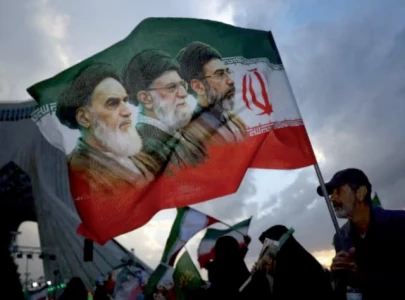
    TEHRAN: Iran’s Revolutionary Guard has claimed that the United States and Israel failed to achieve their objectives during the conflict with Iran, as Tehran indicated that negotiations with Oman over the Strait of Hormuz were nearing an agreement but would not immediately lead to the waterway’s reopening. Brig Gen Hassan Zadeh, commander of the Islamic Revolutionary Guard Corps’ Mohammad Rasulullah Corps in Tehran, said Iran’s military preparedness and public support had helped the country withstand the US and Israeli campaign. Speaking during an inspection of upgraded air-defence units, Zadeh said Washington and Tel Aviv had failed to accomplish their stated goals and were now facing questions from their own populations and political circles. Meanwhile, Iranian Foreign Minister Abbas Araqchi said talks with Oman over a temporary shipping arrangement in the Strait of Hormuz were progressing. However, he stressed that an agreement on a shipping route alone would not be sufficient to reopen the strategically important waterway. Iran has linked the reopening of the strait to several conditions, including an end to US threats and attacks, the lifting of sanctions and blockades, compensation for losses and the release of Iranian assets. Tehran has also rejected the previous traffic separation system used by vessels passing through the waterway. Oman described its discussions with Iran as positive and constructive while urging all sides to avoid actions that could undermine the negotiations. Muscat also condemned recent attacks on ships travelling through the strait without assigning responsibility. The developments come amid continued disruption to shipping in the Strait of Hormuz, a crucial route for global energy supplies. The United Arab Emirates said an oil-related vessel had been struck by a missile while transiting the waterway, although no injuries were reported. The UK Maritime Trade Operations agency also reported that a vessel caught fire after being hit by an unidentified projectile. The fire was later extinguished, with no environmental damage reported. The United States has said it expects an agreement that could restore commercial shipping and allow restrictions on Iranian ports to be eased. US Central Command said more than 30 vessels had been permitted to pass through the area for humanitarian purposes, while dozens of others had been stopped or subjected to military action. Iranian officials, however, maintain that the strait will only be reopened once Washington accepts Tehran’s demands. Iranian authorities have also warned that any future shipping arrangement must provide Iran with greater control over maritime traffic. The prolonged disruption has contributed to rising energy costs and increased prices for food and other essential goods in Iran, adding further pressure on the country’s economy as negotiations continue.

  • | |

    PTI march aims to reach Imran Khan, not secure rel…

    PESHAWAR: Khyber Pakhtunkhwa Chief Minister Sohail Afridi has said the Pakistan Tehreek-e-Insaf (PTI) long march planned for September 27 will focus on reaching party founder Imran Khan rather than demanding his immediate release. Speaking in an interview with private media, Afridi said he would personally lead the march and stressed that it would not be a one-day activity. He indicated that the participants would remain engaged in the movement rather than simply travelling to Islamabad and returning. Afridi said the decision to launch the march was taken after consultations with PTI leadership and representatives of the Tehreek Tahafuz Aain-e-Pakistan. He added that Aleema Khan, Imran Khan’s sister, would also participate in the campaign. Explaining the objective of the protest, the chief minister said the immediate goal was to gain access to Imran Khan, while any decision regarding his release would have to be made in accordance with the Constitution and the law. Afridi also addressed questions about announcing the march several weeks in advance. He said September 27 was selected after considering weather conditions and allowing sufficient time for preparations. The announcement comes as PTI continues to mobilise its supporters around the issue of Imran Khan’s imprisonment, with the party seeking greater political and legal pressure over his continued detention.

  • | |

    Mohsin Naqvi orders faster immigration at Lahore A…

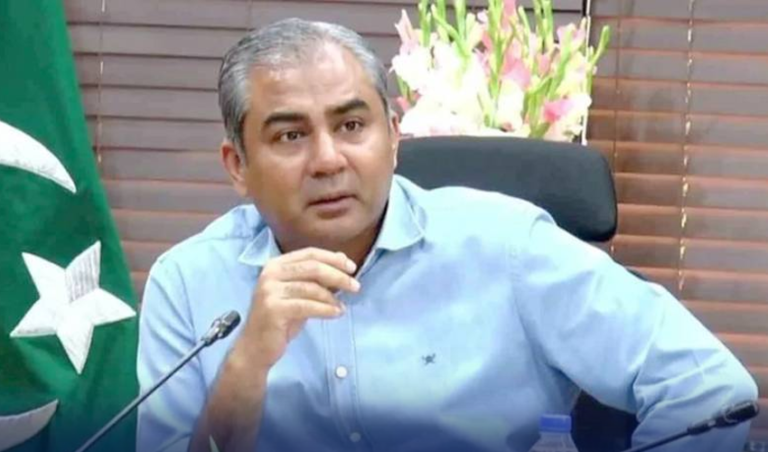
    LAHORE: Federal Interior Minister Mohsin Naqvi has ordered authorities at Allama Iqbal International Airport to speed up the immigration process after passengers complained about delays during his visit to the facility. Naqvi inspected immigration counters and spoke with officials and passengers to assess how long travellers were taking to clear immigration. Several passengers told him that the process was taking around 30 minutes and urged authorities to improve arrangements. Taking immediate notice of the complaints, the minister directed airport officials to keep all immigration counters operational so that passenger queues could be cleared more quickly. He assured travellers that the additional counters would help reduce waiting times and make the process more convenient. During the visit, Naqvi also acted on a passenger’s complaint that an agent had demanded money. He referred the matter to the Federal Investigation Agency (FIA) director and ordered action against the agent. The interior minister further directed authorities not to allow passengers to travel on incomplete documents. At the same time, he stressed that travellers carrying complete and valid documents should not be unnecessarily stopped from boarding their flights. Naqvi said modern technology had made immigration procedures more efficient but warned that strict action would continue against people attempting to travel using fake or fraudulent documents. The minister’s visit comes as authorities face growing pressure to improve passenger facilitation and reduce waiting times at Pakistan’s major international airports.

  • | |

    Flood alert as rivers rise, Sukkur, Marala and Bal…

    ISLAMABAD: Pakistan is bracing for another spell of flood-related risks as heavy monsoon rains, rising river levels and high water storage at major dams put several parts of the country on alert. The National Disaster Management Authority (NDMA), through its National Emergencies Operation Centre, has warned of possible low to moderate flooding in vulnerable areas of Khyber Pakhtunkhwa, Punjab, Balochistan and Azad Jammu and Kashmir. According to the latest assessment, the Indus River has already reached low flood levels at Kalabagh, Chashma, Taunsa and Guddu. While the Ravi, Chenab, Jhelum, Kabul and Sutlej are currently within normal ranges, officials expect water flows in several major rivers to increase on August 8 and 9. The NDMA has identified Sukkur on the Indus, Marala on the Chenab and Balloki on the Ravi as areas where low-level flooding could occur. The Jhelum downstream of Mangla Dam and the Kabul River near Adezai are also being closely monitored. Several districts in Khyber Pakhtunkhwa, including Chitral, Upper Dir, Abbottabad, Shangla, Khyber, Orakzai, Kohat, Tank and North and South Waziristan, face the possibility of low to moderate flooding. In AJK, Bagh and Kotli are also considered vulnerable, while Zhob, Musakhel, Kohlu, Barkhan and Dera Bugti in Balochistan remain under watch. Punjab is facing risks from hill torrents, particularly in Dera Ghazi Khan and Rajanpur. The NDMA has also warned of possible urban flooding in Rawalpindi, Gujranwala, Sialkot, Narowal, Faisalabad, Okara and Lahore. Water storage at the country’s major reservoirs remains high. Tarbela Dam’s water level has reached 1,548 feet, with storage at 97.94 per cent, compared with 95.98 per cent during the same period last year. Mangla Dam is at 1,205.2 feet, with storage recorded at 62.99 per cent, slightly above last year’s 62.80 per cent. Authorities have urged residents, tourists and travellers in mountainous and flood-prone areas to remain vigilant, as intense monsoon rainfall can trigger flash floods, landslides and debris flows with little warning. People have been advised to avoid riverbanks, streams and other vulnerable locations and to check weather forecasts and road conditions before travelling as the monsoon system continues to affect the country.

  • | |

    Exhumation uncovers bullet wound and pre-death inj…

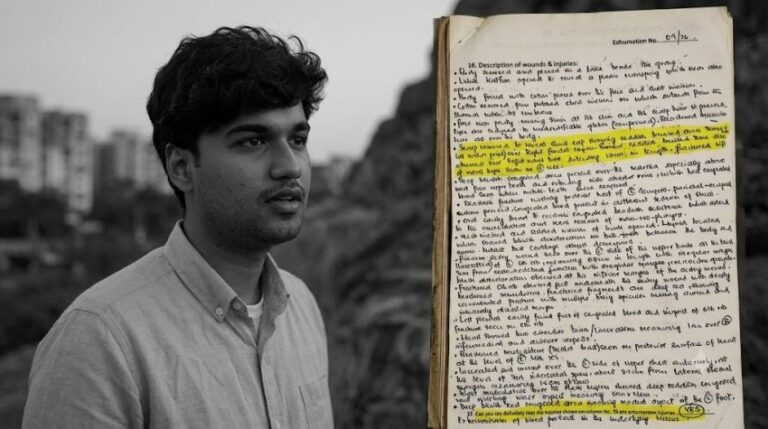
    An eight-member medical exhumation board has confirmed that Mir Raza Ali suffered a fatal gunshot wound to the back alongside multiple severe pre-death injuries, drastically shifting the trajectory of the high-profile investigation. The four-page preliminary report, issued following an court-ordered grave exhumation at Karachi’s Rehmanial Masjid Graveyard, reveals extensive physical trauma sustained prior to death. Pathologists identified a 0.8-centimeter entry wound on the left side of the upper back, which fractured the sixth rib and tore through the heart before exiting the right side of the upper chest. Forensic examiners confirmed the presence of extravasation of blood in the underlying tissues, answering affirmatively that these injuries were inflicted while the victim was still alive. Beyond the firearm damage, the post-mortem detailed significant blunt-force trauma across the victim’s head, face, and neck. Doctors documented deep bruising on the skull, fractures to the nasal bone, tissue congestion over the maxilla, and a diastatic fracture running along the posterior sutures of the skull filled with congealed blood. Discoloration was also noted around the hyoid bone, though advanced decomposition hindered complete soft tissue analysis. While the medical board has verified antemortem bleeding and severe skeletal fractures, a final determination on the official cause of death remains reserved. Pathologists have submitted collected skin, muscle, hair, and bone samples for detailed chemical, forensic, and gunshot residue testing. The findings provide critical scientific evidence that redefines the ongoing investigation from a missing person query into a detailed homicide inquiry.

  • | |

    15 terrorists killed in Balochistan intelligence-b…

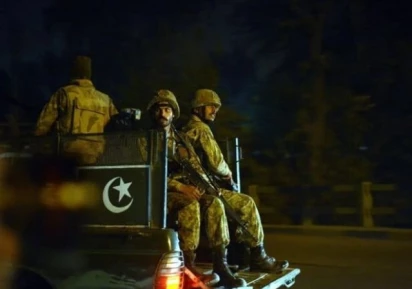
    QUETTA: Security forces have killed 15 terrorists during a series of intelligence-based operations conducted across several districts of Balochistan, security sources said on Sunday. The operations were carried out under the ongoing Operation Rad-ul-Fitna-3, targeting militant networks in Mastung, Bolan, Washuk, Awaran, Sibi, Khuzdar, Harnai and Noshki. According to security sources, the operations were launched following intelligence about the presence and movement of militants in the targeted areas. A significant quantity of weapons and ammunition was also recovered during the actions. Officials said the operations dealt a major blow to militant networks and disrupted their ability to move and operate across parts of the province. Security forces, they added, remain committed to continuing intelligence-driven operations until terrorist activity is eliminated. Interior Minister Mohsin Naqvi praised the security forces for what he described as successful operations against militant groups. He commended the personnel for their professionalism and said the government would continue supporting efforts to counter terrorism. The latest operations come amid heightened security concerns in Balochistan, where militant attacks have targeted both civilians and security installations. Security forces have continued intensified operations in the province following a series of deadly attacks. Earlier, security forces reported killing 12 militants during intelligence-based operations in the Washuk and Mastung districts. Authorities have also launched joint operations involving the Pakistan Army, Frontier Corps and Balochistan Police following recent attacks on security personnel and civilians. Pakistan has witnessed a significant rise in militant violence in recent years, with Balochistan and Khyber-Pakhtunkhwa remaining among the most affected regions. Security agencies say intelligence-led operations will continue as part of broader efforts to prevent further attacks and dismantle militant networks.

  • | |

    Wild Monkey captured in Indonesia after attacks, f…

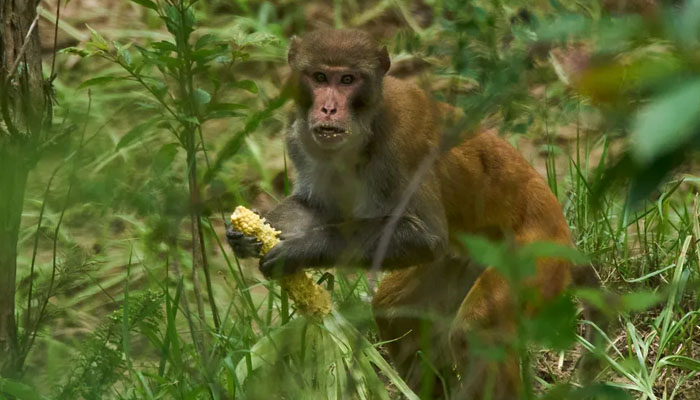
    A wild monkey that reportedly injured 17 people and sparked fear across a community in Indonesia’s Riau province has been captured following a coordinated operation involving several government agencies. The adult male monkey had been attacking residents in the Tembilahan area for nearly two weeks, with victims reportedly including children and elderly people. Authorities said the animal targeted people outside their homes and on public streets, raising concerns among local residents. The repeated attacks prompted police, military personnel, firefighters and wildlife officials to launch a joint effort to capture the animal. According to Police Chief Doni Aco Listanto, the Riau Natural Resources Conservation Agency placed three traps in areas where the monkey was active. One of the traps eventually succeeded in capturing the monkey alive, bringing an end to the weeks-long ordeal. The incidents had caused widespread anxiety in Tembilahan, with authorities taking additional precautions to protect residents. Schools in the district were closed for three days, while students were instructed to continue their lessons through online classes. Officials are now expected to assess the monkey and determine the appropriate measures following its capture.

  • | |

    Bans on baajas, firecrackers and one-wheeling ahea…

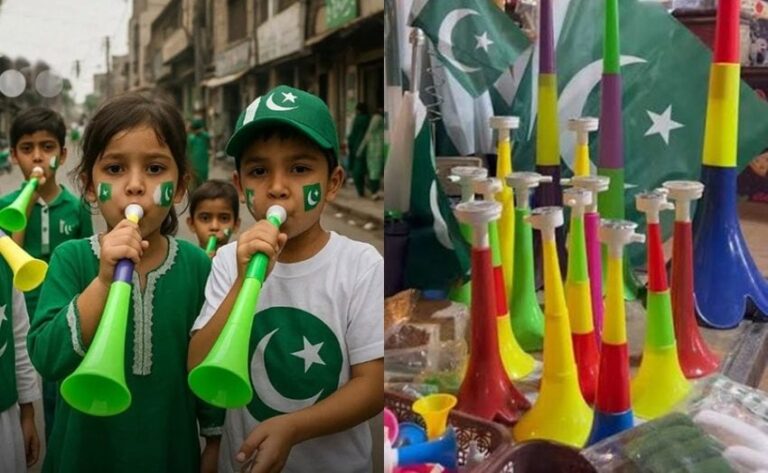
    PESHAWAR: The Peshawar district administration has imposed restrictions on several Independence Day activities, banning baajas, firecrackers, toy pistols, aerial firing and one-wheeling under Section 144. According to an official notification, the restrictions will remain in effect until August 15 as authorities prepare for Pakistan’s Independence Day celebrations on August 14. The administration has prohibited the sale and purchase of toy horns, toy pistols and firecrackers, while fireworks and aerial firing have also been restricted to prevent accidents and maintain public order. Authorities have particularly warned young people against one-wheeling, describing the stunt as a serious threat to public safety that can endanger both riders and other road users. Officials said the measures are intended to protect lives and property and prevent festive gatherings from turning into incidents involving reckless driving, injuries or public disorder. Residents have been urged to celebrate Independence Day responsibly and comply with the restrictions, with authorities warning that violations could result in legal action.

  • | |

    Transport crisis threatens to disrupt economic act…

    The economists and business experts have warned that the nationwide suspension of goods and oil transportation could create serious disruptions across Pakistan’s supply chains if the dispute is not resolved quickly, adding that prolonged interruption in cargo movement would increase operating costs, disrupt industrial production and put further pressure on exports. Experts said the ongoing situation should not be viewed merely as a dispute between transporters and the government, as the uninterrupted movement of goods is essential for manufacturing, agriculture, wholesale and retail trade, imports, exports and the distribution of essential commodities. They said the suspension of a large portion of the country’s freight fleet could create a chain reaction across the economy. Factories dependent on regular supplies of imported and locally produced raw materials could face interruptions, while manufacturers with completed consignments could experience difficulties in moving goods to ports, warehouses and domestic markets. According to economic experts, any prolonged disruption in freight movement could raise costs at multiple stages of the supply chain, ultimately increasing prices for businesses and consumers. They urged the government to give immediate priority to negotiations with transport representatives and ensure restoration of normal cargo movement, while simultaneously addressing the structural issues that have contributed to growing tensions in the transport sector. Experts said the introduction of daily petroleum price adjustments had added another layer of uncertainty to an already difficult operating environment. Fuel represents a major component of freight costs, and daily changes make it difficult for transport operators to determine charges for journeys that may take several days. The resulting uncertainty also affects manufacturers and traders because businesses cannot accurately forecast the cost of moving raw materials and finished products. For exporters, the issue is particularly significant as freight costs are often incorporated into orders and contracts agreed weeks or months before shipment. Economists said Pakistan needed a petroleum pricing framework that reflected international market movements while providing sufficient predictability for businesses. They noted that frequent changes in fuel prices could complicate production planning, inventory management and commercial contracting. They further cautioned that heavy reliance on petroleum taxes and levies could become counterproductive if it substantially increased transportation and production costs. Higher fuel prices raise the delivered cost of raw materials, machinery, food products and finished goods and also increase the cost of moving agricultural inputs and crops between production areas and markets. According to experts, the current disruption has also exposed weaknesses in Pakistan’s logistics infrastructure. The country needs better freight facilities, rationalised toll charges, adequate parking for heavy vehicles around ports and industrial zones, streamlined licensing procedures and a taxation framework that does not place excessive pressure on formal transport operators. They stressed that logistics costs should be considered an integral part of Pakistan’s export strategy. Export competitiveness depends not only on the cost of manufacturing a product but also on the expense and reliability of moving raw materials to factories and finished goods to ports. Experts said Pakistani exporters already face intense competition from regional economies where supply chains are becoming more efficient and predictable. Any additional increase in domestic transportation costs could further reduce the price competitiveness of Pakistani products in international markets. They recommended establishing a permanent consultation mechanism involving transporters, chambers of commerce, manufacturers, exporters, oil-sector representatives and relevant government agencies. Such a platform could identify emerging problems and develop solutions before individual disputes escalate into economy-wide disruptions. Economists also called for a review of withholding tax arrangements affecting goods transporters, saying the taxation system should encourage formalisation, investment and expansion of the logistics sector rather than create additional working-capital pressures. They said all transport-related taxes, tolls, fees and regulatory charges should be reviewed collectively to determine their overall impact on freight costs.