International

  • | |

    Iran names battle-tested commanders

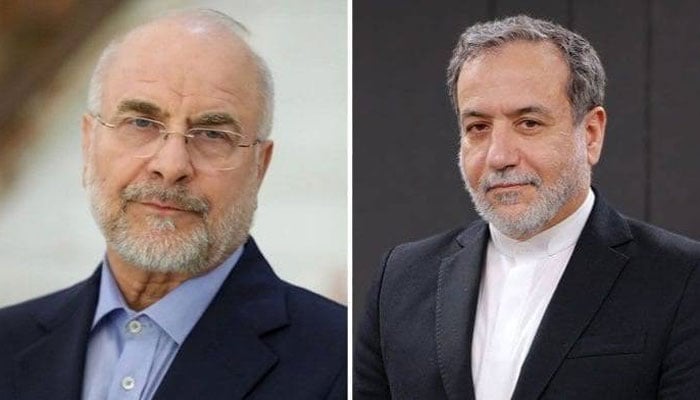
      Iranian Foreign Minister Abbas Araghchi and Parliament Speaker and senior negotiator Mohammad Bagher Ghalibaf have defended the country’s latest military appointments, saying the newly selected commanders bring extensive battlefield experience to their new positions. Their comments came after Supreme Leader Mojtaba Khamenei approved the appointment of six senior military commanders to key positions within Iran’s armed forces and the Islamic Revolutionary Guard Corps (IRGC). In a post on his Telegram channel, Araghchi said the six commanders had demonstrated their capabilities during the two recent wars imposed on Iran. He described their combat experience as an important factor behind their selection for senior military roles. Ghalibaf also welcomed the appointments, according to a statement carried by Iranian state media. He specifically highlighted General Ahmad Vahidi, saying Vahidi led the IRGC during the recent 40-day war and gained significant operational experience during the conflict. Ghalibaf said the IRGC should continue its mission while drawing on the guidance and direction of Supreme Leader Mojtaba Khamenei. He also stressed the importance of maintaining the force’s capabilities and experience as Iran faces continued regional security challenges. The latest appointments cover some of Iran’s most influential military positions. They include the chief and deputy chief of staff of the Armed Forces, the commander and deputy commander of the IRGC, the commander of the IRGC Navy, and the commander of the Basij paramilitary force. Iranian officials have presented the appointments as part of an effort to place experienced military figures in strategic command positions. The emphasis on commanders with recent battlefield experience also reflects the security pressures Iran has faced during the latest period of regional conflict. The appointments are expected to shape Iran’s military leadership and operational strategy in the period ahead, particularly as Tehran continues to deal with heightened tensions and evolving security challenges across the region.

  • |

    Man arrested over US Consulate bomb threat

    A man has been arrested in Halifax, Canada, after allegedly threatening to blow up the US Consulate, triggering a major security operation in the area. According to US media reports, Canadian authorities found flammable materials inside the suspect’s vehicle near the consulate. Police responded quickly to the bomb threat and evacuated several blocks surrounding the diplomatic facility as a precaution. The security operation continued for more than five hours as police and emergency teams searched the area and assessed the potential threat. Authorities later cleared the site and confirmed that there was no longer any danger to the public. Canadian police said they had taken a man into custody in connection with the incident. However, authorities have not yet filed criminal charges against him, and investigators are continuing to examine the circumstances surrounding the threat. The incident prompted heightened security measures around the US diplomatic facility and temporarily disrupted activity in the surrounding area. The security scare comes amid increased concern over attacks targeting US diplomatic facilities in Canada. US media reports that the American Consulate in Toronto has come under gunfire twice this year, although the Halifax incident has not been publicly linked to those attacks. Canadian authorities are expected to continue their investigation to determine the suspect’s motive and whether he intended to carry out an actual attack.

  • | | | |

    Mohsin Naqvi begins official visit to Iran

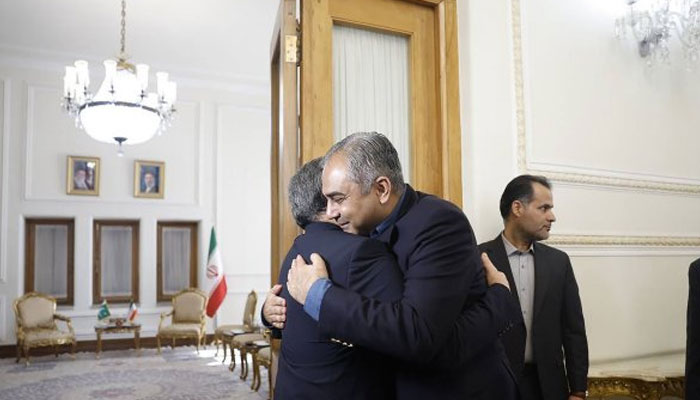
      Federal Interior Minister Mohsin Naqvi has arrived in Iran on an official visit, where he is set to hold meetings with senior Iranian officials, according to Iranian media reports. Naqvi’s visit is expected to focus on strengthening relations between Pakistan and Iran and improving coordination on issues of mutual interest. During his stay, the interior minister will meet high-ranking Iranian officials and exchange views on matters concerning the two neighbouring countries. The visit comes amid continued diplomatic engagement between Islamabad and Tehran, with both sides seeking to enhance cooperation and maintain regular contact at the leadership and ministerial levels. Discussions during Naqvi’s meetings are likely to cover bilateral relations as well as regional developments that have implications for both Pakistan and Iran. The two countries share a long border and have close historical, cultural and economic ties, making regular coordination between their governments important. Pakistan and Iran have also been working to improve cooperation on border management and other issues affecting communities along their shared frontier. High-level visits and official meetings provide an opportunity for both sides to review progress, address outstanding concerns and explore new areas of cooperation. Iranian media said Naqvi will meet senior officials during his visit, although further details about his schedule and the specific issues to be discussed were not immediately disclosed. The minister’s visit is part of Pakistan’s broader efforts to maintain engagement with neighbouring countries and strengthen bilateral ties through diplomatic and official channels. His meetings in Tehran are expected to contribute to continued dialogue between the two countries and provide a platform for discussing matters of shared concern.

  • Global humanitarian crisis

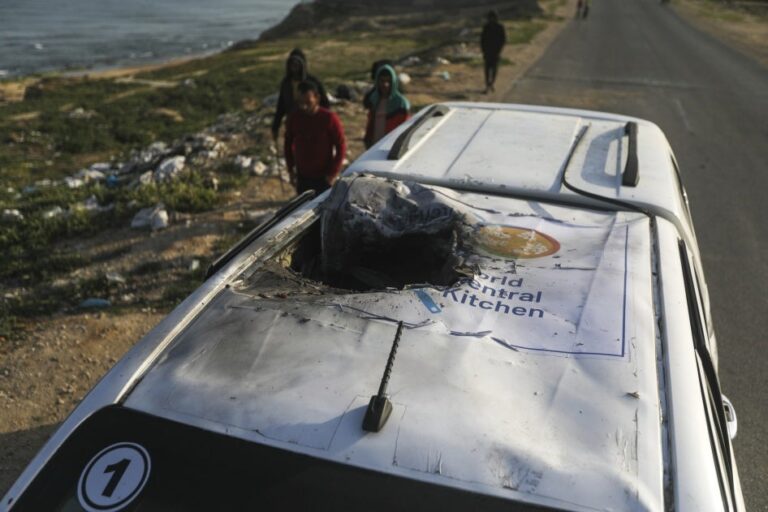
    Across multiple war zones around the globe, military hostilities and direct attacks on aid workers are pushing millions of civilians to the brink. Frontline personnel operating in Ukraine, the Middle East and Sudan are struggling to deliver basic survival services under increasingly perilous conditions. Strikes on Essential Infrastructure and Relief Assets in Ukraine Violence across Ukraine continues to inflict heavy civilian casualties. It claimed lives and injuring children across nine major regions, including Kyiv, Kharkiv, Odesa and Zaporizhzhia. The intense shelling has directly hindered humanitarian operations beyond damaging residential neighborhoods and essential municipal utilities. A recent strike in the city of Dnipro destroyed a primary World Health Organization (WHO) supply warehouse. The attack wiped out crucial medical inventory earmarked for frontline healthcare facilities. Meanwhile, emergency personnel in the Kherson region reported damage to a civilian evacuation transport and a direct hit on a World Food Programme (WFP) partner truck carrying essential food supplies. Despite these continuous risks, relief organizations remain active on the ground, delivering immediate trauma care, psychological support, and essential survival provisions to impacted communities. Rising Hostilities and Explosive Hazards Across the Middle East The security landscape in southern Lebanon and Gaza remains extremely volatile. Peacekeepers with the UN Interim Force in Lebanon (UNIFIL) monitored hundreds of artillery rounds and dozens of airspace incursions by Israeli forces over a single weekend. Direct fire incidents were recorded near UN observer positions in Meiss ej Jebel, alongside sightings of naval activity along the coast. Crucially, peacekeepers are working to clear hazardous remnants of war, having uncovered loaded rocket launchers, unexploded shells, and improvised explosive devices scattered across southern villages. In Gaza, ongoing military activity continues to imperil non-combatants and expand basic survival needs. Unexploded ordnance represents one of the most severe long-term dangers to returning residents and reconstruction crews. Specialist teams have identified and marked more than 1,000 explosive items across the Gaza Strip since late 2023. These clearance operations are vital for allowing workers to clear heavy rubble, restore water infrastructure, and safely access damaged facilities. To prevent further civilian casualties, mine safety specialists conducted targeted educational workshops reaching over 63,000 individuals in the past month alone. Sudan’s Escalating Displacement and Extreme Budget Drought In Africa, Sudan’s protracted conflict is driving mass displacement while relief budgets rapidly dry up. Severe insecurity around El Obeid in North Kordofan State has uprooted thousands of residents seeking sanctuary, forcing aid agencies to scramble to supply two million liters of drinkable water to roughly 133,000 displaced individuals facing acute shortages. Further west, intense fighting in the Sirba locality of West Darfur displaced around 18,000 civilians in a single week, sending thousands fleeing across the border into neighboring Chad. Compounding the human toll is a crippling financial deficit. The global humanitarian appeal for Sudan remains underfunded at just 41 percent, having received only $1.2 billion of the required $2.9 billion. This severe shortage has already forced the closure of multiple health centers in Central Darfur, leaving an estimated 75,000 displaced people completely cut off from basic healthcare services. Growing Risks of Regional Spillover in Yemen   The fragile stability in Yemen is also facing its most precarious moment since the 2022 truce. UN Envoy Hans Grundberg warned that recent escalations risk dragging the nation into a broader regional conflict, erasing years of diplomatic progress. Relief agencies emphasize that without immediate de-escalation, sustained diplomacy, and dedicated financial backing from international donors, global humanitarian networks will remain severely stretched, leaving millions of vulnerable civilians without access to life-saving assistance.

  • |

    UK government announces crackdown on subscription traps 

      British Prime Minister Andy Burnham has announced a new package of measures aimed at easing financial pressure on households as the UK continues to face concerns over the cost of living. The government says it will take action against business practices that can leave consumers paying more than expected, including misleading discounts and difficult-to-cancel subscriptions. The measures form part of Burnham’s wider “everyday fixes” agenda, which focuses on addressing common financial frustrations faced by families across the country. One of the first priorities will be an accelerated crackdown on so-called “subscription traps”, under which consumers can find themselves automatically paying for services they no longer want. The government also plans to tackle misleading pricing practices used by retailers. These include fake “was” prices, invented reductions and misleading recommended retail prices that can make a product appear to offer a much larger discount than it actually does. The changes are intended to prevent businesses from artificially increasing the price of an item before reducing it, creating the impression that shoppers are receiving a significant bargain. Burnham said consumers should be able to trust the discounts advertised to them, particularly at a time when household budgets remain under pressure. He argued that if a product is promoted as being half price, customers should be confident that they are genuinely receiving a 50% reduction. Subscription services are another major focus of the government’s plans. According to government figures, there are approximately 155 million active subscriptions across the UK, while unwanted subscriptions cost consumers around £1.6 billion every year. The average consumer has several subscriptions, ranging from streaming and entertainment services to magazines, beauty products and other recurring services. Under the new rules, companies will be required to provide clearer information before customers sign up and remind them when free or discounted trials are approaching their end. Businesses will also have to make cancellation procedures significantly easier. Consumers who sign up online will be able to cancel through a straightforward online process rather than being forced to navigate lengthy telephone calls or complicated cancellation systems. Another important protection will be a 14-day cooling-off period following the end of certain trials or the renewal of long-term contracts. This will give customers additional time to reconsider a subscription and leave if they no longer want it. The government estimates that consumers could save an average of £14 a month for every unwanted subscription they successfully cancel early. Overall, the wider consumer-protection measures are expected to provide substantial financial benefits to households. The subscription rules are being brought forward from the previous timetable, with the government aiming for the new protections to take effect in January 2027. The changes are designed to give consumers greater control over their spending while putting greater responsibility on companies to make their pricing and cancellation policies transparent. Burnham has described the measures as an effort to make everyday life fairer and less frustrating for British families. While the reforms will not resolve every aspect of the cost-of-living pressures facing households, the government says they are intended to deliver practical savings and prevent consumers from being caught out by unfair commercial practices.

  • |

    Strait of Hormuz closure halts oil shipments from Iran’s Kharg Island

      US media has claimed that the closure of the Strait of Hormuz has completely disrupted oil shipments from Iran’s Kharg Island, one of the country’s most important centres for crude oil exports. According to a reports, Kharg Island serves as the largest hub for the transportation and export of Iranian crude oil. The island plays a central role in Iran’s oil-export infrastructure and handles a significant portion of the country’s crude shipments to international markets. Three oil terminals on Kharg Island have been completely emptied. According to the report, no ship or oil tanker has departed from Kharg Island since July 31, indicating that crude oil exports through the facility have effectively come to a halt. The report further stated that a large share of the oil exported from Kharg Island is destined for China. However, no oil has reportedly been exported from the island for approximately two weeks. The reported disruption is being linked to the situation surrounding the Strait of Hormuz, a strategically important waterway through which a substantial portion of the world’s oil and energy supplies normally pass. Any prolonged disruption in the strait can have significant consequences for oil-producing countries, shipping companies and global energy markets. Kharg Island is particularly important to Iran because of its role in the country’s crude oil export network. Oil produced in different parts of Iran is transported to export terminals, from where it is loaded onto tankers for shipment to international destinations. The reported halt in tanker movements from Kharg therefore represents a major disruption to Iran’s traditional oil-export operations. If the situation continues, it could potentially affect the volume of Iranian crude reaching international buyers, particularly major customers in Asia. China has historically been an important destination for Iranian crude oil, making the reported suspension of shipments from Kharg Island particularly significant. Any interruption in the supply chain could have implications for refiners and traders that rely on Iranian crude. The Strait of Hormuz connects the Persian Gulf with the Gulf of Oman and the Arabian Sea. Its strategic importance comes from the large volume of oil and other energy products transported through the waterway. Because of this, tensions or restrictions affecting maritime traffic in the area can quickly generate concerns in international energy markets. According to report, the absence of vessels from Kharg Island since July 31 suggests that the impact of the reported disruption has extended beyond individual shipping delays. The complete emptying of the island’s three oil terminals could indicate that existing crude stocks have already been cleared while further exports have been prevented or significantly restricted. However, the report’s claims about the complete halt in Iranian oil exports from Kharg Island would need to be assessed alongside independent shipping and energy-market data. Tanker movements, satellite observations and official statements from Iranian authorities and international monitoring organisations can provide additional information about the actual scale and duration of the disruption. The development highlights the vulnerability of global energy supplies to disruptions in major maritime routes. With Kharg Island serving as Iran’s largest crude-export hub and China reportedly receiving most of its shipments, continued restrictions around the Strait of Hormuz could have wider implications for regional trade and international oil markets. For now, the reported absence of oil tankers from Kharg Island since July 31 marks a significant interruption in Iran’s crude export activity and could remain an important factor for global energy markets if the disruption persists.

  • |

    Thai teen’s shooting sparks school safety review

    Thai police said a 14-year-old boy accused of carrying out a deadly shooting near Bangkok had shown an interest in firearms for up to two years and had watched violent material online. The teenager allegedly killed his grandparents at their home on Friday before shooting six people at his school and taking his own life. More than 20 others suffered injuries in the attack, which became Thailand’s deadliest mass shooting since 2022. Deputy Commissioner of Provincial Police Region 1 Atthapol Anusit told reporters that investigators had questioned 17 witnesses so far. Police also found a knife in the teenager’s school bag, along with a firearm, spent cartridge cases and a personal computer. Investigators examining the computer found social media content involving violence. Police also said the boy had used social media to learn about firearms, although they have not yet found evidence that he regularly practised shooting. A teacher had confiscated a BB gun from the boy at school last year, according to police. The teenager had lived with his grandparents for about 12 years after his parents separated. In response to the tragedy, Thailand’s Ministry of Education said it would introduce new school safety measures within three months. The plan includes mental health screening, referrals for students considered at risk, emergency response drills, stronger anti-bullying measures and tighter checks to prevent weapons and other dangerous items from entering schools. The shooting has renewed calls for stronger firearm controls in Thailand, which has one of the highest rates of civilian gun ownership in Southeast Asia.

  • | |

    Did a Japanese man really spend Rs220 crore to become a dog?

    A viral claim suggesting that a Japanese millionaire spent Rs220 crore on surgeries to transform himself into a dog has been debunked, with available information indicating that the story is based on a highly realistic costume rather than any medical procedure. The claim recently gained traction on social media alongside a video showing a man appearing to move and behave like a dog. Posts circulating online alleged that a 26-year-old Japanese millionaire, reportedly identified as “Jaso”, had undergone expensive surgeries to permanently alter his body and acquire a canine appearance. However, there is no credible evidence that the man underwent such surgeries or spent anything close to Rs220 crore on a physical transformation. The viral story appears to have originated from a genuine case involving a Japanese man known online as “Toco”. He attracted international attention after fulfilling his long-held dream of experiencing life as a dog. Toco commissioned Japanese modelling and sculpting company Zeppet to design an extremely realistic Collie costume. The outfit was specially created to resemble the appearance of a real dog and reportedly cost around 2 million Japanese yen, equivalent to approximately Rs11–12 lakh. The costume was designed with considerable attention to detail, allowing Toco to convincingly appear as a Collie when wearing it. Videos and photographs of him using the costume subsequently spread widely across social media. The transformation, however, was entirely temporary. Toco did not undergo surgery, alter his body permanently or medically transform himself into an animal. Instead, he uses the elaborate costume as part of a personal hobby and to fulfil a childhood fascination with experiencing life from an animal’s perspective. The dramatic Rs220-crore figure appears to have been added or distorted as the original story circulated online. The huge difference between the reported cost of the costume and the alleged surgical expenditure highlights how the original account was exaggerated on social media. The viral video may therefore give viewers the impression that a person has physically transformed into a dog, but the available details point to a sophisticated costume rather than surgery or permanent physical modification.

  • |

    3 killed, 25 injured in Ukraine drone strike on Russia

    Three people were killed and 25 others injured after Ukrainian drones struck Russia’s Belgorod region, according to Russian authorities. Officials said the drone attack took place overnight, targeting areas in and around Belgorod. Emergency teams responded to the affected locations and began rescue and relief operations following the strikes. The latest attack comes amid continued fighting between Russia and Ukraine, with both sides carrying out frequent drone and missile strikes against targets across the border. Meanwhile, Russia has launched an attack on Ukraine’s strategic port city of Odesa. Ukrainian President Volodymyr Zelenskyy confirmed the Russian strike, saying the attack caused damage to the Odesa port. Zelenskyy condemned the assault and said the continued attacks on civilian and critical infrastructure demonstrated the intensity of the ongoing conflict. The strikes on Belgorod and Odesa highlight the continued escalation of cross-border attacks as the war enters another phase of sustained military confrontation.

  • |

    Typhoon Dolphin hits China

    Typhoon Dolphin made landfall in eastern China’s Zhejiang province on Sunday, bringing powerful winds and heavy rain after authorities issued the country’s highest-level typhoon warning. China’s National Meteorological Centre said the storm reached the coast near Yuhuan City at around 5:30pm local time, with winds exceeding 150 kilometres per hour. The typhoon disrupted air and sea travel across the region. Nearly 1,400 flights at Shanghai’s two main airports were cancelled, while Hangzhou airport reported another 270 cancellations. Authorities also suspended more than 200 ferry routes in Zhejiang and Fujian. China evacuated nearly 99,000 people from high-risk areas in Fujian ahead of the storm. Officials also suspended work and transport services in several locations along the typhoon’s expected path. The storm affected neighbouring areas as well. Taiwan cancelled more than 180 flights and suspended dozens of ferry services after heavy rain and strong winds hit the north. In Japan’s Okinawa, seven people suffered minor injuries, while more than 5,000 households lost electricity. Hong Kong also experienced unusually high temperatures. The Hong Kong Observatory recorded 36.9°C and warned that hot weather could continue through Tuesday as warm air from the storm moved over the territory. The weather centre expects Typhoon Dolphin to weaken as it moves northwest across eastern China. However, heavy rain could continue in Shanghai and parts of Zhejiang, Fujian, Anhui and Jiangsu through Monday.