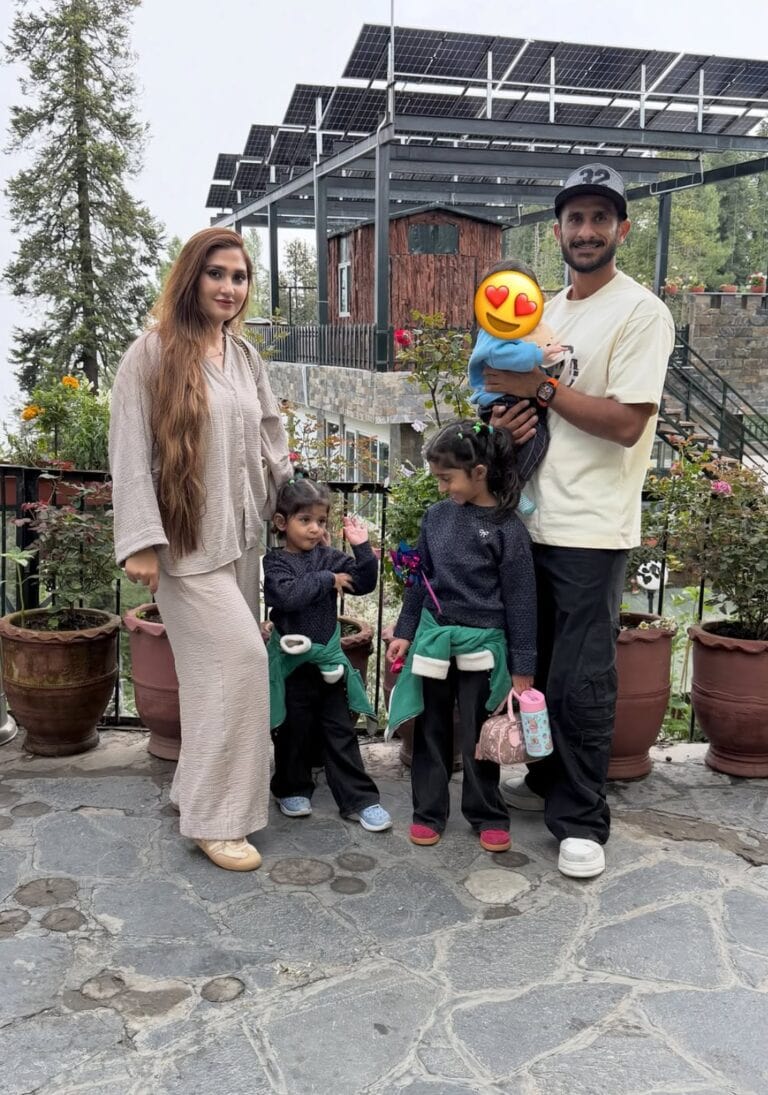
Nida Yasir and Yasir Nawaz’s Scotland vacation wins hearts
Pakistani television personalities Nida Yasir and Yasir Nawaz are spending quality time with their family during a vacation in the United Kingdom. The couple, known for their long and successful careers in the entertainment industry, has been sharing glimpses of their trip, delighting fans with heartwarming moments from their travels. Before beginning their holiday, the family celebrated an important milestone by attending the graduation ceremony of their daughter, Sila. Proud parents Nida and Yasir marked the special occasion alongside their children, making it one of the highlights of their UK visit. Fans congratulated the family after photos from the graduation surfaced online, praising the couple for supporting their daughter’s academic achievement. Following the graduation celebrations, the family traveled to Scotland, where they explored the historic city of Edinburgh. Known for its medieval architecture, cobbled streets, and breathtaking landmarks, Edinburgh offered the perfect backdrop for the family’s relaxing getaway. Nida and Yasir were seen visiting several popular attractions while enjoying the city’s rich history and scenic beauty with their children, Fareed and Balaaj. The vacation also coincided with Yasir Nawaz’s birthday, giving the family another reason to celebrate together. They marked the occasion with a special dinner at The Witchery, one of Edinburgh’s most famous luxury Gothic restaurants. The elegant venue, known for its unique atmosphere and fine dining experience, added a memorable touch to the birthday festivities. Photos shared from the celebration captured the family smiling together as they enjoyed the evening. Yasir Nawaz appeared delighted as he celebrated his birthday surrounded by his loved ones. Nida Yasir also shared cheerful moments from the dinner, giving fans a closer look at the family’s joyful gathering. Nida Yasir remains one of Pakistan’s most recognizable television hosts, having built a successful career spanning nearly two decades in morning television. Her presence on screen and connection with viewers have made her one of the country’s most popular media personalities. Yasir Nawaz has also earned widespread appreciation for his work as an actor, director, and producer, with several successful television dramas and projects to his credit over the years. Together, the couple has established themselves as one of Pakistan’s most admired celebrity pairs. They frequently share glimpses of their family life and travels, allowing fans to celebrate important milestones alongside them. Their latest UK vacation has once again attracted attention on social media, with followers expressing admiration for the family’s close bond and the memorable experiences they continue to create together. From celebrating their daughter’s graduation to exploring the picturesque streets of Edinburgh and enjoying a birthday dinner in a historic setting, the trip has been filled with special moments. The family’s vacation photos have received warm responses online, with fans sending congratulatory messages and wishing Yasir Nawaz a happy birthday while appreciating the beautiful memories created during their time in Scotland.