تازہ ترین

  • | |

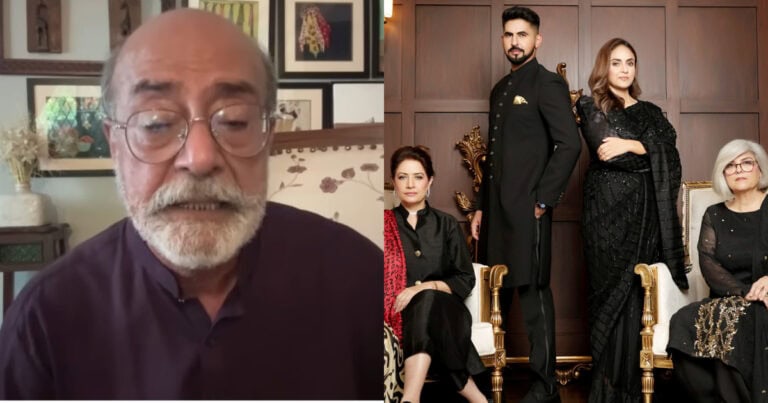
    Syed Mohammad Ahmed on Kya Drama Hai judges

    Syed Mohammad Ahmed has been a pillar of Pakistani television for decades. As an actor and writer, he has built a reputation not only for his craft but for the kind of honest, unhurried perspective on the industry that comes from having seen it evolve over a very long time. In a recent podcast appearance, he offered exactly that kind of perspective, speaking candidly about Kya Drama Hai and the three respected actresses who serve as its judges. The context for his remarks was a controversy that had recently surfaced around Nadia Khan, the show’s host, who had mimicked Sajal Aly in a segment that drew significant criticism from audiences who felt the impression was mocking rather than affectionate. Ahmed addressed this directly and did not tread lightly around it. He said that in earlier times, mimicry was an art form conducted with permission and done tastefully, with genuine respect for the person being imitated. What he saw in Nadia Khan’s impression of Sajal Aly fell outside those boundaries. His discomfort was rooted in what he perceived as a mismatch in calibre. He said he did not understand how someone who was not even in Sajal’s league could presume to mock her in that manner. It was a pointed observation, delivered without hostility but with unmistakable clarity. He then turned his attention to the judges themselves, Marina Khan and Atiqa Odho, and what he had to say about them was warm but carried its own kind of candour. Of Marina Khan, he spoke with genuine admiration. He described her as someone who simply does not backbite, a quality he clearly values greatly, and said she is a truly great person. His comment about why she would participate in a show like Kya Drama Hai was not unkind but it was honest. He said he understood that running a household requires income, and that Marina simply has to work, framing it as a practical reality rather than a criticism of the show itself. He was equally warm toward Atiqa Odho, describing her as well-learned and well-read. But again he expressed genuine puzzlement about why someone of her intellect and standing would join such a programme. The thread connecting both observations was his broader view of why channels produce the kind of content they do. He was clear that it comes down to ratings. Channels run this content because it works commercially, and individuals participate because participation keeps them working. He was not condemning anyone, but he was naming a dynamic that many in the industry understand but rarely state plainly. For an actor of Syed Mohammad Ahmed’s stature, the willingness to speak this honestly about a format that involves three of his respected contemporaries is itself notable. He managed to criticise a system without diminishing the people within it, which is a harder balance to strike than it looks.
  • |

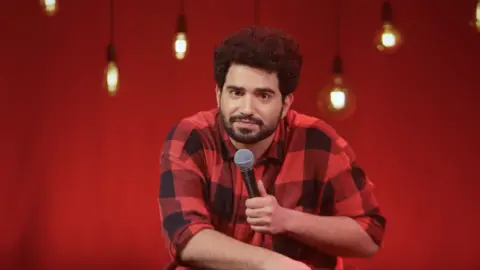
    Samay Raina reacts after India’s Got Latent episode leak

    Comedian Samay Raina has appealed to fans to support creators through official platforms after a members-only bonus episode of India’s Got Latent Season 2 was leaked online just hours after its release. The exclusive episode, which was made available only to paid YouTube members, reportedly surfaced on multiple unauthorized platforms shortly after it went live. Clips from the show, as well as the complete episode, quickly spread across social media and file-sharing websites, allowing many users to watch it without purchasing a membership. The bonus episode features a star-studded lineup, including actor and television host Raghav Juyal, comedian and reality TV winner Munawar Faruqui, content creator Niharika NM, and comedian-writer Rohan Joshi. It was intended to be exclusive content for paying subscribers who support the show through YouTube memberships. Following the leak, Samay Raina addressed the issue through his Instagram stories, asking viewers not to consume pirated versions of the episode. Instead, he encouraged fans to watch the content through official channels so that the creators and everyone involved in producing the show receive proper support. In his message, Samay admitted that he understood why some people rely on piracy because he had done the same during his college years. He revealed that when he was a student and could not afford to pay for entertainment, he often downloaded movies and other content through torrent websites. However, the comedian explained that his perspective changed after he started earning his own income. He said that now he prefers to purchase games through official platforms like Steam and watches movies and shows on legitimate streaming services because he believes creators deserve to be compensated for their work. Speaking directly to his audience, Samay said that anyone who wants to watch the complete bonus episode can subscribe to his YouTube membership through the link available in his Instagram bio. He emphasized that purchasing a membership is the right way to access exclusive content and helps support the people behind the production. The comedian also shared that many fans had informed him they had already watched the episode through torrent websites or Google Drive links. Responding to those messages, Samay reiterated that while he once depended on piracy due to financial limitations, he now makes a conscious effort to pay for the content he enjoys because it supports the entertainment industry and encourages creators to continue producing quality work. The incident has once again highlighted the ongoing challenge of digital piracy faced by online creators and streaming platforms. Despite the availability of subscription-based services and exclusive memberships, leaked content continues to spread rapidly across the internet, often within hours of release. Samay Raina’s response has drawn attention for its balanced approach, as he acknowledged his own past experiences while encouraging fans to make ethical choices if they are financially able. His message serves as a reminder that paying for official content directly supports creators, performers, editors, and production teams who invest significant time and effort into bringing entertainment to audiences.

  • | |

    ‘Rigging mastermind cries foul’: Maryam’s sh…

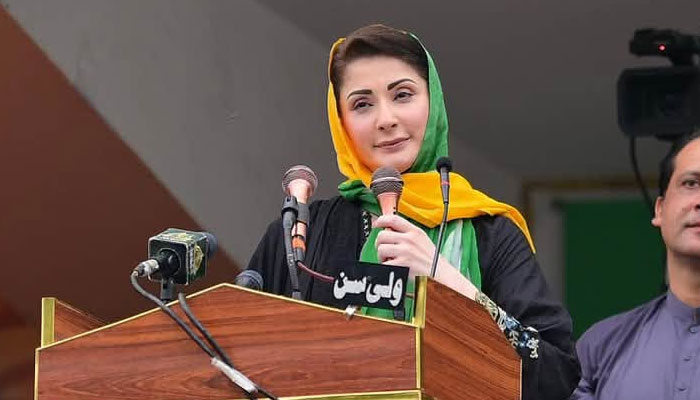
    Punjab Chief Minister Maryam Nawaz has strongly criticised the Pakistan Peoples Party (PPP) over its allegations of rigging in the Azad Jammu and Kashmir (AJK) elections. Maryam responded to criticism from PPP leaders in a social media post on Wednesday. She accused the PPP of being behind what she described as “subtle rigging” and questioned its decision to complain about electoral irregularities. “The mastermind of subtle rigging is crying foul over rigging,” Maryam said in her post. She then added a sarcastic question about when doomsday would arrive. Her remarks came after PPP Central Punjab General Secretary Hassan Murtaza accused the Pakistan Muslim League-Nawaz (PML-N) of manipulating the AJK election process. Speaking at a press conference in Lahore, Murtaza alleged that electoral rules had been repeatedly violated during the polls. He also criticised the role of the Election Commission. He claimed that the commission had acted like an election agent instead of performing its constitutional responsibilities. Murtaza accused the PML-N of setting a new example of electoral rigging. He said his party had been treated unfairly during the elections. The PPP leader also criticised the political activities of the PML-N leadership in AJK. Without directly naming Maryam Nawaz, Murtaza referred to her father, Nawaz Sharif. He said Sharif had gone to Kashmir and expressed a desire to become prime minister. Murtaza argued that if the PML-N leadership was now seeking the AJK premiership, it was only possible because of the PPP’s political role. He also defended Nawaz Sharif and said the PPP respected the former prime minister. Murtaza claimed that the PML-N had itself reduced Sharif’s political standing by offering him a position as chairman of an institution in Lahore while he was seeking the AJK premiership. The PPP leader then shifted his criticism to Punjab’s governance and public services. He claimed that thousands of acres of farmland between Shahdara and Muridke had been inundated. According to Murtaza, water had reached several feet in some agricultural areas. He said the damage was not caused by a major flood. Instead, he blamed a breach in a drain embankment. Murtaza also criticised the Punjab government’s claims about Lahore’s development. He argued that the city’s infrastructure remained vulnerable to heavy rainfall. He said several roads turned into what he described as drainage channels after only a few hours of rain. The PPP leader blamed government decisions for creating difficulties for citizens. He also criticised the import of one million metric tonnes of wheat. Murtaza claimed that the imported wheat was worth around Rs1 trillion. He questioned the government’s economic decisions and argued that citizens deserved better public services. He said taxes collected from the public should be used to provide essential facilities. He also called on the government to fulfil its responsibility toward citizens. The political dispute comes amid growing tensions between the PPP and PML-N over the AJK elections. PPP Chairman Bilawal Bhutto Zardari has also alleged irregularities in the first phase of the AJK elections. The PML-N, however, has rejected allegations of rigging and defended the election results. Maryam Nawaz has previously urged political opponents to accept defeat rather than make allegations of electoral manipulation

  • | |

    Pakistani content creators demand justice in Azad Kashmir

    A wave of digital voices is rising from Azad Jammu and Kashmir and from across Pakistan as deeply disturbing reports emerge of violence following elections held in the region. Content creators, local witnesses and public figures have taken to social media to share footage, demand accountability and appeal for international attention as claims of civilian killings spread rapidly online. The unrest followed elections in AJK, after which protests erupted amid allegations of election rigging. Demonstrators took to the streets demanding protection of their mandate, and the situation deteriorated sharply when clashes broke out between security forces and protesters. According to locals sharing updates on social media, heavy firing continued throughout the night and cellular services were shut down in parts of the region, limiting the flow of information. Reports from the ground claim that more than 200 people have been killed, though these figures have not been independently verified. Among the most widely shared voices was young digital creator Laibaro Manak, who addressed her message directly to PPP chairman Bilawal Bhutto Zardari. “My video is for Bilawal Bhutto,” she said. “I asked him about the internet shutdown and the situation, and he responded that everything should be handled peacefully. But soon after the election, countless people died due to open firing by forces. You took votes and are celebrating your victory, but Kashmir is bleeding. My appeal is to stop the firing. Mothers are waiting for their sons, unaware that their children are being killed by direct gunfire.” Another content creator broke down in tears while addressing the camera, describing scenes of chaos and death he had personally witnessed. He said that after watching his friends die, he stood before the camera and demanded that forces open fire on him too, a raw and anguished act of protest against what he described as indiscriminate killing of innocent people. A third creator spoke directly to the camera from the site of what he described as a long march that was met with force. “Today we were doing a long march, and security forces opened direct fire on us. Countless people are injured, and many are dead. Cellular services are shut down, and they are committing genocide in Kashmir. I request international humanitarian organizations to take action against the oppressors and share this news as much as you can.” Actress Mishi Khan was among the Pakistani public figures to raise her voice. “Please have mercy on the people of Azad Kashmir and Balochistan,” she wrote. “They are citizens of Pakistan who are being treated in the most inhumane manner just because they wanted their rights as citizens. This kind of treatment is so cruel. Have mercy on your own people.” Content creator Anumta Imran also shared footage documenting the deaths, as a growing number of digital voices from within and outside AJK worked to bypass the communication blackout and ensure the situation reached a wider audience. The voices emerging from AJK are not simply asking for sympathy. They are asking to be seen, heard and counted at a moment when the tools that might otherwise amplify their cries have been deliberately switched off.

  • | |

    Kangana Ranaut attacks Gen Z protesters, targets young women

    Actress and BJP Member of Parliament Kangana Ranaut has sparked widespread outrage after sharing a series of inflammatory Instagram Stories targeting the Gen Z-led Cockroach Janta Party movement, which has been demanding accountability over exam paper leaks that rocked India’s education system. Her remarks, which took direct aim at young women protesters and described them in deeply offensive terms, have drawn sharp condemnation from across the country. The political context for her comments is significant. The CJP protests, which began in New Delhi and spread to other cities, were triggered by widespread allegations of paper leaks in competitive examinations. The movement gained considerable momentum after Education Minister Dharmendra Pradhan resigned, intensifying public debate around the protesters’ demands for systemic reform and accountability. Ranaut chose not to address those demands. Instead, she used her platform to launch a sweeping attack on the character of the people participating in the protests. “They don’t do this at the cost of their parents or families,” she wrote. “Here is a new generation of so-called westernised Indian women. I call them generational gutter. Some of them have nothing to offer to the system. They are not good at studies but they are so ugly and corrupt that they can’t be home makers either. But they probably flaunt their freedom to have drugs, drinks or endless body counts.” She went on to specifically criticise young Hindu women whom she accused of aspiring to a form of independence they had not earned. “Most appalled is the behaviour of young Hindu women who want to imitate the lives of independent career women, without earning that freedom,” she said. “Women who are truly independent, they make rebellious choices, bold opinions, unconventional career moves and they take accountability for their actions.” She also addressed those who had faced physical confrontations during the protests, framing the violence as a natural consequence of their own behaviour. “Protesters who are getting beaten and abused on the roads by the common people because of their filthy and abusive roles, must understand that once you post, you will be criticised and once you damage public property, the public will damage you.” She concluded with a statement she presented as philosophical but which read to many as dismissive. “Now is not a time to cry. If you receive the opposite reaction, it is due to cause and effect. You will understand soon if you have not already.” The remarks have landed with considerable force at a moment when Indian celebrities are already divided over whether and how to support the CJP movement. While figures including Diljit Dosanjh, Arijit Singh and actor Imran Khan have expressed solidarity with the protesters, Ranaut has positioned herself firmly on the opposite side, in a manner that has gone well beyond political disagreement into personal attack. The language she used about young women in particular has drawn the most intense criticism, with many pointing out the specific ugliness of describing protesting citizens in the terms she chose.

  • | |

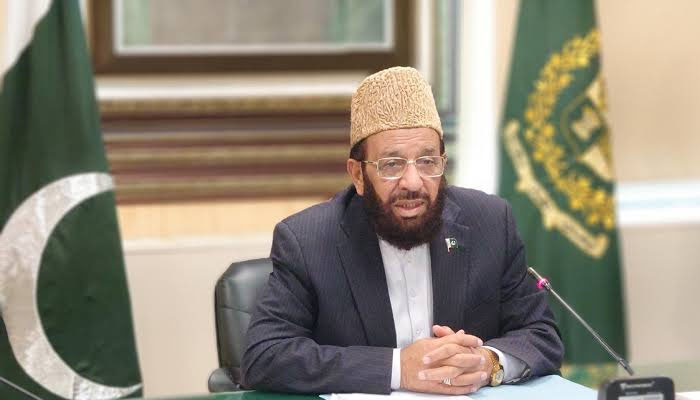
    Pakistan unveils four-year Hajj policy

    The government has introduced a four-year Hajj policy covering arrangements from 2027 to 2030. Federal Minister for Religious Affairs Sardar Muhammad Yousaf presented the policy on Wednesday. He described it as a major step toward improving and modernising Hajj arrangements in Pakistan. Speaking at a briefing, the minister said this was the first time the government had introduced a four-year Hajj policy. He said the initiative would provide a long-term framework for organising the pilgrimage. Yousaf said the policy had been prepared under the guidance of Prime Minister Shehbaz Sharif. It focuses on technology, transparency and improved services for pilgrims. According to the minister, the new framework aims to bring Pakistan’s Hajj arrangements closer to international standards. It will also introduce several new facilities for pilgrims. For the first time, applicants will have access to a registration and waiting-list system. The government expects the system to make the process more organised and transparent. The minister said the government and private Hajj schemes would retain their existing quota division. Sixty per cent of the quota will remain with the government scheme, while private operators will receive 40 per cent. The Ministry of Religious Affairs will continue to oversee and regulate Hajj arrangements. It will also monitor the performance of private Hajj companies. Under the new policy, applicants will be able to enter the pilgrims’ list after paying 10 per cent of the required amount. The government has also planned greater transparency in procurement. Purchases made in Pakistan and Saudi Arabia will be carried out through transparent procedures. Yousaf said any money remaining after meeting the required expenses would be returned to the pilgrims. The measure is aimed at improving financial transparency and protecting the interests of Hajj applicants. The government also plans to change the way private Hajj companies are monitored. Their registration and oversight will not depend only on the quota allocated to them. Instead, their performance will be an important factor in determining their registration and continued participation in the Hajj programme. A digital complaint-resolution system is also being introduced. Pilgrims will be able to submit complaints and seek quick action through the new system. An appeal mechanism will also be established. This will provide pilgrims with another channel to challenge decisions or seek resolution of their complaints. The minister said the government would also improve training programmes for Hajj pilgrims. The aim is to prepare pilgrims more effectively before their departure for Saudi Arabia. The Hajj Muhafiz Scheme will continue under the new policy. The government considers the scheme an important part of its arrangements for pilgrims. Yousaf said the new policy had been developed in line with Saudi Arabia’s Vision 2030. The framework is intended to improve coordination and service delivery during the pilgrimage. The minister said the government’s objective was not limited to managing logistical arrangements. It also wanted to ensure that Pakistani pilgrims received a dignified and comfortable Hajj experience. The estimated cost of the government Hajj package is expected to remain between Rs1.2 million and Rs1.3 million. However, the final cost may depend on various arrangements and expenses associated with the pilgrimage. Yousaf also clarified that any increase or decrease in Pakistan’s Hajj quota would require a decision from the federal cabinet. He said Pakistan had received recognition and awards for its Hajj arrangements in the past. The government now wants to further improve the system through long-term planning and greater use of technology. The four-year policy is expected to provide greater continuity in Hajj preparations. Officials believe the long-term framework will also make planning easier for both the government and pilgrims.

  • | |

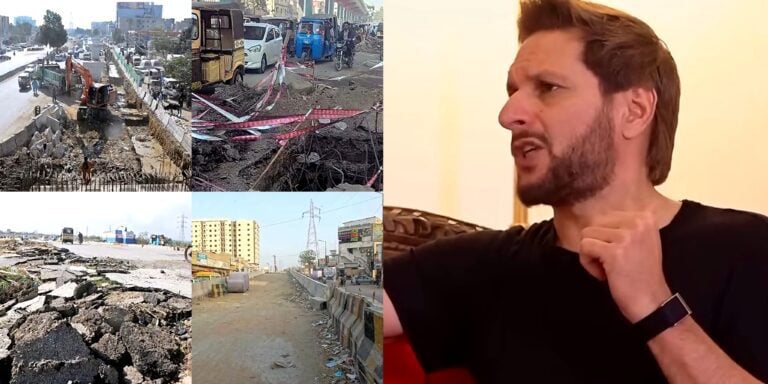
    Shahid Afridi voices concern over Karachi’s decline

    Shahid Afridi has always had a complicated relationship with Karachi, the city of his origins and the one he eventually left behind. He now lives in Islamabad with his family, a decision he has attributed to the worsening state of roads and cleanliness in the city. But a recent visit to Karachi, his first in several months, brought those feelings rushing back with full force, and he did not hold them in. In a video shared on social media following his visit, Afridi spoke directly to his followers about what he saw during a trip to the Korangi area, and his disappointment was palpable from the very first word. “Day before yesterday, I was visiting the Korangi area,” he said. “Friends, I don’t understand this. We give you billions of rupees’ business and this city provides millions of jobs, but I feel embarrassed seeing the condition of Karachi.” He then described the particular disillusionment that comes from returning to a place with hope, only to find it unchanged. “I came to Karachi after years, thinking there must have been some construction work or development, but it is still the same. It disappoints me.” He named specific areas to illustrate his point, places that residents have long complained about and that appear to have remained in a state of perpetual half-construction. “The areas around Korangi, the side area, university road have been under construction for years,” he said. “The city needs a lot of development, and the authorities need to work on it. Please do something. I hope Karachi gets better.” The appeal was genuine and the frustration behind it real, coming from a man who grew up in the city and clearly retains a deep affection for it even in its current condition. The contrast between Karachi’s economic significance and the state of its infrastructure is one that has been raised by residents, civic activists and public figures for years. Afridi’s remarks gave fresh voice to that long-running complaint. The public reaction, however, was not entirely sympathetic. While some supporters agreed with the substance of his concerns, many commenters pointed to what they saw as a glaring contradiction. Afridi has been vocal in his political commentary and has aligned himself publicly with certain political figures and parties over the years. For many Karachiites, the individuals and systems he has supported are the very ones responsible for the neglect he was now condemning. The criticism was pointed: it is easier to express disappointment from Islamabad than to have consistently held accountable those who could have made a difference. The response reflects a broader frustration that many Pakistanis feel when public figures with platform and influence choose to react rather than act. Shahid Afridi’s concern for Karachi appears genuine. Whether that concern translates into sustained accountability for those in power over the city’s administration is the question his critics were loudly putting back to him.

  • |

    Malaika Arora spotted with mystery man at airport

    Malaika Arora has once again become the center of attention after being spotted with a mystery man at an airport, fueling fresh speculation about her personal life. A video of the actress and television personality walking together has gone viral across social media, with fans eagerly discussing whether she has found love again following her split from Arjun Kapoor. In the widely shared clip, Malaika is seen exiting the airport dressed in a relaxed and stylish casual outfit. Walking alongside her was an unidentified man wearing a black T-shirt, blue jeans, a matching cap, and glasses. The two appeared comfortable in each other’s company as they made their way through the airport. The mystery companion was seen greeting people around them while staying close to Malaika throughout the walk. Their easy interaction quickly caught the attention of onlookers and social media users, leading many to speculate about the nature of their relationship. However, neither Malaika nor the man has commented on the rumors, and there has been no official confirmation regarding their connection. During the airport appearance, Malaika appeared visibly uncomfortable with the photographers gathered to capture the moment. As cameras continued to follow her, she seemed annoyed and gave a stern look toward the paparazzi, signaling that she did not want more photographs taken. Despite her reaction, the video continued to circulate online, attracting thousands of views and comments within a short time. The clip sparked a wave of reactions on social media, with users sharing both humorous and curious responses. One person jokingly wrote that silence can sometimes be the best review, while another claimed the mystery companion was rumored to be her boyfriend. Several others simply wondered about the identity of the man and whether the actress had indeed moved on. Malaika’s personal life has often remained a topic of public interest. She was previously in a high-profile relationship with Bollywood actor Arjun Kapoor. The pair first sparked dating rumors in 2018 after they were seen together on several occasions. Over the years, they made numerous public appearances and frequently shared glimpses of their relationship, eventually becoming one of Bollywood’s most talked-about couples. Reports of their separation surfaced in 2024, bringing an end to their long-term relationship. Since then, Malaika has largely kept her private life away from the spotlight, choosing not to address speculation surrounding her relationships. Her latest airport appearance has once again ignited discussions among fans and entertainment followers. While the identity of the mystery man remains unknown, the viral video has left many wondering if Malaika has entered a new chapter in her personal life. Until she chooses to speak publicly, the dating rumors remain purely speculative.

  • | |

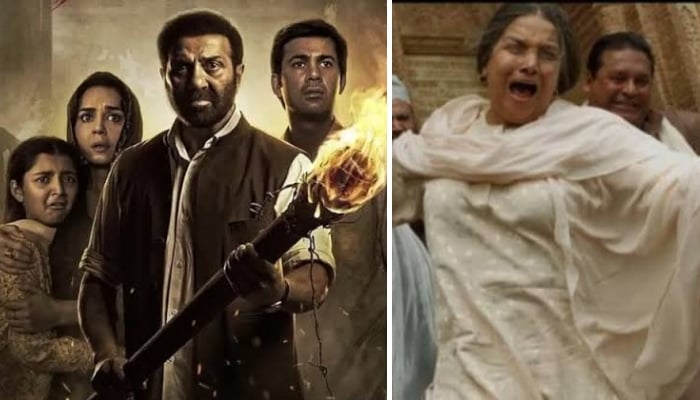
    Sunny Deol protects Shabana Azmi in Batwara 1947 trailer

    Veteran Bollywood actor Sunny Deol has unveiled the trailer for his upcoming historical drama Batwara 1947, offering audiences a powerful glimpse into a story set during the Partition of India in 1947. Released on Tuesday, July 28, the trailer showcases Deol in a striking new role as a man determined to protect humanity amid one of the darkest chapters in the subcontinent’s history. Sharing the trailer on social media, the 68-year-old actor wrote, “Har insaan ka pehla mazhab MAA hai (Every person’s first religion is a mother). #Batwara1947 Trailer Out Now. 14th August in cinemas near you.” The film is set against the backdrop of the 1947 Partition, when millions of people were displaced following the creation of India and Pakistan. The story follows a Muslim family that migrates to Lahore after independence and discovers that an elderly Hindu woman is still living in the house allocated to them. Sunny Deol plays Sikander Mirza, who arrives in Pakistan with his wife Hamida Mirza, portrayed by Preity Zinta, and their son Javed Mirza, played by Karan Deol. Upon reaching their new home, they meet an elderly Hindu woman, played by Shabana Azmi, who refuses to abandon the house where she has spent her entire life. As tensions rise and others attempt to force the woman out of the property, Sikander chooses compassion over hatred. Defending her against growing hostility, he delivers one of the trailer’s most memorable lines: “Hindu woman? She is a mother. Do not label her with Hindu-Muslim. Our first religion is mother! The first word that we speak is mother.” The emotional dialogue has resonated strongly with viewers, many of whom praised the film’s message of humanity above religious divisions. The trailer also highlights the violence, fear and forced migration experienced during Partition while emphasising themes of empathy, sacrifice and coexistence. Soon after the trailer’s release, social media users shared positive reactions. One viewer commented, “No religion can be good or bad, only human can be good or bad.” Another fan wrote, “Goosebumps Yar… Only Sunny Deol and Preity Zinta can give 100% justice to this Movie.” A third praised the film’s overall presentation, commenting, “A powerful, emotional, and thought-provoking trailer that promises a grand cinematic experience. With Rajkumar Santoshi’s direction, Sunny Deol’s powerful performance, A.R. Rahman’s unforgettable music, and a talented ensemble cast, Batwara1947 has all the ingredients to become one of the most impactful historical dramas of the year.” Directed by Rajkumar Santoshi, the film boasts an impressive cast featuring Sunny Deol, Preity Zinta, Shabana Azmi, Karan Deol, Ali Fazal, Abhimanyu Singh and Khushi Hajare. Academy Award-winning composer A.R. Rahman has provided the film’s music, adding to anticipation surrounding the project. Batwara 1947 is scheduled to release in cinemas on August 14, 2026, coinciding with Pakistan’s Independence Day. With its emotionally charged narrative and message of unity during a time of division, the film is already generating significant attention ahead of its theatrical release. 

  • | |

    Candidate dies during Islamabad Police recruitment…

    ISLAMABAD: A 25-year-old man died while taking part in a physical test for recruitment into the Islamabad Police. The deceased was identified as Ishaq. He had travelled from Sarai Naurang in Lakki Marwat to participate in the recruitment process. According to police, Ishaq was taking part in the running test when he suddenly collapsed. He reportedly became unconscious during the physical activity. Police officials immediately arranged an ambulance to take him to the Pakistan Institute of Medical Sciences (PIMS) in Islamabad. Ishaq was shifted to the hospital’s emergency department for medical assistance. However, doctors said that he had already died while being transported to the hospital. The young man could not be revived after reaching the medical facility. The incident occurred during the physical testing stage of the Islamabad Police recruitment process. The test requires candidates to take part in physical activities as part of the selection procedure. The sudden death of the young candidate has raised concerns about the circumstances surrounding the incident. However, police have not yet provided further details about the exact cause of death. It was also not immediately clear whether Ishaq had any previous medical condition or whether he had undergone a medical examination before taking part in the physical test. Authorities are expected to examine the circumstances surrounding the incident. Further information may emerge after the relevant medical and official procedures are completed. The death has brought attention to the physical demands placed on candidates during police recruitment tests. Candidates are required to meet prescribed physical standards before progressing to further stages of the selection process.