تازہ ترین

  • | |

    Makkah pact hailed as boost for regional peace and…

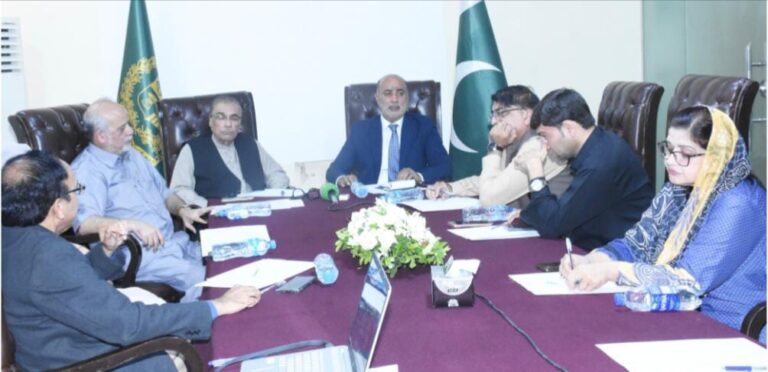
    LAHORE: Senior journalists, defence analysts and experts have described the Makkah Joint Defence Pact between Pakistan, Saudi Arabia and Türkiye as a significant step towards strengthening regional peace, collective security and strategic cooperation. The views were expressed during a panel discussion titled “Makkah Pact: Peace, Security and Stability,” organised by the Press Information Department (PID) Lahore. PID Lahore Director General Shafqat Abbas said the agreement was not directed against any particular country but was intended to strengthen peace, stability, mutual confidence and collective security. He stressed that dialogue, diplomacy and cooperation should remain the preferred means of resolving regional disputes. He said Pakistan, Saudi Arabia and Türkiye brought different strengths and experiences to the partnership, creating opportunities for closer cooperation in defence, diplomacy, economics and strategic affairs. According to him, modern national power extended beyond military strength and depended equally on a strong economy, quality education, scientific advancement, technology, skilled human resources and effective diplomacy. Shafqat Abbas called for greater efforts to convert Pakistan’s defence capabilities and achievements into economic opportunities through investment in education, research, technology, skills development and exports. He said a combination of strong defence and economic stability could enable Pakistan to play a more influential role internationally. Senior journalist and analyst Mujeebur Rehman Shami highlighted Pakistan’s achievements in defence, diplomacy and foreign relations since independence. He praised Pakistani diplomats for enhancing the country’s international standing despite limited resources and stressed the urgent need to improve education, technical skills, research and scientific development. He also called for higher exports, improved productivity and stronger economic policies, saying that Pakistan’s defence successes should ultimately contribute to broader economic progress. Senior journalist Salman Ghani said the pact combined the unique strengths of its three members, describing Pakistan as a country with significant defence capabilities, Saudi Arabia as a major economic power and Türkiye as an important player in defence technology and military production. He said the partnership could open new avenues for investment, economic cooperation and regional stability. Defence analyst Colonel (retd) Abid said Pakistan’s political and military leadership had played an important role in developing the agreement. He noted that the pact carried implications beyond defence and could influence regional diplomacy, economic relations and strategic cooperation. Former Vice Chancellor of Home Economics University Dr Faleha Afzal said the agreement had further demonstrated Pakistan’s potential role in promoting peace and stability and expressed hope that other Muslim countries would eventually participate in similar cooperative initiatives. Columnist Malik Salman stressed the importance of mutual trust and collective security among Muslim countries, while urging Pakistan to maintain a balance between defence preparedness and economic development. Government College University Lahore Urdu literature professor Dr Farzana Riaz said the pact could create new opportunities for unity and cooperation among Muslim countries and encourage joint efforts to address shared regional challenges. Journalist Noorullah said the agreement could contribute to greater peace and stability in the region, but stressed the need for a comprehensive strategy to convert Pakistan’s strategic and defence strengths into tangible economic and diplomatic gains. The participants agreed that closer cooperation among Pakistan, Saudi Arabia and Türkiye could have wider implications for regional peace, defence coordination, diplomacy and economic development. They called on Muslim countries to overcome differences, focus on common interests and pursue peace, development and collective security through dialogue and coordinated efforts. Concluding the session, Shafqat Abbas thanked the participants and said discussions of this nature were important for increasing public understanding of major national and international developments and encouraging informed debate.
  • | |

    Makkah Pact Seen as key to regional stability

      LAHORE, Aug 12 (APP): Senior journalists, defence analysts and experts have described the Makkah Joint Defence Pact between Pakistan, Saudi Arabia and Türkiye as a significant step towards regional peace, collective security and stronger defence cooperation. The views emerged during a panel discussion titled “Makkah Pact: Peace, Security and Stability”, organised by the Press Information Department (PID) Lahore. PID Lahore Director General Shafqat Abbas said the agreement aimed to strengthen peace, stability and mutual trust rather than target any country. He stressed the importance of diplomacy, dialogue and cooperation in resolving regional disputes. He said Pakistan, Saudi Arabia and Türkiye brought different strengths and experiences to the partnership, creating opportunities for cooperation in defence, diplomacy, trade and investment. Abbas also said Pakistan’s national strength should extend beyond defence and include education, science, technology, skilled human resources and a strong economy. He urged the country to turn its defence capabilities into broader economic gains through research, skills development and increased exports. Senior journalist and analyst Mujeebur Rehman Shami highlighted Pakistan’s achievements in defence and diplomacy but called for greater investment in education, science, technology and skills. He also stressed the need to increase exports and improve economic productivity. Journalist Salman Ghani said the three countries offered complementary strengths, with Pakistan contributing its defence capabilities, Saudi Arabia its economic influence and Türkiye its advanced defence industry and technology. He said the pact could also encourage investment and economic cooperation. Defence analyst Col (retd) Abid said Pakistan’s leadership and military diplomacy played an important role in developing the agreement. He noted that its impact could extend beyond defence to economic, diplomatic and strategic affairs. Other speakers, including Dr Faleha Afzal, Malik Salman, Dr Farzana Riaz and journalist Noorullah, called for greater unity among Muslim countries and urged Pakistan to pursue economic development alongside defence preparedness. The participants agreed that stronger cooperation between Pakistan, Saudi Arabia and Türkiye could contribute to regional peace and stability. They also emphasised dialogue, common interests and coordinated efforts to address shared challenges. At the end of the session, Shafqat Abbas thanked the participants and said such discussions helped promote informed public debate on important national and international issues.

  • | |

    Peshawar High Court orders decision on Afghan busi…

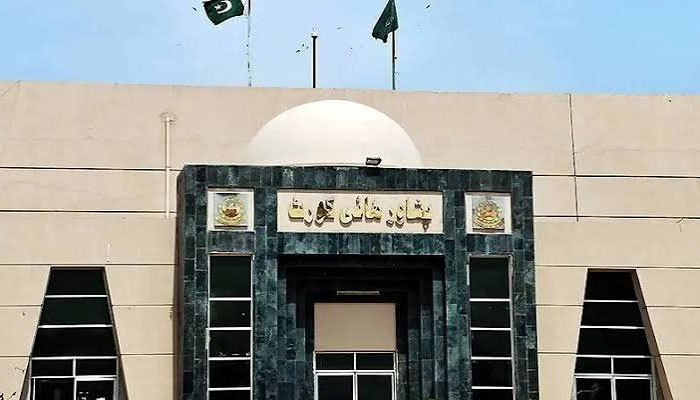
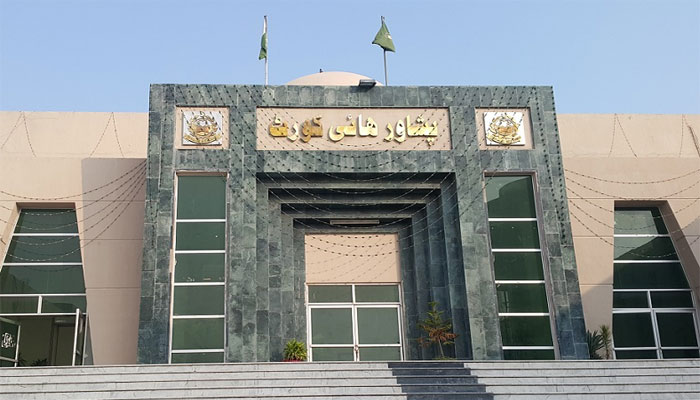
      The Peshawar High Court has issued a written judgment regarding a petition filed against the non-extension of visas for an Afghan businessman and his family members. The court has directed the relevant authorities to decide the applicant’s visa extension case within 15 days in accordance with the law. According to the written decision issued by the High Court, the petitioner is a registered taxpayer with the Federal Board of Revenue (FBR). The applicant possesses a National Tax Number (NTN) and is also a member of the Sarhad Chamber of Commerce and Industry. The court observed that the applicant has established business ties and fulfills the necessary legal requirements as a registered member of the business community. The judgment stated that the Directorate General of Immigration and Passports, Islamabad, failed to make a timely decision on the visa extension applications submitted by the petitioner. Due to the delay in processing the applications, the applicant and his family have faced difficulties and uncertainty regarding their legal status in Pakistan. The court emphasized that government authorities are required to make decisions within a reasonable period and in accordance with the provisions of the law. The judgment noted that the applicants had submitted proper applications for visa extensions after the expiry of their previous visa periods. Therefore, their pending applications should have been considered and decided promptly by the relevant department. The Peshawar High Court further directed the concerned authorities to review the pending visa extension requests and issue a detailed decision within 15 days. The court made it clear that the decision must be based on legal principles and should address all relevant aspects of the applicants’ cases. The court’s order highlights the importance of timely administrative decisions, particularly in matters involving foreign nationals who are legally residing and conducting business activities in Pakistan. Delays in such cases can create serious challenges for individuals, including difficulties related to travel, business operations, documentation, and compliance with immigration requirements. The judgment also reflects the court’s view that individuals who meet legal obligations, such as tax registration and business registration, deserve a fair and timely review of their applications. The authorities have been instructed to avoid unnecessary delays and ensure that administrative procedures are completed within the timeframe prescribed by law. The case was brought before the High Court after the applicant’s visa extension requests remained unresolved despite the submission of formal applications. The petitioner argued that the delay by immigration authorities had caused hardship for him and his family. After examining the facts of the case, the court issued directions to ensure that the pending matters are resolved without further delay. The written decision of the Peshawar High Court serves as a reminder that government departments must act efficiently and transparently when dealing with legal applications. The court’s order does not grant an automatic visa extension but requires the authorities to make a proper and lawful decision on the pending applications within the specified 15-day period.

  • | |

    Tanweer Ahmed urges AI skills, MicroCerts for yout…

    On International Youth Day 2026, American-Pakistani businessman and analyst Tanweer Ahmed called for greater investment in young people and highlighted ACT AI and MicroCerts as key initiatives for preparing Pakistan’s youth for an artificial intelligence-driven global economy. Addressing a Youth and AI Summit at the United Nations, Ahmed said artificial intelligence was transforming education, employment, entrepreneurship, healthcare, public services and almost every aspect of modern economies. He stressed that young people should not be treated merely as beneficiaries of development but as innovators, decision-makers, entrepreneurs and leaders capable of shaping the future. “Talent is everywhere. Opportunity is not,” Ahmed said, emphasising the need to close the gap between young people who have access to advanced technology and those who remain excluded from the digital economy. ACT AI initiative Ahmed placed particular emphasis on ACT AI — Awareness, Competency and Tools Training for Artificial Intelligence — describing it as an important effort to expand practical AI capabilities among Pakistani youth. He said the initiative, associated with the state-owned enterprise AXI, focuses on areas including generative AI, agentic AI systems, AI-powered productivity tools, automation and sector-specific applications. According to Ahmed, one of the initiative’s major strengths is accessibility. Young people from different academic backgrounds can develop AI-related capabilities without necessarily having prior programming or artificial intelligence experience. He said making AI education accessible and free of cost could help ensure that Pakistani students and young professionals are not left behind as the global economy rapidly adopts AI. Ahmed argued that young people should acquire the ability not only to use artificial intelligence but also to understand, question, develop and responsibly apply the technology. MicroCerts to strengthen youth credentials Ahmed also placed strong emphasis on MicroCerts, describing micro-certifications as an important complement to traditional university degrees. He said rapidly changing technology means education can no longer end when a student completes a conventional degree. Young people need flexible opportunities to continuously acquire and demonstrate new, market-relevant skills. According to Ahmed, MicroCerts can provide focused credentials that demonstrate specific competencies and potentially create pathways into employment, freelancing, entrepreneurship, higher education and lifelong learning. He highlighted the importance of making such credentials accessible to young people facing financial or geographical barriers. “The future should not belong only to those who can afford opportunity,” Ahmed said, stressing that skills and credentials should be available to talented young people regardless of where they live or their economic circumstances. From AI users to AI creators Ahmed called for a shift from preparing young people simply to consume AI tools toward enabling them to become AI creators, innovators and responsible leaders. He said technology must be combined with human judgment, ethics and responsibility, warning that artificial intelligence cannot replace compassion, character or the human responsibility to determine the kind of society people want to build. He also called for stronger international cooperation between governments, universities, businesses, technology companies and international organisations to expand AI education and establish credible skills and certification systems. Ahmed said Pakistan could contribute to this global effort through initiatives such as ACT AI and MicroCerts, which he described as mechanisms for developing practical AI capabilities and recognised skills among the country’s youth. He further stressed that the expansion of AI infrastructure must be accompanied by environmental responsibility because data centres, cloud computing and AI systems require significant energy and resources. Addressing young people around the world, Ahmed urged them to learn and question emerging technologies, use AI to solve real-world problems and build businesses and communities with a clear sense of purpose.

  • | |

    Central Ruet-e-Hilal Committee meets to sight Rabi…

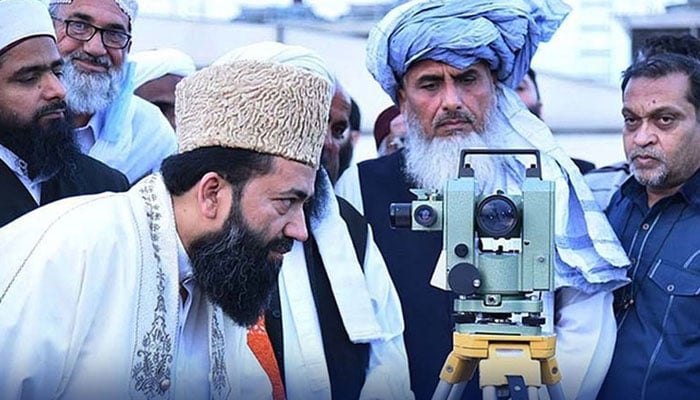
    The meeting of the Central Ruet-e-Hilal Committee to sight the moon of Rabi-ul-Awwal 1448 AH is underway in Islamabad. The meeting is being held at the Ministry of Religious Affairs’ Kohsar Block under the chairmanship of Central Ruet-e-Hilal Committee Chairman Maulana Abdul Khabir Azad. Meanwhile, the Pakistan Space and Upper Atmosphere Research Commission (SUPARCO) has predicted that the Rabi-ul-Awwal moon is unlikely to be sighted today. According to SUPARCO, the chances of sighting the moon are very low as it will be approximately 20 hours and 53 minutes old at sunset. SUPARCO said Rabi-ul-Awwal 1 is likely to fall on Saturday. However, the Central Ruet-e-Hilal Committee is the competent authority to make the final announcement regarding the sighting or non-sighting of the moon.

  • | |

    Peshawar High Court orders inquiry into missing ci…

      The Peshawar High Court has issued a written order on a petition seeking the recovery of a missing citizen and directed the Capital City Police Officer (CCPO) to conduct a detailed inquiry into the matter. According to the written order, the CCPO has been instructed to appoint an inquiry officer to investigate the disappearance. The court specifically directed that the officer appointed for the inquiry must be of at least the rank of inspector, ensuring that the investigation is conducted by a senior police official. The court also issued several directions regarding the collection of evidence. It ordered the investigating officer to obtain CCTV footage from a private petrol station where the petitioner and his brother were present at the time of the incident. The footage is expected to help establish the circumstances surrounding the citizen’s disappearance and identify any individuals who may have been involved. The court further directed the authorities to record the statement of the petitioner and collect all available evidence related to the case. The inquiry officer has been instructed to examine the facts thoroughly and ensure that no relevant piece of evidence is overlooked during the investigation. The Peshawar High Court ordered that the inquiry be completed within one month and that a detailed report be submitted to the court after its conclusion. The deadline was set to ensure that the investigation proceeds without unnecessary delay and that the family receives information about the whereabouts of the missing citizen. The written order stated that the petitioner and his brother were present at a private petrol pump when the incident allegedly occurred. According to the petitioner’s account, his brother was taken to an unknown location on May 15. Since then, his whereabouts have reportedly remained unknown, prompting the petitioner to approach the high court seeking his recovery. The court also took note of the position presented by the police during the proceedings. According to the written order, the Station House Officer (SHO) of Chamkani Police Station rejected the allegations concerning the disappearance of the petitioner’s brother. Despite the SHO’s denial, the high court considered it necessary to order a formal inquiry and directed senior police authorities to investigate the matter independently. The court’s directions include examining CCTV footage, recording statements and gathering all relevant evidence to determine what happened to the missing citizen. The inquiry is expected to establish the circumstances surrounding the disappearance and determine whether further legal action is required. By directing the CCPO to appoint an officer of inspector rank or above, the court has emphasized the need for a serious and transparent investigation. The authorities have been given one month to complete the inquiry and submit their findings before the court. The case will proceed based on the report and evidence collected during the investigation.

  • | | |

    New Indian chargé d’affaires takes charge in Pa…

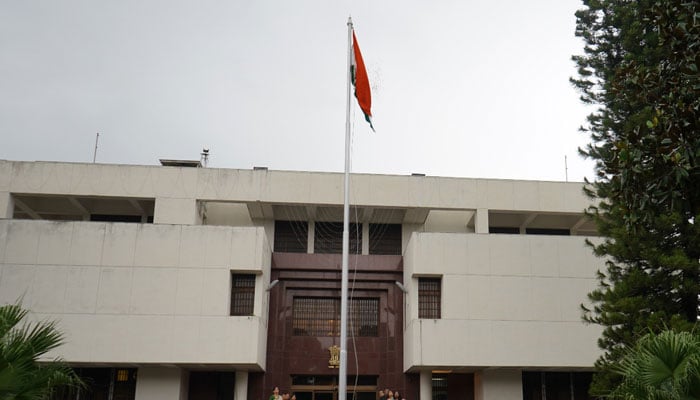
    Dr. Styanjal Pandey has formally assumed his responsibilities as the new Indian chargé d’affaires in Pakistan. He will serve as the head of the Indian High Commission in Islamabad. Pandey took charge of the position on August 1, 2026, according to diplomatic sources. His appointment comes after the completion of the tenure of former Indian chargé d’affaires Geetika Srivastava. Srivastava has completed her diplomatic assignment in Pakistan and has returned to India. After assuming his new responsibilities, Pandey also visited Pakistan’s Ministry of Foreign Affairs in Islamabad. During the visit, he held a formal meeting with Sajjad Haider, Director General for South Asia at the Foreign Office. The meeting was part of his initial diplomatic engagements after taking charge of the Indian mission. Pandey also met other relevant officials of the Ministry of Foreign Affairs. The meetings focused on diplomatic engagement and matters concerning bilateral relations between Pakistan and India. Pandey’s arrival marks a change in leadership at the Indian High Commission in Islamabad at a time when relations between the two neighbouring countries remain closely watched. As chargé d’affaires, he will oversee the functioning of the Indian diplomatic mission in Pakistan and represent New Delhi in official diplomatic engagements. Diplomatic sources said Pandey has begun his official engagements following his appointment. His meetings with Pakistani officials are expected to provide an opportunity for continued diplomatic communication between the two countries. The Indian High Commission in Islamabad plays a key role in maintaining official contacts between Pakistan and India.

  • | |

    Pinky’s account received Rs300m in one year: Sin…

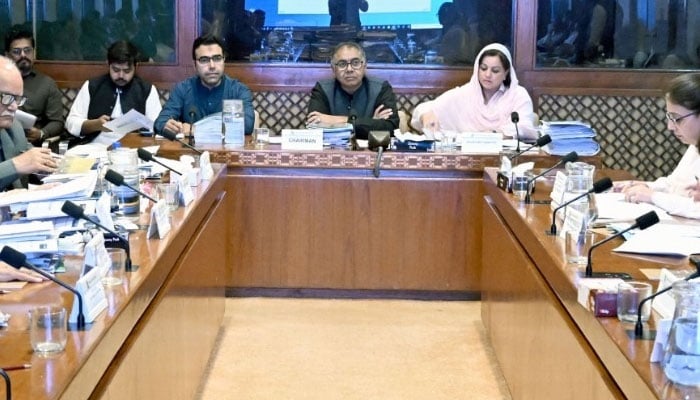
    Sindh Additional Inspector General (AIG) Azad Khan has told the Senate Standing Committee on Interior that a bank account allegedly linked to drug case suspect Anmol alias Pinky received around Rs300 million within a year. Briefing the committee, Azad Khan said one transaction involving the account amounted to Rs290 million. He added that financial data involving transactions worth around Rs1 billion had so far emerged during the investigation. The briefing was given at a meeting of the Senate Sub-Committee on Interior, chaired by Senator Saifullah Abro. According to the Sindh police official, 10 people have been challaned in connection with the Anmol alias Pinky case. He said two individuals were allegedly operating accounts linked to the suspect and were running their activities from Lahore. The AIG also identified a suspect named Sameer as an alleged associate of Anmol. Azad Khan said another suspect, identified as Aqib, was allegedly running the network in Karachi. He added that two women were also allegedly part of the network and worked as riders for Pinky. According to the briefing, some African nationals allegedly supplied cocaine to the network. The Sindh police official further said investigators had identified 25 riders allegedly associated with the network. He said investigations were continuing into accounts allegedly held in the names of other individuals but believed to be linked to Anmol. Azad Khan also commented on the scale of the alleged drug network. He said media attention had created significant public discussion around the case, but claimed that Anmol was not among the largest drug suppliers. During the meeting, Senator Saifullah Abro questioned the AIG about statements made by Minister of State for Interior Talal Chaudhry regarding the case. Abro asked whether the minister had contacted the Sindh police in connection with Anmol alias Pinky. Azad Khan replied that the Minister of State for Interior had not contacted the police regarding the matter. The committee also discussed other issues related to law enforcement and ongoing investigations in Sindh. Senator Abro raised concerns over alleged corruption involving provincial ministers and referred to several major development projects, including the Yellow Line and Blue Line projects. He also mentioned the arrest of Zameer Abbasi during the discussion.

  • | |

    Senate Committee rebukes FBR official over failure…

      A subcommittee of the Senate Standing Committee on Interior reprimanded a Federal Board of Revenue (FBR) official during a meeting after the official failed to provide the records and details sought by the committee. During the meeting, Committee Chairman Saifullah Abro expressed strong displeasure over the FBR official’s failure to submit the required information. Questioning the official’s position, Abro asked, “Are you even above the prime minister?” He further warned the official not to attempt to avoid the committee’s questions by giving explanations about the board’s internal procedures.   Abro made it clear that the committee expected the FBR to provide the requested information instead of offering excuses or referring to internal matters. He stressed that parliamentary committees have the authority to seek information from government departments when investigating matters of public importance. The chairman particularly sought details regarding certificates issued by the FBR to cigarette manufacturing companies. He said the committee should be provided with complete information about the certificates issued by the tax authority and the companies that received them.   “Details of the certificates issued by the FBR to cigarette companies must be provided,” Abro said during the meeting. He indicated that the committee wanted to examine the record and determine the circumstances under which the certificates had been issued. The matter came under discussion as the committee reviewed information concerning cigarette companies and the relevant government records. The failure to provide the requested documentation prompted the committee leadership to take a tougher stance toward the concerned officials. During the meeting, the committee also issued directions to officials of the Federal Investigation Agency (FIA). The committee instructed FIA authorities to initially issue notices to 108 companies as part of the proceedings. The notices are expected to seek information and clarification from the companies regarding matters under investigation by the committee. The move indicates that the committee intends to broaden its examination and obtain information directly from the companies concerned rather than relying solely on government departments. Abro also warned the officials against forcing the committee to escalate the matter to the highest level of government. Addressing the authorities, the committee convener said, “Do not force us to write to the prime minister.” His remarks reflected the committee’s frustration over what it considered a lack of cooperation from the relevant authorities. The chairman emphasized that government institutions should respond to parliamentary oversight mechanisms and provide the information requested by lawmakers. The committee’s proceedings highlight the role of parliamentary oversight in examining the functioning of government departments and ensuring transparency. By seeking details of certificates issued to cigarette companies and directing the FIA to issue notices to 108 companies, the subcommittee appears to be pursuing a broader inquiry into the matter. The committee is expected to review the information obtained from the FBR, FIA and the companies concerned in subsequent meetings. Further action could be considered after the requested records and responses are submitted. The strong remarks by Saifullah Abro also signal that the committee may escalate the issue if government departments continue to withhold or delay the provision of information. For now, the FIA has been directed to proceed with notices to the 108 companies, while the FBR is expected to provide details of the certificates issued to cigarette manufacturers.

  • | |

    Former Sindh MPA seeks case against ex-wife over a…

    Former Sindh Assembly member Ghulam Rasool Anr has approached a court seeking registration of a case against his former wife over alleged fraud, blackmail and death threats. In his petition, Anr said he first became acquainted with the woman through social media. He claimed that whenever he asked her to show her face, she would send him images allegedly generated using artificial intelligence. According to the petitioner, the two got married through a video call on February 23 this year. He said the woman was wearing a veil even on the day of the marriage. Anr claimed that after the marriage, he saw the woman in person and found her appearance completely different from the pictures she had previously sent him. He said that after seeing her face, he distanced himself from her and subsequently divorced her on August 9. The former lawmaker further alleged that following the divorce, the woman began blackmailing him and allegedly threatening to kill him. He has asked the court to direct police to register a case against his former wife and take legal action over the allegations. The court has issued a notice to the police and sought a report by August 17. The allegations contained in the petition have yet to be established in court.