تازہ ترین

  • | |

    Momina Iqbal’s romance with husband sparks online reactions

    Pakistani actress Momina Iqbal has once again attracted attention on social media after a romantic exchange with her husband, Hamza Malik, was shared online. The actress, who has appeared in several popular television dramas, frequently shares pictures and videos from her personal life with her followers. Momina and Hamza recently came into the spotlight after sharing affectionate posts following their wedding celebrations. In a recent social media interaction, Hamza commented on his wife’s appearance and asked her why she looked so beautiful. Momina responded with a playful reply, attributing her appearance to his influence. The exchange quickly gained attention online, with screenshots and reactions circulating among social media users. While some followers viewed the interaction as a light-hearted display of affection between the couple, others criticised the public nature of their romantic exchanges. Several users described the comments as excessive and said they were uncomfortable with the couple’s frequent displays of affection on social media. Some social media users also accused the couple of being overly dramatic, while others dismissed the exchange as harmless banter between a newly married couple. The mixed response has once again highlighted the contrasting reactions celebrities often receive when they share aspects of their private lives online. Momina has maintained an active presence on social media and regularly gives fans glimpses into her professional and personal life. Her recent marriage and posts with Hamza have generated considerable discussion among followers, with many fans also expressing support for the couple

  • | | |

    Prolonged Iran mission puts US sailors under pressure

    The prolonged deployment of the US aircraft carrier USS Abraham Lincoln in connection with the Iran conflict has raised concerns over the mental health and wellbeing of personnel serving aboard the vessel. US media reports say several sailors allegedly attempted to jump overboard during the carrier’s extended deployment in the region. According to reports, the carrier has remained at sea for more than 250 days, with around 5,000 sailors and Marines reportedly deployed aboard the vessel. The long period without a regular port visit has reportedly placed additional pressure on crew members. A sailor’s wife was quoted as saying that her husband attempted to jump from the carrier after struggling with the impact of prolonged and continuous duty. Reports also claim that crew members intervened in several incidents and prevented personnel from going overboard. The reports have raised wider concerns about the conditions faced by sailors during the extended deployment. Some US media outlets have also reported shortages of food and other basic supplies aboard the carrier. The situation has prompted US lawmakers to call for an investigation into the reported incidents and the overall conditions aboard the ship. Senators have sought information about the deployment, including the mental health of personnel, crew fatigue, living conditions and the impact of the prolonged mission on operational readiness. The US Navy, however, has rejected claims of a rise in suicide attempts or mental health problems among personnel aboard the carrier. The Navy has maintained that it continues to monitor the wellbeing of sailors and provide appropriate support during the deployment. The USS Abraham Lincoln’s extended mission comes amid continuing US military operations and heightened tensions involving Iran and the wider Middle East. The carrier’s unusually long deployment has also sparked questions about how long the US Navy can maintain such an operational tempo without affecting crew welfare, equipment maintenance and future readiness. The reported incidents have intensified scrutiny of the human cost of prolonged military deployments, particularly for personnel spending months at sea without regular opportunities for rest and recovery

  • |

    Lala Rukh predicts Rajab Butt’s second marriage soon

    Rajab Butt is once again at the centre of social media attention after astrologer Lala Rukh made a surprising prediction about his personal life. The popular YouTuber is among Pakistan’s most followed digital creators and frequently makes headlines because of his controversies, public disputes and ongoing marital issues. Rajab has been facing considerable speculation surrounding his relationship with his wife, Emaan Fatima. Although the couple are still legally married, questions about their relationship and the possibility of a second marriage have continued to circulate online. The subject has now gained renewed attention following a prediction made by Lala Rukh. The astrologer recently shared a series of predictions in which she reportedly claimed that Rajab Butt could have a future connection with the Sistrology family. Her comments quickly caught the attention of social media users because of the unexpected nature of the prediction. Sistrology is a well-known YouTube family made up of sisters who have built a strong following through their lifestyle and family-oriented vlogs. Over the years, the sisters have become familiar faces within Pakistan’s digital creator community and have collaborated or appeared alongside several prominent influencers. The group is also known to have close connections with other popular social media personalities, including Ducky Bhai and Aroob Jatoi. Their frequent appearances with major names from Pakistan’s influencer community have helped them maintain a strong presence on social media. According to Lala Rukh’s latest prediction, there could be a union between the Rajab Butt family and the Sistrology family. She reportedly suggested that Rajab’s second marriage could take place within the Sistrology family, sparking widespread curiosity among viewers. The prediction is particularly notable because Lala Rukh had previously made claims about Rajab’s marriage to Emaan Fatima. She had reportedly predicted that the couple would eventually separate, while discussions surrounding their relationship have since moved towards legal proceedings. Following the latest prediction, social media users were quick to share their reactions. Many appeared surprised by the possibility, while others questioned whether the astrologer’s prediction would eventually prove accurate. One social media user commented that the Sistrology sisters “have high standards,” while another responded with the phrase “Dhur Fitay Moo.” Others took a more neutral approach and suggested waiting to see whether the prediction actually comes true. For now, Lala Rukh’s claim remains only a prediction, and there has been no confirmation from Rajab Butt or anyone from the Sistrology family regarding the possibility of such a relationship or marriage. Nevertheless, the statement has once again placed Rajab’s personal life in the spotlight and generated considerable discussion across social media. As speculation continues, fans will likely be watching closely for any response from Rajab, Emaan or the Sistrology family. Until then, the prediction remains unverified and should be treated as speculation rather than a confirmed development.

  • |

    Pakistan, Belarus agree to expand agricultural trade through online B2B platforms

    ISLAMABAD: Pakistan and Belarus have agreed to strengthen agricultural and food-sector cooperation by facilitating online business-to-business (B2B) engagements between companies from the two countries. The understanding was reached during a meeting between Federal Minister for National Food Security and Research Rana Tanveer Hussain and Belarusian Deputy Minister of Agriculture and Food Yakovchits Aleksander. The discussions focused on expanding bilateral trade, improving business-to-business connectivity and creating new opportunities for cooperation in agriculture and food-related sectors. Under the proposed initiative, businesses and relevant organisations from Pakistan and Belarus will be encouraged to participate in online B2B meetings. The sessions are expected to connect exporters, importers and other industry stakeholders and help them explore potential commercial partnerships. The two countries identified a number of products with potential for increased bilateral trade, including seafood, citrus fruits, mangoes, fruit puree, potatoes, seeds and dairy products. Greater business connectivity in these areas could help companies explore new markets and diversify trade opportunities. Focus on Agricultural Exhibitions Pakistan and Belarus also agreed to encourage greater participation by businesses and agricultural stakeholders in food exhibitions, trade fairs and other industry events held in both countries. Such events will provide companies with opportunities to showcase their products, establish business contacts, develop partnerships and explore investment opportunities. The initiative is also expected to help strengthen direct commercial links between businesses operating in the agricultural and food sectors. The two sides further agreed to facilitate reciprocal visits by agricultural trade and business delegations. These exchanges are aimed at encouraging investment, sharing technical expertise and identifying areas where companies and institutions from both countries can work together. Cooperation in Fish Farming The meeting also discussed prospects for cooperation in fisheries, particularly fish farming and aquaculture. Both sides agreed to promote the exchange of knowledge, technology and best practices in the sector. Cooperation in this area could support the adoption of modern aquaculture techniques while providing opportunities for technical collaboration and investment. The initiative is expected to contribute to the development of more efficient fish-farming practices and strengthen cooperation between relevant institutions and businesses in Pakistan and Belarus. Proposal for Agricultural Machinery Testing Centre During the meeting, Rana Tanveer Hussain proposed the establishment of a universal agricultural machinery testing facility or centre at the Pakistan Agricultural Research Council (PARC), with financial and technical assistance from Belarus. The proposed centre would provide a platform for testing agricultural machinery and assessing its suitability for use in Pakistan’s farming sector. The Belarusian side took note of the proposal and agreed to examine the initiative further. As part of the process, the two sides agreed to conduct a detailed assessment of the proposed facility. This will include identifying the machinery and equipment required for the centre and evaluating locations suggested by Pakistan for establishing machinery testing stations. Pakistan and Belarus also agreed to facilitate exchange visits by highly qualified technical experts by the end of 2026. The visits are expected to help specialists assess technical requirements, exchange expertise and explore practical mechanisms for implementing the proposed cooperation. Pakistan Seeks Practical Outcomes Rana Tanveer Hussain emphasised the need to transform bilateral cooperation into practical commercial, technological and institutional results. He said Pakistan was interested in expanding its engagement with Belarus in emerging areas of agriculture and food security, while creating greater opportunities for farmers, businesses, investors and technical experts. The minister highlighted the importance of stronger institutional and private-sector linkages to ensure that agreements between the two countries translate into tangible economic benefits. Both sides expressed satisfaction with the growing cooperation between Pakistan and Belarus and reaffirmed their commitment to expanding collaboration in agriculture, food trade, fisheries, technology and agricultural machinery.

  • |

    EU to end automatic GSP+ extension from 2027, Pakistan told to submit fresh action plan

    ISLAMABAD: The European Union (EU) is set to introduce a revised mechanism for extending its Generalised Scheme of Preferences Plus (GSP+) trade facility from January 2027, under which beneficiary countries will no longer receive an automatic extension. The Commerce Ministry informed the National Assembly Standing Committee on Commerce on Wednesday that Pakistan would have to formally seek continuation of the GSP+ facility and submit an action plan covering its commitments under 32 United Nations conventions. Commerce Secretary Jawad Paul briefed the committee that the new GSP+ framework would come into force in January 2027, followed by a two-year transition period. During this period, countries benefiting from the scheme will be required to prepare and submit their respective plans, which will subsequently be assessed by the European Union. According to the secretary, the EU’s assessment of Pakistan contains both positive observations and areas of concern. Among the issues highlighted by the European bloc is the human rights situation in Pakistan, along with security and climate-related challenges. The briefing was given during a meeting of the National Assembly Standing Committee on Commerce chaired by Jawad Hanif. Members including Asad Alam Khan Niazi, Khurshid Ahmed Junejo, Shaista Pervaiz, Dr Ramesh Kumar Vankwani, Tahira Aurangzeb, Mir Amir Magsi, Dr Mirza Ikhtiar Baig and Kiran Haider attended the meeting. EU concerns discussed The committee asked the Commerce Ministry to explain the concerns raised by the European Union in its latest assessment of Pakistan and their possible implications for the country’s trade interests. Jawad Paul said the EU report had acknowledged the difficult circumstances Pakistan was facing, particularly in terms of security challenges, economic pressures and climate-related disasters, including floods. These factors, he said, had affected the country’s capacity to fully implement various commitments. He urged members of parliament to present Pakistan’s perspective during their engagements with European Parliamentarians and other EU representatives. The secretary maintained that Pakistan’s circumstances should be taken into account while evaluating the country’s performance under the GSP+ framework. He said the government needed to undertake fundamental measures to address the challenges identified by the EU while also ensuring that Pakistan’s position was effectively communicated to European stakeholders. The committee also expressed concern over the repeated absence of the Commerce Minister from its meetings and conveyed its displeasure over the matter. Tariff reforms aimed at boosting exports The meeting also reviewed the government’s tariff reforms and their impact on industrial competitiveness and exports. Committee members questioned whether exporters would be required to commit to specific export targets in return for government support. The committee chairman clarified that the measures being introduced should not be viewed simply as incentives for exporters, arguing that reductions in duties and taxes were intended to lower production costs and improve Pakistan’s competitiveness in international markets. Officials from the Commerce Ministry said the government had been pursuing a policy of reducing tariff protection and lowering the cost of imported raw materials. The objective, they said, was to enable domestic industries to become more competitive and increase their presence in international markets. As part of the reforms, tariffs on around 2,000 tariff lines were reduced last year to make raw materials and other industrial inputs available at lower prices. The secretary said tariff reforms were being implemented under the National Tariff Policy and that the government had provided an estimated Rs160 billion benefit to industry and exporters during the previous year. For fiscal year 2026-27, another Rs120 billion has been earmarked under the relevant support measures. According to the Commerce Ministry, the previous Rs120 billion package was associated with a $1.27 billion increase in exports during 2025-26. Jawad Paul acknowledged that the tariff changes could initially result in higher imports as industries gained access to cheaper inputs and machinery. However, he argued that the trade imbalance could gradually improve as increased industrial production translated into stronger exports. Committee seeks review of Pakistan-China trade agreement The standing committee also raised concerns over Pakistan’s trade deficit with China and identified the China-Pakistan Free Trade Agreement (CPFTA) as an issue requiring closer examination. Members asked the Commerce Ministry to provide a detailed presentation on the agreement’s impact on Pakistan’s exports, imports and overall trade balance. The committee also sought an update on the latest trade discussions between Pakistan and the United States. The Commerce Secretary assured members that a detailed briefing on the matter would be provided in an in-camera session. Export Development Fund restructuring reviewed The committee separately examined the restructuring of the Export Development Fund (EDF). Officials told the meeting that the management and decision-making structure of the fund had been moved towards greater private-sector participation, with leading exporters being given a more significant role in determining spending priorities. The committee welcomed the shift towards projects that have a direct and measurable connection with export growth rather than conventional infrastructure-focused initiatives. Members also reviewed the allocation of 40% of the Export Finance Scheme (EFS) portfolio for small and medium-sized enterprises (SMEs). They stressed that smaller businesses should have fair and sufficient access to export financing so that they can participate more effectively in international trade. Pakistan Reinsurance Company performance discussed The committee also reviewed the performance and investment strategy of Pakistan Reinsurance Company Limited (PRCL). Members were informed that the company retained nearly 30% of its risk domestically, while approximately 70% was placed in international reinsurance markets, including London, Dubai and Singapore. The committee chairman called for careful management of the company’s financial resources and urged officials to explore opportunities to improve returns without compromising risk-management standards. Proposed amendments for Karachi Chamber examined The committee considered the Trade Organizations (Third Amendment) Bill, 2026, a Private Member’s Bill seeking amendments to the Trade Organizations Act in relation to the Karachi Chamber of Commerce and Industry (KCCI). During the discussion, members examined the special status of KCCI and proposed exemptions from certain district-related provisions. The chairman directed that the proposed amendments be drafted in appropriate legal language in consultation with the Ministry of Commerce and the Ministry of Law and Justice

  • |

    Gold prices hold near two-month high as traders await US PPI data

    Gold prices remained largely stable near their highest level in more than two months on Thursday, as investors paused to assess the metal’s recent gains following softer-than-expected signals from US inflation data. Spot gold was trading at around $4,408.55 per ounce by 0336 GMT, little changed from the previous session. The precious metal had earlier climbed nearly 1%, reaching its highest level since June 5. Meanwhile, US gold futures for December delivery were broadly steady at $4,467 per ounce. The latest movement came after gold staged a strong rally following the release of US consumer inflation figures. Investors are now turning their attention to the US Producer Price Index (PPI), due later on Thursday, which could provide further indications about the direction of monetary policy and interest rates. Tim Waterer, chief market analyst at KCM Trade, said gold was undergoing a period of consolidation after its gains following the consumer price data. He noted that expectations for a Federal Reserve rate hike had weakened further, while traders were waiting for the PPI report before making significant new moves in the market. US Inflation Cools Market sentiment was influenced by Wednesday’s US Consumer Price Index (CPI) figures, which showed that inflation moderated for a second consecutive month on an annual basis. According to the US Bureau of Labor Statistics, consumer prices increased 3.4% in the 12 months through July, compared with a 3.5% rise in June. The reading was broadly in line with economists’ expectations. The data reduced expectations that the Federal Reserve would move toward higher interest rates in the near term. Market participants are now closely monitoring incoming economic indicators to determine whether price pressures are continuing to ease. According to the CME FedWatch Tool, traders were pricing in roughly a 40% probability of a Federal Reserve rate hike at the September meeting, down from approximately 54% a week earlier. Lower Rate Expectations Support Gold Gold generally benefits when expectations for interest rates decline because lower rates reduce the opportunity cost of holding the non-yielding precious metal. The shift in expectations has therefore provided additional support to bullion, although investors remain cautious ahead of further inflation data. The upcoming PPI report is expected to play an important role in determining whether the recent moderation in consumer inflation is also reflected at the producer level. A weaker-than-expected reading could further reinforce expectations for a less aggressive Federal Reserve stance, potentially providing additional momentum to gold. Conversely, stronger producer inflation could revive concerns about persistent price pressures and limit gains in the precious metals market. Geopolitical Risks Remain in Focus Investors are also keeping an eye on geopolitical developments, particularly tensions between Iran and the United States. A senior Iranian source said Tehran and Washington remained divided over efforts to reach a permanent agreement to end the conflict in the Gulf. According to the source, there had been no significant progress in negotiations aimed at reviving an interim agreement reached in June. Continued geopolitical uncertainty can contribute to demand for safe-haven assets such as gold, although market participants remain focused primarily on monetary policy and economic data. Other Precious Metals Elsewhere in the precious metals market, spot silver rose around 0.3% to $65.47 per ounce. Silver had reached its highest level since June 22 during the previous session. Platinum prices declined 0.4% to $1,749.70 per ounce, while palladium fell 0.5% to $1,362.10.

  • |

    NEPRA seeks Rs34bn recovery from power consumers as industrial sector opposes tariff hike

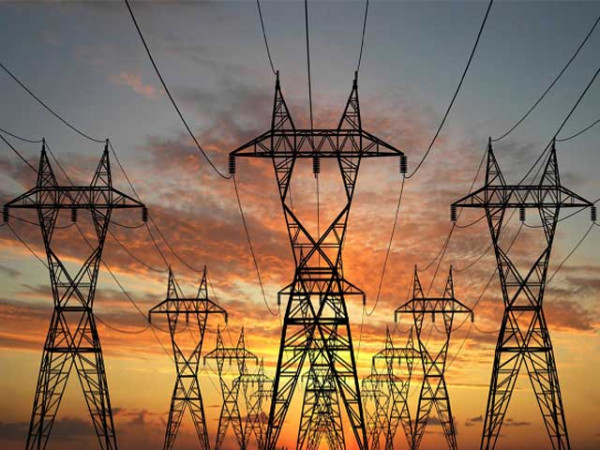
    ISLAMABAD: The federal government has proposed recovering around Rs34 billion from consumers of distribution companies (Discos) and K-Electric through the quarterly tariff adjustment (QTA) for April-June 2026, translating into an estimated increase of Rs1.34 per unit. The proposed adjustment has been attributed largely to higher capacity-related costs resulting from a decline in electricity consumption during the quarter. However, representatives of the industrial sector have strongly opposed the proposed increase, arguing that businesses are already facing high electricity costs and cannot absorb another financial burden. The National Electric Power Regulatory Authority (NEPRA) held a public hearing on Wednesday to examine the QTA request, during which representatives of industries, power distribution companies and the government presented their positions. Initially, the power distribution companies had requested an adjustment of Rs23.031 billion for the second quarter of fiscal year 2026 under the QTA mechanism. The amount was later revised upward to Rs33.778 billion. According to the figures presented before NEPRA, the largest component of the proposed adjustment is related to capacity charges, amounting to Rs46.280 billion. Variable operation and maintenance costs account for another Rs4.936 billion. The calculation also includes a negative adjustment of Rs13.517 billion related to Use of System Charges (UoSC) and the Market Operator Fee (MOF), which partially offsets the overall increase. Similarly, Rs3.040 billion has been included to account for the impact of transmission and distribution losses on monthly Fuel Charges Adjustments (FCA). A further negative adjustment of Rs21.175 billion has been made under the incremental consumption package. The distribution companies have also claimed Rs14.211 billion for costs relating to Small Power Producers (SPPs) and Captive Power Producers (CPPs) that they say remained unrecovered. Industrial sector voices concern During the hearing, industrial representatives raised strong objections to the proposed QTA adjustment, warning that another increase in electricity prices could further weaken the competitiveness of Pakistan’s manufacturing sector. Rehan Javed, Aamir Sheikh and Tanveer Barry conveyed their concerns to NEPRA officials in the presence of representatives from the Ministry of Energy and the distribution companies. The representatives argued that industries were already operating under considerable cost pressures and that any additional increase in electricity tariffs would raise production expenses and make it more difficult for local businesses to compete in domestic and international markets. Tanveer Barry, representing the Karachi Chamber of Commerce and Industry (KCCI), particularly questioned the sharp rise in capacity-related charges. According to Barry, capacity charges had increased from around Rs36 billion in the first quarter to more than Rs50 billion in the period under review. He said the increase could ultimately translate into a much larger financial burden for consumers. He estimated that the combined impact could place an additional burden of approximately Rs3.50 per unit on consumers, depending on the final adjustment approved by the regulator. Barry also pointed out that eight distribution companies had reported positive capacity charges, while three had recorded negative adjustments. He urged NEPRA to examine the calculations and underlying reasons for the variations before approving any additional burden on consumers. Lower electricity demand Officials of the Peshawar Electric Power Company (Pesco) told the hearing that electricity consumption had fallen by approximately five per cent during the period under review. They attributed much of the decline to weaker demand from domestic and commercial consumers. Increasing adoption of solar energy was also cited as one of the factors reducing demand from residential consumers. NEPRA Member Maqsood Anwar Khan questioned Pesco officials about whether load-shedding was also being carried out in areas where consumers regularly paid their electricity bills. The Pesco representatives acknowledged that load-shedding was taking place. Maqsood Anwar Khan observed that interruptions in electricity supply could themselves contribute to lower electricity sales, as consumers would naturally use less grid electricity when supply was unavailable. Solarisation becomes key point of debate The growing use of solar power also featured prominently during the hearing. The NEPRA member noted that the expansion of solar generation had provided relief to the national electricity system by reducing daytime demand from the grid. He observed that without the contribution of solar energy, pressure on the power system and the need for daytime load management could have been considerably greater. He further noted that increasing solarisation was shifting the pattern of load-shedding, with pressure becoming more visible during night-time hours when solar generation was unavailable. The NEPRA member also disagreed with the assertion that solarisation alone was responsible for a decline in electricity sales, maintaining that the impact of rooftop and distributed solar generation should be assessed in a broader context. Industry questions capacity payments Industrial representatives also questioned why consumers should continue to shoulder substantial capacity payments when many areas were still experiencing load-shedding. Barry argued that consumers were effectively being asked to pay for electricity generation capacity while not receiving uninterrupted power supply. He further raised concerns about capacity payments being made to older and relatively inefficient power plants. According to him, the under-utilisation of generating units was contributing to higher capacity-related costs and ultimately increasing the price of electricity for consumers. The industrial sector also questioned whether the dispatch of power plants was fully aligned with the Economic Merit Order (EMO), arguing that deviations from the merit order could contribute to unnecessary costs. The representatives called on NEPRA to undertake a detailed review of the QTA calculations before reaching a final decision. They urged the regulator to defer the proposed increase, warning that higher electricity costs would place additional pressure on industries, increase production expenses and potentially undermine Pakistan’s export competitiveness. NEPRA is expected to examine the claims and objections raised during the public hearing before determining the final quarterly tariff adjustment applicable to consumers.

  • |

    Türkiye, Saudi Arabia and Pakistan to establish new defence cooperation mechanisms

    ANKARA: Türkiye, Saudi Arabia and Pakistan are set to establish new political and military coordination mechanisms following the signing of a landmark joint defence agreement, as the three countries move to strengthen strategic cooperation amid growing security concerns in the region. Türkiye’s Defence Ministry said on Thursday that the framework agreed by the three countries would bring senior political and military leadership into a structured mechanism aimed at enhancing coordination on defence and security matters. The three nations signed the Makkah Joint Defence Agreement on August 7, marking a significant development in their security relations. The agreement comes at a time of heightened tensions across the Middle East, with the escalation of regional hostilities raising security concerns among Gulf states and other countries in the region. Under the agreement, an armed attack against any one of the three countries would be treated as an attack against all members. The provision establishes a collective-defence commitment similar in principle to the collective security arrangement contained in Article 5 of the North Atlantic Treaty Organisation (NATO). High-level political and military coordination According to the Turkish Defence Ministry, the new mechanisms will involve the defence ministers, foreign ministers and military chiefs of Türkiye, Saudi Arabia and Pakistan. The arrangement is expected to provide the three countries with a regular platform for consultations on regional security developments, defence policy and potential threats. It could also facilitate closer coordination between their armed forces and government institutions. The agreement reflects the growing strategic importance of cooperation between the three Muslim-majority countries, particularly as regional security challenges continue to evolve. Joint military exercises planned The Turkish ministry also said the three countries were planning joint military exercises under the new defence framework. Such exercises could provide opportunities for their armed forces to improve interoperability, exchange operational experience and strengthen their ability to coordinate during potential security crises. Defence cooperation is also expected to extend beyond military exercises. The Turkish side said the agreement could pave the way for greater collaboration in the defence industry, including joint production, technology sharing and other forms of industrial cooperation. The expanded defence-industry partnership could allow the three countries to explore opportunities for developing and producing defence equipment together while sharing technical expertise and capabilities. Agreement follows rising regional tensions The pact was signed against the backdrop of heightened tensions in the Middle East, which have raised concerns over the security of Gulf countries and critical energy infrastructure. The escalation has also highlighted the importance of collective security arrangements and closer coordination among regional powers. For Pakistan, the agreement represents another step towards strengthening defence and strategic ties with Türkiye and Saudi Arabia. Islamabad has traditionally maintained close military and diplomatic relations with both countries. The agreement is therefore expected to broaden cooperation from traditional bilateral defence relations towards a more structured trilateral framework involving political consultations, military coordination and defence-industrial collaboration. Pakistan’s Deputy Prime Minister and Foreign Minister Ishaq Dar has also clarified the scope and intent of the Makkah agreement, stressing the nature of the arrangement and its broader security objectives. The three countries are now expected to work out the details of the new mechanisms, including the structure of ministerial consultations, military coordination and proposed joint exercises.

  • |

    Pakistan explores digital assets, tokenisation to expand access to finance

    ISLAMABAD: Pakistan is examining the potential use of digital assets and tokenisation in areas including real estate and other investment instruments as part of broader efforts to accelerate digital transformation and expand access to financial services. The matter came under discussion during a meeting between Federal Minister for Finance and Revenue Senator Muhammad Aurangzeb and Pakistan Digital Authority (PDA) Chairperson Dr Sohail Munir on Thursday. The meeting focused on digital finance, technology-driven economic activity and measures aimed at making financial services more accessible and efficient. According to the Finance Division, the participants reviewed the emerging role of digital assets and tokenisation, particularly their possible application in real estate and other investment-related assets. The discussion also stressed the need for an appropriate regulatory and institutional framework to ensure that such technologies are adopted in a responsible and sustainable manner. Tokenisation generally involves representing ownership or economic rights in an asset through digital tokens. The approach has attracted growing international attention because it can potentially make certain investment opportunities easier to access, improve transaction efficiency and broaden participation in financial markets. The finance minister stressed that Pakistan’s regulatory and institutional arrangements must keep pace with rapid developments in digital technology and new business models. He emphasised that emerging technologies should be supported by clear rules and mechanisms that provide certainty to businesses, investors and financial institutions. The meeting also examined the need to create an enabling environment for electronic transactions and encourage the wider adoption of digital processes across trade and financial activities. Aurangzeb highlighted the importance of using technology to reduce procedural barriers and improve access to finance. In this regard, the participants discussed simplifying customer onboarding procedures, strengthening mechanisms for sharing financial data and improving interoperability among different financial systems. Greater connectivity between banks and capital markets was also identified as an important area for development. The participants considered how digital platforms and simplified account-opening procedures could encourage more people to participate in the capital market and gain access to a broader range of investment opportunities.   The finance minister also called for stronger integration of banking and capital-market systems, noting that better-connected digital infrastructure could help improve financial inclusion while making investment processes more convenient and efficient. Another key area discussed during the meeting was the use and interoperability of data across government institutions. Aurangzeb noted that better integration of government data could improve the quality and speed of policymaking, planning and decision-making. The meeting also considered the growing role of Artificial Intelligence (AI) and other digital technologies in strengthening government systems and improving the delivery of public and financial services. The participants reviewed opportunities to enhance Pakistan’s digital infrastructure so that government departments, financial institutions and businesses can operate through more efficient and interconnected systems. Aurangzeb appreciated the initiatives being undertaken by the Pakistan Digital Authority and stressed the need to prioritise practical projects capable of delivering measurable improvements in efficiency, financial access and digital capacity. He further emphasised continued coordination among government institutions, regulators, financial-sector stakeholders and technology organisations to ensure that digital initiatives translate into tangible economic benefits. The discussions form part of wider efforts to strengthen Pakistan’s digital economy by modernising financial processes, expanding technology-based services and creating an environment in which emerging financial technologies can develop within an appropriate regulatory framework. With digital assets, tokenisation, artificial intelligence and data-driven financial services developing rapidly worldwide, Pakistan’s efforts to establish suitable frameworks could play an important role in determining how effectively the country participates in the next phase of digital financial development.

  • |

    KP cabinet approves tax exemptions for merged districts, Malakand

    PESHAWAR: The Khyber Pakhtunkhwa government has approved a package of measures aimed at providing tax relief to businesses and industries operating in the province’s merged tribal districts and Malakand Division, while also expanding welfare and education initiatives. According to Khyber Pakhtunkhwa Information Minister Shafiullah Jan, the provincial cabinet has endorsed exemptions from certain provincial taxes for service providers and industries operating in areas previously covered by the Federally Administered Tribal Areas (FATA), Provincially Administered Tribal Areas (PATA) and Malakand Division. Under the decision, service providers operating in the former FATA, PATA and Malakand areas will be exempted from provincial sales tax on services. Industries established in these regions will also receive relief from withholding sales tax. The government said the tax measures were intended to encourage investment, facilitate businesses and support economic activity in areas that have historically faced developmental and infrastructure challenges. Ehsaas Nawaz funding increased The cabinet also approved a significant increase in the financial allocation for the Ehsaas Nawaz programme. According to the information minister, the programme’s funding has been raised from Rs3 billion to Rs5 billion. The increase is expected to provide additional financial support under the government’s welfare initiatives and expand the programme’s reach among deserving segments of the population. Ashra Rahmat Lil-Aalameen programme approved The provincial cabinet also approved arrangements for observing Ashra Rahmat Lil-Aalameen (PBUH) across Khyber Pakhtunkhwa. The celebrations will formally begin from the first day of Rabi-ul-Awwal, with the cabinet approving a schedule for programmes to be organised across the province. The initiative is expected to include a range of activities aimed at highlighting the teachings, life and message of the Holy Prophet Muhammad (PBUH). Education sector measures Several decisions concerning education were also approved during the cabinet meeting. The provincial government sanctioned funds for schools and colleges in various districts to address educational requirements and improve facilities. The cabinet also approved a system for providing textbooks according to the semester system up to Grade 5. In another major education-related decision, the cabinet approved the provision of 100 percent free textbooks for students from Grade 9 to Grade 12. The measures are aimed at reducing the financial burden on students and their families while improving access to educational resources, particularly for students enrolled in government institutions. Public-private partnership legislation The cabinet further approved the Khyber Pakhtunkhwa Public Private Partnership Authority Bill 2026 for enactment. The proposed legislation is intended to establish a formal framework for public-private partnerships in the province and facilitate greater participation of the private sector in development projects. The government believes stronger public-private cooperation can help mobilise investment, improve service delivery and accelerate infrastructure development across Khyber Pakhtunkhwa.