تازہ ترین

  • | |

    Bank operation manager, accomplice arrested over K…

    KARACHI: Police have arrested two suspects in connection with the theft of cash from a private bank’s ATM on Aram Bagh Road. According to police officials, the suspects include the bank’s operations manager and one of his associates. The arrests were made during an investigation into the ATM robbery. Police said they recovered Rs29.74 million from the suspects. The recovered amount is believed to be part of the cash stolen from the ATM. Investigators said the suspects allegedly gained access to the ATM by opening its lock. They then attempted to prevent the security cameras from recording their activities. According to officials, the suspects placed chewing gum over the CCTV camera. This was allegedly done to obstruct the camera’s view and conceal the theft. Police said the suspects subsequently took around Rs53.7 million from the ATM. The involvement of the bank’s operations manager has emerged as a key development in the case. Investigators are examining how the suspects obtained access to the ATM and whether anyone else assisted them. Police are also reviewing available CCTV footage and other evidence to establish the sequence of events. The recovered cash has been taken into custody as the investigation continues. Authorities said further investigation would determine the exact role of each suspect and help identify any additional individuals who may have been involved in the theft.

  • | |

    Six Pakistani dramas that gave women powerful stories

    Pakistani television has produced many memorable female characters. Some of them stood out because they were not written simply as victims waiting to be rescued. Over the decades, several dramas showed women working, making difficult choices, facing social pressures and rebuilding their lives. These characters were ambitious, emotional and flawed. Most importantly, they were allowed to shape their own stories. Here are six dramas that created some of Pakistani television’s most memorable female leads. Ankahi (1982) Written by Haseena Moin, Ankahi introduced audiences to Sana Murad, played by Shehnaz Sheikh. Sana is confident, outspoken and determined. After her father’s death creates financial problems for the family, she decides to take responsibility. Despite having limited qualifications, she manages to secure a job after an unexpected meeting with a company chairman. Her journey through professional life becomes a mix of humour, challenges and personal growth. Sana’s character was significant because she was not defined by marriage or romance. She wanted to work and create a future for herself. Tanhaiyaan (1985) Haseena Moin’s Tanhaiyaan, directed by Shahzad Khalil, focused on two sisters who suddenly lose their parents and their family home. Played by Marina Khan and Shehnaz Sheikh, the sisters are forced to rebuild their lives independently. The drama presented women earning their own income without treating their decision to work as something unusual. Their struggles were balanced with friendship, humour and everyday challenges. That combination helped the drama remain popular long after its original broadcast. Maat (2011) Umera Ahmad’s Maat followed two sisters whose different priorities eventually take them in completely different directions. Saba Qamar played Saman, a woman strongly attracted to wealth, comfort and social status. Her sister Aiman, played by Aamina Sheikh, takes a quieter path. Aiman is repeatedly underestimated and overlooked. She faces difficult circumstances but continues building her life with patience and resilience. As the story progresses, the sisters’ fortunes change dramatically. The drama explores how ambition, relationships and personal choices can shape a person’s future. Durr-e-Shehwar (2012) Durr-e-Shehwar explored marriage from a perspective that was rarely shown without romanticising sacrifice. The central character enters marriage expecting affection and companionship. Instead, she faces emotional distance from her husband and hostility from her mother-in-law. The story is later viewed through the eyes of her daughter, Shandana. She initially believes her parents had a perfect marriage. She eventually discovers the struggles her mother endured. The drama raises questions about compromise, expectations and the sacrifices women make to preserve relationships. Digest Writer (2014) Saba Qamar played Fareeda, a young woman whose ambitions are often overshadowed by the expectations placed on her family’s son. Writing becomes Fareeda’s escape and her way of expressing herself. She begins publishing stories under the name Rashk-e-Hina. Her talent eventually attracts the attention of a television producer, giving her an opportunity to enter the drama industry. However, success does not come easily. Fareeda faces professional rivalry, betrayal and pressure from her family. The drama presents ambition as something meaningful while also showing the personal cost of pursuing a career in a difficult environment. Udaari (2016) Udaari tackled one of the most sensitive subjects in Pakistani television. The story follows Zebo, whose childhood is shattered by abuse. However, the drama does not define her entire identity through her trauma. Instead, Zebo gradually finds the courage to speak about what happened to her. Her mother also undergoes a major transformation. After realising the danger her daughter faces, she chooses to protect Zebo and rebuild their lives. Meera, a singer living nearby, also becomes an important source of support. One of the drama’s most powerful moments comes when Zebo confronts her abuser in court. Rather than accepting shame for what happened to her, she identifies herself as a survivor. Across four decades, these dramas demonstrate how Pakistani television has portrayed women in changing ways. From Sana’s determination to build a career to Zebo’s courage to seek justice, these characters were given stories beyond romance and victimhood.

  • | |

    Doctors reject FBR POS system, warn of public prot…

    Islamabad: The Pakistan Medical Association Punjab has warned the Federal Board of Revenue that doctors could launch legal action, protests and even withdraw medical services if the proposed Point of Sale system is imposed on private healthcare establishments. PMA Punjab President Dr Kamran Saeed Sheikh said the medical community was ready to fight the issue through courts, public protests, banners and awareness campaigns if its concerns were not addressed. He said the doctors could also consider token strikes or withdrawal of services. The warning came during a press conference at the National Press Club, where the PMA Punjab provincial council met in Islamabad. Doctors from different parts of Punjab discussed the FBR initiative concerning POS systems and the requirements linked to Section 175C. Dr Kamran Saeed Sheikh said doctors were not refusing to pay taxes. He stressed that the medical profession should not be treated like an ordinary business because healthcare is an essential public service. According to Dr Kamran Saeed Sheikh, the proposed system could create additional technical and financial difficulties for doctors and ultimately increase the cost of healthcare for ordinary patients. He also raised concerns about patient privacy. He said information about a patient’s illness, visits and expenses must remain confidential and should not be exposed through systems that could allow unnecessary access or monitoring. The PMA Punjab president said private healthcare providers were already paying taxes on several areas, including electricity, equipment, water, gas and buildings. He argued that adding more technical requirements could take doctors away from their main responsibility of treating patients. Dr Kamran Saeed Sheikh also warned that doctors were already leaving Pakistan and that healthcare establishments in some areas were closing rather than opening. He said further administrative pressure could make the situation worse. The PMA leadership said it had already held two meetings with the FBR and had also sent written communications explaining its position. According to Dr Kamran Saeed Sheikh, the discussions had not produced the result the doctors wanted. He said the medical community was prepared to keep all legal and democratic options open. “We will fight legal battles, go to court and protest,” Dr Kamran Saeed Sheikh said during the briefing. He also warned that doctors could come onto the streets and consider withdrawal of services if the issue was not resolved. Dr Maqsood Zahid, President Elect of PMA Punjab, also questioned whether POS technology was suitable for medical services. He argued that healthcare was different from selling ordinary products because doctors provide services that can be required at any time, including emergencies during the night. He said doctors could not stop treating an emergency patient simply because a machine was not working or an internet connection had failed. Dr Maqsood Zahid said many patients also receive treatment without paying the full amount. Some patients receive services at half rates, while others are treated free of charge. He questioned how such cases would be properly reflected through a system designed mainly around payment records. He gave the example of a hospital in Mian Channu, Khanewal, where doctors reportedly deal with many patients without charging them. He said that out of 100 patients, around 60 could be treated without receiving even a single penny, making a simple payment based system difficult to apply to real medical practice. The doctors also argued that medical treatment cannot be measured in the same way as the sale of a retail product because the cost and complexity of treatment can change from patient to patient. Dr Maqsood Zahid said the medical community was willing to discuss a suitable tax formula with the government if a system could be designed according to the realities of medical practice. The PMA representatives said doctors across the country were being represented in discussions on the issue. They said representatives from Sindh, Khyber Pakhtunkhwa, Balochistan, Karachi, Islamabad and Punjab had participated in consultations. The PMA also raised the problem of smaller clinics in remote areas. Doctors argued that poor internet services, electricity problems, shortage of technical workers and maintenance costs could create serious difficulties for clinics outside major cities. Dr Muzaffar Niazi said doctors would not accept a situation in which the medical profession was treated like a normal retail business. He said doctors were prepared to pursue legal action, demonstrations, public awareness campaigns and other forms of protest. The PMA leadership also stressed that it was not against taxation itself. Dr Maqsood Zahid said doctors were law abiding citizens and accepted that taxes were necessary to run the country. The main demand was for the government to develop a system that recognised the special nature of healthcare and did not place unnecessary financial and administrative pressure on doctors or patients. The PMA Punjab had already formally raised the issue with the FBR. In a letter dated January 20, 2025, Dr Kamran Saeed Sheikh, President PMA Punjab, asked the FBR Chairman to defer the installation of POS systems in private healthcare establishments. The letter warned that additional administrative, technical and financial requirements could increase the cost of healthcare and reduce the time available for doctors to provide medical treatment. It also pointed to problems such as unreliable electricity and internet services, shortage of technical staff and difficulties faced by small and medium sized clinics. PMA Punjab also warned in the letter that additional pressure on private healthcare could discourage young doctors and female doctors from starting private practices in remote and less developed areas and could contribute to further brain drain from Pakistan. The letter was also copied to the President of Pakistan, Prime Minister, Governor Punjab, Federal Minister for Finance and Revenue, Chief Minister Punjab, Speaker Punjab Assembly, provincial health ministers and the Chairman Punjab Health Care Commission. The PMA leadership has now made clear that the dispute is no longer limited to a technical discussion over a machine. Doctors say the issue involves taxation, patient privacy, the cost of healthcare and the ability of small clinics to continue providing services. If the disagreement remains unresolved,

  • | | |

    Free entry announced for national champions cup in…

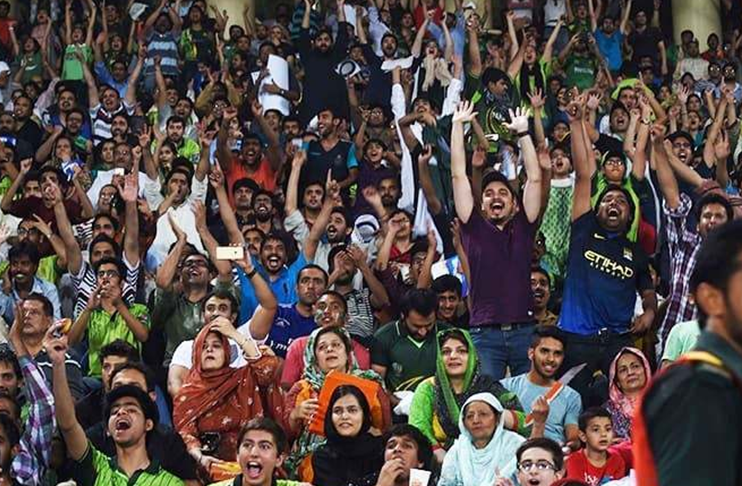
      MULTAN: The Pakistan Cricket Board (PCB) has announced free entry for cricket fans attending the upcoming National Champions Cup, which is scheduled to take place from 11 to 18 August at the Multan Cricket Stadium. The PCB confirmed the decision through an official promotional flyer shared on its social media platforms. The move is expected to encourage cricket supporters to attend the matches and watch some of the country’s leading domestic players in action. The tournament will feature seven matches all of which will be played under day-night conditions. According to the schedule, the matches are expected to begin at around 3 pm local time. The National Champions Cup is a new 50-over List-A domestic competition and will also officially mark the beginning of Pakistan’s 2026-27 domestic cricket season. Four teams will participate in the tournament: Pakistan Greens, Pakistan Whites, Pakistan Blues and Pakistan Gold. The competition will follow a single-league round-robin format meaning each team will compete against the other participating sides during the league stage. At the conclusion of the league matches, the two teams with the highest points will qualify for the final, where they will compete for the tournament title. The PCB has also finalised the playing XIs for all four teams. In addition, a 13-player reserve pool has been selected for the competition. The reserve players will remain with their respective teams during training sessions and match days. According to the PCB’s arrangements, reserve players can be included in the playing XI if a team faces an injury or concussion-related replacement requirement after announcing its original XI. This arrangement is intended to ensure that teams have adequate cover throughout the competition. The tournament will feature several prominent Pakistan players as captains. Shaheen Shah Afridi will lead Pakistan Gold, while Shadab Khan has been appointed captain of Pakistan Greens. Saim Ayub will captain Pakistan Whites, whereas Sahibzada Farhan will lead Pakistan Blues. The Champions Cup is particularly important as the PCB continues its preparations for the 2027 ICC Men’s Cricket World Cup. The board has selected a wider pool of 44 players along with reserve players, to provide opportunities for cricketers to demonstrate their abilities and strengthen their claims for future national selection. The domestic competition will therefore serve as an important platform for players seeking to establish themselves at the national level. Performances during the tournament could help the selectors assess the form, fitness and consistency of players ahead of future international assignments. With free admission, a strong line-up of players and the opening of the new domestic season, the National Champions Cup is expected to attract considerable interest from cricket fans in Multan and across Pakistan. The tournament will provide supporters with an opportunity to watch emerging and established players compete in a competitive 50-over format while the PCB continues its broader preparations for the next World Cup cycle.

  • | |

    Doctor suspended after performing laparoscopic sur…

    Islamabad: The Medical Tribunal has upheld a one year suspension of Dr Irfan Ashraf after finding that he performed laparoscopic surgery despite not completing the required training for independent laparoscopic procedures and operated at a healthcare facility that lacked an Intensive Care Unit and other essential facilities needed to deal with serious complications. The Tribunal also upheld a Rs100,000 fine and a ban preventing Dr Irfan Ashraf from performing laparoscopic procedures until he completes proper certified training. The judgment, announced on July 8, 2026, came in an appeal filed by Muhammad Zahid Niaz, whose father Niaz Ahmad died after a chain of medical treatment that began with laparoscopic surgery at Saleem Polyclinic in Mian Channu on December 31, 2016. The case took a serious turn when the disciplinary inquiry examined the actual training record of Dr Irfan Ashraf. The inquiry found that although he had taken part in laparoscopic procedures during his postgraduate training, most of his experience was as an observer or assistant. According to the judgment, Dr Irfan Ashraf had not completed the required number of procedures at the higher training levels needed to show independent surgical ability. The record showed that he had not completed even a single Level V procedure, which represents the stage at which a trainee is expected to perform laparoscopic surgery independently without supervision. The Tribunal said this was not simply a case where a normal surgical complication had occurred. The main concern was that Dr Irfan Ashraf undertook an elective laparoscopic operation without having demonstrated the required independent competence and at a facility that did not have the necessary backup facilities. The patient, Niaz Ahmad, suffered an injury to the common bile duct and hepatic vascular structures during the surgery. He was later taken to Bahawal Victoria Hospital in Bahawalpur for further treatment. He subsequently received treatment at Sheikh Zayed Hospital in Lahore and underwent an interventional radiological procedure at Lahore Medical Complex. Despite prolonged treatment at several hospitals, he died on March 4, 2017. The Punjab Healthcare Commission had earlier investigated the matter. It found that Saleem Polyclinic did not have the required infrastructure, qualified human resources and licensing needed for such surgical procedures. The Commission imposed a financial penalty on the owner of the healthcare establishment and referred the conduct of Dr Muhammad Saleem Akhtar and Dr Irfan Ashraf to the medical regulator for disciplinary action. The medical disciplinary committee later appointed Prof Dr Tanwir Khaliq, an experienced general surgeon, as an independent medical expert. He examined the medical record and assessed the standard of care, the management of laparoscopic complications and the facilities available at the clinic. Prof Dr Tanwir Khaliq concluded that the operation had been performed at a relatively small healthcare facility without an ICU and other essential backup facilities. He also found that Dr Irfan Ashraf was not sufficiently proficient in laparoscopic surgery, particularly when dealing with complications. The Tribunal noted that Dr Irfan Ashraf himself acknowledged that Saleem Polyclinic did not have an ICU or the facilities required to manage serious complications from laparoscopic surgery. The Tribunal also noted that Dr Irfan Ashraf had been working as a Senior Registrar at Bahawal Victoria Hospital, where better surgical support was available. When questioned about why the operation was carried out at the private facility, the explanation was that the patient wanted the surgery there. The Tribunal rejected this reasoning. It said a patient’s preference cannot remove a surgeon’s professional responsibility to determine whether a healthcare facility is safe enough for the planned procedure. The case also raised questions about what doctors tell patients about their professional skills. The disciplinary committee found that Dr Irfan Ashraf had represented himself as independently competent to perform laparoscopic surgery even though his training record did not show that he had completed the required independent procedures. The Tribunal said the evidence supported three major findings against Dr Irfan Ashraf. He performed an elective laparoscopic operation at a facility that could not properly manage foreseeable complications. He represented himself as independently competent despite incomplete training. He also exposed the patient to avoidable risk by choosing a facility without the necessary support instead of a properly equipped tertiary hospital. However, the Tribunal did not hold every doctor involved in the patient’s treatment responsible. Dr Muhammad Saleem Akhtar, the owner of Saleem Polyclinic, received a warning rather than a disciplinary punishment. The Tribunal found that there was no evidence that he personally performed the operation or took part in the surgical decision making. The Tribunal said ownership of a healthcare facility alone was not enough to impose the same disciplinary punishment on Dr Muhammad Saleem Akhtar as the operating surgeon. However, the warning required him to ensure that his facility was not used for procedures beyond its capacity. Dr Khurram Shafiq Khan was also cleared of professional negligence. His involvement came later, after the patient had already suffered complications from the earlier surgery. His role was connected with an embolization procedure to control bleeding from the hepatic artery. After examining his role, the disciplinary committee found no clear connection between the procedure performed by Dr Khurram Shafiq Khan and the patient’s eventual death. The Tribunal found no reason to disturb that decision. Muhammad Zahid Niaz had appealed because he believed the punishment against Dr Irfan Ashraf was too weak considering that his father’s treatment ultimately ended in death. He also wanted stronger action against Dr Muhammad Saleem Akhtar and Dr Khurram Shafiq Khan. The Medical Tribunal, chaired by Justice (Retired) Safdar Saleem Shahid, rejected the request for harsher punishment. The Tribunal said a tragic medical outcome does not automatically mean that every doctor involved was negligent. It explained that medical procedures can have known complications even when reasonable care is taken. The important question is whether a doctor failed to meet the level of skill and care expected from a competent doctor in similar circumstances. In the case of Dr Irfan Ashraf, however, the Tribunal found that the disciplinary committee had enough evidence

  • | |

    Sher Afzal Marwat backs new provinces

    Pakistan Tehreek-e-Insaf (PTI) lawmaker Sher Afzal Marwat has expressed support for the creation of new provinces in the country. Speaking to the media in Multan, Marwat said smaller administrative units were necessary for a fairer distribution of resources. He argued that the existing administrative structure should be reviewed to ensure that people in different regions receive their due share of development resources. According to Marwat, creating additional provinces could also bring governance closer to local communities. He said people living in smaller administrative units would have greater opportunities to participate in decision-making and manage their own affairs. The lawmaker stressed that local representation was important for effective governance. He maintained that smaller provinces could help authorities understand and address the specific needs of different regions. Marwat also called for support for the movement seeking the creation of smaller administrative provinces. He said the proposal should be considered as part of efforts to improve governance and ensure a more balanced distribution of resources. The debate over creating new provinces has remained a longstanding political and administrative issue in Pakistan. Supporters argue that smaller provinces could improve administration, strengthen local representation and reduce regional disparities. Opponents, however, have raised concerns about the political, constitutional and financial implications of creating new administrative units.

  • | | |

    Pakistani leaders praise Makkah Agreement as histo…

    Federal ministers, ministers of state, cabinet members and parliamentarians have welcomed the Makkah Agreement between Pakistan, Türkiye and Saudi Arabia. They described the agreement as a major step towards peace, security and stability in the region. The leaders said the agreement reflects a shared vision among the three countries. They said it could strengthen cooperation and improve regional security. Federal Minister Ahsan Iqbal said Pakistan had achieved a historic diplomatic success. He said the defence agreement could help open a new chapter of peace and stability in the region. Information Minister Attaullah Tarar also welcomed the agreement. He described it as a milestone for peace and security. He said the people had welcomed the development. Federal Minister Owais Leghari said the defence agreement between Pakistan, Saudi Arabia and Türkiye was a positive development. He said it would help strengthen the security of the three countries and contribute to peace in the region. Tariq Fazal Chaudhry said the agreement reflected the vision of the leadership of the three countries. He said it would further strengthen bilateral and trilateral relations. He added that the agreement could also promote unity among Muslim countries. He described it as a new source of hope for the Muslim world. Tariq Fazal Chaudhry said the agreement was an important step towards greater unity among Muslim countries. Amir Muqam said Pakistan was achieving significant diplomatic successes under the leadership of Prime Minister Shehbaz Sharif. Abdul Aleem Khan said the agreement would promote brotherhood and cooperation among Islamic countries. He congratulated the nation and the Muslim Ummah on the development. Minister of State Shaza Fatima said Pakistan was increasingly being recognised as a country committed to peace. She said the historic agreement would help strengthen Pakistan’s position internationally. Rana Sanaullah said signing the agreement in the holy city of Makkah was a matter of honour for Pakistan. He said the agreement between the brotherly countries could create new opportunities for peace and cooperation. He also praised the efforts of Prime Minister Shehbaz Sharif and Field Marshal Asim Munir in making the agreement possible. Sanaullah said stronger cooperation among Muslim countries could contribute to their development and prosperity. Daniyal Chaudhry described the Makkah joint defence agreement as a major diplomatic and security milestone for Pakistan. He said the leadership of Prime Minister Shehbaz Sharif and Field Marshal Syed Asim Munir had played an important role in achieving the historic agreement.

  • | |

    Khanewal farmers protest delay in lease letters

      KHANEWAL: Eleven farmers selected under Punjab Chief Minister Maryam Nawaz Sharif’s “Apna Khet, Apna Rozgar” initiative have protested over the delay in receiving lease letters for approximately 950 kanals of agricultural land in Chak 63/10-R. The farmers allege that the transfer process is being delayed because of the influence of an influential local figure who, they claim, is supporting people occupying the land. The affected farmers recently held a demonstration outside the Revenue Department office at the District Complex in Khanewal. They demanded that the authorities issue their lease documents immediately and complete the process of handing over the land allotted to them through the government’s official balloting process. According to the protesting farmers, nearly 950 kanals of agricultural land in Chak 63/10-R was designated for lease to 11 deserving applicants who were selected through a formal draw under the provincial government’s scheme. However, they claimed that the land has remained in the possession of alleged illegal occupants for almost 40 years. The farmers said the occupants had earlier approached the Lahore High Court and obtained a stay order regarding the disputed property. They claimed that the relevant bench of the Lahore High Court dismissed the stay order on August 3, 2026, which, according to them, removed a major legal hurdle in the way of implementing the government’s allotment decision. Despite the dismissal of the stay, the protesting farmers alleged that the Punjab Revenue Department and the Khanewal district administration had not yet issued the required lease letters. They further alleged that the individuals occupying the land had the support of an influential political figure in the area. The farmers claimed that political pressure was contributing to the delay and preventing the concerned departments from completing the formalities required for the transfer of the land. The applicants also pointed out that their names and allotment information are already available on the Punjab government’s official online portal for the “Apna Khet, Apna Rozgar”scheme. They questioned why the authorities had not issued the lease documents despite their successful selection through balloting and the reported dismissal of the court stay. The Additional Deputy Commissioner (Revenue), Khanewal, was contacted to obtain the administration’s position on the matter, including the delay in issuing the lease letters, the current legal status of the disputed land and the allegations of political interference. However, an official response from the ADCR was not available at the time of filing the report. The administration’s version will be included once an official response is received. The affected farmers have appealed to Chief Minister Maryam Nawaz Sharif, Deputy Commissioner Khanewal Dr Hina Arshad Commissioner Multan Aamir Karim and the Senior Member Board of Revenue Punjab to take immediate notice of the issue. They demanded that the lease letters be issued without further delay and that possession of the allotted land be handed over to the successful applicants according to the balloting results, government policy and applicable legal procedures. The protesters also urged the provincial government to ensure transparent implementation of the “Apna Khet, Apna Rozgar” scheme and prevent any political or external influence from affecting the rights of successful applicants.

  • | |

    Qalb conference urges youth to explore, connect an…

      MANSEHRA: Young people were encouraged to expand their perspectives, develop stronger social networks and turn their ideas into practical actions at the ninth annual Qalb Conference, held on August 8 and 9 at Sirin Resort in Naran. The two-day event was organised by the District Youth Office Mansehra in partnership with the Qalb Welfare Foundation under the Directorate of Youth Affairs, Government of Khyber Pakhtunkhwa. The conference brought together young people, volunteers, social workers and tourism enthusiasts from different parts of Pakistan to discuss youth leadership, community participation, volunteerism and the role of young people in the country’s social development. The conference was held under the theme “Explore, Connect, Change,” which encouraged participants to discover new opportunities, establish meaningful connections and contribute towards positive change in their communities. Adviser to the Chief Minister of Khyber Pakhtunkhwa for Sports and Youth Affairs, Taj Muhammad Khan Tarand, attended the event as the chief guest. Chairman of the District Development Advisory Committee (D-DAC) Mansehra Ikramullah Ghazi, along with other officials and guests, also participated in the gathering. Speaking at the conference, Mr Tarand highlighted the importance of young people in the social and economic development of the province. He said youth represented a valuable part of Khyber Pakhtunkhwa’s social capital and needed greater opportunities to improve their skills, exchange ideas and participate in productive activities. He also stressed that young people should be actively involved in community-based initiatives. According to him, meaningful participation could help youth transform their abilities, creativity and ideas into practical contributions that benefit society. Director Youth Affairs Khyber Pakhtunkhwa Abbas Khan Afridi said the Directorate was working to provide young people with platforms where they could strengthen leadership abilities, meet people from different backgrounds and discuss challenges faced by their communities. He emphasised that youth development should not be limited to occasional conferences or events. Instead, young people should have continuous opportunities for learning, collaboration, skill development and practical involvement in social activities. The conference took place in the scenic surroundings of Naran, providing participants with an environment that combined learning and interaction with personal development. Various activities focused on teamwork, leadership, communication and learning. Participants also shared their experiences in areas including social welfare, voluntary blood donation and tourism promotion. The presence of participants from different regions of Pakistan added diversity to the discussions and allowed attendees to exchange experiences and perspectives. Speakers and participants highlighted the potential of Pakistani youth to contribute to community welfare, promote volunteerism and create a more positive image of the country. The organisers said the main purpose of the conference was not only to encourage discussion but also to motivate young people to take practical steps towards bringing positive change to their communities. The two-day conference concluded on August 9 with participants reaffirming the message of “Explore, Connect, Change.” The event emphasised the importance of discovering new possibilities, building meaningful networks and empowering young people to play an active role in shaping a better future for Pakistan.

  • | |

    PM Shehbaz praises ISPR’s Balochi patriotic song

    ISLAMABAD: Prime Minister Shehbaz Sharif has praised the singers, performers and production team behind a new Balochi patriotic song released by the Inter-Services Public Relations (ISPR) for Independence Day. The prime minister shared the song’s video on X and expressed his appreciation for everyone involved in the project. Shehbaz said the song beautifully reflected the spirit of love for Pakistan. He added that the patriotic composition had filled him with pride. The prime minister particularly acknowledged the artists and singers for presenting the national message through the Balochi language. He said the song showcased the cultural richness of Balochistan while reinforcing feelings of patriotism. He also commended the producers and other members of the team for their contribution. According to Shehbaz, their efforts had successfully conveyed a powerful message of devotion to the homeland. The Balochi-language song forms part of the Independence Day celebrations being held across Pakistan. It combines patriotic sentiments with the region’s distinctive cultural identity. The prime minister said such creative initiatives help highlight Pakistan’s linguistic and cultural diversity. He noted that regional languages provide meaningful ways to express national pride and strengthen a shared sense of identity. Independence Day preparations are underway across the country, with patriotic songs, cultural programmes and other activities planned to mark the occasion.