Magazine

  • | |

    Why did BTS reject Grammy race this year?

    South Korean global music sensation BTS has decided not to submit its music for consideration at the 69th Grammy Awards in 2027, raising fresh debate over the Recording Academy’s newly introduced Best Asian Pop Music Performance category. The seven-member group announced the decision through individual posts on Instagram, saying it wanted music to be appreciated for its artistic value rather than being separated by region or language. “We hope music can be heard and loved for what it is, rather than being divided by region or language,” the group said while confirming it would not participate in the upcoming Grammy submission process. This marks the first time BTS has stepped away from the Grammy competition, despite being one of the most influential global acts and a major force behind the worldwide rise of K-pop. The controversy began after the Recording Academy introduced the Best Asian Pop Music Performance category, which will debut at the 69th Grammy Awards scheduled for February 2027. The category aims to recognise outstanding pop performances from Asian markets, including K-pop, J-pop and C-pop, featuring Asian languages. However, BTS’ decision highlighted concerns among some artists and fans that creating region-based categories could create divisions within global music rather than promoting equal recognition. Responding to the group’s announcement, Recording Academy CEO Harvey Mason Jr. said he was disappointed but respected BTS’ choice. Mason explained that the new category was created to celebrate the diversity, growth and creativity of Asian artists, not to separate them from other musicians. He said the purpose of the award was to provide more opportunities for artists to receive recognition from Grammy voters and emphasized that artists nominated in genre categories could still compete for major awards, including Record of the Year, Album of the Year and Song of the Year. “The category was created to shine a spotlight on important artists and expand recognition,” Mason said, adding that genre categories and major Grammy fields remain open to all eligible musicians. BTS’ decision comes after a major comeback year for the group. The band released its album “ARIRANG” in March 2026 after completing mandatory military service commitments. The album achieved major international success, spending two weeks at the top of the Billboard 200 chart and setting a new milestone for a K-pop act. Over the past decade, BTS has become one of the biggest names in global entertainment, breaking language barriers and helping Korean music gain mainstream acceptance worldwide. The group, consisting of RM, Jin, Suga, J-Hope, Jimin, V and Jungkook, has previously received multiple Grammy nominations and has repeatedly pushed for greater recognition of K-pop within the academy’s major award categories.

  • | |

    Rajab Butt’s mother reveals his relationship status details and age

    Rajab Butt’s mother has broken her silence on one of the most discussed personal sagas in Pakistani vlogging, appearing on Dr Ruby Malik’s podcast for The Digitalline.pk to share details about her son’s age, his marriage and the possibility of a reconciliation with his wife Emaan. Rajab Butt is one of Pakistan’s most followed digital influencers, with around 9 million YouTube subscribers, nearly 3 million Instagram followers and a massive audience on TikTok Live. In recent months, his personal life has attracted as much attention as his content, following reports of a separation from Emaan shortly after the birth of their son Kivan, a formal divorce notice, and subsequent reconciliation speculation. His mother addressed the situation directly, beginning with a revelation about how the marriage came to be in the first place. “Rajab Ali is 30 years old now, Alhamdulillah,” she said. “I arranged his marriage entirely on my own. It was my choice because Rajab wasn’t ready to get married. His priority was to build our house and get Ghazal married first, as we didn’t even have our own home. We sold the house that I had received as my share of the family property, and I invested all of that money into Rajab’s business. Alhamdulillah, he fulfilled both responsibilities, and then I insisted that he get married. I found the proposal myself, and I love Kivan more than anyone.” The account was unexpectedly candid. It revealed not only how the marriage came about but also the financial sacrifices the family made to support Rajab’s career, including the sale of property that was her own personal inheritance. It painted a picture of a mother who invested enormously in her son’s future and then took it upon herself to find him a wife when she felt the time was right. When asked directly about the possibility of Rajab and Emaan reconciling, she declined to speculate. “I don’t know whether Emaan and Rajab will patch up because it is their personal matter,” she said, drawing a clear line around a question she clearly felt was not hers to answer. She was equally measured when asked whether she was already searching for a new marriage proposal for her son. “I have no idea who his future wife will be because I won’t be searching for a proposal this time,” she said, before closing with a prayer: “May Allah make it easy for both of them.” The interview offered a rare maternal perspective on a story that has played out almost entirely through the couple’s own social media accounts and through speculation from their online audiences. Whatever happens next between Rajab and Emaan, his mother’s message was clear: she loves her grandson, she arranged the marriage in good faith, and the rest is in Allah’s hands.

  • | |

    Noah Kahan slams White House over unauthorised song use.

    Noah Kahan has become the latest musician to publicly push back against the Trump administration after the White House used his music without permission, joining a growing list of artists who have objected to their songs being used in administration social media content. The dispute began when the White House posted photographs and video to both Instagram and TikTok showing President Trump touring General Motors’ Milford Proving Ground in Michigan. The posts were set to Kahan’s song American Cars, taken from his chart-topping album The Great Divide. The pairing was clearly intended to evoke a sense of American pride and manufacturing strength, but the artist whose voice and music gave the posts their soundtrack had not been consulted and had not given his approval. Fans were quick to notice and quickly alerted Kahan by tagging him in the comments. His response was direct and unambiguous. “Would never approve of my music being used in support of you or this administration,” he wrote beneath the post. The comment rapidly accumulated tens of thousands of likes, suggesting the sentiment resonated well beyond Kahan’s own fanbase. His frequent collaborator and co-writer on the track, guitarist Noah Levine, also left a response of his own beneath the White House post. His comment was reportedly more direct in its language than Kahan’s, though it was subsequently removed. At the time of publication, the song itself remained attached to the White House’s video despite both objections. The White House did not respond to requests for comment on Kahan’s objection. The incident is part of a pattern that has become increasingly familiar during the Trump administration’s social media operations. Just days before Kahan spoke out, Katy Perry criticised the White House for using her 2010 hit Firework in a TikTok post featuring footage of military strikes. “I’m deeply appalled and angry,” she wrote, adding that she had not approved its use and had not even been asked. Ariana Grande raised similar concerns in June after a version of her song Bye appeared in a White House TikTok post depicting ICE arrests. The list of artists who have previously objected to the administration’s use of their music is extensive. Sabrina Carpenter, Olivia Rodrigo, Celine Dion, Neil Young and the Rolling Stones have all at various points voiced comparable complaints, reflecting a consistent tension between an administration that appears to deploy popular music as a tool of political imagery and the musicians whose work is being used without their knowledge or consent. For Kahan, the issue was clearly not simply procedural but personal. His response made clear that the objection was not only about the absence of permission but about the specific association itself, one he said he would never willingly choose.

  • | |

    Javed Jabbar urges stronger support for NAPA

    Former senator and ex-federal minister Javed Jabbar has called on both the government and the private sector to strengthen their support for the National Academy of Performing Arts, arguing that the institution has reached a point in its evolution where it can meaningfully expand its contribution to Pakistan’s cultural life, but only if it receives the backing it deserves. Speaking to media in his capacity as a member of NAPA’s Board of Directors, Jabbar acknowledged the progress the academy had made over the past two decades while warning that future growth would not happen on its own. “What we have achieved over the past twenty years can now be expanded on a much broader scale,” he said, adding that while continued government support remained necessary, greater private sector participation was equally important to the academy’s sustainability. His remarks carried a particular weight given the sustained neglect Pakistan’s performing arts sector has historically faced from commercial institutions. Jabbar drew a direct parallel with other sectors that have benefited from private philanthropy. Pakistan has a strong tradition of charitable giving in healthcare and education, he noted, and he argued that the performing arts deserved the same recognition and financial investment. Patronage, he said, should go beyond purchasing tickets and attending events. It should translate into structural, sustained support for institutions doing the long-term work of building a creative culture. He also addressed the need for NAPA itself to remain current and adaptable. With rapid technological changes reshaping the media and entertainment industries, he stressed that the academy would need to regularly update its faculty and curriculum to ensure students graduate with skills relevant to the world they are entering. The performing arts landscape of today is not the one of twenty years ago, and the training institutions responsible for the next generation of artists and practitioners must reflect that reality. At the same time, Jabbar made clear that responsibility did not rest with institutions alone. Students, he said, must bring the same commitment to the opportunities NAPA provides. They should not take those opportunities for granted and must maintain the discipline the performing arts require. NAPA was established in 2005 at the request of then-President Pervez Musharraf and was founded by the legendary Zia Mohyeddin, who was trained at the Royal Academy of Dramatic Art in London and had dedicated his life to theatre, film and television across both local and international productions. The academy offers programmes in theatre arts and music, with students taught by practicing musicians, musicologists and visiting maestros. Students also receive practical training in performance and are given the opportunity to present their work to live audiences. Javed Jabbar himself is one of Pakistan’s most distinguished public intellectuals, with a career spanning advertising, documentary filmmaking, politics and writing. He has authored 19 books, directed over 300 commercials, and produced landmark documentary and cinematic works including the 1972 documentary Moenjodaro: The City That Must Not Die, which won the Silver Prize at the Asian Film Festival. He has also served as Minister of State for Information and as a member of the Senate Forum for Policy Research. His advocacy for NAPA reflects a longstanding commitment to the role of culture and the arts in Pakistan’s national life.

  • | |

    Police trace Aamir Khan threat to foreign VPN

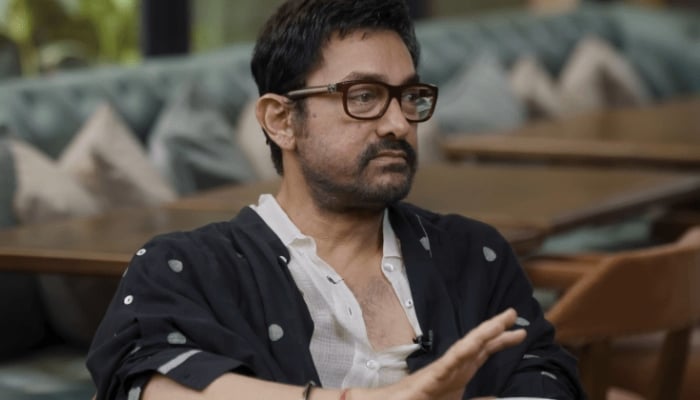
    The investigation into the threatening message sent to Bollywood star Aamir Khan has taken a new turn after police reportedly traced the message to a Sweden-based virtual private network (VPN), while authorities continue efforts to identify the individual behind it. According to police sources, the threatening audio message, which was allegedly circulated in the name of the Lawrence Bishnoi gang, was sent using technology designed to conceal the sender’s real location. Investigators believe the person responsible used both a VPN and the Tor browser, making it more difficult to determine their identity. Officials reportedly traced the initial IP address to Sweden, but suspect the location may have been masked through online privacy tools. Authorities are now working with digital evidence to establish the sender’s actual whereabouts and identity. The audio clip was allegedly sent after Aamir Khan’s recent marriage to Gauri Spratt. In the recording, the speaker, claiming to be Arzu Bishnoi, accused the actor of promoting what was described as “love jihad” and allegedly threatened to “teach Aamir Khan a lesson.” According to the report, the threat was accompanied by a social media post claiming to represent the Lawrence Bishnoi group. An excerpt from the alleged post read: “I, Aarzoo Bishnoi and Tyson Bishnoi (Lawrence Bishnoi Group), want to say that people like Aamir Khan are promoting what is being called ‘Love Jihad’ in our country, which is against our culture. We will not tolerate this man, and he will soon be made to face the consequences.” The message further claimed: “We promise our brothers, sisters, and fellow citizens that whoever promotes such disgraceful acts will be dealt with in our own way.” Police are treating the matter seriously because the threat referenced the jailed gangster Lawrence Bishnoi, whose name has previously surfaced in several high-profile cases involving public figures. However, investigators have not confirmed whether the threat has any genuine connection to Bishnoi’s criminal network. Authorities are now examining digital records, internet routing information and communication platforms used to send the audio clip. Investigators have also reportedly contacted relevant online platforms and international authorities as part of efforts to obtain additional technical information. The threatening message surfaced shortly after Aamir Khan married his longtime partner Gauri Spratt in a private registered ceremony held at his Mumbai residence on July 5. The marriage marked the actor’s third. He was previously married to Reena Dutta, with whom he shares children Junaid and Ira, before later marrying filmmaker Kiran Rao. Although Aamir and Kiran divorced in 2021, they have continued to collaborate professionally, including on the acclaimed film Laapataa Ladies. For now, police have not announced any arrests. Investigators continue analysing the digital trail behind the threatening message while attempting to determine whether the sender acted alone or as part of a larger operation. Officials say the use of VPN services and anonymity tools has made the investigation more complex, but efforts to identify the individual responsible remain ongoing.

  • | |

    Cardi B sets record straight on cosmetic procedures

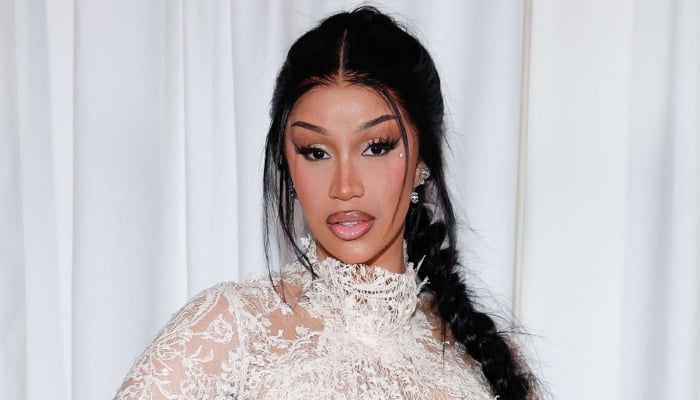
    Grammy-winning rapper Cardi B has addressed renewed speculation about her appearance, revealing that she has already undergone a butt reduction procedure while making it clear she has no plans for further major cosmetic surgery anytime soon. The rapper responded to the rumours during a recent Instagram Live session after seeing repeated comments from fans suggesting she should reduce her butt. According to Cardi, many people were unaware that she had already done exactly that. “A lot of y’all keep telling me to go get my ass reduced,” Cardi said during the livestream. She quickly set the record straight, adding, “I don’t need to go get my ass reduced, news flash, I did get my ass reduced.” The rapper explained that cosmetic procedures are not as straightforward as many people believe. She said another liposuction procedure is not a realistic option because of the condition of her skin following previous surgeries. “I can’t just go and lipo my butt because my skin is like kinda loose,” she explained. “That’s why my ass shakes so much.” Cardi added that removing more tissue through liposuction could create additional complications. “So if I just go and get a lipo reduction… my ass could drop,” she said, noting that the only alternative would involve a more invasive operation requiring a lengthy recovery period. “So I would have to cut myself. And I’m not cutting myself. I’m not sitting down for four months. I’m outside.” The 33-year-old also stressed that she is happy with the way she looks today. “I like my body how it looks right now. I’m comfortable in my skin.” Cardi reminded fans that she has always been transparent about the cosmetic work she has chosen to undergo throughout her career. “I’m very, very honest,” she said before revealing, “First of all, I got two lipos and one ass reduction.” The rapper also explained that she chose to reduce her previous biopolymer injections because she naturally has a petite frame. “First thing first, I am a small girl. I’m a very small, petite girl. My mom is petite. My sister’s petite. My aunts are small.” Addressing critics who continue to speculate about her appearance, Cardi insisted that much of her current physique is also the result of healthy eating rather than surgery alone. She shared that she regularly eats grilled chicken and grilled salmon while also drinking fibre-based beverages. She encouraged fans not to starve themselves in pursuit of unrealistic beauty standards before dismissing ongoing rumours about additional cosmetic procedures. “Y’all acting like y’all new to this. Y’all been seeing my body for how many years now?” she said, later adding, “I’m being as honest as possible.”

  • | |

    Where to stream The Devil Wears Prada 2 after its theatrical run

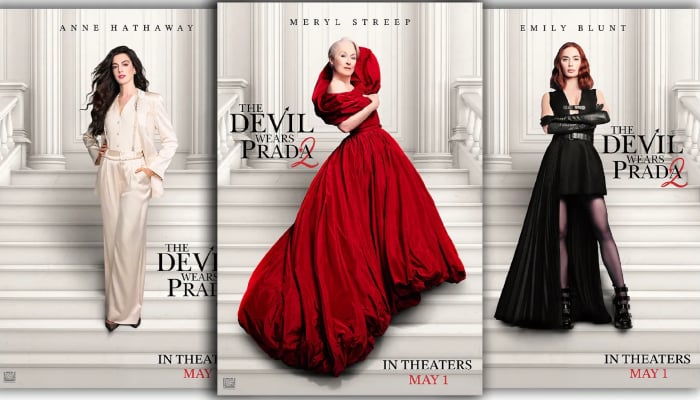
    Fashion fans can finally watch The Devil Wears Prada 2 from home as the highly anticipated sequel has officially arrived on streaming following a successful theatrical run. The sequel became available for streaming on July 29, roughly three months after its cinema release, giving audiences another chance to revisit the glamorous world of Runway magazine. The film is now streaming on Hulu and Disney+, where subscribers can watch the latest chapter in the beloved franchise. Directed by David Frankel and written by Aline Brosh McKenna, the sequel reunites much of the original cast, including Meryl Streep as the formidable Miranda Priestly, Anne Hathaway as Andy Sachs, Emily Blunt as Emily Charlton, and Stanley Tucci as Nigel Kipling. Set nearly two decades after the events of the 2006 blockbuster, the story follows Andy as she returns to Runway magazine, this time as the publication’s features editor, once again working under Miranda Priestly. The sequel explores how the iconic fashion magazine adapts to the rapidly changing media landscape while revisiting the complex relationships between its central characters. The film enjoyed an impressive run at the global box office before making its streaming debut. According to reports, the franchise surpassed the billion-dollar mark worldwide, making the sequel one of the year’s biggest commercial successes. For viewers who missed the theatrical release, Hulu subscribers can now stream the movie directly through the platform. The sequel is also available on Disney+, with availability depending on the subscription package in some regions. Several Disney and Hulu bundles also include access to the film. Fans looking to revisit the story from the beginning can also stream the original The Devil Wears Prada before watching the sequel. The 2006 classic remains available on Disney+, allowing audiences to follow Andy’s journey from aspiring journalist to one of Miranda Priestly’s assistants before diving into the new chapter. The sequel has also introduced several new faces alongside its returning stars, while maintaining the sharp dialogue, high-fashion settings and workplace drama that made the original film a cultural phenomenon. Critics have particularly praised the chemistry between the returning cast members and the film’s updated take on the modern fashion and publishing industries. With its digital release now underway, viewers can enjoy The Devil Wears Prada 2 from home on Hulu and Disney+, whether they’re revisiting Miranda Priestly’s world for nostalgia or experiencing the stylish sequel for the first time. The streaming launch marks the next chapter for one of Hollywood’s most iconic fashion franchises after another successful run on the big screen.

  • | |

    Tiny kurtas and Y2K trends dominate summer fashion

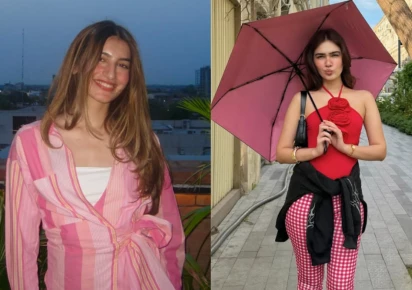
    Pakistani fashion influencers are embracing a fresh wave of nostalgic style this summer, with Y2K-inspired outfits, tiny kurtas, polka dots and fusion dressing emerging as some of the season’s biggest trends. Rather than recreating early-2000s fashion exactly as it was, creators are blending vintage influences with contemporary styling, giving classic pieces a modern update. Across Instagram, influencers are moving away from heavily embellished looks in favour of versatile wardrobe staples that can be styled for both casual and dressy occasions. The result is a mix of timeless silhouettes, tailored basics and playful colours that reflect nostalgia while remaining practical for everyday wear. One of the standout trends making a strong comeback is the tiny kurta. Popular during the late 1990s and early 2000s, the short kurta has returned with a modern twist. Fashion creators are pairing it with straight-leg jeans, tailored trousers, capri pants and flowing skirts, creating looks that combine traditional Eastern wear with contemporary styling. The trend has reminded many fashion enthusiasts of classic Bollywood wardrobes from the early 2000s while fitting naturally into today’s minimalist aesthetic. Instead of heavily embroidered designs, influencers are opting for clean cuts and understated styling that allow the silhouette to take centre stage. Another pattern enjoying renewed popularity is the polka dot. After several seasons dominated by florals and abstract prints, the timeless motif has returned on dresses, matching co-ord sets and separates. The classic print offers a vintage-inspired feel without appearing outdated, proving that certain fashion elements continue to return in new forms. Summer wardrobes are also embracing a colour palette inspired by Y2K fashion. Shades such as butter yellow, cherry red, chocolate brown, powder blue and soft pink are appearing frequently across influencer feeds, bringing warmth and nostalgia to seasonal outfits. Accessories like headbands and capri trousers have also quietly re-entered fashion conversations, although in more refined ways than their original early-2000s versions. While nostalgic pieces are attracting attention, wardrobe basics remain equally important this season. Oversized button-down shirts, classic waistcoats, relaxed tailoring and crisp white shirts have become essential styling pieces. Influencers are layering these staples over denim or pairing them with tailored trousers to create polished everyday looks. Perhaps the defining feature of this summer’s fashion movement is fusion dressing. Rather than separating Eastern and Western clothing, creators are combining them effortlessly. Tiny kurtas are styled with denim, waistcoats are worn with skirts, blazers are layered over traditional separates, while shalwars are paired with fitted tank tops and contemporary accessories. Instead of chasing fast-changing microtrends, many Pakistani influencers appear to be focusing on clothing that offers longevity and versatility. By blending nostalgic Y2K influences with classic tailoring and traditional silhouettes, they are creating wardrobes that feel both fashionable and wearable, making this summer less about dramatic statements and more about timeless personal style.

  • | |

    Ben Affleck wins rare $1 million Who Wants to Be a Millionaire prize

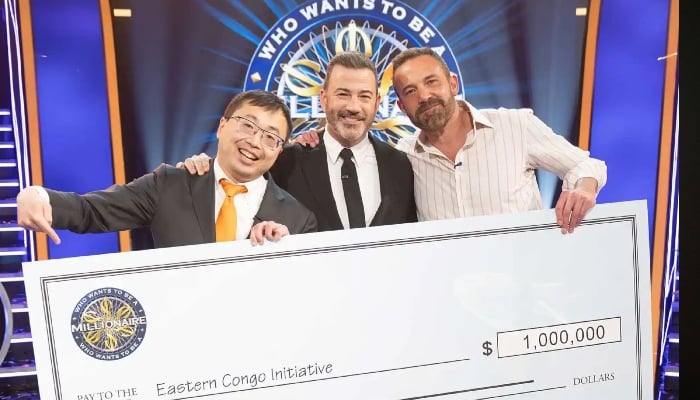
    Hollywood star Ben Affleck and Jeopardy! champion Jamie Ding secured the top prize on Who Wants to Be a Millionaire, winning $1 million for charity after correctly answering the game’s final question in one of the show’s rare celebrity jackpot victories. The pair claimed the grand prize during the July 30 episode of the ABC quiz show, hosted by Jimmy Kimmel. Their winnings will benefit Eastern Congo Initiative, the nonprofit organisation Affleck co-founded to support community-based development projects in the Democratic Republic of Congo. The episode resumed with Affleck and Ding already just two questions away from the million-dollar prize after carrying over from the previous week’s episode. Before the game continued, Affleck explained the mission of the Eastern Congo Initiative, saying the organisation works alongside local communities in a region that has endured years of conflict. The $500,000 question asked which historic achievement occurred only two months after The New York Times predicted it would not happen for “1 million to 10 million years.” The possible answers included splitting the atom, cloning a mammal, the first airplane flight and the polio vaccine. Ding immediately believed the correct answer was the Wright brothers’ first airplane flight, while Affleck recalled reading about the newspaper’s famous misjudgment years earlier. To be safe, the pair used their 50:50 lifeline, leaving only two options. They ultimately trusted Ding’s instinct and correctly selected the first airplane flight, advancing to the final question. The million-dollar question proved even more challenging. Contestants were asked which pair of names had not been used for turkeys pardoned by a U.S. president during the annual White House Thanksgiving tradition. After debating the possible answers, Affleck and Ding turned to host Jimmy Kimmel using the Ask-the-Host lifeline. Kimmel admitted he was not completely certain but suggested “Spaghetti & Meatball” seemed unlikely to have been used. The pair also attempted to use their Phone-a-Friend lifeline, but Ding’s friend was unable to provide a definite answer. With no better option available, Affleck decided to trust Kimmel’s judgment, and the duo locked in “Spaghetti & Meatball.” It proved to be the correct answer, earning them the $1 million prize. As confetti filled the studio, Affleck and Ding embraced in celebration while Kimmel announced their victory. The win places them among the small number of celebrity contestants to claim the show’s top prize, joining previous million-dollar winners including Matt Damon and Ken Jennings, Ike and Alan Barinholtz, and Oscar Nuñez and Kate Flannery. Affleck’s appearance on the programme not only showcased his trivia skills but also raised significant funds for a cause he has supported for years, making the rare television triumph both entertaining and meaningful.

  • | |

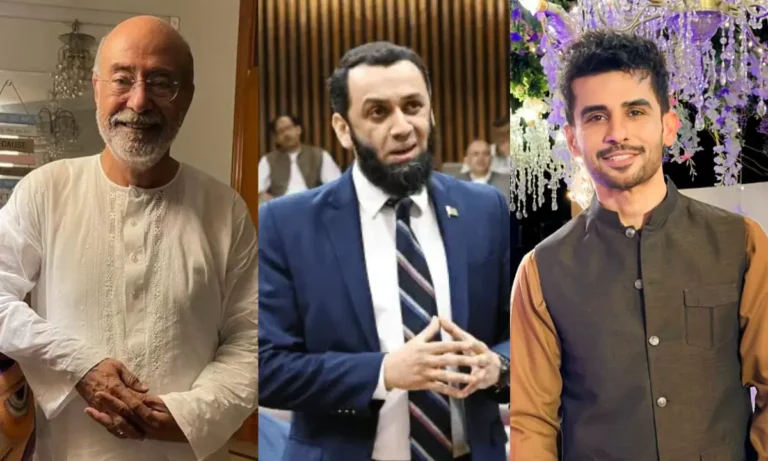
    Tarar proposes mentors for young actors

    Federal Minister for Information and Broadcasting Attaullah Tarar has proposed launching a mentorship programme for young actors following the controversy surrounding the alleged disrespectful treatment of veteran actor Mohammed Ahmed by fellow actor Fahad Sheikh. In a statement shared on X, Tarar described the reported incident as “highly deplorable” and said respect for senior artists must remain a core value of Pakistan’s entertainment industry. The minister said the proposed initiative would allow emerging actors to learn professional ethics, discipline and acting skills from experienced performers. He suggested that Mohammed Ahmed, given his decades-long contribution to television, would be well suited to lead the programme, or that a council of senior actors could oversee the initiative. Tarar also announced that he would soon convene a meeting of television artists and industry stakeholders to seek recommendations on establishing the mentorship programme. The controversy began after Mohammed Ahmed, during a recent podcast interview, recalled being mocked and humiliated by a younger lead actor while working on a television production. He described incidents in which the actor allegedly ridiculed him in front of colleagues and behaved disrespectfully during filming. Although Ahmed did not initially identify the individual, videos circulating on social media later linked actor Fahad Sheikh to the allegations. Responding to the criticism, Sheikh issued a public apology, saying that incomplete accounts of the incident had created a misleading narrative. He maintained that he had already apologised to Mohammed Ahmed privately before the issue gained widespread attention online. Sheikh also offered another public apology, acknowledging Mohammed Ahmed’s seniority and expressing hope that the veteran actor would accept his apology. He insisted that he had never intended to insult a senior colleague.