
Middle East

  • | |

    Beyond faith and defense

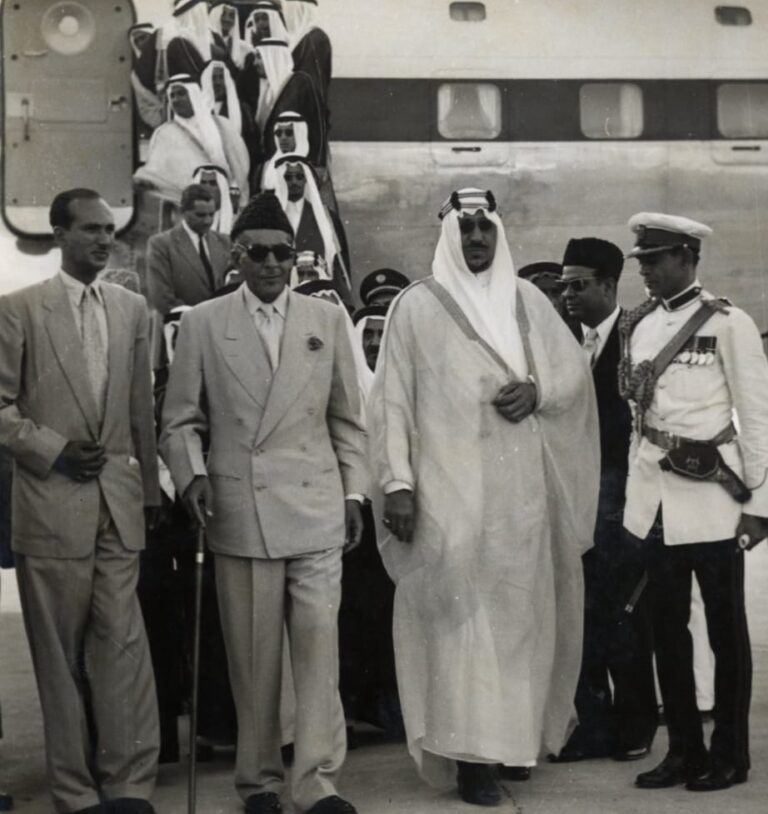
    The historical partnership between Pakistan and the Kingdom of Saudi Arabia stands as one of the most enduring bilateral relationships in the contemporary Muslim world. This history is anchored in shared Islamic values and a profound spiritual connection to the holy sanctuaries of Makkah and Medina. This alliance predates the modern era of Saudi oil wealth. The bond was formalized through the landmark Treaty of Friendship in 1951. It established an early blueprint for solidarity, ideological alignment and mutual support during crisis. Over the past seven decades, this connection has expanded from religious affinity into strategic collaboration. The Art of Strategic Neutrality Defense cooperation forms a central pivot of the bilateral relationship. Since the 1960s, the Pakistani military has played an instrumental role in advising, training, and building the infrastructure of the Saudi armed forces. Contingents of Pakistani troops have historically been deployed inside the Kingdom for defensive purposes, notably safeguarding the Holy Mosques during regional upheavals such as Operation Desert Storm. Moreover, thousands of Saudi defense personnel have undergone advanced training in Pakistani military institutions over the decades. However, the military relationship has also required careful navigation.  When conflict erupted in Yemen (2015), Pakistan’s parliament adopted a stance of strict neutrality to avoid inter-state Middle Eastern disputes, particularly while its domestic forces were actively engaged in counter-terrorism campaigns like Operation Zarb-e-Azb. Despite initial friction, Riyadh acknowledged Islamabad’s geopolitical constraints. This mature understanding was demonstrated when former Pakistani Army Chief General Raheel Sharif was appointed to lead the Islamic Military Counter Terrorism Coalition (IMCTC), focusing strictly on combating global extremism rather than taking sides in regional power struggles. Economic Interdependence and Human Capital Beyond defense, economic cooperation has provided crucial stability to Pakistan’s financial landscape. Saudi Arabia has repeatedly acted as a financial cushion. The country delivered multi-billion-dollar bailout packages, balance-of-payment assistance and deferred-payment oil supplies during economic hardship. Historically, this financial dynamic was complemented by administrative leadership. Pakistani economist Anwar Ali served as the Governor of the Saudi Arabian Monetary Agency from 1958 to 1974. He played a pivotal role in organizing the Kingdom’s modern financial infrastructure. Human capital remains another essential driver of this relationship. Over 2.7 million Pakistani expatriates reside and work within Saudi Arabia. Spanning critical sectors such as healthcare, engineering, construction, and information technology, these workers contribute directly to Saudi Arabia’s physical and economic development while generating vital remittance flows that sustain Pakistan’s domestic economy. Furthermore, administrative initiatives like the “Road to Makkah” project and reductions in visa fees have significantly streamlined pilgrimage procedures for millions of Pakistani citizens traveling for Hajj and Umrah. Geo-Economics, Vision 2030, and the Future of CPEC As both nations adjust to global realities, the bilateral partnership is changing into modern geo-economic framework. Saudi Crown Prince Mohammed bin Salman’s Vision 2030. The Kingdom aims to diversify its economy away from oil dependency by investing in global supply chains. A key element of this transformation includes multi-billion-dollar investment commitments in Pakistan. Furthermore, a proposed mega-oil refinery at the deep-sea port of Gwadar.   Ultimately, geopolitical challenges occasionally test bilateral diplomatic alignment. However, the strategic, economic and institutional ties between Islamabad and Riyadh continue to adapt. After all, it’s a dynamic future built on mutual survival and shared prosperity.

  • |

    Pakistani leadership arrives in Jeddah

    Pakistani Prime Minister Shehbaz Sharif arrived in Jeddah on Thursday evening to begin three-day official visit. This high profile visit aims at bilateral ties, strategic defense cooperation and economic alignment between Islamabad and Riyadh. The Pakistani leader was invited by Saudi Crown Prince and Prime Minister Mohammed bin Salman bin Abdulaziz Al Saud. The Pakistani premier leads a prominent delegation of top cabinet ministers and senior military leadership at a pivotal juncture for regional security and economic growth.  Diplomatic Reception in Jeddah Upon landing at King Abdulaziz International Airport, the Prime Minister and his accompanying delegation were formally greeted on the tarmac with full diplomatic protocol. Deputy Governor of the Makkah Region, Prince Saud bin Mishaal bin Abdulaziz, spearheaded the Saudi delegation receiving the Pakistani leadership. High-level Saudi officials, including Minister of Environment, Water, and Agriculture Engineer Abdulrahman bin Abdulmohsen Al-Fadley, alongside Pakistan’s Ambassador to Saudi Arabia Ahmad Farooq and key diplomatic representatives, were present to facilitate the delegation’s arrival. The cordial reception reflects the long-standing warmth, mutual trust, and shared history defining relations between the two brotherly nations. High-Powered Delegation Reflects Strategic Focus The composition of the Pakistani delegation highlights the multi-faceted priorities of the three-day state visit, spanning defense, diplomacy, and communication. Traveling alongside Prime Minister Sharif is the Chief of Defence Forces and Chief of Army Staff, Field Marshal Syed Asim Munir, whose presence underlines the vital military-to-military and security architecture underpinning the bilateral relationship. The delegation also includes Defence Minister Khawaja Muhammad Asif, Information Minister Attaullah Tarar, and Special Assistant to the Prime Minister Tariq Fatemi. Adding further diplomatic weight, Deputy Prime Minister and Foreign Minister Muhammad Ishaq Dar is joining the delegation directly in the Kingdom. Dar arrived following a brief stopover in Madinah after completing an official trip to Jordan, where he attended high-level ministerial consultations regarding regional affairs and Jerusalem. Key Summit Agenda: Defense, Economy, and Regional Stability At the center of the visit is a bilateral summit between Prime Minister Shehbaz Sharif and Saudi Crown Prince Mohammed bin Salman. Discussions between the two leaders are expected to review progress on economic collaboration, trade expansion, joint investment ventures, and defense coordination. Building upon mutual commitments to bolster regional deterrence and security cooperation, both delegations will evaluate mechanisms to streamline economic investments aligned with Saudi Arabia’s Vision 2030 and Pakistan’s national development strategy. The leaders will also engage in exchanges regarding the evolving security dynamics across the Middle East and South Asia. Islamabad and Riyadh continue to maintain close strategic alignment. Both  advocating for conflict resolution, stability, and unified diplomatic positions within the broader Islamic world. Spiritual Obligations and Long-Standing Alliance In addition to formal bilateral talks and official engagements, Prime Minister Sharif and members of his entourage will perform Umrah in the Holy City of Makkah. The delegation is also scheduled to travel to Madinah Munawwarah to pay respects at the Roza-e-Rasool (Peace Be Upon Him).  

  • | |

    Israeli settler charged for Palestinian activist?…

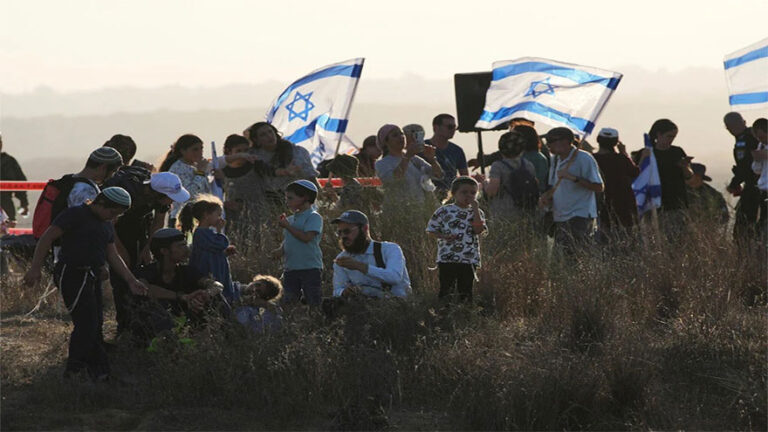
    Israeli State prosecutors have officially filed charges against a Jewish settler following the shooting of a well-known Palestinian community leader. The rare legal action marks the first time since October 2023 that an Israeli civilian has been indicted over the death of a Palestinian in the region. The formal charge sheet, submitted to an Israeli district court by the State Attorney’s Office, accuses Yinon Levi, a resident of the southern West Bank, of reckless manslaughter in connection with the July 2025 death of Awdah Hathaleen (also spelled Owdeh Hathaleen). In addition to manslaughter, Levi faces charges of armed trespassing and intentional property destruction. The Fatal Confrontation in Umm al-Khair The indictment stems from a violent confrontation in July 2025 in the Bedouin village of Umm al-Khair, located in the Masafer Yatta region of the southern West Bank. According to investigators and witnesses, a group of Israeli settlers arrived in the village accompanied by heavy machinery, including an excavator, attempting to clear land to establish an unauthorized outpost. The deliberate clearance operations triggered immediate protest from local residents. Among those documenting the encounter was Awdah Hathaleen, a 31-year-old English teacher, community advocate, and father of three. Hathaleen was widely recognized for his peaceful activism, having hosted foreign diplomats and human rights groups at his home, and for contributing to the 2025 Academy Award-winning documentary No Other Land, which chronicled the displacement of Palestinian communities in the region. Video evidence compiled during the incident proved central to the investigation. Key footage—including recordings captured on Hathaleen’s own phone right up to the moment he was shot—showed Levi raising a handgun and firing into a group of unarmed Palestinians. Hathaleen can be heard groaning in pain as he collapsed from a fatal gunshot wound. Independent spatial analyses and forensic investigations later concluded that the bullet matched Levi’s firearm and confirmed that no Palestinians present were carrying weapons. While Levi previously denied firing the lethal shot, his legal counsel characterized the prosecution’s choice to indict as a “mistaken decision” and stated that the defense team intends to challenge the allegations in court. A Rare Exception to a Pattern of Impunity The indictment comes against a backdrop of rising tensions and violence across the West Bank. Human rights groups emphasize that formal charges against Israeli settlers are exceedingly rare. According to figures compiled by the Israeli human rights organization B’Tselem, Israeli security forces and settlers have killed over 1,100 Palestinians—including more than 240 children—in the West Bank since October 2023. Responding to the court filing, B’Tselem described the indictment as “the exception that proves the rule,” asserting that systemic impunity for settler violence remains a pervasive issue. Meanwhile, United Nations records indicate that incidents involving settler violence have continued to climb, averaging nearly 190 incidents per month in 2026. Levi had previously been placed under financial sanctions by the United Kingdom and the European Union for his alleged involvement in violence against Palestinian civilians, though similar United States sanctions were lifted following changes in Washington’s administration.   While Israeli authorities state that military and civilian law enforcement actively investigate crimes and enforce order, international bodies and rights observers continue to call for comprehensive accountability and an end to land seizures throughout the occupied territories.

  • | |

    Iran’s ultimatum to Gulf neighbors amid US standoff

    Geopolitical conflict in the Middle East reached a state of alert today following a direct diplomatic ultimatum from Tehran to neighboring Arab nations. Iranian authorities have issued an explicit warning to Gulf states, urging them to exert diplomatic leverage over the United States administration to curb aggressive posturing, or face severe regional consequences, including potential retaliatory actions targeting critical infrastructure and trade corridors. The ultimatum highlights the delicate tightrope walked by oil-rich nations in the Arabian Peninsula, who find themselves caught in the crossfire of renewed political and economic pressure campaigns. As global energy markets closely monitor the developing situation, Tehran’s warning serves as a stark reminder of how rapidly regional proxy disputes can evolve into broader threats to global supply chains and economic stability. A High-Stakes Regional Warning In recent communications conveyed through diplomatic channels, Iranian officials emphasized that Gulf nations can no longer claim strict neutrality while allowing their territories, airspace, or strategic partnerships to support foreign military or economic pressure campaigns. Tehran made it clear that if aggressive measures against its economic interests and sovereignty continue, the operational security of neighboring states could be compromised. The tone of the warning reflects Tehran’s strategy to leverage the economic vulnerabilities of its neighbors. By raising the prospect of disruptions to regional oil production facilities, shipping lanes through the Strait of Hormuz, and commercial hubs, Iran aims to compel Gulf leaders to actively advocate for de-escalation in Washington. The Dilemma Facing Gulf States For neighboring countries such as Saudi Arabia, the United Arab Emirates, Qatar, and Kuwait, this ultimatum poses a major strategic dilemma. In recent years, these nations have pursued a dual policy: strengthening their defense alignments with Western partners while simultaneously opening diplomatic dialogue with Iran to reduce regional tensions. However, an intensified standoff severely limits their ability to maintain that equilibrium. Much of the Gulf’s economic diversification and energy output relies on uninterrupted commerce and stable maritime routes. Any direct target on infrastructure could disrupt worldwide energy prices and local economies. While these nations house key military installations and host international forces, they remain geographically exposed to short-range missile, drone, and naval capabilities possessed by regional forces. Gulf leadership must weigh the risks of pushing back against Western strategies versus the immediate security threats posed by an angered neighbor across the water. Global Energy Markets and Future Outlook The immediate ripple effects of these threats were felt across international markets, where Brent crude futures showed immediate volatility reflecting a built-in risk premium. Analysts warn that even minor disruptions in energy transport or localized incidents near vital waterways could trigger sharp price spikes, compounding existing global economic uncertainties.   As diplomatic envoys work behind the scenes to de-escalate the rhetoric, the situation remains fluid. The coming days will test whether Gulf states can successfully mediate between opposing forces to prevent localized tensions from spilling over into a wider, economically damaging regional conflict.

  • | | |

    Trump could resume Iran strikes, US senator warns

    US Republican Senator Jim Banks has warned that President Donald Trump could order fresh military strikes against Iran if Tehran does not quickly agree to end its nuclear programme and reopen the Strait of Hormuz. Speaking to Fox News, Banks said the Trump administration still prefers a diplomatic solution but expects Iran to return to negotiations and reach an agreement soon. He warned that if Iranian leaders refuse to come back to the negotiating table, the United States could resume heavy military attacks. According to Banks, the decision to delay further strikes does not represent weakness or a retreat by Washington. Instead, he said, Trump has given Tehran another opportunity to pursue a peaceful settlement and avoid further escalation. The senator also claimed that divisions exist within Iran’s leadership over how to respond to US pressure. He described the situation as a struggle between hardline military figures and elements within the ruling establishment who may favour negotiations. Banks argued that some Iranian officials now recognise the scale of America’s military capabilities and the potential consequences of continued confrontation. He said the pressure from the United States has created a situation in which parts of Iran’s leadership may be more willing to reach an agreement. The Republican senator’s remarks come amid heightened tensions over Iran’s nuclear programme and the strategic Strait of Hormuz, a vital global energy route. Any prolonged disruption in the waterway could have significant consequences for international oil supplies and global markets. Banks maintained that Washington’s objective remains to push Iran toward a deal while keeping military action as an option. His comments suggest that the Trump administration could increase military pressure if diplomatic efforts fail to produce progress in the near future.