Opinion

  • Muzaffarabad was more than a rally — It was Nawa…

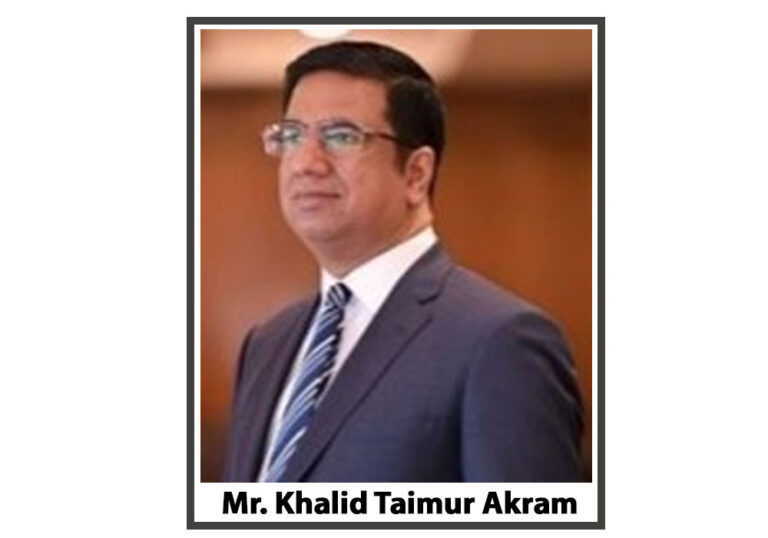
    The Pakistan Muslim League (N)’s power show in Muzaffarabad during the Azad Jammu and Kashmir election campaign was far more than an ordinary political rally. To me, it marked the re-emergence of Nawaz Sharif as the central figure in Pakistan’s political landscape. The message from Muzaffarabad was unmistakable. Nawaz Sharif spoke of development rather than division, construction rather than confrontation, and public welfare rather than political vendettas. His interaction with the crowd was genuine and heartfelt. One symbolic moment that captured public attention was his light-hearted remark expressing a desire to become the Prime Minister of Azad Jammu and Kashmir. It reflected his affection for the region and the deep emotional bond he has always maintained with the people of Kashmir, whose support has remained consistent throughout his political career. Having covered Pakistani politics for nearly three decades and followed Nawaz Sharif closely since his arrival in London from exile in 2006, I have witnessed every major phase of his political journey. From Duke Street in London, where he addressed party workers during years of political exile, to the massive public gathering in Muzaffarabad, I saw the same determination and resilience that has defined his politics for decades. Few political leaders in South Asia have experienced the highs and lows that Nawaz Sharif has endured. His elected government was overthrown by General Pervez Musharraf in 1999. He was prosecuted, imprisoned and later forced into exile. Years later, he returned to Pakistan and regained political power, only to face another period of legal and political challenges following the Panama Papers case. In my view, elements within the state establishment and parts of the judiciary played significant roles during different phases of these political confrontations. Regardless of differing opinions on those events, what remains remarkable is that every major attempt to end his political career has ultimately been followed by his return to the centre of national politics. Many analysts predicted that the 2024 general elections would mark the end of Nawaz Sharif’s political dominance. I never shared that assessment. Throughout my television appearances and reporting, I consistently argued that he remained the principal decision-maker within the PML-N and that no major political decision was taken without his approval. One of the defining strengths of the Sharif family’s politics has been continuity of leadership. Shehbaz Sharif has repeatedly demonstrated exceptional political loyalty to his elder brother. On several occasions, he chose party unity over personal ambition. Following the difficult electoral environment of 2024, he assumed the office of Prime Minister at a time when Pakistan was facing severe economic and diplomatic challenges. In my assessment, his government helped restore economic confidence, improved macroeconomic stability and steered Pakistan away from a potentially deeper financial crisis. His administrative style has always been focused on governance and delivery rather than political rhetoric. Maryam Nawaz’s rise represents another important chapter in the party’s evolution. During the years when Nawaz Sharif faced political disqualification and exile, she emerged as one of the PML-N’s most visible campaigners. She endured political pressure, remained active throughout the party’s most difficult period and gradually established herself as a national political leader in her own right. As Chief Minister of Punjab, Maryam Nawaz has sought to build her political identity around governance, administrative reforms and public service delivery. Whether one agrees with her politics or not, she has brought energy and visibility to the office and has made rapid implementation of development initiatives a defining feature of her administration. Her speeches continue to energise party workers, while her governance record is increasingly becoming central to the PML-N’s political narrative. When I met Nawaz Sharif and Maryam Nawaz at Jati Umra earlier this year, I observed the same resolve that I had seen nearly two decades earlier during the London exile years. The determination to continue serving through politics appeared unchanged. The Muzaffarabad rally reinforced what I have believed for years: Nawaz Sharif has entered another active phase of his political career. His message is no longer about political survival—it is about political continuity, stability and development. Whether one supports him or opposes him, it is difficult to deny one reality. More than forty years after entering politics, Nawaz Sharif remains one of Pakistan’s most enduring and influential political figures. His resilience has become part of Pakistan’s political history, and Muzaffarabad demonstrated that his political story is far from over. The views expressed in this article are solely my personal observations and political analysis based on decades of reporting on Pakistan’s politics.

  • The Reality of the Struggle, Two States, One Playb…

    In both Pakistan and India, what citizens are resisting is no longer standard party politics, it is the structural weaponization of the state. In India, political movements that emerged from populist or anti-corruption roots, like the Cockroach Party,  Aam Aadmi Party, along with regional dissenters, activists, and journalists, have faced arbitrary arrests, custodial pressures, and continuous raids by central agencies. In Pakistan, the state’s military-civilian establishment has used mass roundups, military trials for civilians, social media blackouts, and political bans to strip away electoral mandates and crush dissent. The torture, surveillance, and intimidation targeted at ordinary organizers and political workers across both borders mirror each other. The state’s goal in both contexts is identical, to make the cost of resistance so high that the public submits out of sheer exhaustion. Is It Time to Change? The short answer is, It is long overdue, but swapping rulers will change nothing. For decades, the public in both nations has been trapped in a cyclical trap. In Pakistan, people rally behind one party to remove the military-backed regime, only for the new government to use the exact same military apparatus to crush the next opposition. In India, hyper nationalism and state control have been normalized to the point where institutional checks, courts, enforcement agencies, and investigative bodies have lost their neutrality. If “change” simply means voting in a different political party while leaving the underlying security state and unchecked executive powers intact, the fascism simply changes its coat. True change requires dismantling the tools of authoritarianism, not just replacing the hands holding them. To actually break this cycle of state suppression in South Asia, three fundamental shifts must take place from the ground . As long as investigative agencies, financial crime bureaus, and intelligence services answer directly to political  bosses, they will be used as weapons of torture and political elimination. The primary demand of any genuine popular movement must be strict, legally enforced operational independence for courts, election commissions, and law enforcement.Parties, whether AAP, Cockroach Party, PTI, Congress, or regional blocs, are vehicles, not saviors. Authoritarian regimes thrive on divide-and-rule tactics, convincing one group to applaud when their political rival is jailed. The public must build non-partisan civil fronts where an attack on any citizen’s fundamental right, journalist’s freedom, or political worker’s safety is met with collective public outrage, regardless of party allegiance.Fascist narratives in South Asia rely heavily on manufactured enemies, hyper nationalist rhetoric, and national security panics to justify state overreach. Resistance movements break this spell when they relentlessly ground the conversation in tangible economic survival,inflation, labor rights, land grabs, and local self-governance. When the public realizes that state coercion is being used to mask economic failure, the moral authority of the regime collapses. The resilience of the people in both countries is undeniable, they continue to take to the streets despite jail, violence, and state power. But for that resilience to yield real liberation, the focus must shift from merely fighting for individual leaders to systematically dismantling the legal and institutional machinery that makes fascism possible in the first place.

  • Saudi Arabia Is Our Red Line?

    If someone were to say today that neither Iran nor the United States actually wants war, the immediate question would be: “Then why is this conflict happening?” The answer depends on whom you ask. Each side presents its own narrative, blaming the other for provoking the crisis and insisting that it is merely responding to aggression. From the Iranian perspective, the United States is portrayed as a global bully with a long history of military interventions. Iranian supporters argue that Washington has once again resorted to force, launching a sudden attack on February 28 that allegedly eliminated Iran’s top political and military leadership. They contend that the reported killing of Supreme Leader Ayatollah Ali Khamenei, along with members of his family, is an act that cannot simply be forgotten or forgiven. In their view, they now possess the moral right to seek revenge. If their highest leader was targeted, they argue, then retaliatory action against U.S. President Donald Trump, Israeli Prime Minister Benjamin Netanyahu, and those associated with them is justified. For many in this camp, revenge has become a national rallying cry. The American position is fundamentally different. Washington argues that Iran’s religious establishment under the doctrine of Wilayat al-Faqih has destabilized the Middle East for more than four decades. According to this view, Tehran has built, funded, and armed militant proxy groups not only around Israel but also across neighboring Gulf and Arab states. U.S. officials point to Syria, where former President Bashar al-Assad—despite belonging to a minority sect—was accused of carrying out decades of repression and mass violence against the Sunni majority, allegedly with Iran’s political and military backing. Similar accusations are made regarding Iraq, where Iranian influence is said to have fueled years of instability. In Lebanon, critics argue that Hezbollah, widely regarded as Iran’s most powerful proxy, has effectively established a state within a state, operating beyond the authority of the Lebanese government. They claim the group has not only maintained continuous hostility toward Israel but has also contributed to Lebanon’s internal political and economic paralysis. According to this narrative, tensions have escalated to the point where Lebanon’s elected government has explored understandings with Israel aimed at confronting these armed groups. American officials further argue that Iran’s regional influence has created deep anxiety among Israel as well as neighboring Gulf Arab governments, who fear that Iran’s Islamic Revolutionary Guard Corps (IRGC) or its affiliated groups could threaten their security at any time. They also maintain that the military action taken on February 28 was rooted in the events of October 7, when Hamas—described by Washington as an Iranian-backed organization—launched an unprecedented attack inside Israel that killed approximately 1,200 civilians and resulted in around 250 hostages, including women and children. Despite these deep divisions, the United States and Iran, with the mediation of Pakistan and Qatar, reportedly signed a Memorandum of Understanding aimed at reducing tensions. One of its key provisions allegedly guaranteed that the Strait of Hormuz would remain open, allowing international shipping to pass freely without Iran imposing fees, restrictions, or obstacles. However, according to the American account, tensions flared again when missiles were reportedly fired at Saudi and Qatari vessels passing through waters near Oman. Critics questioned the justification for such an action, arguing that instead of acknowledging responsibility or seeking de-escalation, elements within Iran’s Islamic Revolutionary Guard Corps insisted that the Strait of Hormuz should remain closed to commercial shipping. They further allege that the IRGC instructed Yemen’s Houthi movement to block the Bab el-Mandeb Strait in order to disrupt Saudi oil exports to Europe. If the Strait of Hormuz has already strained Asian energy markets, they argue, closing Bab el-Mandeb could create similar disruptions for Europe. Such developments would pose serious economic and strategic challenges for the Kingdom of Saudi Arabia. Adding to these concerns, Yemen’s Houthis—who are widely viewed by Western governments as being aligned with Iran—have reportedly threatened to strike Saudi oil infrastructure. It is within this context that Pakistan has chosen to clarify its position. Beyond the longstanding religious, diplomatic, and strategic relationship between Islamabad and Riyadh, Pakistan has repeatedly maintained that any attack on Saudi Arabia would be regarded as a direct threat to Pakistan itself. Against this backdrop, Pakistan’s leadership reportedly conveyed a clear message to Tehran: “An attack on Saudi Arabia will be treated as an attack on Pakistan. That is our red line.” In line with this policy, Pakistan has reportedly deployed fighter aircraft and thousands of military personnel to Saudi Arabia, with forces positioned near the Yemeni border. Alongside air and ground deployments, Pakistani naval units are also said to be prepared to cooperate with Saudi and U.S. forces in securing maritime routes and responding to Houthi activities if required. Given these escalating tensions, Iran’s Islamic Revolutionary Guard Corps is urged by its critics to recognize the gravity of the situation and avoid actions that could bring Pakistan and Iran into direct confrontation. They argue that disrupting both the Strait of Hormuz and the Bab el-Mandeb would not only inflict severe damage on the global economy but would also deepen international opposition toward Iran—an outcome they believe Tehran can ill afford. According to this perspective, divisions are already becoming visible within Iran itself. Some observers argue that the country’s elected political leadership is increasingly uneasy with policies that risk further isolation and conflict. They see growing differences between Iran’s political and military establishments, even though these tensions remain largely behind the scenes. The funeral of Iran’s Supreme Leader reportedly drew millions of mourners, reflecting widespread public sympathy. Yet critics argue that this did not necessarily indicate universal support for perpetual confrontation or calls for vengeance. Reports also suggested that hardline supporters directed slogans accusing President Masoud Pezeshkian of betrayal, while Foreign Minister Seyed Abbas Araghchi allegedly faced verbal hostility and even physical attacks during the proceedings. Those who criticize Iran’s hardline factions argue that such behavior deserves condemnation rather than praise. In their view, the greatest burden of continued escalation will ultimately

  • The Great Tragedy of Partition—VIII Mountbatten,…

    The legality of a constitutional settlement cannot compensate for the absence of time, preparation and protection required to implement it The collapse of the Cabinet Mission Plan did more than extinguish the last comprehensive attempt to preserve a united India. It transformed a constitutional dispute into an administrative and humanitarian emergency. Indian National Congress proceeded with the Constituent Assembly, the Muslim League withdrew its acceptance of the Plan, and political distrust increasingly gave way to confrontation. Communal violence spread across different parts of India, demonstrating that the approaching transfer of power could no longer be treated simply as an exercise in constitutional drafting. By the beginning of 1947, Britain had reached a decisive conclusion. Its rule in India could not continue indefinitely, while no constitution acceptable to all the principal political parties had emerged. On February 20, 1947, Prime Minister Clement Attlee announced that British authority would be transferred to Indian hands no later than June 1948. The statement also acknowledged that, in the absence of an agreed constitution, Britain would have to determine whether power should pass to a central authority, provincial governments or some other arrangement. The possibility of more than one successor authority had now entered official policy. Lord Louis Mountbatten arrived as the last Viceroy in March 1947 with a mandate to supervise this transfer. He inherited a political order already close to collapse. The Cabinet Mission framework had ceased to command common confidence, the interim government was paralysed by rivalry between Congress and the Muslim League, and communal violence had exposed the fragility of provincial administration. Mountbatten’s task was not to negotiate within a stable constitutional environment. It was to construct a settlement while the institutions through which it had to be implemented were rapidly disintegrating. The central question was whether the deadline of June 1948 provided sufficient time to undertake an orderly transfer or whether delay would deepen violence and political uncertainty. Mountbatten chose acceleration. On June 3, 1947, the British Government announced a plan under which British India could be divided and power transferred to two successor governments. Punjab and Bengal would decide whether they should themselves be partitioned; separate constituent assemblies could emerge; and referendums would determine the future of the North-West Frontier Province and the Sylhet district of Assam. The date for transfer was brought forward from June 1948 to August 1947. The acceleration was defended as a response to deteriorating conditions. British authority was weakening, communal violence was spreading and the principal political parties had accepted that Partition had become unavoidable. Mountbatten and his supporters believed that a definite and immediate date would end uncertainty and compel the parties to assume responsibility. The opposing view deserves equal attention. A constitutional transformation of such magnitude required the division of provinces, armed forces, civil services, financial assets, railways, irrigation systems, records and administrative institutions. It required the establishment of two governments and the settlement of territorial boundaries affecting millions of people. Compressing this process into a few weeks inevitably reduced the time available for administrative preparation, security arrangements and the protection of vulnerable communities. The question is therefore not simply whether British withdrawal had become inevitable. It plainly had. The more difficult question is whether the decision to advance the transfer by approximately ten months converted political urgency into administrative recklessness. The Indian Independence Act received Royal Assent on July 18, 1947. It provided that two independent Dominions—India and Pakistan—would be established from August 15, 1947. It partitioned Punjab and Bengal, empowered the respective constituent assemblies to legislate for the new Dominions and terminated British responsibility for governing India. Parliamentary sovereignty, exercised from London for generations, legislated itself out of the subcontinent in an extraordinarily compressed period. The legal instrument was concise. Partition was not. An Act of Parliament could establish two Dominions, confer legislative authority and terminate imperial jurisdiction. It could not divide villages, canals, railway lines, police forces, military units, families and centuries of shared social existence with comparable simplicity. Constitutional law could provide a date for independence, but it could not by itself produce the administrative capacity necessary to manage the consequences of territorial division. The most visible illustration of this haste was the work of the Punjab and Bengal Boundary Commissions. Sir Cyril Radcliffe was appointed to chair both bodies and was required to determine the boundaries separating Muslim-majority and non-Muslim-majority areas. The task involved densely populated territories in which religious communities, agricultural systems, transport networks and commercial centres were deeply interwoven. He was given only a matter of weeks to complete it. Punjab and Bengal could not be divided by applying census figures mechanically. District-level majorities concealed substantial minorities, while economic and geographic considerations frequently pointed in directions different from religious demography. Rivers, irrigation headworks, railways and markets crossed the proposed boundaries. Sikhs were particularly vulnerable in Punjab because their population, landholdings and sacred places were distributed across areas claimed by both successor states. The commissions were expected to resolve these questions while political authority was itself being divided. Their members were nominated from opposing political sides and were unable to agree on many decisive matters. The ultimate responsibility therefore rested with Radcliffe, who was required to draw boundaries under extraordinary pressure and with limited opportunity for local investigation. More troubling was the timing of publication. The boundary awards were made public on August 17, 1947, after independence ceremonies had already taken place. Large populations in Punjab and Bengal consequently entered independence without knowing with certainty on which side of the new international frontier they would fall. The delay may have been intended to prevent the boundary controversy from overshadowing the independence celebrations or provoking immediate disorder. Its effect was to deepen uncertainty at the precise moment when administrative clarity was most urgently required. Officials responsible for security, local government and transportation had little time to prepare for the territorial consequences. Ordinary people were left to respond to rumour, fear and rapidly changing political realities. No law expressly ordered a complete exchange of populations between India

  • Defending Pakistan with Prophetic Guidance

    In the shadowed epochs before the dawn of Islam, the affairs of mankind were beset by profound confusion and moral clutter. The pursuit of ethical values, the recognition of basic human rights, the establishment of social equality, and the fair administration of justice remained fragmented ideals, often trampled beneath tyranny, tribal feuds, and unchecked passions. It fell to the boundless mercy of Almighty Allah to illuminate this darkness through His divine word, the Holy Quran, which brought order, harmony, and clarity to the chaos of human existence. The Prophet Muhammad, peace and blessings be upon him, the final Messenger and Seal of the Prophets, then embodied these heavenly injunctions in his blessed life and teachings, translating sacred principles into living practice for all generations to follow. As centuries unfolded, new challenges and complexities inevitably emerged within Muslim societies. These were met not by innovation detached from revelation, but through the profound insight and disciplined wisdom of the rightly guided Imams and classical Islamic scholars. Their verdicts and interpretations remained ever subordinate in spirit and letter to the Quran and the authentic Sunnah, ensuring fidelity to the original divine sources. In this rich tradition, the requirements of an Islamic state were meticulously outlined; the conduct of government, the promotion of public welfare, the organisation of society, and the solemn duties of jihad. Even the refined manners of warfare received explicit attention, together with the strict conditions and ethical boundaries that must govern any legitimate striving in Allah’s cause. Thus, faith offered comprehensive guidance for both peace and peril. Regrettably, in our own turbulent times, certain elements have invoked the noble name of Islam to perpetrate acts that the Quran and Sunnah utterly repudiate. Prominent among these forbidden paths is khuruj – armed rebellion against legitimate state authority – a violation that the classical scholarly tradition of Islam has condemned with one voice across fourteen centuries as a source of fitnah and grave sin. In Pakistan, extremist factions deliberately distort this consensus to legitimise their campaigns of insurgency and terror. Yet the evidence stands irrefutable; upholding constituted authority remains a binding religious obligation upon every Muslim citizen. The Holy Quran commands with unmistakable clarity: “Obey Allah, obey the Messenger, and those in authority among you.” No scholarly interpretation grants sanction to armed revolt against Pakistan’s institutions. The Prophet, peace be upon him, cautioned that whoever withdraws from the community even by a handspan and dies in that state departs in the death of ignorance. Ibn Taymiyyah, frequently misquoted by militants, in fact affirmed that prolonged rule by an imperfect leader is preferable to anarchy, and he rejected rebellion outright. Imam al-Nawawi and Imam al-Ghazali similarly warned that the cure of insurrection proves worse than the ailment of injustice it claims to heal. The Prophet likened rightful leadership to a shield behind which the people are protected; Pakistan’s security forces fulfil this sacred role today, rendering support for them not merely civic duty but an act of profound religious obedience. Grievances, the Quran directs, must be channelled through lawful avenues – through courts, scholarly counsel, and reasoned advocacy – never through the chaos of the sword. Even in the face of oppression, the Prophet instructed believers to render due rights to authorities while petitioning Allah for their own. The exemplary patience of Imam Ahmad ibn Hanbal, who suffered imprisonment under political duress yet never summoned revolt, offers Muslims an enduring model of principled forbearance. Pakistan’s Constitution, itself rooted in Islamic ideals of justice and shura (mutual consultation), provides ample mechanisms for accountability and reform. Democratic participation and legal engagement thus constitute the Islamically sanctioned road to national betterment. At the heart of this guidance shines the Seerah of the Prophet Muhammad, peace be upon him, as the consummate model of wasatiyyah – the divinely ordained path of moderation, mercy, and balance. He declared, “I was sent as a mercy to all of mankind,” establishing that his mission was never one of bloodshed or domination but of compassion and upliftment. Upon the conquest of Makkah, he forgave his bitterest enemies with magnanimity, proclaiming that no reproach would cling to them. This act of clemency remains the authentic Sunnah, bearing no resemblance to the violence extremists perpetrate in his name. The Quran defines the Muslim Ummah as “a middle nation,” chosen for equity and temperance. The Prophet protected the lives, property, and dignity of non-Muslims under covenant, warning that he would be their opponent on the Day of Judgment if they were wronged. He commanded kindness and justice toward those who had not waged war against the faith, visited the sick among other communities, reasoned gently with adversaries, and consistently preferred peace when it could be honourably secured. “Make things easy and do not make them difficult,” he counselled, rejecting the harsh extremism that burdens societies. True jihad, as he taught upon returning from the battlefield, begins with the greater struggle against one’s own soul – an internal discipline that terrorism utterly betrays. Pakistan was founded upon this prophetic ethos of justice, tolerance, and inclusive citizenship. In steadfastly defending its institutions against those who would fracture communal peace, its people engage in a service honoured by the divine. The Quran promises that Allah stands with the patient and the persevering. The path of rebellion leads only to greater discord and spiritual ruin, while the way of the Prophet calls believers to mercy, lawful order, justice for all citizens regardless of faith, and unwavering commitment to the welfare of the nation. In this balanced, compassionate, and principled course lies the true flourishing of Pakistan and the enduring honour of the Muslim Ummah.

  • Building Long-Term Flood Resilience

    As Pakistan enters another monsoon season, the central question is no longer whether the country will experience floods, but whether we have learned enough from previous disasters to diminish their catastrophic impact. Memories of the devastating floods of 2022, which submerged one-third of the country, displaced more than 33 million people and caused economic losses exceeding US$30 billion, continue to haunt us. Four years later, Pakistan still remains on the frontline of the global climate crisis, with another challenging monsoon season unfolding in 2026. Climate experts warn that escalating global temperatures are intensifying the hydrological cycle, resulting in heavier rainfall events, rising glacier melt and frequent weather extremes. Pakistan, despite contributing less than one percent of global greenhouse gas emissions, consistently ranks among the countries most vulnerable to climate change. Recent forecasts by the National Disaster Management Authority (NDMA) and the Pakistan Meteorological Department (PMD) show an enhanced likelihood of heavy rainfall, flash floods, glacial lake outburst floods (GLOFs) and urban flooding. Against this backdrop, an important question arises: Are the Pakistani Government and people aptly prepared for the potential floods in 2026? Since the 2022 floods, the Pakistani Government has introduced several measures aimed at reinforcing disaster preparedness. The NDMA, Provincial Disaster Management Authorities and district administrations have boosted coordination before each monsoon season. Emergency response plans are updated regularly, while rescue agencies conduct preparedness exercises in vulnerable districts. This year, the government has demonstrated a clear commitment to strengthening the country’s flood preparedness. In early July, Prime Minister Shehbaz Sharif chaired a meeting to review monsoon readiness, approving the formation of a national Emergency Response Committee and directing the establishment of an emergency fund for intense weather-related disasters. The Prime Minister also ordered federal and provincial institutions to deploy their full resources to facilitate the public throughout the monsoon season. A cornerstone of Pakistan’s 2026 preparedness strategy is the transition from conventional early warnings to predictive disaster intelligence. This shift, coordinated through the National Emergencies Operation Centre, aims at significantly enhancing the ability to foresee risks and issue timely advisories. International cooperation has also played a key role in this technological advancement. Pakistan has deployed a localized version of China’s MAZU AI meteorological early warning platform, developed jointly since 2023. The cloud-based system allows forecasters to monitor risks associated with floods, droughts and other extreme weather events with greater accuracy than ever before. In addition, a smart flash flood early warning system developed by a Chinese-Pakistani research team has been deployed in Khyber-Pakhtunkhwa’s Swat Valley and a district of Punjab. However, these improvements regarding flood preparedness remain inconsistent and uneven across the country. Population surge, rapid and unregulated urbanization, deforestation, encroachment on floodplains and deficient drainage systems have further enhanced Pakistan’s exposure to flood hazards. Many flood protection structures need rehabilitation, while aging dams, canals and drainage systems continue to face maintenance issues. Urban drainage remains inadequate in several large cities, increasing the likelihood of severe urban flooding during intense rainfall. Moreover, despite progress, Pakistan’s disaster management system still faces several structural fragilities. First, disaster management remains greatly focused on emergency response instead of long-term risk diminution. Second, coordination among federal, provincial and local governments often becomes inconsistent during emergencies. Third, many local governments lack the financial resources, trained personnel and equipment needed for efficient disaster readiness. Rural areas in all the provinces often struggle with inadequate emergency infrastructure. Finally, climate adaptation financing remains below the scale required to address the country’s surging climate risks. Despite international support, Pakistan’s climate adaptation needs continue to exceed available resources. Another major challenge is the uncertainty caused by India’s unilateral suspension of the Indus Waters Treaty in 2025, which has stopped the sharing of critical river flow data. This move has forced Pakistani authorities to rely on less credible sources, including social media, to make flood assessments. The state of public awareness and preparedness, particularly at the community level, also remains weak. A 2025 scientific study “Assessing societal perceptions and adaptive responses to GLOF and related hazards in the upper Indus Basin, Pakistan”, found significant public awareness and training gaps, with 30.55% of respondents highlighting deficiencies in existing hazard management practices. Furthermore, 98.15% of participants acknowledged that climate change and global warming are major contributors to GLOF events, but this awareness has not translated into adequate preparedness. Another study of rural communities in southern Punjab found high attitudinal vulnerabilities linked to “poorly perceived flood risks and low preparedness measures”. The 2025 floods provided a stark reminder of these gaps. Despite advanced warning systems, over 842 lives were lost, 1.2 million people were displaced and more than 4 million were affected. Local communities often serve as the first responders, and their knowledge about disasters is vital, yet their input is frequently unheeded in formal disaster management. In view of these gaps, Pakistan needs to move beyond reactive aid towards a strategy of real-time planning and community engagement. Disaster experts argue that Pakistan still spends more resources responding to disasters than preventing them. Long-term flood resilience requires investments in climate adaptation rather than emergency relief alone. In this regard, priority areas include restoring forests in upper watersheds; protecting wetlands that naturally store floodwater; expanding urban green spaces; modernizing drainage systems; strengthening dams, levees and embankments; enforcing zoning laws to prevent settlement in flood-prone areas; promoting climate-smart agriculture; expanding crop insurance and disaster insurance; and improving early warning systems at village level. The expected floods of 2026 should be viewed as another warning that climate resilience is no longer optional but a national imperative. By coalescing scientific forecasting, efficient governance, informed citizens and long-term planning, Pakistan can minimize future losses and better protect both lives and livelihoods in an era of mounting climate uncertainty. The looming monsoon season of 2026 will be a critical test of whether the lessons of previous disasters have been learned and acted upon in time.

  • The 4th Shusha Global Media Forum and Azerbaijan?…

    The 4th Shusha Global Media Forum themed “The Mission of the Media in Promoting Peace: Restoring Truth and Rebuilding Trust” was held in the city of Shusha, the Republic of Azerbaijan. More than 160 journalists and media representatives from 54 countries attended the forum, with participants from 30 international news agencies and 60 major media organizations. The forum gave journalists, media experts, editors and public officials a chance to come together and discuss how the media can help build a more peaceful and informed world. This is a very important forum, because it attracted attention to the growing role of Azerbaijan in the world. It was also the reflection of Azerbaijan’s remarkable development under the leadership of His Excellency President Ilham Aliyev. A few days back, Azerbaijan hosted World Urban Forum 2026, then Baku Energy Week 2026, and now the 4th Shusha Global Media Forum was held in Azerbaijan. The success rate and the widespread participation in all these international forums show that Azerbaijan is a trusted member of international community and is emerging as a key regional player. It is worth mentioning that the forum was held in Shusha, a city in Nagorno-Karabakh, Azerbaijan. The choice of holding the forum in Karabakh region is extremely significant. Thanks to the forum that journalists from around the world were able to see how the government of Azerbaijan managed to rebuild this war-torn region within just five years. The city of Shusha served as the symbol of renewal. The 4th Shusha Global Media Forum is important as it brought together voices from different countries to discuss the future of global media. The discussions focused on how the social media and news are changing. What new challenges are being faced by the journalists and media across the world and how all countries can work together to address these challenges. At the same time forum also explored how journalism is adapting to artificial intelligence, disinformation and declining public trust, with discussions focusing on responsible reporting, media ethics and international dialogue. It provided a great opportunity to journalists and media experts from across the globe to directly engage with the President of Azerbaijan and ask him questions directly. The forum highlighted how today’s media is being transformed by AI, digital communication, and the growing spread of misinformation. Participants also discussed how they can uphold principles of ethical journalism and ensure factual and accurate reporting in this era of technological advancement. They also discussed how they can make people trust the media more, in what ways media and governments should respond to false or misleading information. It should be noted that the experts highlighted both the challenges and opportunities presented by digital media and the artificial intelligence. When they discussed the misuse of AI, they also talked about how AI should be used responsibly in journalism and media. It shows the responsible attitude of both the participants and the leadership of Azerbaijan that they brought such important topic under discussion. The forum also underscored that media is not just for reporting events but it plays a pivotal role in building trust encouraging dialogue and promoting understanding between nations. The role of the leadership of Azerbaijan in hosting the Global Media Forum for the 4th time is highly commendable. Creating such an engaging international platform at a time when the global information environment is becoming more complex deserves immense praise. The forum also paved the way for cultural exchange, dialogue, and increased human connectivity as people from diverse backgrounds attended the event. The most interesting and the strongest feature of the Shusha Global Media Forum, I believe, is its openness to different viewpoints. It provides equal opportunity to all the participants to ask questions, share their experiences, give new ideas, and discuss pressing global issues in a professional environment. Such opportunities encourage honest conversations and result in some pragmatic ideas that can actually help address various challenges and fight disinformation. These discussions are very important as news travels faster than ever before and public trust in media remains a global concern. Another highlight of the forum was the use of artificial intelligence in journalism, how is AI both an opportunity and a challenge for the journalism. At the forum, experts discussed the role of AI in news production, fact-checking and content creation. They agreed that technology is helpful in improving efficiency but it can never replace human judgment, moral standards, and accurate reporting done by humans. The exchange of ideas on these topics reflected Azerbaijan’s readiness to host conversations on issues that are shaping the future of global communication. A particularly positive aspect of the event was the participation of media representatives from wide range of countries. All of them came together to discuss common challenges, exchange ideas and share knowledge. Such platforms, dialogues, and collaborations help reduce misunderstanding between societies. Professional connections are built and already existing networks are strengthened. Meanwhile, such platforms also open new areas of cooperation and create opportunities for future collaborations. It also allows participants to learn from one another’s experiences in dealing with rapidly changing media environments. When His Excellency President Ilham Aliyev addressed the forum he talked about peace, regional advancements, connectivity and the increasing importance of dialogue and communication. H.E.’s participation made it clear that Azerbaijani leadership will always support international discussions on media and global affairs. Moreover, the senior government officials were also present at the forum. Their presence demonstrated Azerbaijan’s efforts to maintain direct engagement with the international media community. With the passage of time, the Shusha Global Media Forum has evolved into a respected international platform for discussing the future of journalism and strengthening media cooperation. Its significance lies in the fact that it offers an opportunity to media professionals to come together and discuss and timely resolve the pressing challenges global media is facing. The continued success of the forum showcases Azerbaijan’s commitment to promoting dialogue, responsible journalism, and global engagement.

  • When the Rains Come, Lahore’s Governance Washes …

    “By failing to prepare you are preparing to fail”—Benjamin Franklin Every monsoon, Lahore receives heavy rainfall. Every monsoon, the city appears surprised. Roads become rivers, underpasses become lakes, vehicles remain stranded for hours, businesses suspend operations, electricity fails in several localities and thousands of citizens find themselves trapped in their homes. Public officials then appear before cameras to assure the public that “all machinery has been mobilised” and “field staff are working round the clock”. The question, however, is not whether officials worked after the city was submerged. The real question is why a city that has witnessed identical scenes for decades still lacks the institutional capacity to manage a predictable annual event. Rain is not the problem. It is governance. The latest spell of heavy rainfall has once again exposed the widening gap between Lahore’s physical expansion and its institutional preparedness. It has demonstrated that despite billions of rupees spent on roads, flyovers, underpasses, signal-free corridors and housing developments, the city’s drainage infrastructure has remained dangerously inadequate. Nature merely revealed what administrative complacency had concealed. Lahore today is managed by a bewildering network of public institutions—the Lahore Development Authority (LDA), Traffic Engineering and Planning Agency (TEPA), Water and Sanitation Agency (WASA), Metropolitan Corporation Lahore, district administration, Punjab Housing and Town Planning Agency, Parks and Horticulture Authority and several cantonment boards. Each possesses defined statutory functions, separate budgets, independent administrative structures and overlapping jurisdictions. Yet when rain falls, responsibility becomes everyone’s—and therefore no one’s. The ordinary citizen neither understands nor cares which agency is legally responsible for a flooded road, a blocked drain or an inundated underpass. Citizens judge governments by outcomes, not organisational charts. If roads remain submerged for hours, traffic collapses across the city and commercial activity comes to a standstill, institutional fragmentation cannot become an excuse for collective failure. LDA deserves particular scrutiny because it has shaped Lahore’s urban landscape over the past several decades. Successive development plans have emphasised visible infrastructure and horizontal urban expansion. New housing societies continue to receive approvals while commercial activity spreads rapidly beyond the city’s traditional limits. However, sustainable urban development involves much more than constructing roads and approving layouts. It requires integrated planning for drainage, groundwater recharge, storm-water management, environmental protection and climate resilience. These objectives have too often been subordinated to short-term development priorities. The consequences are now visible across Lahore. Natural water channels have disappeared under concrete. Green areas have steadily declined. Impervious surfaces have multiplied. Urban sprawl has accelerated. Rainwater that once infiltrated open land now accumulates almost instantly on concrete roads and paved surfaces, overwhelming drainage systems that were designed for a much smaller city. The engineering challenge has fundamentally changed but not institutional thinking. TEPA has undoubtedly transformed Lahore’s transport infrastructure through extensive investment in roads, bridges and underpasses. Yet transport engineering cannot be separated from storm-water engineering. Every major road project should answer a simple question before construction begins: Where will the rainwater go? Unfortunately, repeated flooding of important roads and underpasses suggests that drainage considerations have often received less attention than traffic movement. Infrastructure cannot be described as successful merely because vehicles move efficiently during dry weather. Infrastructure succeeds only when it continues functioning under adverse conditions. Modern cities are designed not for ideal weather but for extreme weather. That is precisely where Lahore repeatedly fails. WASA occupies the frontline whenever urban flooding occurs. Its officers and field staff frequently work under extraordinarily difficult circumstances and deserve recognition for their commitment. Yet institutional performance cannot be evaluated solely by emergency response. Pumping millions of gallons of water after roads have flooded does not represent successful urban management. It merely demonstrates that preventive systems were insufficient. Effective drainage begins months before the monsoon through systematic desilting of drains, cleaning of disposal stations, maintenance of pumping equipment, removal of encroachments on natural waterways and continuous monitoring of vulnerable locations. Emergency pumping should remain the exception. In Lahore, it has become the annual strategy. The larger issue extends beyond engineering. It concerns public administration itself. Urban governance in Lahore suffers from fragmentation without coordination. One agency constructs roads. Another manages drainage. A third approves housing schemes. A fourth regulates utilities. A fifth removes encroachments. Each agency performs its own function with limited institutional integration. The result is predictable. Roads are constructed without adequate drainage capacity. Housing schemes are approved without corresponding investment in trunk infrastructure. Natural drainage channels disappear beneath commercial development. Freshly constructed roads are repeatedly excavated by utility agencies. Responsibility becomes divided while accountability disappears. Climate change has unquestionably intensified rainfall patterns across South Asia. Extreme precipitation events are becoming more frequent. However, climate change cannot become an administrative defence. If rainfall patterns have changed, engineering standards must also change. If cities are expanding, drainage systems must expand accordingly. If scientific forecasts predict greater climate volatility, development planning must incorporate those projections rather than relying upon obsolete assumptions. Unfortunately, Lahore continues to respond to twenty-first-century climate realities with twentieth-century infrastructure. The economic costs of this governance failure are substantial. Businesses lose valuable operating hours. Industrial production is disrupted. Supply chains are interrupted. Thousands of daily wage earners lose income. Motor vehicles suffer avoidable damage. Insurance costs increase. Property values decline in repeatedly flooded neighbourhoods. Public health deteriorates as stagnant water increases the risk of waterborne diseases. Collectively, these recurring economic losses almost certainly exceed the annual cost of maintaining a modern storm-water management system raising an uncomfortable question. If billions of rupees can be allocated annually for visible infrastructure projects, why does preventive maintenance remain persistently underfunded? Public finance should not reward ribbon-cutting ceremonies while neglecting maintenance. Maintenance rarely attracts political attention but its absence always attracts public suffering. The constitutional dimension is equally significant. Article 9 of the Constitution guarantees the right to life, a concept repeatedly interpreted by superior courts to include living with dignity, safety and a healthy environment. Article 14 protects human dignity, while Article 38 obliges the State to promote the social and economic well-being of the people.

  • Road to the East

    Kashi with its rich culture is becoming a hub of tourism, industry. Despite being very close to Pakistan border with Kashi, the aerial trade is being very limited. We are not making a full use of our land link with China. That is not passing a positive impact for the regional economy. Our natural reserves for mines and minerals are one of the biggest resource that we can exchange with China; such as an export for the raw material using the land route, what more specifically if our gov is very vigilant, they can invite the Chinese investors from this region specifically, to extract mines and minerals, but thing that can change the economy of this entire region mainly depends if we can convince Chinese investors to invest in this particular region of Gilgit for the purification of metals. Vice President Pakistan-China Joint Chamber The other best way is the tourism and the hospitality. We need to engage the tourism groups who can be helpful to attract the Chinese people who want to cross over Khunjarab pass to Pakistan. I have noticed many people of this region very much interested to cross the Khunjarab pass to get an access to Pakistan side. Further I want to make you sure that the plateau of the Pakistan side is considered to be one of the most beautiful natural plateau in the world. Culturally this area have been preserved very well, including the ancient buildings such as centuries old. Food is one of the best attraction and the delicacies, it is commonly believed that Ice cream originally started from this region. Similarly, there is a long route which is called the inner wall of the city have a long cue of traditional restaurants with hundreds of options. Paya the lamb foot, is named the same in Kashi language same as pulao, naan, kabab, and many other words. I have never seen a variety of naans in all over sub continent. The same i saw only in Kashi. They also produced a qeema naan (meat) which is one of the delicacy of this region. I conceived an idea that the concept of pizza and spaghettis was stolen by Marco Polo in the 13th century from this region and was taken to Italy. That is why till today spaghettis and pizza is one a famous dish in Italy. But nowhere else in Europe. Bar b que globally I have been to many countries but the best natural taste of bar b que is in this region. Mostly they use lamb, sheep, and beef to make this bar b que. Similarly, pulao was originated from Xinjiang in this region. So, it traveled all the way to subcontinent. The pulao I tasted in Kashi, was one of the best delicacy. It added up with dried grapes. They also love to serve it with the yogurt. Kabab, shawarma have many kind of faces, the region have a lot of shapes for kabab mostly by the meat of sheep. These people like to eat the fats more often Ly than our region. The weather of this area is very harsh as it climbs p to 40 degrees in hot season while drop down to minus -25 in the cold season. Because of this harsh weather the living condition of the normal people have totally been changed. This harsh weather physically converted theses people as a very tough nation. But the other impact of this weather is that this area is mostly dry and even the mountains are mostly barren. Tea is one of a natural product of this area with many kind of teas to be offered. Flower tea is one of the famous tea from this area which is commonly believed to keep a face fresh. But there are multiple kind of teas available in this region. Walking through the streets of Kashi there are hundred of shops, as I mentioned dry fruits are one of the basic product of this region, I have never seen the variety of dry fruits that I found in Kashgar, is indescribable. They are genuine dry fruit lovers providing of hundreds of kinds of dry fruit. The way they preserve it and roast it with the honey, this technology we may need to learn from them. The use of metal and handicrafts especially in the form of brass I have observed are the best in the whole world. Where the use of art work by hand was even more inspiring. Alladin was one of the story that we listen from our childhood, actually this story was also originated in this region. Same as Alibaba, which is one of the oldest tale we always listening from centuries. And who can forget the famous stories of Ali baba with forty thieves. These all stories were originated from the same region. The beauty of this area along with the traditional dresses of the girls that are still very popular in subcontinent. There were a lot of tea houses with a history of more than a hundred years traditionally serving their local tea. Most of the tea houses have the people playing their traditional music and that is so fascinating that you can spend hours to listens that music. The rhythm will really mesmerize you. In my next article I will describe about the traditional restaurants and their dances as performance. To be continued..

  • Ecolinguistics and the Role of Media

    The role of media should not be confined to disseminating news and information but must also highlight public awareness regarding climate change. The media, in its reporting, is required to use appropriate terminology and diction to raise awareness, highlight the causes, and provide a way forward. The media, in its reporting, is expected to project the environment not as a resource to be used by humans but as a living environmental and ecological process that must not be disturbed by humans. For example, while writing such reports, if the media says that natural resources are diminishing or facing extinction, it must similarly highlight that the environmental system is being affected or impacted negatively . Recent studies have also reinforced this perspective. Penz and Fill (2022) observe that ecolinguistics promotes and fosters environmental awareness while supporting and strengthening the connection between humans and nature for sustainable development. In this context, Alexander and Stibbe (2014) argue that ecolinguistics plays a key role in highlighting the relationship between humans and the environment, as well as its impact on addressing environmental challenges and shaping a sustainable future. It is pertinent to highlight that while reporting any incident about environmental degradation or natural disasters, the media, apart from reporting, is also expected to provide solutions and a way forward to help face such incidents in the future. In reports about floods, wildfires, and rising temperatures, the media is also required to provide guidance and suggestions on how to combat or lessen the impacts of such environmental changes. The reporting must not be based only on presenting news and subsequently creating fear or chaos but must also give a sense of hope among people that through various techniques and the use of technology, such natural disasters can be managed effectively. The media must not consider floods, droughts, fires, or other environmental disasters merely as natural disasters but should link such impacts with environmental changes, industrial pollution, deforestation, human intervention with nature, and so on. Fairclough (1995), in his study, states that media should cover and highlight the areas that , on the other hand, are ignored and not given consideration by the masses. Therefore, the media is expected to sensitize the masses regarding such disasters and create a way forward to combat or tackle such environmental change disasters and their impacts on people and society as a whole. On the other hand, equally important is environmental equity or justice in society. It has been widely observed and noted that in floods, droughts, disasters, and environmental changes, the major impacts are faced by the underprivileged in society. It is the role and responsibility of the media to highlight and become a voice for such voiceless people, representing them and creating a sense of ownership among the poor and marginalized sections of society. The media is also required to highlight and create awareness among people about science and technology related to the environment and provide them with knowledge that through the use of such technology, they can tackle the horrors of disasters. The study of ecolinguistics reminds the media that humans are, in no way, different from society and can never be detached from society and vice versa. Hence, media reports are also expected to discuss humans, rivers, oceans, flora, fauna, biodiversity, and the ecosystem as a whole to give them significance and bring them into the limelight of the coverage. Media reporting is also required to use environment related terminology and diction, such as environmental war, ecological emergency, and other relevant terms, in its reports to highlight environment related information. Recent studies highlight that similes and metaphors have a significant impact on human thinking. Hence, the media is encouraged to resort to this method to mould public opinion towards environmental conservation and protection. Moreover, media personnel are required to engage in investigative journalism and cover incidents and events from different angles , examining their pros and cons deeply. If there are frequent flash floods in any area, the media is expected to discuss the causes and the role of concerned authorities in handling the incidents . Media houses, along with environmental protection organizations and other stakeholders, are required to impart knowledge and training to journalists. There is also a significant role for environmental funding organizations in sensitizing media personnel. In training sessions, they are expected to invite environmental experts, scientists, and scholars who have made significant contributions in this area. Media reports and the diction used therein have great significance. They must highlight a green and stable future through sustainable development initiatives and become partners in facing the challenges and effects of environmental degradation. They must give hope to people that the media stands with them and will continue contributing its responsible and positive role. This is the major objective of ecolinguistics. Societies such as ours widely need the use of ecolinguistics in the media.