Top Story

  • | | | |

    President Masoud Pezeshkian meets Supreme Leader M…

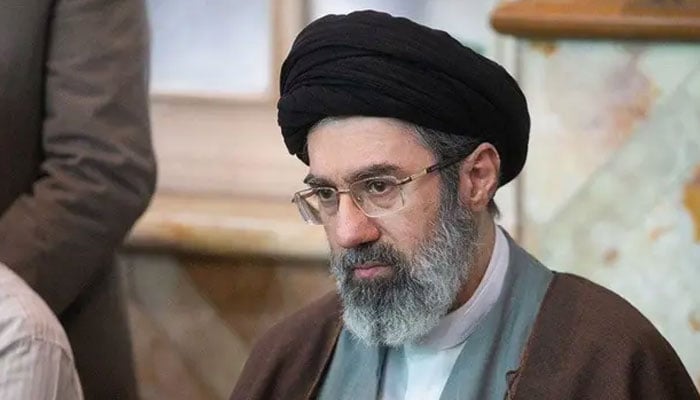
    TEHRAN: Iranian President Masoud Pezeshkian has held an important meeting with Supreme Leader Ayatollah Mojtaba Khamenei as speculation over the president’s future continues to attract attention amid heightened tensions with the United States and Israel. The meeting reportedly came as Pezeshkian entered the third year of his presidency. It also followed reports suggesting that the Iranian president was considering stepping down, claims he has rejected. Iranian authorities have previously dismissed resignation reports as unfounded, while Pezeshkian has publicly indicated that he intends to continue serving. According to statements attributed to Mojtaba Khamenei on social media, the discussions covered a wide range of economic, military and strategic issues facing Iran. Among the topics were the economic needs of ordinary Iranians, the country’s military situation, access to resources and management of the Iranian rial, foreign currency and energy costs. The two leaders also discussed economic relations with foreign partners and the wider implications of the confrontation with Washington and Israel. The meeting comes at a particularly sensitive moment for Tehran. Iran remains under pressure from the continuing regional conflict and economic difficulties, while efforts to engage Washington have faced repeated obstacles. The reported contact is also notable because Pezeshkian recently said that reaching Mojtaba Khamenei had been difficult, prompting speculation about the supreme leader’s health and whereabouts. Reports in recent days have offered conflicting accounts about how and where senior Iranian officials have been able to meet him. Meanwhile, Iran’s diplomatic efforts with the United States remain uncertain. According to the material cited by Iranian officials, negotiations have been reduced largely to messages exchanged through intermediaries after earlier attempts failed to produce a lasting agreement. The political backdrop has also been complicated by reported tensions between the presidency and powerful military-security institutions. Some reports have suggested disagreements over decision-making and the conduct of Iran’s response to the conflict, although details remain contested. Pezeshkian’s political position has therefore become a subject of renewed attention. He was elected president in July 2024 following the death of former President Ebrahim Raisi in a helicopter crash. Mojtaba Khamenei, meanwhile, became Iran’s supreme leader in March 2026 following the death of his father, Ayatollah Ali Khamenei, during the conflict. Against this backdrop, the latest meeting between the president and supreme leader carries significance beyond routine government business, particularly as Iran confronts economic pressures, military uncertainty and difficult relations with Washington. For now, however, Pezeshkian remains in office, while reports of his resignation have been publicly rejected.
  • | | | |

    Mojtaba Khamenei appears in new video as health qu…

    TEHRAN: A new video showing Iran’s Supreme Leader Mojtaba Khamenei has emerged, offering a rare public glimpse of the Iranian leader amid heightened attention over his health and whereabouts. The footage was released by Iran’s semi-official Mehr News Agency and appears to show Khamenei sitting with several people and engaged in conversation. The agency did not disclose when or where the recording was made, nor did it identify the other individuals seen alongside him. Khamenei appears in normal condition in the short footage. The release comes after reports and speculation about his health had circulated in recent days, making the video particularly significant for observers following developments in Tehran. Iranian media presented the footage as evidence of the Supreme Leader’s continued presence and activity. The video does not provide independent confirmation of when it was recorded, however, leaving some questions unanswered about Khamenei’s current condition and location. The appearance comes as tensions surrounding Iran remain high. Iranian Foreign Minister Abbas Araghchi has reiterated Tehran’s determination to withstand pressure and continue what he described as resistance. “We are fully prepared for resistance despite all pressures,” Araghchi said, according to the statement cited by Iranian media. He also said Iran would not forget what he described as the unjust bloodshed of its martyrs, adding that those responsible would not be forgiven. Khamenei’s limited public appearances have attracted considerable attention since he became Iran’s Supreme Leader earlier this year. The latest footage is therefore likely to be closely examined both inside Iran and abroad as questions continue over the country’s leadership and its response to mounting regional pressures. For now, the exact timing and location of the recording remain undisclosed.

  • | | | |

    Iran ready to resist pressure as Hormuz talks near…

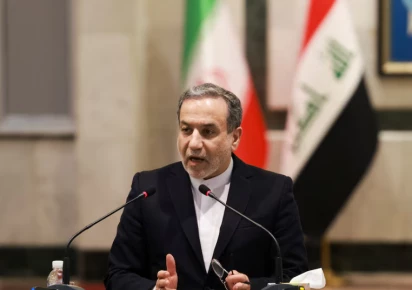
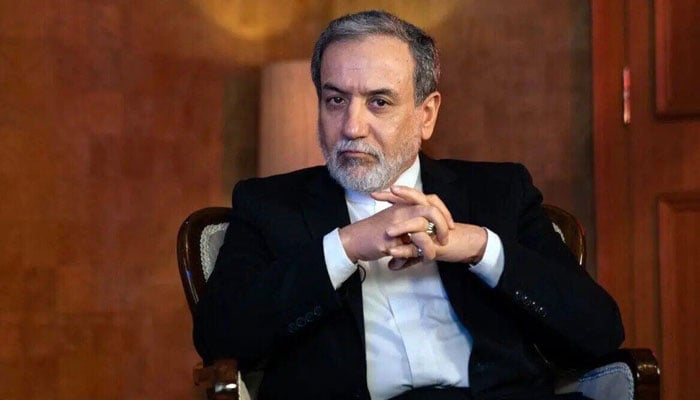
    TEHRAN: Iran is prepared to continue resisting mounting pressure, Foreign Minister Abbas Araghchi said, as Tehran and Oman move closer to an agreement on managing navigation through the strategically vital Strait of Hormuz. Araghchi said Iran would not forget what it described as the unjust bloodshed of its martyrs and would not forgive those responsible. His remarks come amid continuing tensions between Tehran and Washington and uncertainty over the future of negotiations. The Iranian foreign minister also warned that talks with the United States would not resume if Washington continued to violate the memorandum of understanding between the two countries. According to Araghchi, Iran and the United States are currently not engaged in direct negotiations. However, messages are being exchanged through intermediaries, keeping a narrow diplomatic channel open despite the broader standoff. The most immediate development concerns the Strait of Hormuz, a critical waterway for international energy shipments. Araghchi said negotiations between Iran and Oman over a new arrangement for maritime traffic were in their final stages. He stressed, however, that reaching an agreement with Oman would not automatically mean the strait would be fully reopened. Instead, the proposed arrangement would establish new maritime routes between Iran and Oman. The two countries have previously agreed to work together on future navigation management, shipping services and related arrangements while emphasizing safe passage and their sovereign rights over their territorial waters. The issue has become a major point of contention in wider diplomatic efforts, with Tehran insisting that US actions under the memorandum must be addressed before normal negotiations can resume. For now, the emerging Iran-Oman arrangement could offer a potential pathway for maritime traffic, but significant political hurdles remain. With Tehran maintaining its tough stance toward Washington, the next stage of diplomacy could determine whether the strategic waterway moves toward greater stability or remains at the center of regional tensions.

  • | | | |

    Iran rules out US talks until demands are met

    Iran has ruled out direct negotiations with the United States for now, saying Washington must first comply with the terms of an interim agreement reached in June. Iranian Foreign Minister Abbas Araghchi said on Sunday that Tehran and Washington were not holding direct talks. He said messages were still being exchanged through intermediaries. Araghchi also reiterated Iran’s position on the Strait of Hormuz. He said the strategic waterway would not reopen simply because Iran and Oman reached an agreement on shipping arrangements. According to Iranian reports, Tehran and Muscat are close to finalising an understanding on a temporary shipping route. However, Iran says the route can only be used after other conditions are met. The Strait of Hormuz has remained at the centre of the wider conflict. Iran has repeatedly linked its reopening to demands directed at Washington. Iranian officials have called for an end to US threats and military action. They have also demanded the lifting of sanctions and blockades and the release of Iranian assets. Iran’s Revolutionary Guard has separately warned that the strait will remain closed until Tehran’s conditions are accepted. The force accused its opponents of shifting their focus toward reopening the vital waterway. The strait is one of the world’s most important energy routes. A significant share of global oil and gas shipments normally passes through it. Oman, meanwhile, said discussions with Iran over arrangements for shipping through the waterway had been positive and constructive. Muscat also urged all sides to avoid actions that could undermine the negotiations. Iranian President Masoud Pezeshkian has suggested that the current situation could provide an opportunity for an agreement. He said Iran remained united and strong despite the ongoing conflict. The diplomatic uncertainty comes as tensions continue to affect commercial shipping in the region. The United Arab Emirates said Iran had attacked a vessel linked to its state-owned oil company while it was travelling through the Strait of Hormuz. No injuries were reported. The United Kingdom Maritime Trade Operations agency also reported that a vessel caught fire after being struck by an unidentified projectile. The fire was later brought under control, with no environmental damage reported. Iranian authorities have not immediately commented on the individual incident. Saudi Arabia reports fires at energy facilities Tensions have also spread across the Gulf. Saudi Arabia said firefighters had extinguished a blaze at an Aramco facility in Jizan. The Saudi Energy Ministry said there were no fatalities. Yemen’s Houthi movement claimed responsibility for an attack on the site, saying it had used a drone in response to alleged Saudi strikes in Yemen. A separate explosion was also reported in the industrial area of Jubail. Regional sources said gas facilities were targeted and that a fire broke out. The exact cause remained unclear. It was not immediately established whether the incidents in Jizan and Jubail were connected. US defence industry ordered to increase weapons production Meanwhile, the United States has asked its defence industry to accelerate weapons production amid shortages linked to the war with Iran. US Deputy Defence Secretary Steve Feinberg reportedly instructed defence companies to submit plans aimed at speeding up deliveries and increasing production of critical military equipment. The demand comes amid reports of pressure on US ammunition supplies, including stocks of Patriot missile interceptors. The Trump administration has maintained that the United States has substantial weapons reserves and that additional supplies are being manufactured and delivered. The conflict has also triggered threats from armed groups in the region. The leader of Iraq’s Harakat Hezbollah al-Nujaba, Akram al-Kaabi, has threatened retaliation for US-Saudi strikes on sites belonging to Iraq’s Popular Mobilisation Forces. The group has warned that further military action could lead to a response. Iranian military officials, meanwhile, have claimed that the United States and Israel failed to achieve their objectives against Iran. They have praised the country’s military preparedness and vowed to continue resisting pressure. With the Strait of Hormuz still closed and negotiations remaining indirect, the prospect of restoring normal shipping remains uncertain. Iran insists that reopening the waterway depends on Washington accepting its conditions. The United States, meanwhile, has linked the lifting of its blockade to Iran fulfilling commitments under any future agreement.

  • | | | | |

    Trump claims limited talks with Iran are underway …

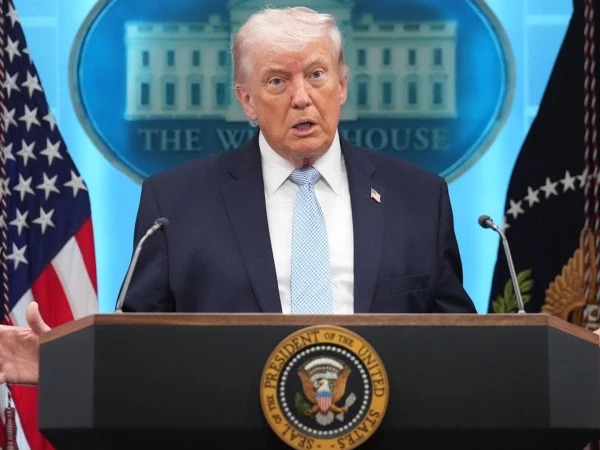
    WASHINGTON: US President Donald Trump has claimed that limited negotiations with Iran are currently taking place, while indicating that Washington is not pursuing an aggressive new military escalation against Tehran at this stage. Trump’s comments come amid continued tensions between the United States and Iran and growing international attention on efforts to reduce the conflict. Recent reports have also indicated that talks involving Iran and Oman have been taking place, although no final agreement has been reached. According to Trump, the United States is currently keeping a lower profile on the issue and is engaged in what he described as limited negotiations with Iran. He also claimed that Iran is facing severe economic difficulties and suggested that the country is under significant financial pressure. Trump argued that Iran’s economic situation has deteriorated considerably, making it difficult for the government to meet some of its financial obligations. These remarks were presented as part of his argument for maintaining economic pressure rather than immediately launching another major military campaign. The US president also referred to the wider impact of the conflict on energy markets and American consumers. Oil prices have remained closely linked to developments surrounding the Strait of Hormuz, a strategically important route for global energy shipments. Recent market reports have shown that investors have been watching diplomatic developments closely as hopes for an agreement affect oil prices. Trump described the confrontation with Iran as a complicated strategic contest, comparing the situation to a game of chess. He suggested that a solution could eventually be reached through negotiations and pressure. US officials have reportedly been considering different approaches to the conflict, including diplomatic engagement and economic measures. Recent reporting indicates that progress has been discussed in Iran-Oman talks, although significant issues remain unresolved. The latest developments come as Washington continues to monitor Iran’s military and economic position while seeking leverage in negotiations. For global markets, the outcome of the diplomatic efforts could be particularly important. Any agreement that improves the security of shipping through the Strait of Hormuz could influence crude oil prices and energy supplies worldwide. However, the situation remains fluid, and claims about the extent of direct negotiations have not been uniformly confirmed by all sides. Further diplomatic contacts are expected as the United States and its partners seek a way to reduce tensions and address the broader issues at the center of the conflict.

  • | | | |

    Pezeshkian says ‘now is the best time’ for Ira…

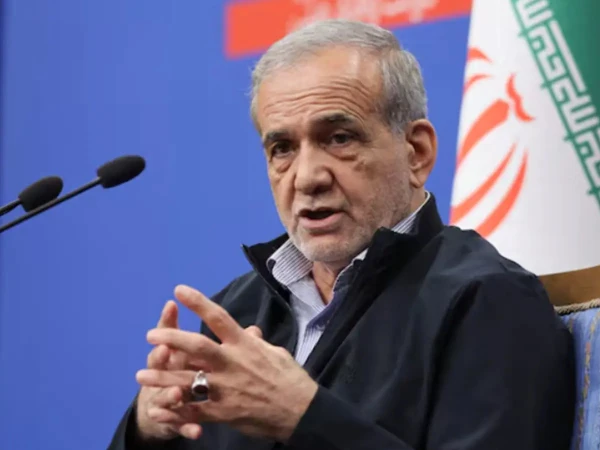
    TEHRAN: Iranian President Masoud Pezeshkian has described the current moment as the “best time” for reaching an agreement with the United States, while making clear that Tehran’s broader policy toward Washington has not changed. Speaking to media representatives in Tehran on Sunday, Pezeshkian said the United States had been pushed toward negotiations and reconciliation with Iran, describing the development as a success for Tehran’s diplomacy. His comments come amid heightened tensions between Iran and the United States and growing international efforts to find a diplomatic way out of the crisis. Pezeshkian suggested that the present circumstances could provide an opportunity to move toward an agreement if Washington was prepared to meet its commitments. The Iranian president accused the United States of failing to implement understandings reflected in an Islamabad memorandum and points jointly prepared by Iran and Oman. According to Pezeshkian, Washington’s failure to follow through on those commitments forced Tehran to respond. He said Iran had established a special team to deal with the crisis and that the group was continuing its work. “We are hopeful that Iran will move forward with dignity, determination and pride,” Pezeshkian said, stressing that Tehran would continue to protect what it considers its national interests. Despite signaling openness to negotiations, Pezeshkian adopted a tough tone toward Washington. He described the United States as a “criminal” and “colonial” power and insisted that Iran’s policy toward Washington remained unchanged. The president also warned against what he portrayed as attempts by the United States and Israel to weaken Iran from within. According to Pezeshkian, military pressure and war had failed to force Tehran into submission. He argued that Washington and Israel could now seek to exploit divisions within Iranian society by encouraging internal disputes. Pezeshkian urged Iranians to remain alert to what he described as such efforts, emphasizing that national unity was particularly important at the current stage. He called on the Iranian public to stand together to safeguard the country’s security and defence capabilities. The remarks underline the delicate balance in Tehran’s position: Iran appears willing to explore diplomacy while simultaneously maintaining its longstanding opposition to Washington’s policies. Pezeshkian’s comments could therefore signal a possible opening for renewed diplomatic engagement, but any breakthrough is likely to depend on whether Iran and the United States can overcome deep mistrust and resolve disagreements over previous commitments. For now, Tehran’s message is clear: the door to negotiations may be open, but Iran says it will enter those talks from a position of dignity, national unity and strength.

  • | | | |

    Iran sets six conditions for reopening Strait of Hormuz

    Iran has set six conditions for the United States to allow the full reopening of the Strait of Hormuz. The demands were presented by Mohammad Bagher Zolghadr, secretary of Iran’s Supreme National Security Council. He warned that Tehran would not reopen the strategic waterway unless Washington changed its policy towards Iran. Zolghadr said the first condition was that the United States must not threaten Iran under any circumstances. He also said Washington must avoid any language or action that insults the dignity of the Iranian people. The second condition calls for a permanent end to what Iran describes as war and aggression against the country and its allies. These include Lebanon, Palestine, Yemen and Iraq. Iran’s third demand is the lifting of the naval blockade imposed on the country. Tehran has also called for the withdrawal of US forces from areas surrounding Iran. The fourth condition concerns compensation for damage caused to Iran during the war. Zolghadr said Iran must receive full compensation for the losses it suffered. The fifth demand is the removal of what Tehran considers unfair and illegal sanctions imposed on the Iranian people. Iran’s sixth condition calls for the unconditional release of Iranian assets that have been seized or frozen abroad. Tehran wants these assets returned to the Iranian people. The Strait of Hormuz is a key international shipping route. It connects the Persian Gulf with the Gulf of Oman and the wider Arabian Sea. A disruption in the waterway could have major consequences for global energy supplies and international trade. Iran has repeatedly stressed the strategic importance of the strait. Any decision regarding its reopening could therefore have wider regional and international implications. Zolghadr also said Iran would maintain its position regardless of whether the situation develops into further conflict or diplomatic negotiations.

  • | | | |

    Houthis strike Yemen forces, 10 killed in Marib

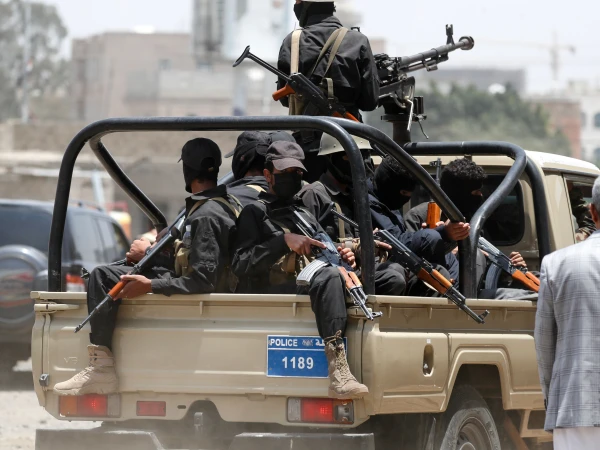
    MARIB: At least 10 people, including eight members of Yemen’s government-aligned security forces and two civilians, were killed in fresh Houthi attacks in the oil-rich Marib province, raising fresh concerns over a possible escalation in the country’s fragile security situation. According to local officials and military sources, Houthi fighters targeted positions held by forces loyal to Yemen’s internationally recognised government with missiles and drones. The attacks reportedly struck several military locations in Marib, a strategically important province that has remained a major focal point in Yemen’s long-running conflict. The latest violence comes despite a significant reduction in large-scale fighting across Yemen in recent years. The renewed attacks have therefore sparked concerns that the relative calm could be disrupted and that low-intensity clashes could once again develop into broader military confrontations. Reports also indicated that Houthi attacks in Marib and neighbouring Hadramout on Friday resulted in additional casualties, suggesting that the latest violence may be part of a wider increase in militant activity across government-held areas. Marib holds particular strategic importance because of its oil and gas resources as well as its location. Control of the province has long been a key objective for both the Yemeni government and the Houthis. The latest strikes have added to fears of a new escalation in Yemen, where years of conflict have already caused a severe humanitarian crisis. Any renewed fighting around Marib could carry wider consequences because of the province’s economic resources and military significance. The Houthis, who control large parts of northern and western Yemen including the capital Sanaa, have been involved in a prolonged conflict with government forces and their allies. The fresh deaths underline the continuing fragility of Yemen’s security environment and could test efforts to preserve the relative calm that has emerged after years of intense fighting.

  • | | | | |

    Iran displays wreckage of US, Israeli aircraft in …

    Iran’s Islamic Revolutionary Guard Corps (IRGC) has put the wreckage of US and Israeli aircraft on public display, offering a dramatic glimpse of the military hardware Tehran says was destroyed during the recent war. Images released by Iranian state-linked media show sections of aircraft arranged as part of an exhibition, including what has been identified as the remains of a US F-15 fighter jet. The display reportedly includes the aircraft’s ejection seat, canopy and part of its tail. The exhibition appears designed not only to showcase recovered wreckage but also to underline Iran’s claims about the effectiveness of its air-defence capabilities during the conflict. The appearance of the F-15 debris is particularly significant. Recent reporting has identified the wreckage as belonging to an F-15E Strike Eagle, while Iranian authorities have presented it as evidence of a successful engagement against US airpower. However, claims surrounding aircraft losses have been contested throughout the conflict. In earlier incidents, Iranian officials announced that US aircraft had been destroyed, while American officials disputed some of the claims. Independent identification of battlefield wreckage has also sometimes proved difficult. Iranian forces have previously showcased captured or downed US military equipment as symbols of resistance. A similar exhibition in Tehran in 2019 displayed wreckage of a US Global Hawk drone claimed to have been shot down by Iran. The latest display comes after Iran also claimed on July 30 that three US F-35 fighter jets had been destroyed at Jordan’s Al Azraq airbase. That claim has not been independently established. By placing the aircraft remnants on display, Tehran is turning battlefield debris into a powerful political and military message—one intended to demonstrate that even advanced American and Israeli aircraft can be targeted during wartime. The exhibition is likely to fuel further debate over the scale of aircraft losses during the conflict and the competing narratives presented by Iran, the US and Israel.

  • | | | |

    Yemen launches counter-operation against Houthis a…

    Yemen’s internationally recognised government forces have launched a military counter-operation against the Houthis following a series of missile and drone attacks on military positions in the provinces of Marib and Hadramout, according to a military spokesman. Yemeni army spokesman Majed al-Nazili said the government forces had begun responding to the attacks and would not tolerate threats against civilians, troops or military positions. “We will give a decisive military response to the threats facing the Yemeni people and armed forces,” al-Nazili said, according to the statement cited by local media. The announcement comes after Houthi forces carried out a series of attacks on government-aligned military camps in Marib and Hadramout. Recent reports said at least 30 Yemeni government soldiers were killed and 15 others wounded in the strikes. The escalation has raised fresh concerns over the fragile security situation in Yemen, where large-scale fighting had significantly declined following the UN-mediated truce that began in April 2022. Although the truce formally expired later that year, the country avoided a full return to nationwide warfare for an extended period. The latest violence is being closely watched because Marib remains strategically important to Yemen’s government, while Hadramout is a major eastern province with significant military and economic importance. The United Nations has repeatedly warned that renewed military escalation could undermine diplomatic efforts and worsen Yemen’s already severe humanitarian crisis. The UN Security Council has stressed the need for restraint and a Yemeni-led political process as the most viable route toward a lasting settlement. The latest developments could therefore mark a dangerous turning point if the government’s promised counter-operation leads to sustained fighting. For millions of Yemenis already affected by years of conflict, renewed hostilities could bring further displacement, economic hardship and pressure on essential services. With both sides now trading threats and military strikes, attention is turning to whether the latest confrontation remains limited—or develops into a broader escalation across Yemen.