Top Story

  • | | | |

    Two UAE-linked ships attacked in Strait of Hormuz,…

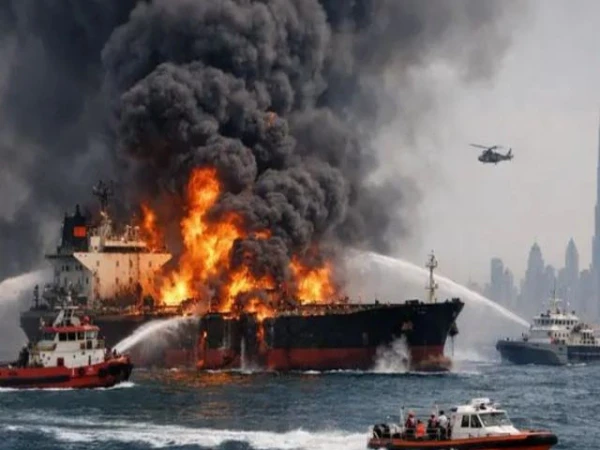
    DUBAI: Two vessels belonging to Abu Dhabi National Oil Company (ADNOC) were attacked while passing through the Strait of Hormuz on Thursday evening, according to the UAE state news agency WAM and ADNOC. No injuries or deaths were reported. ADNOC said the situation had been brought under control and that authorities were managing the incident. The company did not immediately provide detailed information about the vessels, their cargoes or the extent of any damage. The United Arab Emirates has accused Iran of carrying out the attack, while Tehran has not immediately commented on the allegation. The UAE Foreign Ministry condemned what it described as a hostile Iranian attack and said targeting commercial shipping posed a threat to regional stability and global energy security. The incident is the latest in a series of attacks involving ADNOC-linked vessels in the strategic waterway. The company said earlier this month that 15 of its vessels had been attacked by missiles and drones since the conflict began, with one crew member killed and 20 injured in previous incidents. ADNOC said the safety and wellbeing of its crews, particularly maritime workers, remained its highest priority. It also stressed the importance of maintaining safe navigation and freedom of movement through the Strait of Hormuz. The latest attack comes as shipping traffic through the waterway remains well below normal levels amid heightened tensions between Iran and the United States. Kpler data showed that only nine commodity vessels passed through the strait on Thursday, compared with an August daily average of about 12. The Strait of Hormuz, located between Iran and Oman, is one of the world’s most important energy chokepoints. Before the current conflict, roughly one-fifth of global oil and liquefied natural gas shipments passed through the narrow waterway. Repeated attacks and growing security concerns have forced shipping companies to reassess routes, while some vessels have delayed or avoided transit altogether. ADNOC urged the public to rely only on official and verified information about the latest incident and avoid spreading rumours or unconfirmed claims. With tensions still high around the waterway, the latest attack has renewed concerns over the safety of commercial shipping and the potential impact on global energy markets.

  • | |

    Russia calls for immediate end to Yemen blockade

    UNITED NATIONS: Russia has called for the immediate and complete lifting of the maritime and land blockade imposed on Yemen, urging an end to restrictions on the delivery of food, medicines and other essential supplies. Speaking at the United Nations Security Council, Russian representative Yulia Zhdanova blamed the United States and Israel for contributing to the growing tensions surrounding Yemen, according to Arab media reports. Zhdanova said restrictions affecting the movement of humanitarian supplies should be removed to prevent further suffering among Yemen’s population. She stressed that civilians should not bear the consequences of the wider regional conflict. The Russian diplomat also argued that the prolonged deadlock in Yemen’s peace process had created conditions in which the Houthis became increasingly drawn into the regional confrontation. Moscow urged the immediate resumption of peace negotiations, saying there was no lasting military solution to the conflict. Zhdanova said a political settlement could only be achieved through dialogue involving Yemen’s key political forces. She called for the legitimate interests of all major stakeholders, including the Houthis, to be taken into account during negotiations. Russia’s appeal comes as Yemen remains caught in a wider regional crisis, with concerns growing over humanitarian access and the disruption of essential supplies. Moscow said renewed diplomacy and an inclusive political process were necessary to move Yemen towards lasting peace and reduce the risk of further escalation.

  • | | | |

    Nation celebrates 79th Independence Day with grand…

    Pakistan is celebrating its 79th Independence Day today with national spirit and enthusiasm. The celebrations began across the country at midnight. People came out of their homes to mark the occasion. Streets, markets and neighbourhoods were decorated with the national flag. Green and white lights illuminated many cities. Buildings and public places were also decorated for the national day. Fireworks were held in several major cities. Citizens gathered at different locations to enjoy the celebrations. Karachi, Lahore, Islamabad, Peshawar, Quetta and Multan witnessed large gatherings. Many people carried national flags and wore green and white clothes. Rallies were also organised in different parts of the country. Citizens took part in patriotic events and expressed their love for Pakistan. In Lahore, a spectacular fireworks display was held at Greater Iqbal Park. A large number of people gathered at the park to celebrate Independence Day. Another major fireworks display was organised at Liberty Chowk. Families and young people attended the event in large numbers. Hyderabad also witnessed fireworks soon after midnight. Residents came out onto the streets to celebrate the national occasion. Multan joined the celebrations with a fireworks display at Ghanta Ghar Chowk. The district administration organised the event. A large crowd gathered at the historic location. The official celebrations continued after midnight. Special prayers were offered during Fajr prayers across the country. Prayers were made for Pakistan’s development and prosperity. People also prayed for national unity and peace. Special prayers were offered for the country’s security and stability. In Lahore, the day began with a 21-gun salute. The salute was held to mark the beginning of Independence Day. A similar 21-gun salute was held at the cantonment in Quetta. Mosques across the city also held special prayers for the country’s safety and security. The national day is being marked with ceremonies and patriotic activities across Pakistan. Government institutions, security forces and citizens are participating in different events. The celebrations highlight national unity and patriotism. People are also using the occasion to remember the sacrifices made for the creation of Pakistan.

  • | | |

    X blocks Houthi military spokesman Yahya Saree’s…

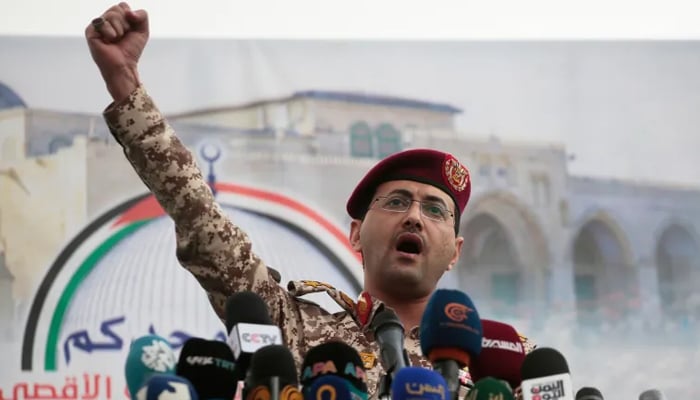
    SANAA: Social media platform X has reportedly suspended the account of Houthi military spokesman Yahya Saree, removing an important online channel used to communicate statements and announcements by the Yemen-based group. The account had more than 121,500 followers and was widely used for posts concerning the Houthis’ military activities and claims of attacks in the Red Sea and surrounding waters. According to the report, visitors to the account were shown an “Account Suspended” notice. X’s standard message on suspended accounts says the platform takes action against accounts that violate its rules. The specific reason for the suspension was not immediately clear. Saree has been a prominent public voice for the Houthi movement, frequently appearing in televised statements and issuing announcements concerning military operations. His statements have included claims about attacks on vessels in the Red Sea as well as operations targeting Saudi Arabia and other regional adversaries. The suspension could therefore affect one of the group’s most visible channels for communicating directly with its supporters and the wider public. Saree’s online presence has faced restrictions before. His earlier Twitter account was suspended in 2022, after which another account was created for continued communication. Historical reporting also shows that Houthi-affiliated accounts have faced changes to their verification status and other platform restrictions. The latest reported action comes amid continuing tensions surrounding Yemen and the Red Sea, where Houthi attacks on shipping have drawn international attention. The group has repeatedly said its operations are linked to the wider regional conflict and has issued statements claiming responsibility for attacks against vessels. The Houthis’ military statements are often closely watched because they provide the group’s own account of operations, although claims about attacks and damage are not always independently verified. The reported suspension also raises broader questions about how social media platforms handle accounts belonging to armed groups and their spokespeople, particularly when those accounts are used both for political messaging and military announcements. While the immediate reason for the latest action remains unclear, the removal of Saree’s account could make it more difficult for the Houthi movement to communicate through one of its established social media channels. For now, attention is likely to remain on whether X provides a specific explanation for the suspension and whether Saree or the Houthi authorities establish another account to continue distributing official statements.

  • | | | |

    Iran FM accuses West of ‘shameful hypocrisy’

    Iran FM accuses West of ‘shameful hypocrisy’Iranian Foreign Minister Abbas Araghchi has sharply criticised France and other Western countries over their stance on human rights and Iran’s treatment of protesters. Araghchi accused Western governments of adopting double standards by condemning Tehran over its response to domestic unrest while, in his view, failing to take meaningful action over Israel’s conduct in Gaza and the wider Middle East. In a statement on X, the Iranian foreign minister said countries such as France should stop giving lectures to others on human rights and international law. He described what he called Western hypocrisy as both “clear and shameful,” arguing that their policies had undermined their claims of moral authority. Araghchi also criticised Western support for Israel, saying that backing Israel during the Gaza conflict and what he described as aggression against Iran had damaged the credibility of Western governments on human rights issues. His comments came after the European Union and 20 other countries issued a joint statement expressing concern over the deaths of protesters in Iran. The countries called on the Iranian authorities to take meaningful measures to protect human rights. They also urged Tehran to end the use of the death penalty and release people who had allegedly been detained arbitrarily. Araghchi rejected the criticism and questioned the consistency of Western governments’ positions on human rights. The dispute highlights growing tensions between Iran and Western nations over the treatment of protesters, the use of capital punishment and the broader conflict in the Middle East. Iran has repeatedly accused Western governments of interfering in its internal affairs and applying selective standards to international human rights issues. Western governments, meanwhile, have continued to raise concerns about the treatment of protesters and detainees in Iran.

  • | | |

    CIA doubted Iran threat behind Trump plane switch

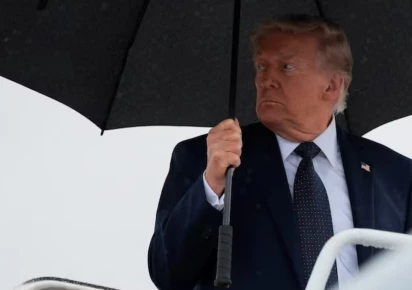
    WASHINGTON: US intelligence officials had doubts about the credibility of an alleged Iranian threat against President Donald Trump that triggered an extraordinary security operation during his departure from Türkiye last month, according to a Washington Post report. The revelation adds a new twist to the dramatic episode in which Trump was secretly moved from an aircraft at Ankara airport and flown to Britain aboard a smaller military jet while another aircraft was used as a decoy. The Washington Post, citing current and former US officials familiar with the intelligence, reported that CIA analysts did not consider information provided by Israel sufficiently compelling. The analysts reportedly communicated their reservations to officials in the Trump administration. The intelligence was described by one US official as Israeli-derived rather than US-generated and assessed with “low confidence”, according to the report. The CIA has declined to comment publicly. Despite the doubts, the US Secret Service decided that the potential danger justified extraordinary precautions. Trump’s security team has faced several serious incidents during his presidency and officials have stressed that they were unwilling to take unnecessary risks. The unusual operation unfolded after Trump attended the NATO summit in Ankara on July 8. According to reports, the president was initially expected to leave Türkiye aboard Air Force One. Instead, he was covertly transferred to a C-32A military aircraft through an airport catering truck. Trump and a small group of close aides then travelled to Britain’s Mildenhall air base, with fighter jets providing protection. Meanwhile, the regular presidential aircraft continued as part of a carefully planned deception. The operation has attracted considerable attention because it involved not only a change of aircraft but also secrecy from journalists and some senior officials travelling with the presidential delegation. The Washington Post reported that close Trump aides Dan Scavino, Natalie Harp and Walt Nauta accompanied him during the covert transfer, while no Cabinet officials did. The White House has defended the decision, saying Trump faces numerous threats, including threats linked to Iran, and that the Secret Service’s primary responsibility is protecting the president. Trump himself said the decision to use another plane was made by the Secret Service and that he followed its instructions. Reuters also reported that US officials considered the threat serious enough to warrant the covert aircraft switch. The intelligence dispute has nevertheless raised broader questions about the information shared between Israel and Washington. Some current and former US intelligence officials reportedly believe Israeli reporting can sometimes be intended not only to warn American leaders but also to influence policy decisions. The episode comes amid heightened tensions between Washington, Israel and Iran, making intelligence assessments particularly sensitive. It also highlights the difficult balance between acting quickly on potential threats and determining how reliable those threats actually are. For the Trump administration, the incident has now become more than a story about an unusual plane switch. It has raised questions about intelligence credibility, presidential security and the influence of foreign-provided information on US decision-making.

  • | | | |

    US and Iran agree to extend 60-day ceasefire

    ISLAMABAD: The United States and Iran have agreed in principle to extend their 60-day ceasefire, according to a Turkish news agency report citing Pakistani government sources. The report said both Washington and Tehran had informed mediators of their willingness to prolong the truce. The two sides are also exchanging messages to determine the length of the proposed extension, according to the report. The current ceasefire is due to expire on August 17. Mediators have been informed that both countries are prepared to continue the pause in hostilities. According to international media reports, the United States and Iran signed a 14-point memorandum of understanding on June 17. The agreement established a 60-day period for maintaining the ceasefire and completing negotiations aimed at bringing a permanent end to the conflict. The memorandum also included arrangements for keeping the Strait of Hormuz open to commercial shipping during the ceasefire. However, disagreements over the interpretation of several provisions have continued to create tensions between Washington and Tehran. Both sides have repeatedly accused each other of violating the terms or spirit of the understanding. The proposed extension could provide additional time for diplomatic efforts and negotiations aimed at addressing the outstanding issues between the two countries. Mediators are expected to remain engaged as Washington and Tehran work to settle the duration and other details of the extended ceasefire.

  • | | | |

    Iran rejects talks on ceasefire extension

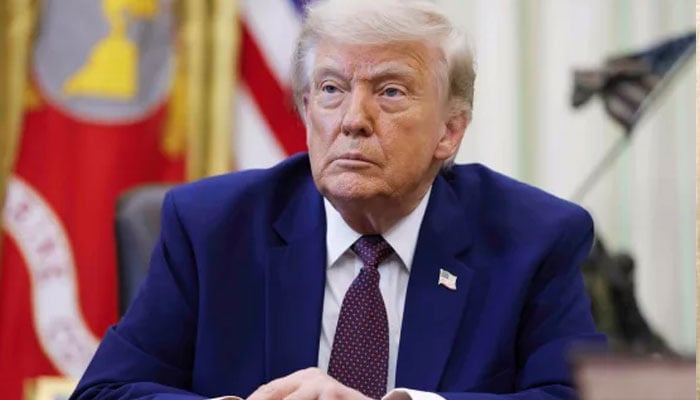
    Pakistan is making diplomatic efforts to help extend the ceasefire between the United States and Iran, as the current truce is scheduled to expire on Sunday, August 16. Sources said Islamabad is trying to use the understanding reached under the Islamabad Memorandum of Understanding to encourage both sides to maintain the ceasefire and return to negotiations. According to the sources, mediators believe additional time is needed to bridge differences between Washington and Tehran. Diplomatic efforts are therefore continuing to prevent the situation from deteriorating after the current ceasefire period ends. However, an Iranian senior official gave a different assessment of the situation. The official said there have been no discussions between Iran and the United States regarding an extension of the ceasefire. Iran has maintained that Washington must return to the agreement and honour its previous commitments. Tehran has also demanded a clear and credible timeline for the implementation of those commitments before any further understanding can be reached. Meanwhile, US President Donald Trump has made strong statements about the strategic Strait of Hormuz. Trump claimed that the United States now has complete control over the vital waterway and said Iran has limited options to challenge the American naval blockade. The Strait of Hormuz remains a major international shipping route and plays a crucial role in global energy supplies. Any prolonged disruption in the waterway could have serious consequences for oil and gas markets and international trade. Iranian military officials have warned that a renewed US offensive could lead to a wider confrontation. An Iranian military spokesman said energy transmission networks, power plants and infrastructure connected to the global internet could become targets if American military action resumes. The warning has raised concerns that any collapse of the ceasefire could expand the conflict beyond conventional military targets and affect critical infrastructure. Meanwhile, Turkish President Recep Tayyip Erdogan has expressed hope that additional countries will join the Makkah Defence Agreement. He indicated that broader participation could strengthen regional security cooperation. In another development, US Central Command said a Panama-flagged cargo vessel attempting to breach the naval blockade was disabled after a US helicopter fired a missile at the ship. The incident has further highlighted the risks facing commercial shipping in the region amid continuing tensions between Washington and Tehran. Separately, Japanese Prime Minister Sanae Takaichi discussed the situation with Iranian President Masoud Pezeshkian in a telephone conversation. Takaichi called for the Strait of Hormuz to be reopened once negotiations between Iran and the United States reach a successful conclusion.

  • | | |

    Asif signals possible US-Iran deal amid Hormuz talks

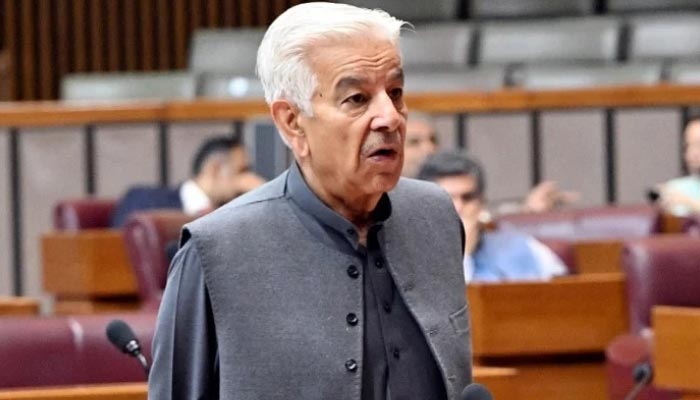
    ISLAMABAD: Defence Minister Khawaja Asif has said the United States and Iran may be moving closer to an agreement as diplomatic efforts continue to resolve the conflict and ease restrictions around the Strait of Hormuz. Speaking to Bloomberg, Asif said recent developments had created renewed hopes for a possible peace arrangement. He said signals over the past two to three days suggested that Washington and Tehran were approaching “some sort of an arrangement.” His comments came as Qatar said separate discussions between Oman and Iran regarding the management of the Strait of Hormuz had reached an advanced stage. The waterway remains at the centre of the crisis. It is a major route for global energy supplies, with a significant share of the world’s oil and liquefied natural gas shipments passing through it. Pakistan and Qatar have been involved in diplomatic efforts aimed at reducing tensions between Iran and the United States. Pakistan has continued contacts with Iranian officials as part of these mediation efforts. On Tuesday, Iranian Foreign Minister Abbas Araghchi met Pakistan’s Interior Minister Mohsin Naqvi in Tehran. Details of their discussion were not immediately disclosed, but the meeting came amid renewed diplomatic activity over the conflict. Iran has previously said it was working with Oman on arrangements for shipping through the Strait of Hormuz. Tehran has maintained that reopening the waterway fully would depend on the United States meeting several conditions. Those demands include compensation, an easing of sanctions and guarantees against further military action, according to Iranian officials. Araghchi has said Iran and the US are not holding direct negotiations. Messages are instead being exchanged through intermediaries. US President Donald Trump has also raised the issue of compensation. He said Washington would seek payments from Iran for damage and casualties allegedly caused over several decades. Despite the diplomatic activity, tensions remain high in regional waters. Four crew members were reportedly killed in a suspected attack on a cargo vessel near the Bab el-Mandeb Strait. The incident was blamed on Houthi forces, although the group had not immediately claimed responsibility. A separate container ship was also reportedly struck while sailing through the Gulf of Oman near Pakistan. Initial reports indicated that the incident may have involved US military action. The developments have increased concerns over the safety of commercial shipping in the region. Oil prices also remained elevated because of uncertainty surrounding the Strait of Hormuz. Prices eased on Tuesday after reaching a one-week high earlier in the session as investors responded to signs of possible diplomatic progress. The crisis has placed pressure on Washington and Tehran to find a political solution. Any agreement that reduces tensions and restores normal shipping through Hormuz could have a major impact on global energy markets.

  • | | | |

    Trump reveals why Secret Service changed his plane

    WASHINGTON: US President Donald Trump has confirmed that his surprise plane switch during his departure from Turkey last month was carried out on the advice of the Secret Service, amid concerns over a potential threat linked to Iran. Trump said the aircraft he had initially been expected to travel on could have faced a “greater risk,” adding that he does not trust Iran. His remarks came after reports revealed that his departure from Ankara following the NATO summit involved an elaborate security operation. According to reports, Trump publicly boarded Air Force One in front of cameras, creating the impression that he would fly out of Turkey on the presidential aircraft. However, he was later secretly transferred to a smaller C-32A military aircraft. The move was reportedly carried out using an airport catering truck to conceal his transfer. Journalists and some White House staff reportedly remained under the impression that Trump was aboard Air Force One. Reporters were also instructed to keep their window shades closed, adding to the secrecy surrounding the operation. Trump said he followed the Secret Service’s instructions when the aircraft change was made and did not challenge the security decision. The unusual operation reportedly stemmed from heightened concerns over Iranian threats against the US president. Trump’s latest comments have now confirmed key details of the previously undisclosed flight arrangement. The episode has drawn attention because of the extraordinary measures used to conceal the president’s movements. It also highlights the heightened security concerns surrounding Trump amid continuing tensions between Washington and Tehran. For a president whose movements are normally tracked closely by the media and security officials, the covert transfer from one aircraft to another remains one of the most unusual presidential travel episodes of the year.