christina applegate returns
|

Christina Applegate returns home after extended hospital stay

Christina Applegate has returned home after spending nearly four months in the hospital, marking a hopeful milestone in her ongoing health journey.

According to reports, the actress is recovering well after receiving treatment over the past several months. A source close to Applegate shared that she has made encouraging progress and is now continuing her recovery from the comfort of her home.

“She is doing very well,” the insider said, offering a positive update on the actress’ condition.

While Applegate’s return home has been welcomed by fans, it has not been confirmed whether her lengthy hospital stay was directly connected to her long-standing battle with multiple sclerosis (MS). The actress has chosen to keep many details about her recent health challenges private.

The latest update comes several months after Applegate addressed concerns about her health following reports of her hospitalization in April. At the time, she released a heartfelt statement thanking fans for their overwhelming support while choosing not to reveal the exact nature of the medical issues she was facing.

“Thank you for the outpouring of love and well wishes,” Applegate said in her message. “Health issues are a constant for me, but I’m a strong chick, and I’m getting stronger and better every day.”

She also assured supporters that her focus remained on healing, adding that she was taking time to prioritize her health before returning to public life.

“I’m taking a moment to focus on my health, but I’ll be back with more to say soon enough,” she shared.

Applegate was diagnosed with multiple sclerosis in 2021, a condition she publicly revealed after experiencing symptoms that significantly affected her daily life and career. Multiple sclerosis is a chronic disease that impacts the central nervous system by damaging myelin, the protective covering surrounding nerve fibers. This damage disrupts communication between the brain and the rest of the body, often leading to symptoms such as fatigue, muscle weakness, numbness, balance problems, and mobility issues. The condition varies from person to person and currently has no cure, although treatments can help manage symptoms and slow its progression.

Since revealing her diagnosis, Applegate has spoken candidly about the physical and emotional challenges of living with the disease. In a previous interview, she described multiple sclerosis as the most difficult experience she has ever faced.

“This is the worst thing I’ve ever had in my life; it’s the worst thing I’ve ever gone through,” she said, reflecting on the impact the illness has had on her personal and professional life.

Despite these challenges, the actress has continued to inspire fans with her honesty, resilience, and determination. Her openness about living with MS has also helped raise awareness about the condition and encouraged conversations about chronic illness and disability.

Before stepping away from acting, Applegate’s final on-screen performance was in the third and final season of the acclaimed dark comedy series Dead to Me. Her performance earned widespread praise, and many fans continue to admire her strength both on and off the screen as she focuses on her health and recovery.

Similar Posts

  • | |

    Gohar rejects reports on Imran-Noreen meeting

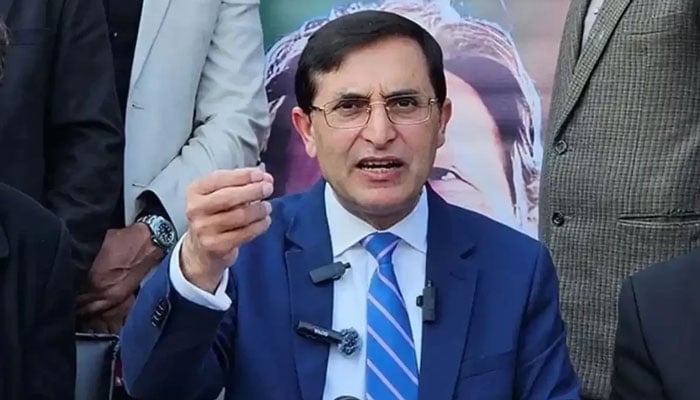
    PTI Chairman Barrister Gohar Khan has rejected reports about the meeting between party founder Imran Khan and Noreen Niazi. He said several fabricated reports were being circulated about what was discussed during the meeting. Speaking about the matter, Barrister Gohar said he contacted Noreen Niazi by phone after her meeting with Imran Khan. However, he said she did not share details of the conversation or explain what had taken place during the meeting. According to Barrister Gohar, Noreen Niazi had made it clear that she would not discuss the meeting outside. She had also decided not to speak publicly about the details of her interaction with Imran Khan. Barrister Gohar said there was no truth in reports claiming that Imran Khan had spoken against PTI leadership. He specifically clarified that the PTI founder had not made any remarks against Sohail Afridi or other members of the party leadership. He said the reports being circulated about the meeting were misleading and should not be treated as factual. Barrister Gohar maintained that the details being attributed to the meeting did not reflect what had actually been discussed. The PTI chairman also said Noreen Niazi appeared to be happy after meeting Imran Khan. However, he noted that there were certain matters discussed during the meeting that could not be shared publicly. He said some information remained private because of the nature of the meeting. Barrister Gohar therefore urged people not to rely on unverified reports or speculation regarding the interaction between Imran Khan and Noreen Niazi.

  • |

    Punjab cotton crop in satisfactory shape as rice cultivation surpasses target

    LAHORE: The cotton crop in Punjab is currently showing a generally satisfactory condition, while rice cultivation in the province has exceeded the government’s target by a significant margin, with growers sowing the crop over more than six million acres against the planned five million acres. The latest assessment was shared at a high-level meeting held in Multan on Saturday to review the progress of major standing crops, agricultural extension services and measures aimed at strengthening farming activity across Punjab. The meeting was chaired by Additional Chief Secretary Punjab Iftikhar Ali Sahoo and brought together senior officials from the Agriculture and Irrigation departments, representatives of the farming community and experts from the agricultural sector. Among those attending were Muhammad Nawaz Sharif University of Agriculture Vice Chancellor Professor Dr Asif Ali, Special Secretary Agriculture South Punjab Sarfraz Hussain Magsi, Agriculture Department Directors General Abdul Hameed, Naveed Asmat Kahloon, Dr Aamir Rasool and Dr Sajid-ur-Rehman, as well as Kissan Ittehad President Khalid Mahmood Khokhar, Syed Hassan Raza and Dr Muhammad Iqbal Bandesha. Additional Secretary Task Force Shabbir Ahmed Khan, Director General Crop Reporting Dr Abdul Qayyum and Agriculture Department Consultant Dr Muhammad Anjum Ali participated in the meeting through a video link. Officials briefed the meeting on the condition of major crops and the progress of field-level initiatives designed to assist farmers. Cotton remained a major focus of the discussion because of its importance to Pakistan’s textile-based economy and its contribution to agricultural incomes. The participants were informed that the cotton crop across Punjab was in a satisfactory condition. However, officials stressed the need for continued field monitoring and timely technical support to protect the crop from potential threats during its critical growth stages. Cotton is considered one of Pakistan’s most important cash crops and serves as a major source of raw material for the country’s textile industry. Its performance has a direct bearing on farmers, ginners, textile manufacturers and export-oriented businesses. In recent years, cotton production has faced challenges from changing weather patterns, pest attacks, input costs and competition from alternative crops. Sahoo emphasised that the government was giving priority to agricultural development and the economic well-being of farmers. He directed agriculture officials and field formations to maintain regular contact with growers and ensure that technical advice reached farmers in a timely manner. He said the strategy prepared for the revival and strengthening of cotton cultivation should be implemented in letter and spirit. Officials were also asked to remain active in the field and assist growers in dealing with crop-related issues. Highlighting cotton’s wider economic significance, the additional chief secretary said the country’s economy and textile sector could not be viewed separately from the performance of the cotton crop. He stressed the need for coordinated efforts to improve productivity and strengthen the position of cotton growers. The meeting also reviewed the progress of rice cultivation. According to the officials, rice had already been planted over more than six million acres in Punjab, exceeding the season’s target of five million acres. Sahoo directed agricultural authorities to intensify technical guidance for rice growers, particularly to help them improve productivity, maintain crop quality and adopt better farming practices. He called for greater involvement of regional agricultural forums and professional experts in addressing issues faced by farmers at the local level. Such platforms, he said, should use their technical expertise to help improve agricultural performance and provide practical solutions to growers. The additional chief secretary also appreciated the efforts of Agriculture Department field teams for their role in supporting farmers and monitoring crop conditions across the province. Later, Sahoo visited the Model Agriculture Mall in Multan to inspect arrangements for the provision of agricultural inputs to farmers. During the visit, he reviewed the availability of fertilisers and other essential inputs and sought information from officials regarding stocks and farmer demand. He directed the relevant authorities to ensure uninterrupted availability of fertiliser at the facility so that farmers did not face shortages during the ongoing crop season. Officials said crop conditions would continue to be monitored closely in the coming weeks. With rice cultivation entering the final stages of the transplantation period and cotton moving into an important phase of its growth cycle, timely field intervention and availability of agricultural inputs would remain crucial to determining overall crop performance. The government is expected to maintain its focus on farmer guidance, crop monitoring and input availability as the province moves further into the agricultural season.

  • | | |

    Pakistan set to begin $2.5bn ML-1 Railway upgrade …

    LAHORE: Pakistan Railways is moving ahead with preparations for the first phase of the $2.5 billion Main Line-1 (ML-1) project, with civil works expected to begin in January 2027 under the government’s accelerated implementation plan. The first phase will focus on the 480-kilometre Karachi-Rohri railway corridor, where new tracks will be constructed alongside safety fencing to prevent unauthorised access. The project is expected to take around two-and-a-half to three years to complete. Railways Minister Hanif Abbasi said the department was making every effort to meet the January deadline set by Prime Minister Shehbaz Sharif. He noted that consultations with contractors and consultants, international tendering, bidding, shortlisting and contract awards could take four to five months, but the government was determined to keep the project on schedule. Pakistan Railways has scheduled an online market engagement session for September 8 with local and international contractors, consultants and other stakeholders. The discussions will focus on project readiness, procurement, technical requirements, contract packages, qualification criteria, risk allocation and construction while railway operations continue. The Karachi-Rohri section has been prioritised because it carries a major share of the country’s railway traffic and includes stretches affected by deteriorating infrastructure and frequent accidents. Once upgraded, the corridor is expected to allow trains to operate at speeds of up to 160 kilometres per hour. The project will include track reconstruction, selected realignments, bridges, culverts, stations, freight facilities and other infrastructure along the Keamari-Landhi-Hyderabad, Hyderabad-Nawabshah and Nawabshah-Rohri sections. Upgrades to signalling, telecommunications and Walton Academy are also part of the broader plan. The Asian Development Bank is expected to finance the project, while Pakistan is also exploring co-financing from the Asian Infrastructure Investment Bank, World Bank, Islamic Development Bank and other partners. A meeting at Pakistan Railways headquarters reviewed preparations for the Karachi-Rohri upgrade, with Railway Board Chairman Syed Mazhar Ali Shah directing officials to complete the project review by October 30, 2026. Weekly monitoring of progress was also ordered. Officials said international expertise and market feedback would be incorporated into the project to improve its efficiency, sustainability and technical viability. Authorities also pledged to maintain transparency, competitiveness and merit throughout the procurement and implementation process. The government sees ML-1 as a key step towards modernising Pakistan’s railway network, improving passenger services, increasing freight efficiency and strengthening connectivity between major population centres and industrial areas.

  • |

    KP cabinet approves tax exemptions for merged districts, Malakand

    PESHAWAR: The Khyber Pakhtunkhwa government has approved a package of measures aimed at providing tax relief to businesses and industries operating in the province’s merged tribal districts and Malakand Division, while also expanding welfare and education initiatives. According to Khyber Pakhtunkhwa Information Minister Shafiullah Jan, the provincial cabinet has endorsed exemptions from certain provincial taxes for service providers and industries operating in areas previously covered by the Federally Administered Tribal Areas (FATA), Provincially Administered Tribal Areas (PATA) and Malakand Division. Under the decision, service providers operating in the former FATA, PATA and Malakand areas will be exempted from provincial sales tax on services. Industries established in these regions will also receive relief from withholding sales tax. The government said the tax measures were intended to encourage investment, facilitate businesses and support economic activity in areas that have historically faced developmental and infrastructure challenges. Ehsaas Nawaz funding increased The cabinet also approved a significant increase in the financial allocation for the Ehsaas Nawaz programme. According to the information minister, the programme’s funding has been raised from Rs3 billion to Rs5 billion. The increase is expected to provide additional financial support under the government’s welfare initiatives and expand the programme’s reach among deserving segments of the population. Ashra Rahmat Lil-Aalameen programme approved The provincial cabinet also approved arrangements for observing Ashra Rahmat Lil-Aalameen (PBUH) across Khyber Pakhtunkhwa. The celebrations will formally begin from the first day of Rabi-ul-Awwal, with the cabinet approving a schedule for programmes to be organised across the province. The initiative is expected to include a range of activities aimed at highlighting the teachings, life and message of the Holy Prophet Muhammad (PBUH). Education sector measures Several decisions concerning education were also approved during the cabinet meeting. The provincial government sanctioned funds for schools and colleges in various districts to address educational requirements and improve facilities. The cabinet also approved a system for providing textbooks according to the semester system up to Grade 5. In another major education-related decision, the cabinet approved the provision of 100 percent free textbooks for students from Grade 9 to Grade 12. The measures are aimed at reducing the financial burden on students and their families while improving access to educational resources, particularly for students enrolled in government institutions. Public-private partnership legislation The cabinet further approved the Khyber Pakhtunkhwa Public Private Partnership Authority Bill 2026 for enactment. The proposed legislation is intended to establish a formal framework for public-private partnerships in the province and facilitate greater participation of the private sector in development projects. The government believes stronger public-private cooperation can help mobilise investment, improve service delivery and accelerate infrastructure development across Khyber Pakhtunkhwa.

  • |

    Shahood Alvi sparks controversy with candid marriage remarks

    Pakistani television actor and director Shahood Alvi has once again found himself at the centre of social media discussions following his candid remarks about marriage, relationships and the role of women in maintaining a healthy relationship. Shahood began his showbiz career at Pakistan Television as a boom operator alongside his maternal uncle, Iqbal Ansari. He later moved into acting and gradually established himself as a recognised performer through his work in several popular television dramas. The actor is married to Saima Shahood, and the couple has three daughters, Areeba, Sajal and Arija, all of whom are now married. Shahood frequently appears on morning shows, particularly programmes that feature discussions about marriage, relationships and family life. During a recent television appearance alongside actresses Laila Zuberi and Fariha Awan, Shahood shared his views on why some husbands may lose interest in their wives. His comments, however, quickly attracted attention and divided opinions online. Discussing the possible reasons behind a decline in a husband’s interest, Shahood suggested that women who spend most of their time at home may sometimes carry the smell of ingredients such as ginger and garlic from cooking. He contrasted this with men working in offices, where they may encounter women wearing perfumes. He questioned why a husband would remain attracted if his wife smelled of cooking ingredients, while women in offices might be dressed up and wearing fragrance. The actor also made another controversial remark when the discussion turned towards seeking professional help for marital problems. When Fariha Awan suggested therapy as an option for couples facing difficulties, Shahood jokingly questioned what would happen if a therapist ran away with someone’s wife. He repeated the warning while referring to psychiatrists, describing it as a humorous concern. Shahood further said that spending excessive amounts of time on a mobile phone could be a negative sign in a marriage. He suggested that women should also make an effort to regain their husbands’ attention by preparing food they enjoy and getting ready before their husbands return home. Laila Zuberi agreed that making an effort to look presentable for one’s spouse has traditionally been viewed positively. Recalling her childhood, she said she remembered her mother applying lipstick before her father returned home. Fariha Awan also supported the idea that women could make additional efforts to present themselves well before their husbands came home. Shahood went on to discuss his own marriage, saying he had tried to teach his wife several practical tasks, including paying bills, shopping for groceries and driving. However, he said jokingly that she never learned these skills and referred to her humorously as a “stubborn one.” He also recalled advice from actress Bushra Ansari, who had discouraged his wife from learning how to drive. According to Shahood, Bushra believed that once housewives learned to drive, their responsibilities could increase because they might then be expected to take children to school and bring them back. Following the television appearance, Shahood’s comments have sparked mixed reactions on social media. While some users criticised his remarks as outdated or insensitive, others viewed them as part of the informal and humorous nature of morning-show conversations. Despite the debate, Shahood’s comments have once again placed discussions surrounding marriage, expectations from spouses and gender roles in the spotlight.

  • | | |

    Economists urge SBP to hold rate at 11.5%

    Economists have recommended that the State Bank of Pakistan (SBP) keep its policy rate unchanged at 11.5% at its upcoming monetary policy meeting on July 27. The recommendation comes as inflation has started to ease, but underlying price pressures remain high. Analysts believe the economy is also recovering unevenly, leaving limited room for another increase in borrowing costs. A recent economic assessment showed that headline inflation fell to 11.1% in June. However, core inflation remained elevated. Urban core inflation stood at 8.7%, while rural core inflation was recorded at 7.9%. Economists said much of the current inflationary pressure is coming from food, energy, transport and government-controlled prices. These factors cannot be addressed effectively through interest-rate changes alone. They also warned that a recent increase in the Sensitive Price Indicator (SPI) requires close monitoring. The development could indicate that the decline in inflation has not yet become firmly established. Financial market indicators also support maintaining the current policy rate. Short-term Treasury bill yields remain close to the SBP’s existing rate, while the overnight interest rate is also broadly aligned with the current monetary policy stance. However, yields on longer-term Treasury bills have increased. The six-month yield reached 11.80%, while the 12-month yield rose to 11.99%. Economists said the movement reflects some caution about the medium-term economic outlook. The assessment noted that Pakistan’s economic recovery has gained momentum but remains uneven. Large-scale manufacturing continues to face challenges, while there are no strong signs of excessive demand that would require another rate hike. Economists warned that raising the policy rate further could increase borrowing costs for businesses and consumers. It could also discourage investment and slow economic activity without directly tackling the supply-side factors behind current inflation. Pakistan’s external position has improved in recent months. Higher foreign exchange reserves, strong remittance inflows and relative stability in the exchange rate have reduced immediate pressure on the economy. Despite these improvements, risks remain. The country continues to face a sizeable merchandise trade deficit and upcoming external debt repayments. Heavy dependence on imported energy also leaves Pakistan vulnerable to international oil price fluctuations. A sharp rise in global oil prices could increase transportation and energy costs in Pakistan. It could also widen external pressures and trigger another round of inflation. Persistent core inflation is another major concern. If underlying price pressures remain high, inflation expectations could become difficult to control. This could delay any reduction in interest rates or force the central bank to consider tighter monetary policy. A weakening exchange rate could create additional pressure by making imports more expensive. It could also affect foreign exchange reserves and increase imported inflation. Economists have therefore advised the SBP to closely monitor private-sector borrowing, lending rates, monetary growth and the difference between short- and long-term interest rates. For now, the indicators favour maintaining the policy rate at 11.5%. However, economists say the central bank should remain ready to adjust its stance if inflation, oil prices, exchange-rate pressures or external financing risks deteriorate.

Leave a Reply

Your email address will not be published. Required fields are marked *