delay noc stalls
| |

Delay in NOC stalls NADRA counter at Pakistan Emba…

A proposed NADRA counter at the Pakistan Embassy in Tokyo, expected to benefit nearly 30,000 to 35,000 Pakistanis living in Japan, has remained stalled for the past three to four months due to delays in the issuance of a No Objection Certificate (NOC), despite receiving formal approval from NADRA.

According to official documents, NADRA granted in-principle approval for the establishment of the counter on April 22, 2026, and requested the relevant authorities to issue the required NOC without delay. The documents stated that the counter would become operational immediately after the NOC is issued.

The delay has prevented the project from moving forward, leaving thousands of overseas Pakistanis in Japan facing continued difficulties in accessing essential identity and registration services.

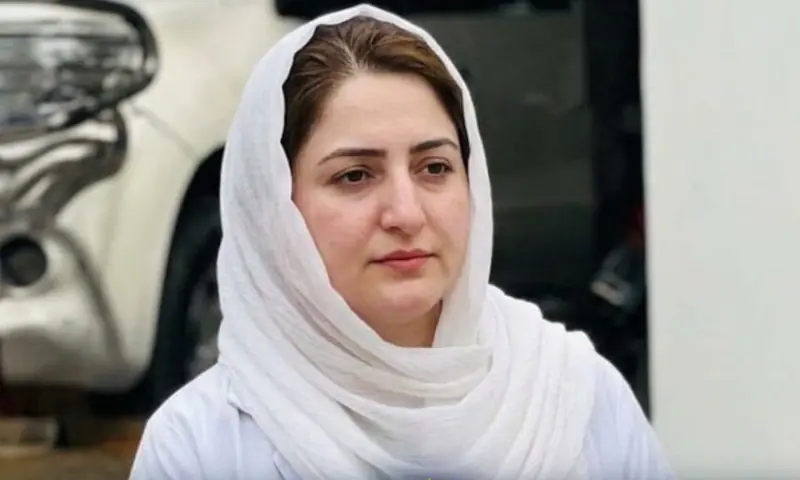
Sources said the initiative was made possible through the persistent efforts of Overseas Pakistanis Foundation (OPF) Chairman Syed Qamar Raza Shah. During his visit to Japan in April, he met members of the Pakistani community, listened to their concerns, and identified the absence of NADRA services as one of their most pressing issues.

After returning to Pakistan, Shah reportedly pursued the matter with the relevant departments and raised it at senior government levels, resulting in NADRA’s formal approval for establishing the counter at the embassy.

Under the approved plan, NADRA agreed to provide biometric machines, fingerprint devices, cameras, technical support, and staff training. The Pakistan Embassy in Tokyo is responsible for providing office space, computers, internet connectivity, furniture, and other administrative facilities. Officials said all technical and administrative arrangements have already been finalised.

However, the project remains on hold because the required NOC has yet to be issued by the concerned ministry.

As a result, Pakistani nationals living in Japan continue to face significant challenges in obtaining or renewing national identity cards, completing family registration, biometric verification, and accessing other NADRA-related services.

Members of the Pakistani community in Japan have praised Syed Qamar Raza Shah for his efforts, saying the project would likely not have reached the approval stage without his personal involvement.

They urged the relevant authorities to demonstrate the same commitment by removing the remaining administrative hurdles and ensuring that the approved project is implemented without further delay.

The community has also appealed to Prime Minister Shehbaz Sharif and Deputy Prime Minister Senator Ishaq Dar to personally intervene and direct the concerned authorities to issue the pending NOC so that the NADRA counter can be established at the Pakistan Embassy in Tokyo as soon as possible, providing long-awaited relief to thousands of overseas Pakistanis.

Similar Posts

  • | |

    Pakistan’s Pharmaceutical exports reach 20-year …

        ISLAMABAD: Federal Minister for Planning and Development Ahsan Iqbal has said that Pakistan’s pharmaceutical exports have reached a 20-year high of $457 million, stressing that the pharmaceutical industry must establish a clear contribution towards the country’s ambitious target of generating more than $100 billion in exports by 2035. Speaking at a roundtable conference in Islamabad organised to facilitate pharmaceutical exports under the government’s Uraan Pakistan initiative, the federal minister said the industry needed to adopt a long-term strategy to expand its presence in international markets. Ahsan Iqbal called on representatives of the pharmaceutical sector to hold consultations over the next month and prepare a comprehensive roadmap for the industry’s development through 2030 and beyond. He said Pakistan’s objective should be to transform the country into a global hub for pharmaceutical manufacturing and exports. The minister emphasised that Pakistan needed to secure a significant position in the international pharmaceutical market by improving the competitiveness and quality of locally manufactured products. He said cooperation between the government and private sector could help the industry compete more effectively at the global level. According to the minister, continuity in government policies and the creation of a business-friendly environment are essential for the sustainable growth of the pharmaceutical sector. He stressed that investors and manufacturers require predictable policies and a supportive regulatory framework to make long-term investments in production, research and exports. Ahsan Iqbal also highlighted the need to reduce Pakistan’s dependence on imported pharmaceutical inputs and increase domestic manufacturing capacity. He said approximately 85 percent of the raw material used by the pharmaceutical industry is currently imported, creating challenges for the sector and increasing its exposure to international supply disruptions and currency fluctuations. He called for strengthening the local pharmaceutical value chain so that a greater proportion of raw materials, intermediate products and finished medicines could be produced within Pakistan. The minister said enhancing domestic production would not only reduce the country’s import bill but could also improve the competitiveness of Pakistani pharmaceutical companies in international markets. A stronger local supply chain could help manufacturers reduce production costs, improve efficiency and develop products that meet international standards. He further stressed the importance of developing a coordinated strategy involving government institutions, pharmaceutical manufacturers, researchers and other stakeholders. Such cooperation, he said, would be necessary to identify the major obstacles facing the sector and develop practical solutions. The roundtable conference was held as part of efforts under Uraan Pakistan to promote exports and strengthen productive sectors of the economy. The initiative aims to improve Pakistan’s economic performance by encouraging investment, increasing exports and promoting sustainable industrial development. Ahsan Iqbal said the pharmaceutical industry had significant potential to contribute to Pakistan’s export growth if its structural challenges were addressed. He urged industry representatives to use the consultation process to develop realistic targets and identify measures that could help Pakistan increase its share in the global pharmaceutical market. The minister’s remarks come as Pakistan seeks to diversify its export base and reduce dependence on traditional export sectors. He said the pharmaceutical industry could become an important contributor to this effort by improving domestic production, investing in innovation and expanding access to international markets. The government, he added, would continue working with the private sector to create conditions that encourage investment and promote the long-term growth of Pakistan’s pharmaceutical industry.

  • |

    Sherry Rehman opposes debate on new administrative…

    Pakistan Peoples Party (PPP) senior leader and Senator Sherry Rehman has urged political stakeholders to avoid pushing the debate over the creation of new administrative units, arguing that the country currently faces more pressing challenges. Speaking on Geo News programme *Geo Pakistan*, Rehman said she had not seen any formal proposal or draft concerning the creation of new administrative units. She stressed that political leaders should focus on improving governance and resolving public issues through political means rather than opening debates that could further complicate the situation. “We should not take the issue of administrative units any further,” she said, adding that the PPP had yet to receive any concrete proposal on the matter. Rehman also expressed concern over the country’s rising debt and growing government expenditures. She said Pakistan needed to address its economic and governance challenges instead of diverting attention towards issues that lacked a clear and practical framework. Referring to the situation in Khyber Pakhtunkhwa, the PPP leader said the province was facing serious security and political challenges. She maintained that, in her view, this was not the right time to debate the creation of new administrative units. Discussing the broader regional situation, Rehman warned that the conflict in the Middle East continued to spread, with periods of relative calm followed by renewed fighting. She said people across Pakistan wanted diplomatic and mediation efforts to move forward in order to prevent further escalation and promote peace in the region. The senator also pointed to growing international efforts aimed at mediation and conflict resolution. She said those involved in peace initiatives were gradually forming a stronger “peace lobby,” which could counter the influence of groups favouring continued conflict. Rehman further remarked that the United States had initially expected Iran to give way quickly under pressure, but developments had shown otherwise. She said the situation demonstrated the complexity of the regional conflict and the need for sustained diplomatic engagement rather than relying solely on pressure or military options.

  • | |

    JI announces nationwide shutter-down strike after …

    Jamaat-e-Islami (JI) Emir Hafiz Naeemur Rehman has announced a nationwide shutter-down strike after 12th Rabi-ul-Awwal, as the party continues its protests against rising petroleum prices and the government’s petroleum levy. Speaking at a press conference in Lahore on Sunday, Hafiz Naeem said the JI’s sit-ins in provincial capitals had entered their eighth day and would continue until the government practically implemented the party’s demands. He rejected the idea of ending the protests solely on the basis of government assurances, saying the party wanted concrete action rather than promises. Hafiz Naeem called for a reduction in petroleum product prices and criticised what he described as excessive government expenditure. He also raised concerns over rising prices of essential commodities, saying flour and sugar mafias were making life difficult for ordinary citizens while farmers were struggling with expensive fertiliser. The JI chief said the nationwide shutter-down strike would be launched after Eid Milad-un-Nabi, which falls on August 26 this year. He warned that the party’s protest movement would not be called off until its demands were implemented. According to Hafiz Naeem, negotiations would no longer be based on requests for protesters to end their sit-ins in exchange for verbal commitments. JI workers have been holding demonstrations since August 16. Sit-ins are being staged outside the Punjab chief minister’s residence in Lahore and at governor houses in Karachi, Quetta and Peshawar. The protests come as consumers face growing pressure from fuel costs, inflation and high electricity bills. The government has also faced criticism following repeated increases in petroleum prices. The situation has become more challenging amid fluctuations in international oil prices linked to renewed tensions in the Middle East. Authorities have also moved from a 15-day fuel price review to a daily mechanism. The fuel price issue has triggered separate concerns among transporters and petroleum dealers. Earlier this week, the All Pakistan Goods Transport Alliance suspended a nationwide strike for 40 days after receiving assurances from the federal and Sindh governments regarding several demands, including petroleum pricing. The Pakistan Petroleum Dealers Association has also pressed the government to resolve outstanding issues and honour previous commitments.

  • | |

    Flood alert in Pakistan as India opens Salal dam g…

    Pakistan has issued a high-level flood alert after India released a significant volume of water from the Salal Dam following heavy rainfall in Indian-administered Kashmir. The move has raised concerns among Pakistani authorities, who are closely monitoring the situation as water levels continue to rise in the Chenab River. According to Punjab’s Irrigation Department, the heavy rainfall in the upper catchment areas prompted Indian authorities to open all gates of the Salal Dam, allowing a large flow of water to move downstream toward Pakistan. Officials have warned that the increased water discharge could reach Wazirabad within the next 48 hours, prompting precautionary measures in vulnerable areas. The Irrigation Department stated that water levels in the Chenab River have already begun to increase. Authorities are continuously tracking river flows to assess the potential impact on downstream districts and to provide timely updates if the situation changes. As a precaution, a high alert has been issued for flood-prone areas, particularly in Sialkot and Wazirabad, where local administrations have been instructed to remain prepared for any emergency. Disaster management teams are coordinating with relevant departments to monitor developments and ensure a rapid response if water levels continue to rise. Officials have urged residents living near the Chenab River and low-lying areas to stay informed through official announcements and avoid unnecessary travel near riverbanks. Emergency services are also on standby to respond quickly should flooding occur. Seasonal monsoon rains often lead to rising river levels across the region, making cross-border water management a critical issue during this period. Sudden increases in water discharge from upstream reservoirs can significantly affect downstream communities, requiring close coordination between authorities and continuous monitoring of river conditions. While officials have expressed concern over the rising water levels, they are also emphasizing that the situation remains under observation. The extent of any flooding will depend on rainfall patterns over the coming days and the volume of water continuing to flow into the Chenab River. Residents in at-risk areas are advised to follow guidance issued by local authorities, remain alert for weather and flood updates, and take necessary precautions if evacuation advisories are issued. Authorities have assured the public that monitoring efforts will continue around the clock to minimize risks and protect communities from any potential flooding. With the water surge expected to arrive within the next two days, emergency agencies remain on alert as Pakistan prepares for the possible impact of increased river flows during the ongoing monsoon season.

  • | | |

    29 bottled water brands found unsafe in Pakistan

    ISLAMABAD: A quarterly quality assessment of bottled drinking water has found 29 out of 230 brands to be substandard and unsafe for consumption, raising concerns about the quality of commercially available drinking water in Pakistan. The Pakistan Council of Research in Water Resources (PCRWR) conducts quarterly monitoring of bottled and mineral water brands available in the market on the directions of the government. For the latest assessment, samples of 230 bottled and mineral water brands were collected from 20 cities during the April-June 2026 quarter. The samples were analysed in laboratories according to the standards recommended by the Pakistan Standards and Quality Control Authority (PSQCA). Laboratory testing found that several water brands were contaminated with harmful bacteria, making them unsafe for human consumption. A total of 29 brands failed to meet the required quality standards. The report found that nine brands had excessive levels of sodium. These included HR Water Healthy Life, A2Z Pure Bottled Drinking Water, Pure Drinking Water, Deep Blue Pure Drinking Water, Sup Nest Pure Drinking Water, Aab-e-Haram, Aqua Life Bottled Drinking Water, Drinklay and Alpha H2O Bottled Drinking Water. The assessment also found excessive total dissolved solids (TDS) in four brands: A2Z Pure Bottled Drinking Water, Imperial Pure Drinking Water, Aab-e-Haram and Alpha H2O Bottled Drinking Water. The recommended safe limit for TDS is 500 parts per million (ppm). According to the council, 22 brands were found to be contaminated with bacteria. These included My Sial Bottled Drinking Water, JERS Safe Life Bottled Drinking Water, Natural Pure Life, Natural Sup, Al Meer Bottled Drinking Water, Al-Saha Drinking Water, Al-Shifa Pure Life, Royal Fina Bottled Drinking Water, Aqua Nice Pure Life, Noor Aqua, Aqua Pure, Drink Well Pure Drinking Water, Imperial Pure Drinking Water, Zalmi, Deep Blue Pure Drinking Water, Aab-e-Haram, Vital Sup Bottled Drinking Water, Hunza Alter Water, Rehydrate8 Drink Pure Water, Moya Mineral Water, Tynant Aqua Bottled Drinking Water and Aqua Pura Smart. The presence of harmful microorganisms means that the affected brands may pose health risks if consumed without proper treatment. The findings have raised concerns about the monitoring and regulation of bottled water sold across the country. Regular testing is considered important to ensure that drinking water available to consumers meets safety and quality standards. Representatives of some of the companies named in the report, however, rejected the findings. They claimed that their water brands meet the required quality standards.

  • | |

    AJK police accuse banned JAAC of armed violence, b…

    MUZAFFARABAD: Azad Jammu and Kashmir (AJK) Police have alleged that the banned Joint Awami Action Committee (JAAC) is pursuing a coordinated agenda to disrupt peace and destabilise the region, claiming recent clashes with security forces demonstrate that the group has transformed into an armed organisation. Addressing a press conference in Rawalakot, AJK Police spokesperson Senior Superintendent of Police (SSP) Khawar Ali Shaukat said the violence of the past two days contradicted claims circulating on social media that the movement was peaceful. He alleged that armed individuals occupied buildings, established fortified positions and opened fire on police and security personnel using automatic and sophisticated weapons. According to the police, law enforcement personnel had been deployed across various parts of Rawalakot to maintain public order when they came under attack. Shaukat said authorities had exercised restraint throughout the situation but were compelled to respond in accordance with the law after security forces were targeted. The police spokesperson maintained that the nature of the weapons used and the organised tactics adopted during the clashes suggested the involvement of more than an ordinary protest movement. He further claimed that the group’s activities were intended to damage social harmony, weaken the atmosphere of brotherhood in AJK and create instability in the region. Officials said the confrontation claimed the life of a Rangers official, while around 15 police officers and other law enforcement personnel were injured during the exchanges. Police have reiterated that operations are being carried out under the law to restore order, while investigations into the incidents and the alleged network behind the violence remain ongoing.

Leave a Reply

Your email address will not be published. Required fields are marked *