donated skin younger

Donated skin for younger looks

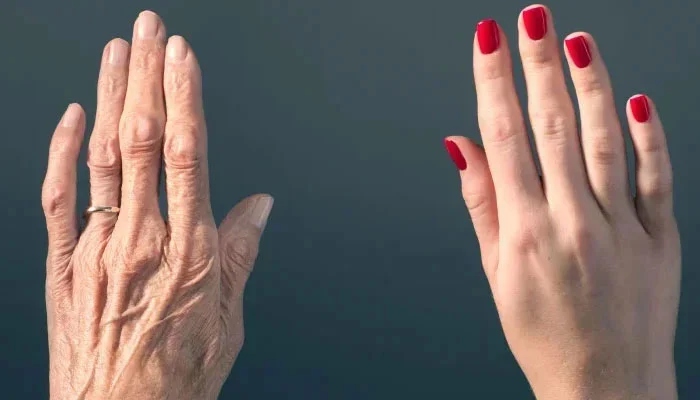
Everyone ages and growing older is a natural part of life. While many people wish they could stay young forever a unique anti aging treatment in South Korea is attracting attention for its unusual approach.

The treatment called RE20 (Return to Your Twenties) uses donated human skin from deceased donors.

The skin is processed in a laboratory where all living cells are removed.  This leaves behind a clean tissue structure that can be safely used in cosmetic treatments.

The final product contains collagen elastin hyaluronic acid and other ingredients.

It is also combined with the patient’s own skin cells to help the body accept the treatment more easily.

According to Dr. Kim Han Saem of DOD Dermatology Clinic removing the cells reduces the risk of the body rejecting the tissue or causing an allergic reaction.

The treatment is injected into the face and neck. The company says it can reduce fine lines improve skin texture tighten pores and encourage the skin to produce more collagen and elastin making it look  younger.

Many people who have tried the treatment have shared positive experiences.

One Reddit user said their skin looked smoother and healthier just two weeks after the procedure.

However the treatment has also raised ethical concerns.  Some critics question whether using donated human tissue for cosmetic purposes is appropriate.

Experts also say more long term research is needed to confirm its safety.

Besides South Korea the treatment is also available in Singapore and Japan.

Similar Posts

  • |

    The Rise of Diseases

    The increasing number of diseases has become a serious concern in Pakistan. Dengue, malaria, hepatitis and many other illnesses are spreading due to poor sanitation polluted water air pollution and a lack of public awareness.   Hospitals are becoming overcrowded while many people cannot afford proper medical treatment. The government should improve healthcare facilities, ensure cleanliness, provide safe drinking water and conduct awareness campaigns on disease prevention.   Citizens also have a responsibility to maintain hygiene keep their surroundings clean and follow basic health precautions. Good health is the foundation of a strong nation. If immediate steps are not taken the rise of diseases will continue to threaten the well being of our people

  • |

    New lizard species “Syrax” discovered in Thailand

    A new species of lizard has been discovered in Thailand. According to foreign media reports, the new species was discovered in western Thailand and has been given a name inspired by the popular series “House of the Dragon.” The lizard has been named “Syrax” after the dragon ridden by Queen Rhaenyra Targaryen in the series. Details about the discovery of the new lizard were published last month in the journal ZooKeys. The study found that the lizard belongs to a group known as mountain horned dragons and was discovered in the forests of the high-altitude areas of Mae Wong. Researchers explained that the name was chosen based on the lizard’s yellowish coloration, small size and large clutch size. Mountain horned dragons are known for the spiny projections on their necks and backs. The study also stated that further research is needed to fully understand the distribution of lizard species. Researchers also need to explore nearby mountain ranges to discover other hidden or previously undocumented species in the northern and western mountainous regions.

  • | | |

    Omar Musa secures 2026 Miles Franklin Award with Fierceland

    Omar Musa has been named the winner of the prestigious 2026 Miles Franklin Literary Award for his novel, Fierceland. Recognized as Australia’s most celebrated literary prize, the award honors novels of the highest literary merit that explore Australian life in all its phases. Musa’s victory highlights a powerful shift in the country’s literary landscape, celebrating a work that fearlessly confronts historical legacies while weaving together rich cultural folklore. Deconstructing Colonial Narrative Frameworks At the core of Fierceland lies an ambitious, multi-layered critique of Joseph Conrad’s classic 1899 novella, Heart of Darkness. Where Conrad’s seminal text depicted the non-Western world through a lens of exoticism, peril, and foreign mystery, Musa flips the narrative on its head. He reclaims the riverlands and lush rainforest environments not as places of terrifying obscurity, but as vibrant ecosystems steeped in history, memory, and indigenous knowledge. The True “Darkness” Musa confronted the colonial storytelling. In fact, he challenges readers to examine how Western literature has historically framed non-Western landscapes and their people. Fierceland presents the journey inward as a descent into moral decay. This journey is an essential process of unlearning, confrontation and reclamation. The novel demonstrates that the darkness lies within the unchecked impulses of imperial exploitation. It also compels the reader to not surrender to the historical erasure. The Role of Spectral Presence and Cultural Folklore Ghosts and supernatural forces drift consistently throughout the narrative of Fierceland. These forces serve as both literal story elements and profound allegorical symbols. Rather than functioning purely as horror tropes, these spectral figures act as guardians of history and physical manifestations of unhealed wounds. Musa attributes this atmospheric depth to his upbringing and heritage. He reflects on the influence of his family and heritage. Musa noted that ghost stories are deeply woven into the fabric of Malaysian culture. Growing up, he listened to his father recount haunting tales from his homeland. He developed an early appreciation for oral traditions where the living and spiritual realms continually intersect. In Fierceland, these inherited myths explore themes of displacement, grief, and ancestral connection.  These myths gave a voice to forgotten histories that refuse to remain buried. A Multidisciplinary Voice in Modern Storytelling Musa’s background is of an acclaimed spoken-word poet, hip-hop artist, and woodcut printmaker. His own roots shine brightly throughout the pages of Fierceland. The prose is defined by a rhythmic, visceral cadence that reflects his poetic mastery. His ability to blend social commentary with lyricism creates a sensory reading experience.   Winning the 2026 Miles Franklin Literary Award positions Musa as one of the most compelling voices. The judging panel has recognized the evolving nature of Australian literature. Fierceland stands as a testament to the power of reclaiming narrative agency. The novel proves that when old myths are critically dissected, extraordinary stories can emerge.

  • Experts warn against extra soft pillows

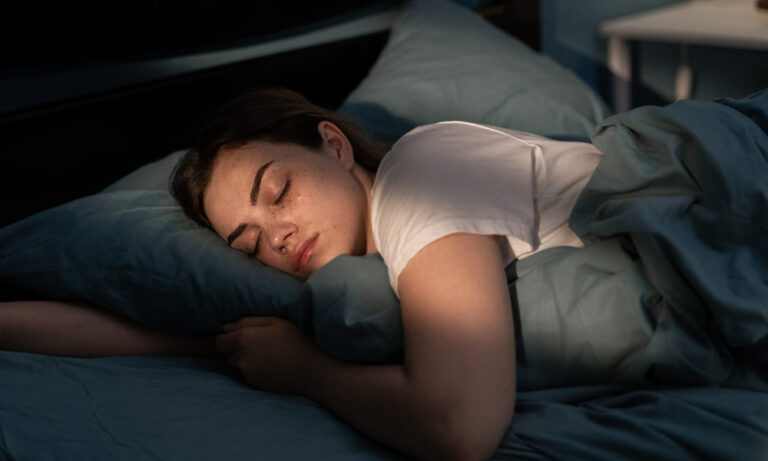
    A soft pillow may feel comfortable at first but health experts say it is not always the best option for good sleep. They explain that a pillow should not only feel soft in the store but also provide proper support for your head and neck throughout the night. Physiotherapists say many people choose pillows after trying them for only a few minutes. However the real test comes after several hours of sleep. As your head presses down on the pillow it can lose its shape. If it does not give enough support your neck and spine may become misaligned leading to pain or stiffness in the morning. Allan Fu, a physiotherapist and lecturer at the University of Sydney says many people judge a pillow by how comfortable it feels at first. He believes the most important thing is whether the pillow keeps your head and neck properly supported all night. A short test in a store is not enough to know how well a pillow will perform. Experts say the average human head weighs about 4.5 kilograms which means a pillow is under constant pressure while you sleep. If it is too soft it may not support your head and neck properly. That is why comfort should not be the only thing to consider when buying a pillow. Research suggests that latex and memory foam pillows may help reduce neck pain because they keep their shape better and provide steady support. Feather and synthetic fiber pillows can also be used but experts recommend choosing firmer versions as very soft ones lose their support more quickly. Experts also advise against judging a new pillow after just one night. Feather and synthetic pillows usually settle into their normal shape within a day or two while memory foam pillows may take several weeks to fully adjust to your body. When buying a pillow experts recommend lying on it for a few minutes if possible.  A pillow that feels slightly firmer or a little higher at first may become more comfortable with regular use. They say proper support is more important than softness for keeping your neck healthy.

  • |

    The art of the open ending

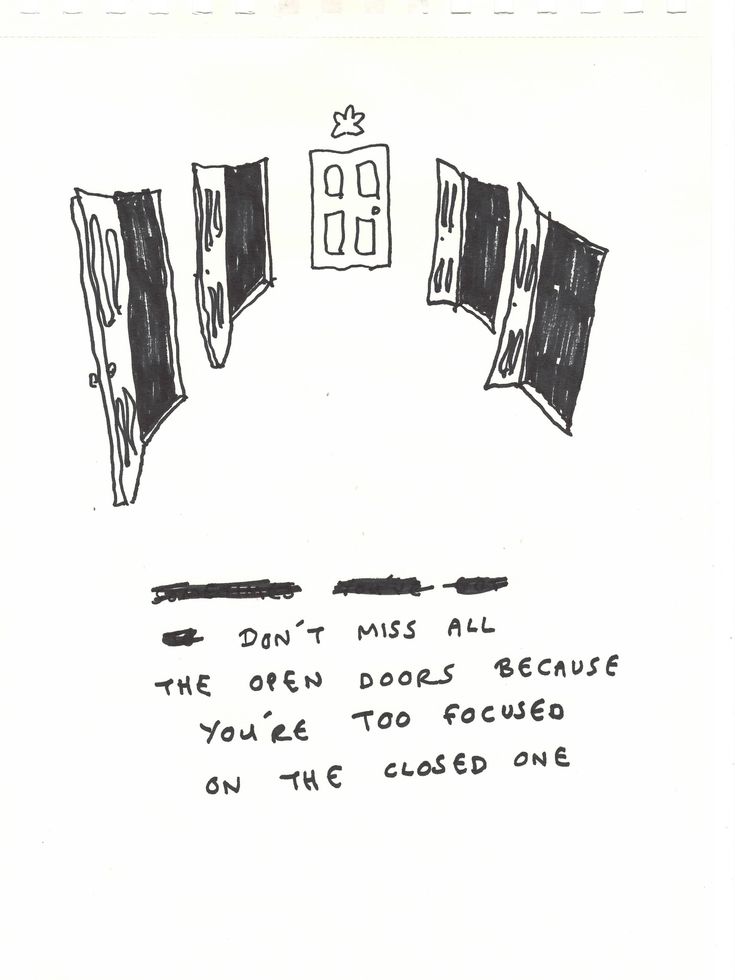
    For centuries, traditional storytelling operated under a strict covenant of closure. Fables, romantic comedies, and classic mysteries were built upon a reassuring promise. And by the final chapter, every thread would be neatly tied, justice served, lovers united, and monsters vanquished. This desire for definitive resolutizon is deeply human. Our brains naturally crave order and certainty. Yet, as modern literature evolved alongside an increasingly complex world, a different artistic philosophy took the spot. The open ending is not a failure of craft; it is a sophisticated act of storytelling that treats the reader as an active partner. When an author refuses to deliver a resolution, they fundamentally alter the dynamic between text and reader. In a traditional closed narrative, the reader is a passive recipient, sitting back while the writer decides the fate of every character. An open ending, by contrast, throws open the door to collaboration. As the final sentence lingers without a definitive resolution, the narrative burden shifts. The reader must step into the silence. They must analyse character motivations, thematic clues, and emotional trajectories to construct their own sense of meaning. The story stops being merely something you consumed; it becomes an intellectual puzzle you participated in completing. Psychologically, ambiguous endings linger in the memory far longer than wrapped-up conclusions. Behavioral scientists refer to this as the Zeigarnik effect: the cognitive tendency for human minds to remember uncompleted or interrupted tasks better than completed ones. A novel that ends with a smooth resolution is easily categorized and set aside. But a book that closes on a question mark or a character standing at a metaphorical crossroads, uncertain of their next step continues to resonate in the subconscious. Long after the book is closed, you find yourself pondering what happened next while doing dishes, walking to work, or staring out a window. Furthermore, the open ending reflects a deeper fidelity to real life. Human existence rarely delivers clean, cinematic resolutions. Our relationships, griefs, ambitions, and self-discoveries are ongoing processes rather than neatly closed chapters. By leaving a story partially unresolved, an author honors the messy reality of human experience. It acknowledges that living with unanswered questions is often far more authentic than forcing an artificial sense of certainty. When executed with skill, an open ending is never lazy or evasive. It is not an abrupt cutoff, but a carefully calibrated launching pad. The author leaves behind enough emotional breadcrumbs and thematic architecture for the conclusion to feel earned, even if the explicit plot points remain unwritten. It transforms the final page inviting us to look beyond the boundaries of the page and recognize that the best stories are the ones that keep living inside us.  

  • Why Popcorn became the ultimate movie snack

    Watching TV or a movie often feels incomplete without something to eat. For many people popcorn is the first snack that comes to mind. But have you ever wondered how popcorn became the most popular food at movie theaters? The tradition began in the 19th century when popcorn became a popular snack at fairs festivals and circuses. In those days it was usually sold from small street carts. A major turning point came in 1885 when the first popcorn machine was invented. This made it easier to prepare fresh popcorn quickly and sell it to large crowds. By 1907, the United States had nearly 5,000 movie theaters with tickets costing just 5 cents. Popcorn sellers started placing their carts outside theaters where moviegoers could easily buy popcorn before going inside. As movie theaters became more modern and luxurious many owners banned outside food. However the rule did not last long. By the 1930s theaters began selling popcorn inside and outside their buildings realizing it was a profitable business. Today popcorn is one of the biggest sources of income for many cinemas with some estimates suggesting it accounts for up to 85% of concession stand sales. Another reason popcorn became the perfect movie snack is that it is light easy to eat and does not make much noise allowing people to enjoy their film without disturbing others.

Leave a Reply

Your email address will not be published. Required fields are marked *