families demand urgent
| |

Families demand urgent search for cargo plane wrec…

Families of crew members killed in a cargo aircraft crash in the Arabian Sea have called for an immediate search for the aircraft’s wreckage and black box in the deep sea.

The families also complained that authorities and the company involved have not provided adequate assistance in obtaining death certificates and completing other legal formalities for their deceased relatives. They urged the government to intervene and help resolve these issues.

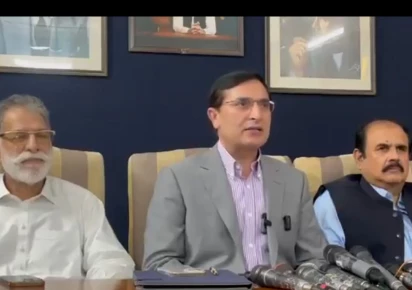
Speaking at a press conference at the Karachi Press Club, the victims’ families said more than 40 days had passed since the crash, but they had seen little progress in efforts to locate the missing parts of the aircraft.

They said the prolonged lack of information had increased their distress and created the impression that the victims had been forgotten.

The families called for the search operation to be resumed as soon as possible, particularly for the aircraft’s black box, cockpit and other major wreckage believed to be lying on the seabed.

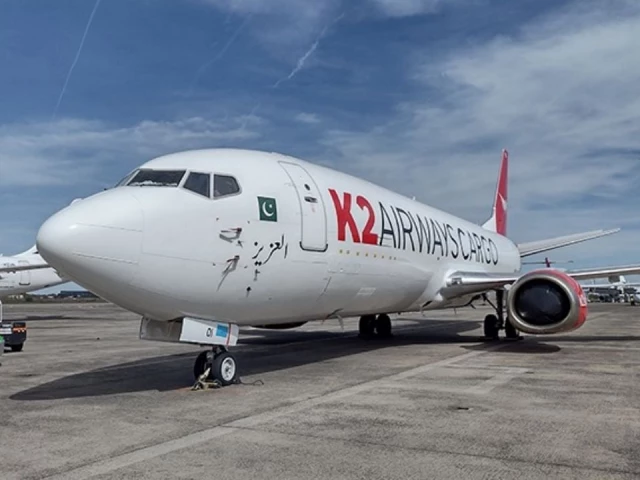
The aircraft, a Boeing 737 operated by private cargo company K2 Airways, crashed into deep waters off the Balochistan coast on July 7 while travelling from Sharjah to Karachi.

Some wreckage was recovered from the crash area, but the aircraft’s black box, cockpit and the remains of the crew members have not yet been located.

The families demanded that the authorities seek assistance from international companies and foreign experts specialising in deep-sea recovery operations.

They also called for greater cooperation from the company’s owners and relevant government institutions, saying families should not be left to deal with legal and administrative difficulties on their own.

The victims’ relatives said they wanted a transparent investigation into the crash and a serious effort to recover the remaining wreckage and flight data recorder.
Similar Posts

  • | | |

    Fake spiritual guru arrested in Pune over alleged …

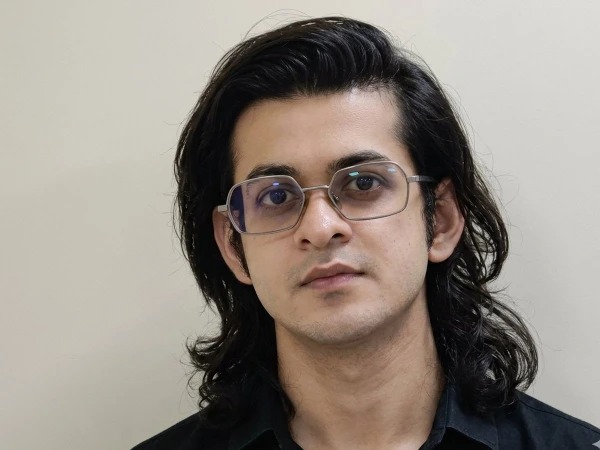
    A 23-year-old man posing as a motivational speaker, social media influencer and spiritual guide has been arrested in Pune, India, over allegations of obtaining private images of a 22-year-old woman and later using them to harass and threaten her. According to Indian media reports, police launched an investigation after the woman filed a complaint against the accused, identified as Divya Jitendra Parmar. Police subsequently arrested the suspect and seized a mobile phone and laptop believed to have been used in the alleged offence. Investigators said the accused had built an online persona portraying himself as a trusted motivational speaker and spiritual figure. He allegedly contacted the woman through social media and gradually gained her confidence. According to the complaint, the accused later told the woman that she needed to follow a particular method to remove what he described as negative energy from her body. Under this pretext, he allegedly persuaded her to share private images and follow certain physical exercises. Police allege that the accused subsequently used the images to harass the woman and threatened to circulate them if she refused to establish a sexual relationship with him. The woman then approached police and lodged a complaint. During the investigation, authorities reportedly seized the suspect’s mobile phone and laptop, along with photographs, videos, messages and other digital evidence. Police are examining the material to establish the full circumstances of the case. Investigators are also looking into whether the accused may have targeted other women using a similar method. This aspect of the investigation could determine whether the alleged incident was isolated or part of a wider pattern of online manipulation. The case has also highlighted the risks associated with individuals who use social media to build false identities and gain the trust of vulnerable people. Authorities have increasingly emphasized the importance of verifying online identities and reporting threats involving private images. Police have registered a case against the accused under relevant provisions of the Bharatiya Nyaya Sanhita (BNS) and the Information Technology Act. The investigation remains ongoing, and the allegations will be subject to the legal process. The case serves as another warning about the misuse of private digital content and the dangers of trusting unverified online personalities who claim to offer spiritual, motivational or personal guidance.

  • |

    Sindh health minister calls for stronger measures to protect mothers during childbirth

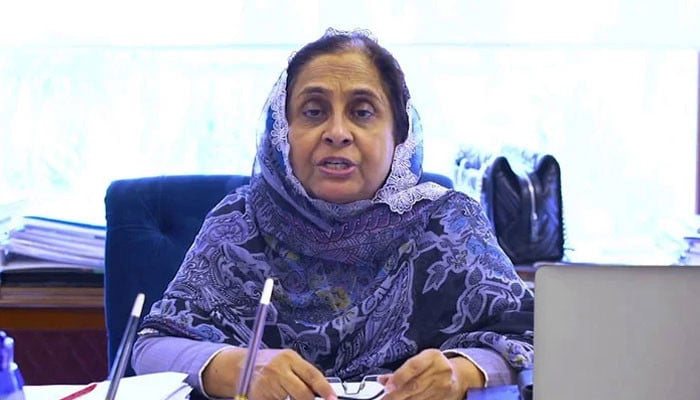
      Karachi: Sindh Health Minister Dr. Azra Fazal Pechuho has expressed serious concern over the rising maternal mortality rate associated with repeated cesarean section (C-section) deliveries. Speaking at the “Maa Rahe Salamat” (May Mothers Stay Safe) Family Planning Summit held at the Jinnah Postgraduate Medical Centre (JPMC) in Karachi, she emphasized the urgent need for stronger policies and legislation to protect the lives and health of mothers in Pakistan. Addressing participants at the summit, Dr. Pechuho stated that Sindh has taken a leading role in promoting maternal and child health across the country. She highlighted that the provincial government has introduced several laws and initiatives aimed at improving healthcare services for women and children, particularly during pregnancy and childbirth. The health minister noted that the increasing number of cesarean deliveries has contributed to a higher rate of maternal deaths. According to her, repeated surgical deliveries expose women to greater health risks, including excessive bleeding, infections, complications from anesthesia, and damage to internal organs. She said the provincial health department is actively working to address these issues and expressed confidence that the results of these efforts will become visible in the near future. Dr. Pechuho stressed that protecting mothers during childbirth should be treated as a national priority. She said the government wants to introduce legislation that ensures the safety of women during pregnancy and delivery while also promoting informed family planning decisions. One of the key proposals she discussed was the introduction of tubal ligation after a woman’s third cesarean section. Tubal ligation is a permanent method of contraception in which the fallopian tubes are blocked or sealed to prevent future pregnancies. According to Dr. Pechuho, women who undergo a third C-section face significantly higher health risks if they become pregnant again. She argued that women should have the right to request tubal ligation during their third cesarean delivery if they wish to avoid future pregnancies. In her view, providing this option would help reduce preventable maternal deaths and improve long-term maternal health outcomes. She added that ensuring access to this procedure should be considered an important part of reproductive healthcare. The minister further remarked that if Pakistan is serious about reducing maternal mortality, mandatory consideration of tubal ligation after a third cesarean section should be included in public health policy. She explained that she deliberately presented the proposal in cautious terms but believes that legislation should move in this direction. According to her, she is already working to advance legal reforms that would support this objective. Dr. Pechuho concluded by reaffirming the Sindh government’s commitment to safeguarding the health and well-being of mothers and newborns. She emphasized that comprehensive maternal healthcare, effective family planning services, and timely medical interventions are essential for reducing preventable deaths and ensuring healthier families. She expressed hope that the proposed legal and policy reforms would strengthen maternal healthcare services and provide greater protection for women across the province.

  • | | | | |

    Iran claims strike on Amazon data center in Bahrai…

    TEHRAN/MANAMA: Iran has claimed that it targeted an Amazon data center in Bahrain in what it described as part of its ongoing retaliatory campaign against the United States, marking a dramatic new allegation that could further heighten tensions across the Middle East. According to Iranian state media, the Islamic Revolutionary Guard Corps (IRGC) said the operation targeted an Amazon facility that it alleged was providing information and technological support to the US military. Iranian officials claimed the installation was successfully struck and destroyed during the operation. However, the statement was not accompanied by any evidence, satellite imagery, or operational details to substantiate the claim. As of Friday, no independent organization had verified that an attack had taken place or confirmed any damage to the reported facility. Neither Amazon, the Bahraini government, nor US officials had issued an official response by the time of publication. There has also been no confirmation from independent monitoring groups regarding the alleged strike or its potential impact. The claim comes amid rapidly escalating tensions between Iran and the United States, with both sides exchanging accusations over recent military operations in the region. Tehran has repeatedly warned that any military bases or strategic facilities used by Washington for operations against Iran would be considered legitimate targets for retaliation. Iranian officials reiterated that stance following the latest announcement, saying that infrastructure allegedly supporting US military activities could face further attacks if hostilities continue. Security analysts say the claim is particularly significant because it involves a major global technology company rather than a conventional military installation. If independently verified, it would represent one of the first publicly acknowledged cases in which Iran has declared a large international technology facility as the target of a military operation. Experts also cautioned that the absence of independent verification makes it impossible to determine whether the reported strike occurred or whether the alleged target sustained any damage. They noted that governments involved in conflicts often release competing narratives, making external confirmation essential before drawing conclusions. The latest claim underscores the growing overlap between military conflict and critical digital infrastructure, raising fresh concerns about the security of data centers and technology assets in regions experiencing geopolitical instability. For now, the reported attack remains an unverified Iranian claim, with the international community awaiting official responses and independent assessments to establish what, if anything, occurred on the ground.

  • | |

    PTI rejects AJK polls, demands fresh elections

    Pakistan Tehreek-e-Insaf (PTI) has rejected the first phase of the Azad Jammu and Kashmir (AJK) elections. The party has described the July 27 polls as unacceptable and demanded a judicial inquiry into the violence reported in the region. PTI leaders also called for the cancellation of the remaining two phases of the elections. They demanded fresh elections across AJK in a single phase under an independent and impartial election commission. Speaking at a press conference on Wednesday, PTI Chairman Barrister Gohar Ali Khan appeared alongside former AJK prime minister Sardar Qayyum Niazi. The leaders strongly criticised the violence reported in Rawalakot, Mirpur and other areas. Multiple reports of deaths and injuries have emerged since Monday. Videos showing unrest have also circulated on social media, although the reported casualties could not be independently verified. Both security agencies and the Joint Awami Action Committee (JAAC) have reported casualties during clashes. Niazi said Kashmiris were facing what he described as unprecedented oppression. He said the situation was particularly concerning because Kashmiris had historically supported the cause of accession to Pakistan. He claimed protesters had attempted to resolve their grievances through negotiations. According to him, the situation deteriorated after their demands were not addressed. Niazi maintained that the protesters were peaceful. He questioned the use of force against them and urged authorities to avoid further escalation. He also criticised the decision to conduct the AJK elections in three phases. Niazi argued that the region has a relatively small population and questioned why the elections could not have been held on a single day. He said the ongoing violence was damaging Pakistan’s position on the Kashmir issue. According to him, AJK is considered an important base for the wider Kashmir cause. Niazi warned that the unrest could send a negative message internationally. He said Pakistan had previously highlighted alleged human rights violations in Indian-administered Kashmir at international forums. He argued that developments in AJK could make it difficult for Pakistan to effectively present its position on Kashmir before the international community. The former AJK prime minister also rejected the portrayal of protesters as terrorists. He said the same people had previously been engaging with authorities through negotiations. Niazi called for dialogue and urged the government to avoid further use of force. He proposed the establishment of a national government in AJK until conditions returned to normal. He said free and transparent elections should then be held across the region, with PTI participating in the process. Gohar also strongly criticised the July 27 elections. He alleged that the polls had failed to reflect the will of the people. The PTI chairman said using force to silence protesters could not resolve political and public grievances. He argued that listening to citizens was a fundamental part of democracy. Gohar criticised both the Pakistan Peoples Party (PPP) and the Pakistan Muslim League-Nawaz (PML-N) for turning the election dispute into a political contest. He said political parties should focus on the violence and reported casualties rather than exchanging allegations over electoral gains and losses. The PTI leader also pointed to the low voter turnout. He claimed that the limited participation represented public dissatisfaction with the existing political system. Gohar said the Kashmir issue was extremely sensitive and should not be used for political interests. He urged all stakeholders to act responsibly and resolve the crisis through dialogue. PTI has now formally demanded a judicial investigation into the reported violence. The party also wants the remaining election phases, scheduled for August 2 and August 10, cancelled. The party has further called for the resignation of the AJK government and the formation of a national government to manage the situation. PTI wants fresh elections to be held across AJK in a single phase. It has called for the process to be conducted under the supervision of an independent and impartial election commission. The party says dialogue should be prioritised to address public grievances and restore normalcy before a fresh electoral process begins.

  • |

    BNP veteran Alamgir elected Bangladesh president

    Bangladesh’s parliament has elected veteran Bangladesh Nationalist Party leader Mirza Fakhrul Islam Alamgir as the country’s new president, marking another major development in the country’s political transition. The 78-year-old politician secured victory in a parliamentary vote on Thursday, defeating retired army Colonel Oli Ahmed, who was backed by the Jamaat-e-Islami-led opposition alliance. Chief Election Commissioner A.M.M. Nasir Uddin announced Alamgir as the winner after he received 255 votes against Ahmed’s 88. Alamgir is expected to take the oath of office on Friday evening. Although the presidency in Bangladesh is largely ceremonial, the president serves as the country’s head of state and commander-in-chief of the armed forces. Executive powers remain with the prime minister and cabinet. Alamgir’s election comes after the BNP returned to power following the February general election. The party and its allies secured a two-thirds majority in parliament, while BNP leader Tarique Rahman became prime minister. The presidential election was triggered by the resignation of Mohammed Shahabuddin, who stepped down last month citing health reasons before completing his five-year term. Shahabuddin, a former Awami League politician and close associate of former prime minister Sheikh Hasina, had become president in 2023. Hasina left Bangladesh and moved to India after a mass uprising removed her government from power in August 2024. She has previously indicated that she plans to return to Bangladesh later this year. Alamgir is one of the BNP’s longest-serving senior figures. He served as the party’s secretary-general from 2016 until being nominated for the presidency. During the Awami League government’s rule, Alamgir emerged as one of the BNP’s most prominent opposition leaders. He faced several arrests and legal cases during his political career. His political journey began after he completed his studies in economics at the University of Dhaka. He initially worked as a teacher before entering politics. Alamgir joined the BNP in the early 1990s and gradually rose through its ranks. He later held several senior government positions and served as local government minister before leaving the position following his nomination for president. His election now places a longtime opposition figure in Bangladesh’s highest constitutional office as the BNP consolidates its political position following its return to government.

  • |

    China rejects Pakistan’s waiver request

    Chinese lenders and Independent Power Producers (IPPs) have turned down Pakistan’s request to write off nearly Rs 170 billion in late-payment surcharges. The refusal highlights the growing friction between the two long-standing allies as Pakistan struggles to navigate a staggering power-sector circular debt that continues to drag down its broader economy. The unpaid dues owed to 18 Chinese-backed power generation projects established under the CPEC have now increased to approximately Rs 423 billion. The financial bottleneck stems from a combination of structural inefficiencies within Pakistan’s domestic energy distribution network and systemic delays in clearing operational invoices. Under the original 2015 CPEC Energy Framework Agreement, Pakistan was legally obligated to ensure full and timely payments to power producers, backed by a designated revolving fund to cushion investors against domestic liquidity shortfalls. As payment deadlines were repeatedly missed over recent years due to severe foreign exchange constraints, contractual interest penalties accumulated to the tune of Rs 170 billion. While local power suppliers previously accepted debt-restructuring deals and fee write-offs to ease the burden on state coffers, Chinese energy firms have maintained a strict stance, citing global precedent and financial commitments to their own institutional lenders. This refusal creates an immediate impasse for Pakistan’s Ministry of Energy and financial regulators. The federal government had structured a massive Rs 1.225 trillion banking facility intended to retire the country’s broader circular debt stock. However, disbursement terms mandated that power producers accept renegotiated terms or offer discounts on late-payment fees before receiving principal clearances. Because the Chinese IPPs declined to waive the surcharges or offer similar concessions, billions in funds remain locked, leaving power plant operators facing severe liquidity squeezes that threaten regular fuel procurement and plant operation. Total Outstanding Dues: Rs 423 Billion. Requested Surcharge Waiver (Rejected): Rs 170 Billion. Principal Energy Cost Owed: Rs 253+ Billion. Pakistani negotiators are exploring alternative financial maneuvers to manage the expensive debt burden. Seeking low-interest bilateral funding including potential long-term loan packages in the range of $6 billion to $10 billion from partner nations like Saudi Arabia to retire high-cost Chinese energy loans. Requesting cabinet approval for extensions on expiring domestic banking facilities to prevent immediate default claims. Balancing the debt burden through structured tariff pass-throughs, though consumer capacity to absorb higher electricity prices remains extremely strained. The dispute underscores a delicate transition in the CPEC bilateral relationship. While both nations remain deeply committed to long-term strategic partnership and Phase-Two infrastructure development, commercial reality is setting a firmer baseline. Moving forward, resolving the sovereign debt backlog will require transparent structural reforms within Pakistan’s power distribution setup rather than relying on debt waivers from foreign investors.  

Leave a Reply

Your email address will not be published. Required fields are marked *