hamza shehbaz takes
| |

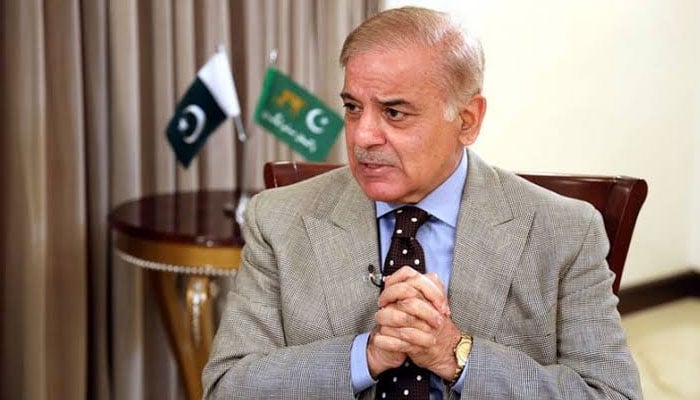
Hamza Shehbaz takes charge at PM House

Former Punjab Chief Minister Hamza Shehbaz has taken charge of his office at the Prime Minister’s House. His new office will be located on the sixth floor of the PM House.

According to party sources, Hamza Shehbaz has already started engaging with federal ministers. He held meetings with several federal ministers a day before formally beginning his office work. The meetings focused on political and administrative matters.

Hamza Shehbaz is expected to begin his regular office responsibilities from Monday. He will coordinate with government officials and oversee matters assigned to him.

Party sources said Hamza Shehbaz will also look after affairs related to the Public Accounts Committee (PAC). The committee deals with matters involving government spending, public funds and financial oversight.

He is also expected to establish a committee to address the concerns and problems of party workers. The committee will work on resolving issues raised by workers and improving coordination within the party.

His appointment at the PM House is expected to increase his involvement in federal-level political and parliamentary affairs. It will also provide him with a formal platform to coordinate with ministers and other government officials.

Hamza Shehbaz has previously served as Punjab chief minister and has remained active in the Pakistan Muslim League-Nawaz (PML-N). His new responsibilities are expected to further strengthen his role in the party’s political and organisational affairs.

He will formally start handling his office matters from Monday, while meetings and consultations with government and party officials are expected to continue in the coming days.
Similar Posts

  • |

    South Korean President Lee Jae Myung calls for peace talks with North Korea

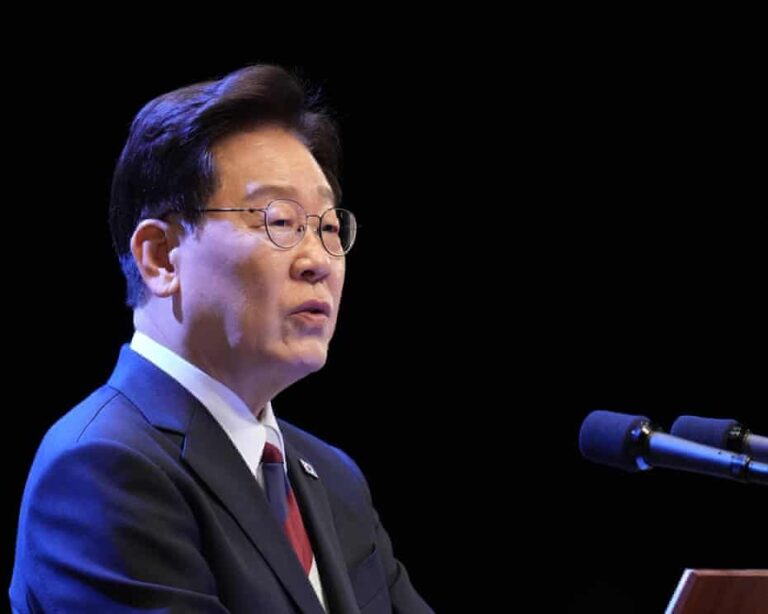
    South Korean President Lee Jae Myung has urged North Korea to return to dialogue to establish a permanent peace regime and formally conclude the 1950–53 Korean War. Delivering a speech to mark the anniversary of Korea’s liberation from Japanese colonial rule, Lee emphasised the necessity of peaceful coexistence and proposed diplomatic discussions to address Pyongyang’s nuclear capabilities alongside regional security safeguards. The Korean War concluded with an armistice agreement rather than a formal peace treaty, leaving the peninsula in a technical state of conflict for decades. Lee affirmed that Seoul is prepared to implement pre-emptive measures to reduce military friction and prevent escalation, building upon earlier pledges to respect North Korea’s governance system. Diplomatic relations between the two nations remain strictly frozen, with North Korean leader Kim Jong-un officially abandoning reunification goals and designating South Korea as a primary adversary. Pyongyang has repeatedly rejected previous diplomatic overtures from Seoul while criticising joint US–South Korean military exercises. Additionally, Lee addressed regional affairs with Tokyo, advocating for an approach that confronts historical grievances while fostering future cooperation with Japan as a neighbouring state.

  • |

    Bank of Punjab Board approves Up to Rs30bn equity injection by Punjab government

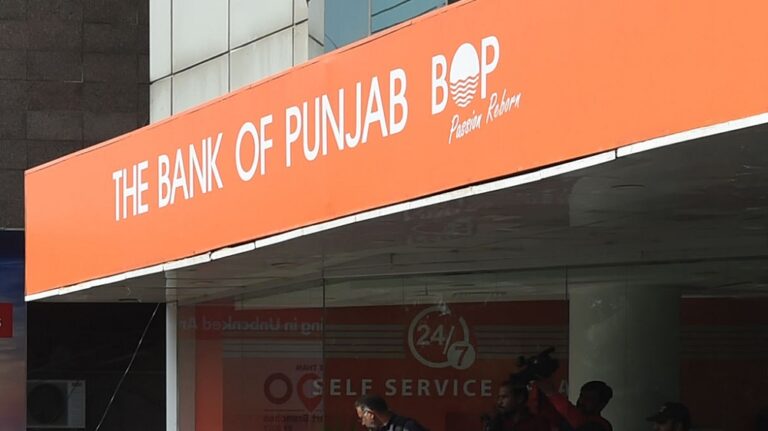
    LAHORE: The Board of Directors of The Bank of Punjab (BOP) has approved a proposal for an equity injection of up to Rs30 billion by the Government of Punjab, a move aimed at strengthening the bank’s capital position and supporting its next phase of expansion. The decision was taken at a board meeting held on August 7, 2026. Under the proposal, the Punjab government will subscribe to ordinary shares to be issued by the bank through a mechanism other than a rights issue. The proposed transaction will not take effect immediately and remains conditional on obtaining all required statutory, corporate, shareholder and regulatory approvals. According to the bank, the planned capital injection is an important step in its broader transformation strategy and will provide additional financial capacity to support sustainable growth across its key business segments. Share issuance price The ordinary shares will initially be issued at Rs38.20 per share. However, if the market price of BOP shares is higher than this amount at the time of issuance, the shares will be issued at the prevailing market price plus a premium of 5 percent. As a result, Rs38.20 will serve as the minimum or floor price for the proposed share issuance. The transaction is expected to reinforce the bank’s capital base and provide greater flexibility to manage balance-sheet expansion while maintaining prudent financial and risk-management standards. BOP expands its market presence The Bank of Punjab has undergone significant changes in recent years, with the institution expanding its balance sheet, improving financial performance and strengthening its position across several sectors of Pakistan’s economy. The bank has developed a strong presence in areas including small and medium-sized enterprise (SME) financing, agricultural lending, affordable housing, digital banking and credit cards. It has also increased its focus on women’s participation and leadership in banking and financial services. BOP is further expanding its activities in commercial and corporate banking, particularly in areas linked to export-oriented businesses. The bank said these business segments have positioned it as an important participant in supporting economic activity, employment creation and financial inclusion across the country. Capital requirements rise with expansion Despite the bank’s growth, the rapid expansion of its operations has increased pressure on its existing capital base. BOP said its capital position has historically remained relatively limited compared with the size of its operations and the growth opportunities available to the institution. The proposed Rs30 billion injection is therefore expected to provide the bank with additional capacity to expand its core businesses while maintaining financial resilience. The additional capital could also enable BOP to increase its low-cost deposit base and grow lending operations without facing the same level of capital constraints. The bank said strengthening its capital position would allow it to pursue growth while maintaining a balanced and prudent approach to balance-sheet management. Strong financial performance The proposed capital injection comes as BOP continues to report strong underlying financial performance. During 2025, the bank recorded revenue growth of around 29 percent, while its earnings increased by more than 40 percent year on year. The bank also witnessed significant appreciation in the value of its shares during the period. According to the bank, the proposed capital raise should therefore be viewed primarily as growth capital rather than a measure aimed at addressing immediate financial weakness. The additional equity is expected to provide the financial foundation required for BOP to continue expanding its operations and investing in new business opportunities. International expansion in focus Another important component of the bank’s future strategy is its international expansion. The capital injection is expected to support the next phase of BOP’s growth, including an international venture that has recently received approval from the State Bank of Pakistan. The move could provide the bank with an opportunity to broaden its geographical footprint and develop new sources of business and revenue. With the proposed equity injection, BOP aims to strengthen its financial position, support expansion in priority sectors and improve its ability to serve businesses, consumers and other customers as demand for banking and financial services continues to grow.

  • | |

    Sangeeta’s intimate direction to Moammar Rana criticized online

    Veteran Pakistani filmmaker Sangeeta has found herself at the center of online discussion after behind-the-scenes footage showing her directing actor Moammar Rana on set began circulating on social media platforms. ​The viral video, captured during the production of her upcoming film Mukho, shows the experienced director physically demonstrating how to execute a close romantic sequence between the lead actors. In the footage, Sangeeta steps in to personally guide Moammar Rana on body posture, facial expressions, and the specific physical proximity required for the scene. Taking a hands-on approach typical of traditional Lollywood directors, Sangeeta directly adjusted the actor’s positioning to demonstrate the movements needed to capture romantic chemistry on camera. ​Addressing her direct approach to film direction, the veteran filmmaker explained that hands-on instruction is an essential part of her creative process on set: ​”As a director with decades of experience, my focus is always on getting the exact emotion required for the scene. In traditional cinema, showing an actor how to move and convey feelings on camera is simply part of the job to ensure the final shot looks believable to the audience.” ​The behind-the-scenes clip quickly spread across online entertainment portals, triggering divided reactions among social media users. Critics described the physical guidance as awkward and unnecessary, arguing that established actors like Moammar Rana should be allowed more creative space without physical demonstration. Some commentators suggested that older directing methods might feel out of place in modern, contemporary filmmaking environments. ​Conversely, many fans and industry insiders came to Sangeeta’s defense, highlighting her career in Pakistani cinema spanning nearly 50 years. Supporters noted that veteran directors from the classic Lollywood era have long relied on direct physical demonstrations to communicate their creative vision clearly to the cast. They argued that her active role on set reflects her passion for filmmaking and close attention to detail rather than anything controversial. ​The online debate highlights the contrast between classic Lollywood production techniques and contemporary film set standards. While traditional directors frequently relied on direct physical instruction to achieve specific visual shots, modern digital coverage means behind-the-scenes moments are now routinely scrutinized and discussed by online audiences. ​As production on Mukho continues toward its scheduled release, the widespread reaction to the viral footage demonstrates how everyday moments from film sets regularly become topics of public debate in the digital age.

  • |

    MQM-P calls for administrative units based on popu…

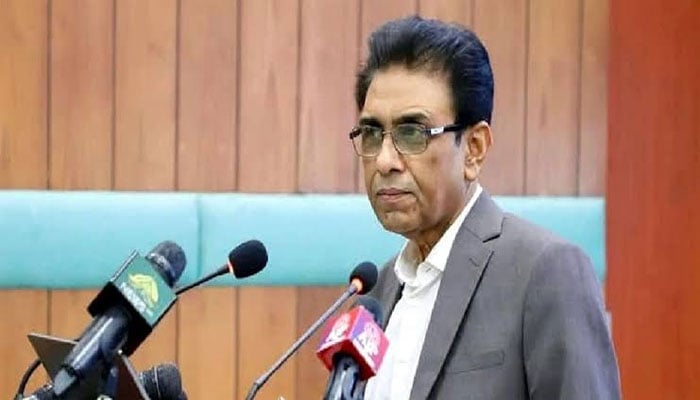
    Muttahida Qaumi Movement-Pakistan (MQM-P) Chairman Dr Khalid Maqbool Siddiqui has called for the creation of new administrative units across Pakistan based on population size, arguing that the country needs a more effective system of governance to meet the needs of its growing population. Speaking at a press conference in Karachi, Siddiqui said the business community across the country had also raised concerns similar to those voiced by his party regarding the existing administrative structure. He argued that Pakistan’s administrative system needed reforms to ensure better governance and a more balanced distribution of resources. Siddiqui said the provincial structure had changed after the abolition of the One Unit system, but the country had failed to restore an administrative framework that fully addressed the needs of its population. He stressed that his party’s demand for new administrative units did not target the country’s territorial integrity or seek to undermine the existing provinces. “We demand the creation of administrative units in Pakistan according to the population,” Siddiqui said, emphasizing that the objective was to improve administration and ensure that people received better public services. Addressing concerns over the boundaries of potential new administrative units, the MQM-P chief said his party had never called for a debate over the division of Pakistan’s territory. He described Pakistan as the “motherland” and said all four provinces remained an integral part of the country. Siddiqui maintained that the country itself was indivisible, while the Constitution allowed for changes in the administrative structure. He said the Constitution provided a mechanism for altering provincial boundaries and creating new administrative arrangements, although he believed the existing procedure had become impractical under current circumstances. The MQM-P chairman also pointed to the significance of August 1, the beginning of Pakistan’s independence month. He said the month carried a strong ideological connection with the creation of Pakistan and should encourage political leaders to discuss reforms aimed at strengthening the country. Siddiqui further revealed that his party had already introduced a constitutional amendment in the National Assembly to address the issue. He argued that Pakistan needed to revisit its administrative framework and consider reforms that could make governance more efficient and bring government closer to the people. The MQM-P has repeatedly advocated the creation of additional administrative units, maintaining that a more decentralized system could improve governance, facilitate service delivery and ensure a fairer distribution of resources. The demand, however, remains a politically sensitive issue, particularly in the context of debates over provincial boundaries and autonomy.

  • |

    PM Shehbaz Sharif orders probe Into PIMS nursery f…

    Prime Minister Shehbaz Sharif has expressed deep sorrow over the deaths of 15 newborn babies in a fire that broke out at the nursery of the Pakistan Institute of Medical Sciences (PIMS) in Islamabad on Wednesday morning. The prime minister took immediate notice of the incident and directed the relevant authorities to launch a thorough investigation into the cause of the fire. He ordered officials to determine how the blaze started, examine the circumstances surrounding the incident and identify those responsible. Shehbaz Sharif said such a tragedy involving newborn children was deeply distressing and unacceptable. He directed the authorities to take strict action against anyone found responsible for negligence or failure to ensure the safety of the infants. “The incident has deeply saddened me. I share the grief of the parents who have lost their children,” the prime minister said, offering his condolences to the bereaved families. According to PIMS authorities, 16 newborn babies were present in the nursery when the fire broke out in the morning. The blaze quickly engulfed the nursery, resulting in the deaths of 15 infants, while rescue teams managed to save one child. The incident has raised serious concerns over fire safety and emergency arrangements in the hospital’s neonatal facility. Authorities have launched an investigation to determine the exact cause of the fire and assess whether any safety protocols were breached. Further details about the circumstances of the deaths and the findings of the investigation are expected as authorities continue their inquiry.

  • | | | |

    Oil slips as higher supplies ease market fears

    Global oil prices declined on Friday as increased crude shipments through key maritime routes helped calm supply concerns, despite continued geopolitical tensions in the Middle East and limited progress in diplomatic talks between the United States and Iran. Brent crude futures dropped by $1.03, or 1.2%, to trade at $88 per barrel, while US West Texas Intermediate (WTI) crude fell $1.50, or 1.8%, to $82.09 per barrel. Even with the daily decline, both international benchmarks remained on track to post monthly gains of around 20%. Market analysts said the fall in prices was mainly driven by improving oil flows through the Strait of Hormuz, one of the world’s most important energy shipping routes. The increase in exports helped offset fears that the ongoing regional conflict could lead to major supply disruptions. The Strait of Hormuz normally carries nearly one-fifth of the world’s crude oil and liquefied natural gas shipments. The route has remained under close watch since tensions escalated following the conflict involving the United States, Israel and Iran. At the same time, Saudi Arabia is working with regional partners to strengthen maritime security in strategic waterways, including the Bab el-Mandeb Strait, the Red Sea and the Gulf of Aden. These routes play a vital role in global energy transportation. According to Saudi officials, 14 countries have expressed support for the proposed multinational maritime defence initiative, aimed at improving the safety of commercial shipping in the region. Meanwhile, the security situation remains uncertain after Yemen’s Houthi movement announced a naval blockade targeting Saudi Arabia, raising fresh concerns over the safety of Red Sea shipping lanes, which serve as an alternative route for oil exports. Although oil tankers continue to pass through both the Strait of Hormuz and the Red Sea, traders say higher security risks have pushed up shipping costs and insurance premiums. These additional expenses continue to keep a geopolitical risk premium built into global oil prices.

Leave a Reply

Your email address will not be published. Required fields are marked *