
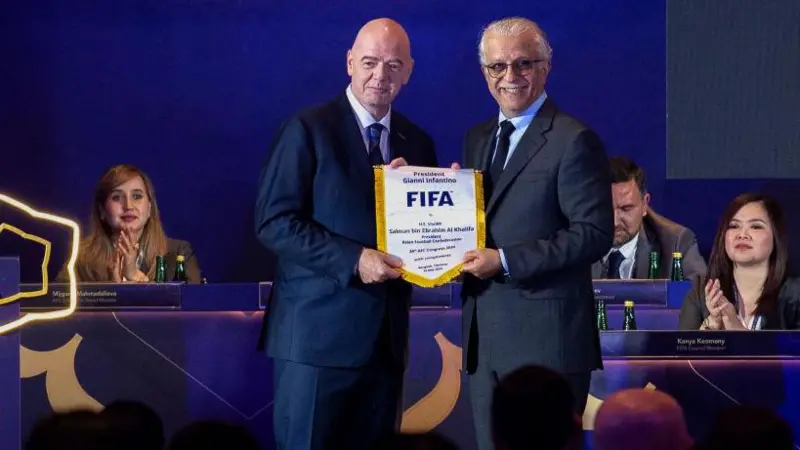
Infantino’s FIFA gamble hits major roadblock
FIFA President Gianni Infantino’s proposal to bring private investors into the commercial management of the FIFA World Cup has suffered another major setback after the Asian Football Confederation (AFC) formally rejected the plan.
In a statement issued on Friday, the AFC announced that it stands alongside the European and North, Central American, and Caribbean football confederations in opposing the proposal. The confederation said the plan lacks the broad international support needed to move forward and warned that it could weaken the unity of global football.
The AFC stressed that the FIFA World Cup belongs to the entire football community and should remain a competition shaped collectively by all member associations and confederations. It argued that decisions involving the future of the tournament should only be made after meaningful consultation with all stakeholders.
The Asian governing body also criticized FIFA’s decision-making process, saying major proposals were introduced before proper discussions with confederations and member associations. It claimed the approach left many football authorities feeling excluded from an issue of global importance.
The latest opposition significantly reduces the chances of the proposal being approved if it is presented for a vote. FIFA has 211 member associations, and a simple majority would be required for the plan to pass. With Europe, Asia, and Concacaf already opposed, the proposal faces strong resistance.
Earlier, UEFA warned it could boycott future FIFA World Cups if the proposal moves ahead. Concacaf also rejected the plan, arguing that football’s biggest tournament should not become a commercial investment asset.
Despite the growing backlash, FIFA has defended its proposal. The organization insists that it is not selling football but instead seeking new ways to strengthen the financial future of the game. FIFA says the planned reforms would attract investment, increase tournament revenues, and provide larger financial distributions to its member associations in the coming years.
Under the proposal, FIFA would establish a new commercial subsidiary to manage its major competitions, including the FIFA World Cup. Outside investors would be allowed to purchase minority, non-controlling stakes in the new company while FIFA retains overall control.
According to the governing body, the investment model would help expand football development programs, generate new business opportunities, and improve long-term financial sustainability.
However, critics remain unconvinced. They argue that introducing private investors into the commercial structure of the World Cup risks prioritizing profits over the interests of players, supporters, and national associations. Opponents also say the process has lacked transparency and adequate consultation.
The South American Football Confederation (CONMEBOL) has not yet announced its position on the proposal, while the African (CAF) and Oceania (OFC) confederations are expected to discuss the matter in the coming weeks.


